

Flying a DJI drone does not require cell service, as the drone can operate using its own remote control and GPS. However, having cell service can enhance your experience through features such as live streaming and accessing maps. In this article, we’ll explore the implications of flying without cell service and the benefits that connectivity can provide.
Understanding Drone Operation
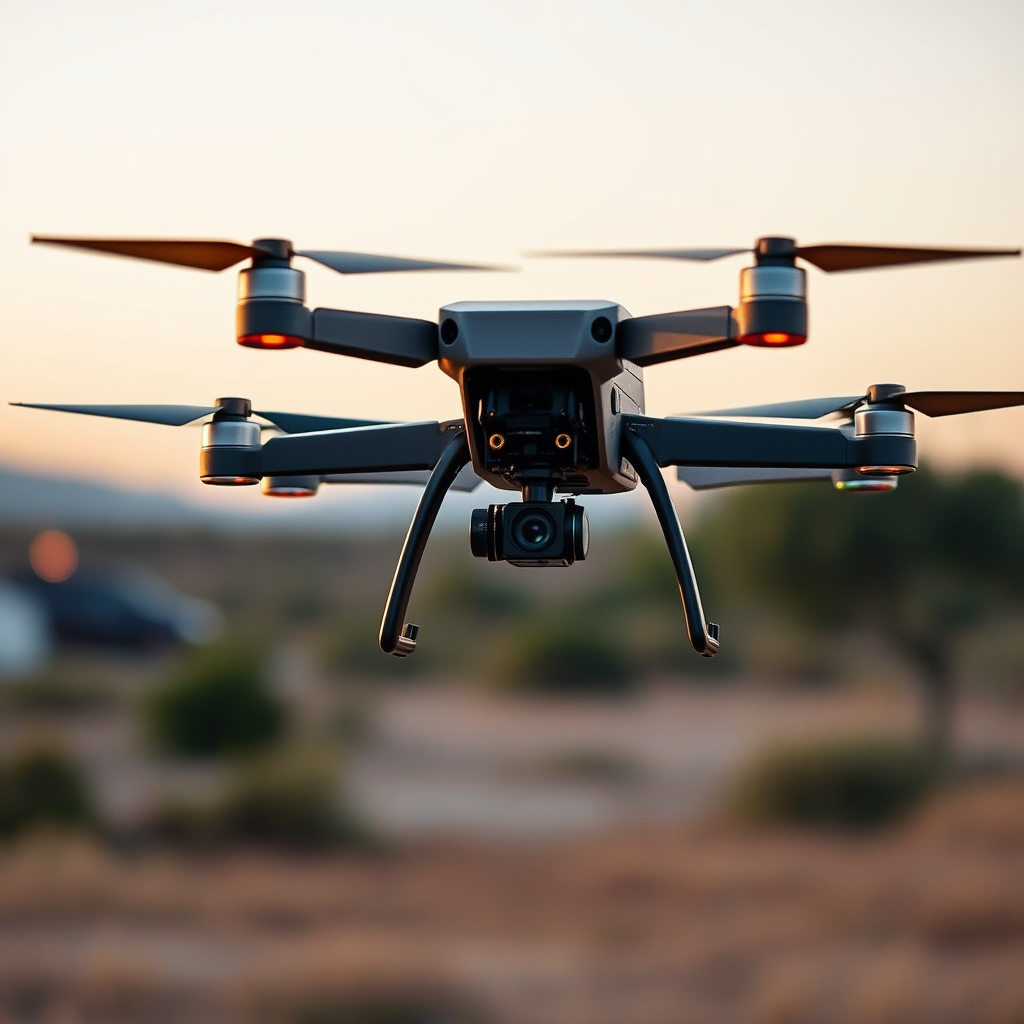
DJI drones are primarily controlled through a remote controller, which communicates directly with the drone via radio signals. This communication allows for immediate control over the drone’s movements, regardless of whether cell service is available. The remote control operates independently of any cellular network, ensuring that users can fly their drones in isolated areas without connectivity issues.
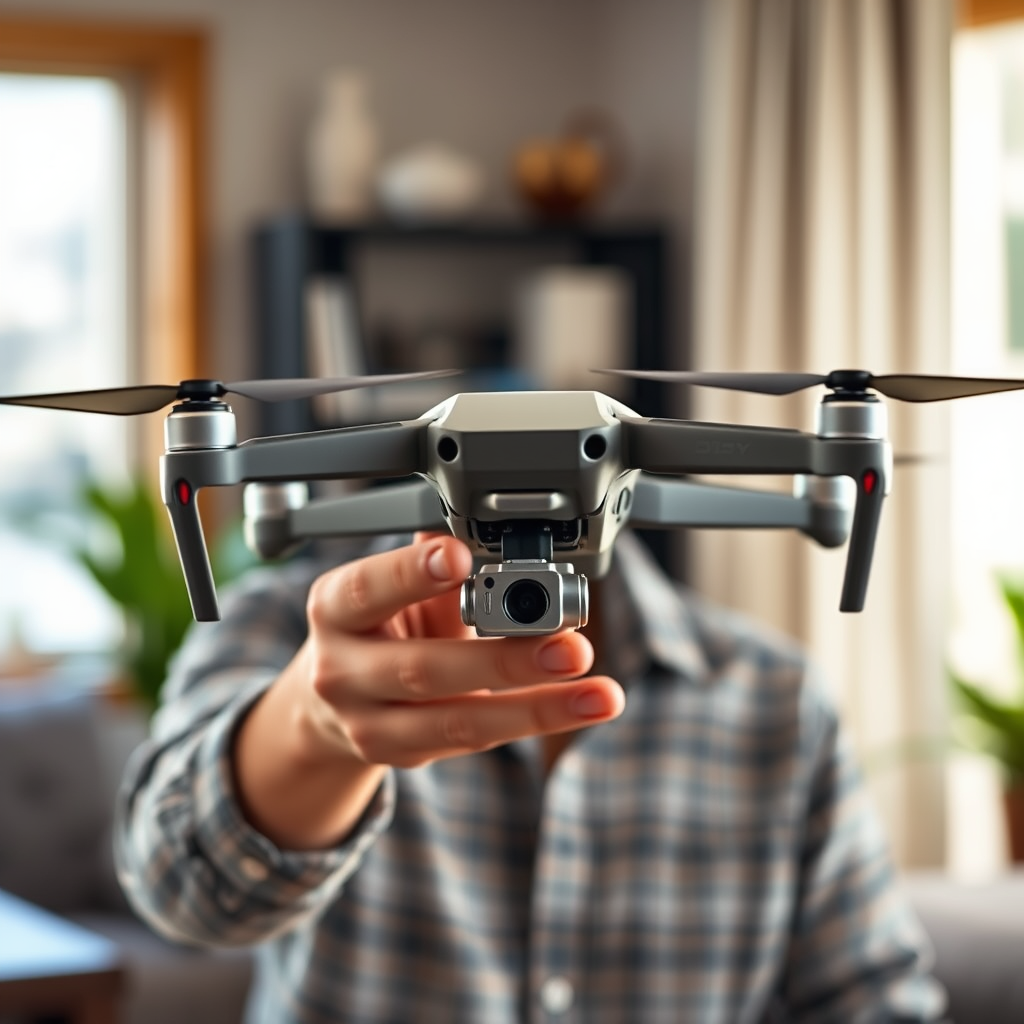
Moreover, DJI drones are equipped with sophisticated navigational systems that utilize GPS technology. This enables precise location tracking, waypoint navigation, and various automated flight modes. The integration of GPS allows pilots to fly their drones safely and efficiently, even when they are far from urban environments where cell service may be limited or entirely absent.
The Role of GPS
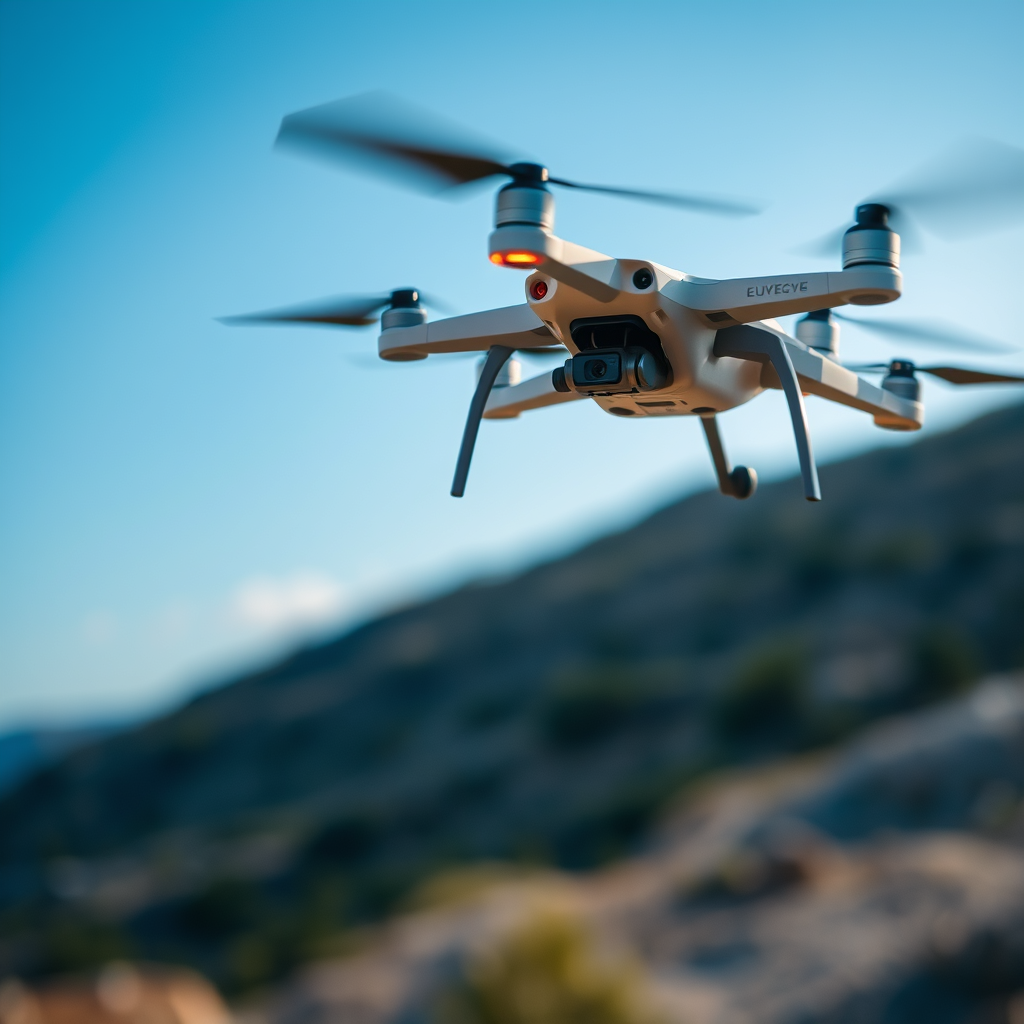
GPS is essential for stable flight and returning home functions, which are critical features for safe drone operation. Most DJI drones come with built-in GPS modules that gather satellite signals to determine the drone’s position in real-time. This capability allows the drone to maintain its altitude and course, providing a stable flying experience without relying on cell networks.
Additionally, the GPS system facilitates a “Return to Home” feature, which directs the drone back to its launch point if the signal is lost or the battery is low. This safety function is particularly vital for flying in remote areas, where the pilot may not have visual access to the drone at all times. With GPS, users can fly confidently, knowing that their drone can autonomously navigate back to safety.
Benefits of Having Cell Service
While cell service is not required for basic drone operation, it can greatly enhance the flying experience in several ways. One of the most significant benefits is the ability to live stream video footage directly to social media platforms such as Facebook, Instagram, or YouTube. This functionality allows users to share their drone experiences in real-time, engaging with audiences and showcasing breathtaking aerial views instantly.
Additionally, having cell service enables access to real-time weather updates and airspace information, which are crucial for planning safe flights. Pilots can check for temporary flight restrictions, airspace regulations, and changing weather conditions to ensure a smooth flying experience. For instance, an app like DJI GO can provide notifications about nearby no-fly zones or weather alerts, giving pilots the information they need to make informed decisions before taking off.
Flying in Remote Areas
When flying in locations with limited or no cell service, there are several tips that can help ensure a successful and enjoyable experience. First and foremost, it is important to pre-download maps and flight plans using apps like DJI Fly or other drone flight planning tools. This allows pilots to have a comprehensive understanding of the area they are flying in, including potential hazards and points of interest.
Additionally, pilots should familiarize themselves with the local regulations regarding drone usage in remote areas. Some locations may have specific restrictions or requirements that differ from urban environments. It’s advisable to check local laws and guidelines to avoid any legal issues.
Maintaining a backup plan for navigation is also essential. Consider carrying a portable GPS device or using a smartphone with offline maps downloaded. This can serve as an additional layer of safety, ensuring that you can navigate back to your launch point even without cell service.
Safety Considerations
Safety is paramount when flying drones, especially in areas where cell service is unavailable. Understanding no-fly zones is critical, as these areas may be restricted due to proximity to airports, military installations, or wildlife reserves. Without real-time updates from cellular networks, pilots must take the initiative to research local airspace regulations before flying.
Another crucial safety consideration is maintaining a visual line-of-sight with your drone at all times. This practice not only complies with FAA regulations but also ensures that you can monitor the drone’s behavior and surroundings. In the absence of cell service, having a direct line of sight becomes even more important, as losing visual contact can lead to accidents or the drone becoming unmanageable.
Common Misconceptions
There are several misconceptions surrounding the necessity of cell service for drone operations. A common myth is that drones require constant cellular connectivity for GPS functionality. In reality, GPS works independently of cell networks, utilizing satellite signals to determine location and facilitate navigation.
Another misunderstanding is the belief that Wi-Fi and cellular service can be used interchangeably for drone operations. While both can provide connectivity, they serve different purposes. Wi-Fi is typically used for connecting a drone to a remote control or mobile device to access features like live video feeds, whereas cellular service is more effective for accessing broader internet functions, such as live streaming and fetching real-time updates.
Conclusion
In summary, you can fly a DJI drone without cell service, relying on its remote control and GPS. However, having a cellular connection can significantly enhance your flying experience by enabling live video streaming, providing access to real-time weather updates, and offering crucial airspace information. Before your next flight, consider downloading necessary maps and ensuring you have a backup plan for connectivity. This preparation will not only enhance your experience but also contribute to safer and more enjoyable drone flying. Happy flying!
Frequently Asked Questions
Do you need cell service to fly a DJI drone?
No, you do not need cell service to fly a DJI drone. DJI drones operate using their own GPS and internal systems, allowing you to control them without cellular connectivity. However, having an internet connection can enhance your flying experience by enabling access to real-time maps and firmware updates through the DJI Fly app.
How does GPS work on DJI drones without cell service?
DJI drones utilize built-in GPS technology to determine their location and maintain stable flight paths. The GPS system operates independently of cell service, relying on signals from satellites to provide accurate positioning information. This allows the drone to navigate and return to its home point even in areas without cellular coverage.
Why might I want to use cell service when flying my DJI drone?
While cell service is not required, it can be beneficial for certain functionalities. Using cell service allows you to access live maps, check airspace restrictions, and receive real-time weather updates, which can enhance situational awareness during your flight. Additionally, internet connectivity can facilitate easier sharing of your flight data and photos.
What should I do if I lose cell service while flying my DJI drone?
If you lose cell service while flying your DJI drone, you can continue to operate it as long as you maintain a visual line of sight and the drone is within range of the remote controller. The drone will still use GPS for navigation, and you can activate the return-to-home feature if you lose connection with the controller or encounter issues.
Which DJI drones are best for flying in areas with poor cell service?
Most DJI drones, including the DJI Mini 2 and DJI Air 2S, are designed to operate well in areas with poor or no cell service due to their reliance on GPS technology. However, consider models with advanced obstacle avoidance and long-range transmission systems, like the DJI Mavic Air 2, to ensure better control and safety during flights in remote areas.
References
- https://en.wikipedia.org/wiki/Drone_flight
- Getting Started | Federal Aviation Administration
- https://www.faa.gov/uas/resources/policies_regulations/
- https://www.nytimes.com/2021/06/23/technology/drones-faa-regulations.html
- https://www.reuters.com/technology/faa-issues-new-drone-rules-2021-12-16/
- https://www.dronepilotgroundschool.com/drone-flying-requirements/
- https://www.suasnews.com/2020/06/do-you-need-cell-service-to-fly-your-drone/
- https://www.nasa.gov/centers/dryden/pdf/88544main_2010-1131.pdf
