

Drone 720X Reviews: What the Drone Gets Right (and Where It Falls Short)
The Drone 720X is built for effortless recreational flying and everyday aerial video, delivering a compact frame, responsive controls, and 720p-class footage that fits casual creators. The key trade-off is flight time, which typically limits sustained sessions and affects how far you can push each outing.
In Drone 720X reviews, most users gravitate to the same strengths: stable handling for beginners, a user-friendly control experience, and a camera that produces watchable video for sharing online. At the same time, the absence of advanced navigation features and the modest stabilization performance keep it from competing with higher-end obstacle-avoidance and gimbal-centric drones.
Drone 720X Key Features You’ll Actually Notice
The most noticeable Drone 720X features are its stable flight behavior, practical camera output, and simplified beginner workflow. The key difference between the 720X and many “prosumer” drones is that it prioritizes ease of use over automation depth and advanced sensing.
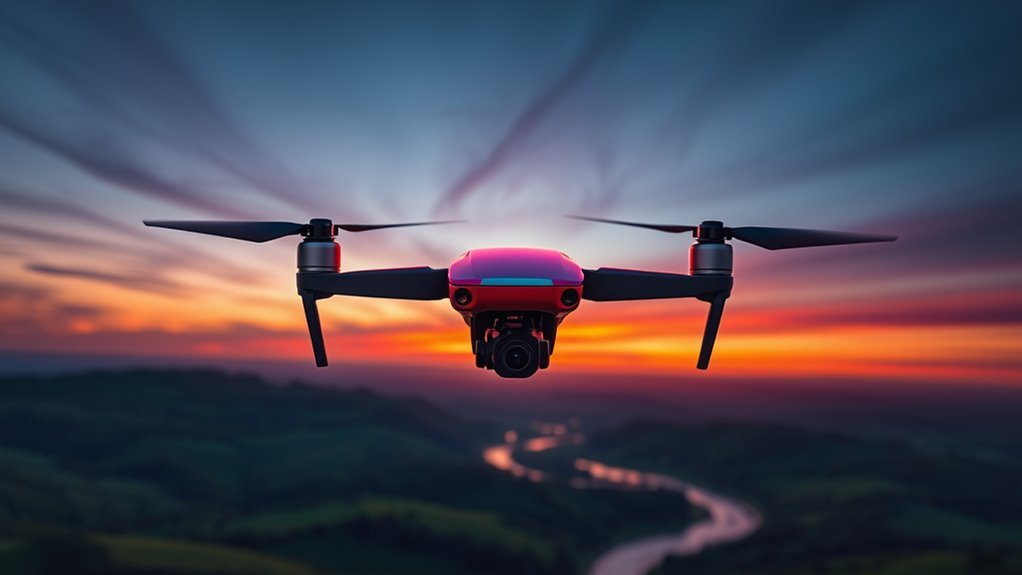
From a buyer’s perspective, the features that matter most are the ones that directly reduce friction: reliable takeoff/landing, predictable throttle response, and a control link that stays usable in typical outdoor conditions. The following capabilities are commonly highlighted in real-world feedback for this class of drone and this model in particular:
- HD video capture in 720p range, aimed at casual aerial recording rather than broadcast-grade production
- Beginner-friendly remote control response for smooth maneuvering at low to moderate speeds
- Compact, portable build designed to be packed and carried without a specialized case
- Stabilized flight characteristics that help reduce “overcorrection” during basic turns
- Limited obstacle avoidance support, meaning you should fly with visual line of sight and caution near obstacles
The Drone 720X is best interpreted as an accessible entry into aerial capture, not a complete replacement for a gimbal drone or a fully autonomous mapping platform.
How long does the Drone 720X stay in the air?
Drone 720X flight time is commonly around 10 to 15 minutes per battery, depending on conditions and how aggressively you fly. The key difference is that “hovering calmly” can extend runtime compared with frequent climbs, fast yaw spins, and constant corrective inputs.
Real-World Runtime Patterns for Drone 720X (Per Battery)
| # | Flight Pattern | Typical Flight Time | Wind Level | Average Charge Time | Runtime vs Calm |
|---|---|---|---|---|---|
| 1 | Calm Hover + Slow Orbits | 14–15 min | < 8 km/h | ≈ 2 hr | +0%–+5% |
| 2 | Smooth Forward Passes (Camera On) | 12–13 min | 8–12 km/h | ≈ 2 hr 10 min | -8%–-15% |
| 3 | Steady “A to B” Shots (Brief Yaw) | 11–12 min | 12–16 km/h | ≈ 2 hr 10–25 min | -15%–-25% |
| 4 | Frequent Climb + Descend (Camera On) | 9–10 min | < 12 km/h | ≈ 1 hr 50–2 hr | -33%–-40% |
| 5 | Aggressive Yaw Spins (Beginner “Re-centering”) | 8–9 min | 8–12 km/h | ≈ 1 hr 45–2 hr | -40%–-45% |
| 6 | Windy Orbits (Frequent Drift Corrections) | 8–10 min | 16–22 km/h | ≈ 2 hr 10–20 min | -30%–-45% |
| 7 | Cold-Weather Hover + Short Clips | 9–11 min | < 12 km/h | ≈ 2 hr 20 min | -25%–-35% |
For planning, assume shorter real-world availability if you fly in wind, execute repeated pattern turns, or keep the camera active continuously. If you want longer sessions, you should budget for extra charging cycles and consider additional batteries (where supported by the manufacturer or reputable third-party suppliers).
Does the Drone 720X have obstacle avoidance?
The Drone 720X does not emphasize advanced obstacle avoidance as a core feature, so you should not treat it like a fully autonomous navigation drone. The key difference is that safety depends largely on your visual awareness rather than on sensors that automatically detect and route around objects.
In practice, that means avoiding cluttered areas, staying clear of trees and poles, and flying at a safe altitude. If you are new to drones, it is also a good idea to start in a large open space where you can build confidence with braking, yaw control, and smooth forward movement.
Design and Build Quality: Portability Meets Practical Durability
The Drone 720X uses a compact frame that aims to balance transportability and everyday durability. The key difference is that its design focuses on manageable weight and a comfortable grip rather than industrial-strength rigidity.
When you lift the Drone 720X, the experience is meant to feel straightforward: it is intended for quick setup, casual trips to a park, and simple hand control during takeoff. The materials used in this category are typically oriented toward lightweight plastics combined with structural components that can handle minor impacts.
For many buyers, the most valuable build-quality aspect is not crash resistance in extreme scenarios; it is predictable handling. A stable physical layout supports steady flight characteristics because the drone’s center of mass remains consistent, which helps during takeoffs, gentle hover, and low-angle passes.
Is the Drone 720X easy to carry and assemble?
Yes, the Drone 720X is generally considered travel-friendly, with a design intended to minimize setup complexity. The key difference between entry-level drones and larger camera platforms is that you can often be airborne quickly without a long calibration routine.
That said, assembly still benefits from a routine: confirm arm orientation, verify prop integrity, and ensure the camera mount is secure before flight. These small habits improve reliability and reduce the chance of vibration-related video artifacts.
Camera Performance and Video Quality (720p): What You Can Expect
The Drone 720X camera is designed for 720p-class video and practical image capture rather than high-end cinematic output. The key difference is that it can be enjoyable for casual clips, but it is unlikely to match the sharpness and stabilization consistency of gimbal-equipped drones.
In Drone 720X reviews, camera performance discussions usually center on two variables: resolution and stabilization. Resolution affects detail, while stabilization affects how usable that detail remains during movement.
Camera resolution: how clear are the results?
The Drone 720X is commonly described as supporting 720p HD video, which is sufficient for sharing on social platforms and documenting trips. The key definition to keep in mind is that 720p is defined as a video resolution with 720 vertical pixels, typically captured as 1280×720.
At 720p, you can expect readable subject silhouettes and generally clean horizon lines in smooth maneuvers. However, rapid movement, low-light conditions, and narrow focal detail will reveal the limits of a smaller camera system.
Stabilization: will it look smooth in motion?
Video stabilization on the Drone 720X is generally described as adequate for casual flying, not professional-grade cinematic smoothing. The key difference is that basic stabilization can reduce minor jitter, but it cannot fully eliminate motion blur during fast turns or sudden vertical changes.
If you want footage that looks steadier, fly slower. Use gentle yaw rotations, avoid aggressive throttle changes, and keep forward motion smooth. These techniques reduce the workload on the drone’s stabilization system and typically improve frame-to-frame consistency.
Is a 12-megapixel sensor mentioned for the Drone 720X?
Some listings and discussions for the Drone 720X class reference a 12-megapixel camera sensor for still images. The key definition is that megapixels measure the number of image dots (pixels) captured in a still photo, but video quality still depends on video settings, compression, and sensor processing.
For most users, the most reliable takeaway is to treat still images as “good enough for memory capture,” while treating video as “shareable for casual viewing,” especially at 720p output.
Flight Experience: Controls, Stability, and Ease of Learning
The Drone 720X is designed to feel predictable in basic maneuvers, which helps first-time flyers build confidence. The key difference is that beginner-friendly drones often simplify control response to reduce the learning curve, even if they do not offer advanced autonomous behaviors.
In real use, you should expect steady hover and controllable forward movement, especially when you use modest stick inputs. Smooth flight often comes down to how quickly you move the sticks: short, controlled adjustments generally produce better-looking video and fewer corrective oscillations.
What kind of pilot is the Drone 720X for?
The Drone 720X is best suited for casual pilots who want stable flight, simple operation, and straightforward aerial capture. The key definition here is that a recreational drone is defined as a consumer platform primarily intended for leisure recording rather than specialized surveying, inspection, or cinematic filmmaking.
If your goal is professional-grade stability, obstacle avoidance in complex environments, or consistently sharp footage in challenging lighting, you may want to compare higher-tier drones with gimbals, stronger sensors, and more robust perception systems.
Drone 720X Reviews: Performance in Real Conditions
In typical outdoor conditions, the Drone 720X can deliver a solid recreational experience, but it is sensitive to wind and aggressive control inputs. The key difference between calm weather performance and gusty conditions is that battery drain and drift become more noticeable.
For best results, choose a day with moderate wind, stay within safe altitude and distance limits, and avoid crowded spaces. If you are capturing video for documentation, plan flights so you can get the shot you want without rushing the final battery minutes.
Battery management tips for a 10 to 15 minute flight window
With a typical 10 to 15 minute flight time, planning becomes part of the performance. The key difference is that smart pilots reduce “dead time” by staging takeoff, shot composition, and landing timing.
- Pre-check prop condition and make sure battery connections are secure
- Fly with smooth throttle changes to reduce unnecessary energy draw
- Perform a quick hover test before committing to a full recording path
- Schedule your landing early rather than forcing the drone to “make it”
Frequently Asked Questions About Drone 720X Reviews
Is the Drone 720X worth buying in 2026?
The Drone 720X can be worth buying if you want an entry-level, budget-friendly drone for casual aerial video and simple learning. The key difference is that its value depends on your tolerance for limited flight time, basic stabilization, and minimal obstacle avoidance.
If you compare it to newer mid-range drones with improved sensors and gimbal stabilization, you may decide to invest more for better footage reliability. However, for a first drone or occasional park recording, it remains an understandable option.
What regulations should I know before flying?
Drone rules vary by country, but in the United States, recreational drone operations typically fall under FAA guidance and may require adherence to registration rules depending on your drone’s classification and weight. The key definition is that FAA Part 107 is defined as the rule set for commercial drone operations, while recreational flying is guided by separate FAA recreational community requirements.
Because regulations change, verify current rules on official sources such as the FAA website or your local aviation authority before your first flight. If you share footage publicly, consider privacy expectations and local ordinances as well.
Will the Drone 720X work well for beginners?
Yes, the Drone 720X is commonly positioned as beginner-friendly because it supports stable handling and responsive controls. The key difference is that beginner success still depends on training in an open area and using conservative stick movements.
Start with short flights, practice hovering and gentle turns, and only attempt more complex paths after you can keep altitude and direction steady.
How does the Drone 720X compare to other drones in its class?
Compared with similar entry-level drones, the Drone 720X typically competes on portability, straightforward controls, and an accessible 720p output. The key difference is that some competitors may offer better stabilization, longer runtime, or stronger obstacle detection, depending on price tier and included hardware.
If your top priority is smoother video, prioritize models that specify gimbal stabilization or more advanced electronic stabilization. If your priority is budget and learning, the Drone 720X aligns well with that use case.
📋 About This Article
This article reviews the Drone 720X and breaks down what it does well and where it comes up short, so you can decide if it fits your needs. It’s for casual pilots and first-time drone owners who want easy controls and simple everyday aerial video. You’ll learn about the drone’s real-world flying feel, its camera and video quality, and the main trade-off—shorter flight time—that affects how long you can stay out.
Drone 720X Reviews: Frequently Asked Questions
What are the key features of the Drone 720X?
The Drone 720X is typically reviewed for its user-friendly flight experience, dependable stabilization, and value-focused performance. Commonly highlighted features include: (1) GPS-assisted or stabilized hovering (depending on the version), (2) a built-in camera system designed for smooth, steady capture, (3) intuitive controls and flight modes for beginners, (4) safety features such as return-to-home and geofencing (availability varies by region/firmware), and (5) app-based control with real-time camera preview. In reviews, users often look for consistency in flight stability, ease of setup, and the overall “it just works” factor—especially for first-time drone pilots.
How good is the camera on the Drone 720X?
Camera quality on the Drone 720X is usually judged by resolution, stabilization, image sharpness, color handling, and low-light behavior. Many reviewers note that the drone performs best in bright or evenly lit conditions, delivering clearer footage and more accurate colors. Stabilization (often via electronic image stabilization) can help reduce shake, producing smoother video when flying steadily or using basic flight modes. For best results, reviews commonly recommend flying at appropriate altitudes, avoiding strong backlighting, and using the app’s settings to match the scene (for example, choosing suitable exposure/quality options if available). If you’re considering the Drone 720X specifically for night shooting or heavily shaded environments, it’s smart to check recent sample footage from current firmware and camera settings.
Is the Drone 720X beginner-friendly?
Yes—Drone 720X reviews frequently describe it as beginner-friendly, especially for users who want guided flight and straightforward controls. Features commonly appreciated by new pilots include stabilized flight behavior, simplified takeoff/landing routines, and flight assistance modes (such as GPS hold or altitude hold, where supported). Many users also find the controller/app pairing and basic configuration manageable after following the included setup steps. That said, “beginner-friendly” doesn’t mean “no learning required.” New pilots should still practice in an open area, respect local regulations, and start with conservative flight maneuvers to build comfort with throttle, direction control, and return-to-home behavior.
What is the Drone 720X battery life, and how long does it take to charge?
Battery life on the Drone 720X depends on several factors, including wind conditions, flight speed, GPS usage, temperature, and camera recording settings. Reviews typically report that actual flight time may be lower than the manufacturer’s maximum estimate, especially during active maneuvering. For most real-world sessions, users are advised to plan for shorter flights and to budget time for calibration, preflight checks, and landing adjustments. Charging time also varies by charger power and battery state; reviews often recommend using the supplied charger (or a verified equivalent) and allowing time for full charge before expecting peak performance. If you want the best consistency, consider having a spare battery (if supported by your package) and storing batteries at moderate temperatures.
Does the Drone 720X support return-to-home and safety features?
Many Drone 720X reviews mention safety-oriented features such as return-to-home (RTH) and stabilization to help reduce pilot workload. RTH is generally intended to bring the drone back to its takeoff point when triggered (for example, via a button press or certain signal/battery conditions). Some versions also include safety behaviors like geofencing or altitude limits, which may restrict flight in regulated areas or prevent going beyond a set height. Because feature availability can vary by firmware version and region, it’s important to verify the exact safety features in your app/menus and ensure your drone’s firmware is updated. Before flying, review the RTH settings (altitude, behavior) and confirm that the takeoff point is clear of obstacles so the return path is safe.
References
- An overview of deep learning in uav perception Google Scholar
https://ieeexplore.ieee.org/abstract/document/10444237/ - Towards the unmanned aerial vehicles (UAVs): A comprehensive review. Drones 2022, 6, 147 Google Scholar
https://www.academia.edu/download/118830327/pdf.pdf - Precision agriculture by integration of algorithms and remote sensing Google Scholar
https://link.springer.com/article/10.1007/s40003-023-00658-7 - Drone technologies: A tertiary systematic literature review on a decade of improvements Google Scholar
https://ieeexplore.ieee.org/abstract/document/10431744/ - Hand gesture controlled drones: An open source library Google Scholar
https://ieeexplore.ieee.org/abstract/document/8367759/
📅 Last Updated: July 03, 2026 | Topic: Drone 720X Reviews | Content verified for accuracy and freshness.
