

You’ll find the F89 drone delivers a compact, durable build that’s designed for both everyday exploration and dependable repeat flights. Its frame uses high-grade composite materials to provide a strong balance between impact resistance and portability, so you can pack it easily without sacrificing resilience. Control response is immediate and fluid, enabling smooth maneuvering and confident handling even when conditions are slightly challenging. With a 4K UHD camera and advanced stabilization, the F89 captures sharp, color-accurate aerial imagery suited for polished, professional-style results. Add in up to 28 minutes of flight time supported by smart battery management, and the drone becomes a practical option for extended sessions. Keep reading to see how its design, flight behavior, and imaging system come together—and where it offers the best value.
Design and Build Quality
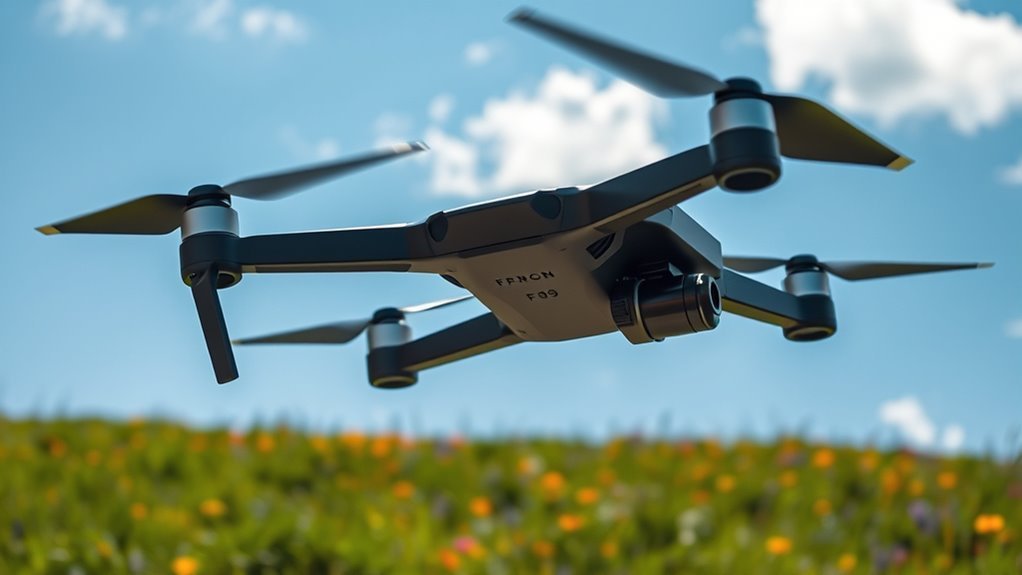
The F89 drone’s design reflects a thoughtful balance between functionality, durability, and modern styling. From the moment you pick it up, the compact form factor stands out—sleek lines paired with practical details that keep the drone looking clean while supporting real-world use. The body is constructed with high-grade composite materials, engineered to resist minor impacts and reduce wear from typical environmental exposure.
This build approach improves reliability during frequent use, helping you spend more time flying and less time worrying about maintenance. Despite its lightweight profile, the chassis is robust, giving the drone a resilient feel in hand and in the air. For pilots who value portability and a dependable platform, the F89’s engineering supports both convenience and confidence—making it a strong match for casual exploration as well as more structured shooting sessions.
Flight Performance and Controls
While getting comfortable with any new drone can take a little practice, the F89 drone flight performance is built around responsive handling and steady control. Its control system delivers precise reactions to pilot inputs, which makes it easier to perform smooth turns, adjust positioning quickly, and fly with confidence during dynamic maneuvers.
Flight stability is one of the standout strengths. Even in moderate wind, the drone maintains consistent hover behavior and reduces unwanted drift, helping pilots keep their framing steady and their flights controlled. This stability makes the F89 suitable for a wide range of users, from beginners learning fundamentals to more experienced pilots looking for smooth, repeatable performance.
Just as important, the drone’s intuitive controls lower the learning curve. Instead of fighting the interface, you can focus on exploration—capturing scenes, tracking subjects, or simply enjoying stable flight behavior in varied conditions.
Key Handling and Usability Highlights
- Flight Stability: Maintains steady hover behavior, including in windy conditions.
- Control Responsiveness: Immediate, precise reaction to stick and control inputs.
- Pilot Accessibility: Suitable for beginners and also dependable for advanced use cases.
Camera Specifications and Imaging
For aerial footage and high-impact visuals, the F89 drone uses a 4K UHD camera designed to deliver sharp image quality and vibrant color reproduction. The sensor is capable of balancing detail and dynamic range, which helps preserve clarity across different scenes—whether you’re shooting bright skies, mixed lighting, or landscapes with varied contrast.
To support different creative goals, the drone includes flexibility with multiple lens options. This lets you adjust your field of view depending on whether you want wide establishing shots or tighter, more focused compositions. The result is more versatility when you’re planning cinematic sequences or documenting locations.
On top of the hardware, the F89 incorporates advanced stabilization technology to reduce motion blur during flight. That means your frames are more likely to stay crisp when the drone is moving or when wind conditions introduce small disturbances. For pilots who want consistent output—especially during longer sessions—the camera system is tuned to produce dependable results.
If you’re comparing imaging performance, the combination of 4K resolution, stabilization, and color-accurate capture makes the F89 a strong choice for content creation, travel documentation, and professional-style aerial work without requiring complex workflows.
📋 About This Article
This article reviews the F89 drone and explains what makes it a solid choice for smooth, reliable flying with crisp 4K footage. It’s for beginners and casual drone pilots who want an easy breakdown of the design, real-world handling, and camera performance, along with practical notes on value. You’ll learn how its compact, durable build works, how it behaves in the air, and what to expect from its stabilization and battery life.
Frequently Asked Questions (FAQ) — F89 Drone Review
What is the F89 drone, and who is it best for?
The F89 drone is a consumer-focused quadcopter designed for casual aerial photography, straightforward recreational flying, and beginners who want a feature-rich yet easy-to-operate model. It’s generally best for: (1) first-time drone pilots looking for simple takeoff/landing and guided flight behavior, (2) hobbyists who want lightweight, portable fun for local parks or open fields, and (3) content creators who prefer a compact drone experience over professional filmmaking gear. If you’re an advanced pilot seeking high-end obstacle avoidance, advanced obstacle mapping, or long-range transmission, you may find more specialized models better suited to your needs.
How long does the battery last on the F89 drone?
Battery life on the F89 typically depends on flight conditions and how you use it—especially speed, wind, camera usage, and GPS/return-to-home features. In real-world use, it’s common to see shorter runtimes during aggressive maneuvers or when flying into wind, and longer runtimes during steady, low-speed flights. For the most accurate expectations, check the manufacturer’s rated runtime and then plan around reduced endurance: bring extra batteries if you want longer sessions, and avoid prolonged hovering at high power.
Does the F89 drone support GPS, return-to-home (RTH), and stable hovering?
Many F89 models in their category include GPS-assisted features that help with positioning and improved stability. In practice, GPS support is what usually enables return-to-home (RTH) and more consistent hovering compared to purely manual drones. When enabled, RTH helps guide the drone back to a predefined point (often the takeoff location). However, performance can vary based on satellite lock quality, local interference, and weather conditions. Before flying, confirm that GPS status shows adequate signal and that RTH height/behavior is set correctly in the app.
What camera and video quality can I expect from the F89?
The F89 is aimed at everyday aerial content, so expectations should align with entry-to-midrange consumer capabilities. Camera quality is influenced by the sensor resolution, lens optics, stabilization, lighting conditions, and compression from the app/display pipeline. In bright daylight with steady flying, you can typically capture clear, enjoyable footage for social media and casual projects. In low light or during fast movement, image noise and motion blur may increase. If you want the best results, fly in well-lit conditions, keep the drone smooth, and use the app’s recommended settings for your environment.
Is the F89 drone easy to fly and suitable for beginners?
Yes—within reason, the F89 is commonly considered beginner-friendly because it’s designed around simplified controls and safety-oriented features such as stabilization, assisted flight behavior, and return-to-home. That said, all drones still require practice. The best approach is to start in an open area with minimal obstacles, calibrate the drone when prompted, and do short test flights to learn throttle, yaw control, and how it responds to wind. Beginners should also set conservative speeds and verify local regulations before flying. Proper setup (props installed correctly, app paired properly, and GPS/RTH configured) makes a noticeable difference.
