

Flying a DJI drone in cold weather is indeed possible, but optimal performance is typically between 32°F (0°C) and 104°F (40°C). Operating in temperatures below freezing can significantly impact battery life, flight stability, and the overall functionality of your drone. As drone enthusiasts and professionals alike venture into the winter months to capture stunning aerial images and videos, understanding how cold weather affects drone operation becomes essential. Here’s what you need to know about flying your drone in colder conditions.
Understanding Battery Performance in Cold Weather
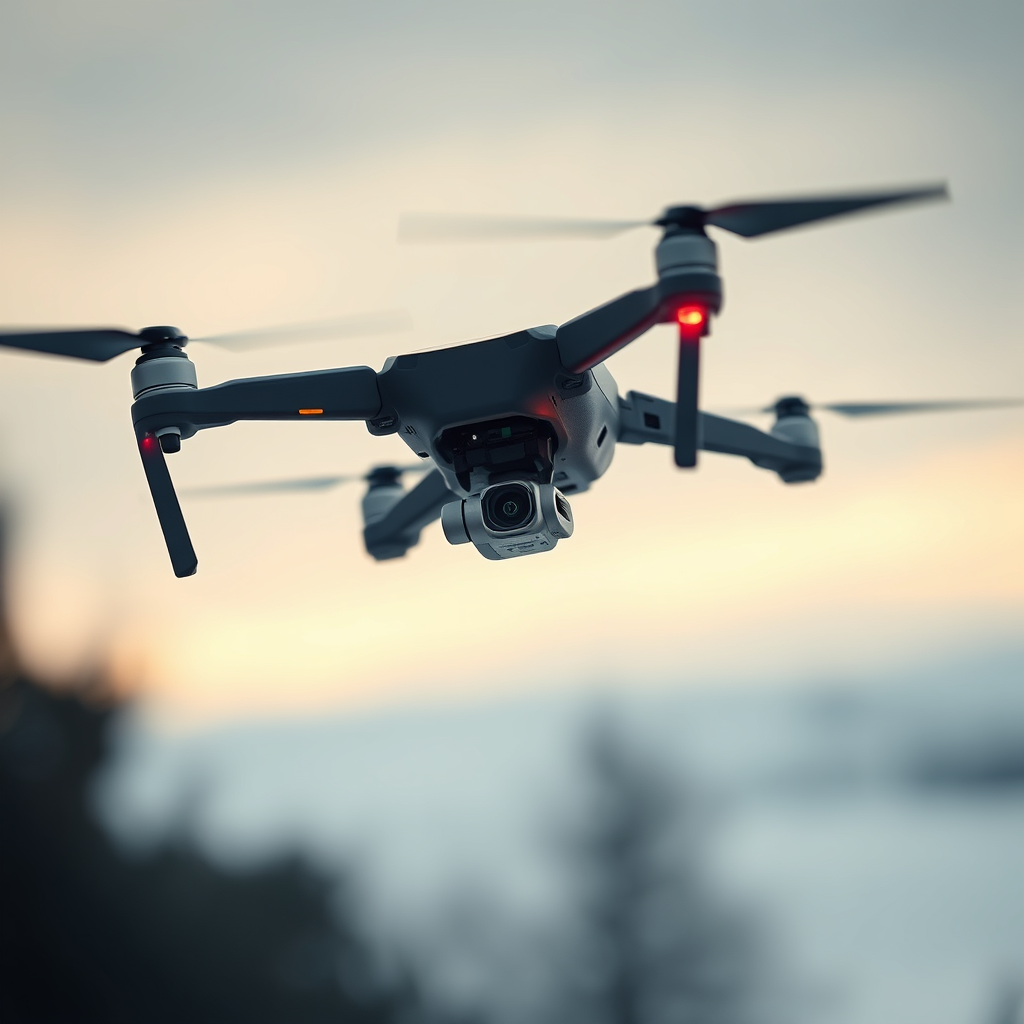
Cold temperatures have a notable impact on the performance of lithium-polymer (LiPo) batteries, which are the standard power sources for most DJI drones. At temperatures below 32°F (0°C), the battery’s chemical reactions slow down, resulting in a decrease in capacity. This diminished capacity translates into shorter flight times, often leaving pilots with less than the expected duration of flight. For example, a DJI Mavic Air 2, which typically boasts a flight time of around 34 minutes in ideal conditions, may experience reductions of up to 20-30% in frigid temperatures.
Additionally, the cold can cause the battery’s voltage to drop more rapidly, which can trigger warnings about low battery levels or, in extreme cases, lead to sudden power loss mid-flight. To mitigate these effects, it is advisable to keep batteries warm by storing them in insulated pouches or pockets until just before the flight. This will help maintain their efficiency, allowing pilots to maximize their flying time even in less-than-ideal conditions.
Recommended Temperature Range for DJI Drones
Most DJI drones are engineered to operate best within a specific temperature range, typically between 32°F (0°C) and 104°F (40°C). Within this window, the drone’s sensors, motors, and battery systems function optimally, ensuring reliability and performance. For instance, the DJI Mini 2 is particularly sensitive to temperature changes, and operating it outside the recommended range can lead to erratic behavior or performance degradation.
It is important to consult your specific model’s user manual, as manufacturers often provide detailed guidelines regarding temperature thresholds and operational limitations. For example, some advanced models may have features that help compensate for cold weather but still require careful monitoring by the pilot. Adhering to these specifications can help prevent damage and ensure a smoother flying experience.
Effects of Cold on Drone Components
Beyond battery performance, cold weather can adversely affect various components of your drone. One significant issue is condensation, which can occur when moving from cold environments to warmer ones, potentially damaging sensitive electronic parts. Moisture buildup can lead to short-circuiting or corrosion over time, which jeopardizes the integrity and longevity of your drone.
Furthermore, propeller performance can diminish in cold conditions. The materials used in propellers may become stiffer, leading to reduced flexibility and responsiveness. This can affect the drone’s lift and maneuverability, making it imperative for pilots to adjust their flying techniques accordingly. For example, slower ascents and descents may be necessary to maintain control and stability, especially in gusty or unpredictable winds typical of winter weather.
Pre-Flight Preparations for Cold Weather
Proper pre-flight preparations are crucial when flying drones in cold weather. One of the most effective strategies is to pre-warm your batteries by keeping them in a warm location prior to your flight. Battery warmers or insulated cases can be particularly beneficial, as they maintain a stable temperature even in frigid environments.
Additionally, it is wise to avoid flying in extreme cold for extended periods. Taking frequent breaks allows both the drone and the pilot to acclimate to the conditions, reducing stress on the equipment and minimizing the risk of sudden failures. During these breaks, pilots should also conduct routine checks on their drone’s components, ensuring everything remains in optimal working condition.
Tips for Safe Flying in Cold Conditions
When flying in cold conditions, safety should always be a priority. Monitoring battery voltage is vital, as colder temperatures can lead to unexpected drops that may not be immediately visible to the pilot. Using a voltage monitoring system or app can help keep track of battery health and provide alerts in real-time.
Additionally, maintaining your drone within visual line of sight is crucial. In cold weather, performance changes can occur suddenly and without warning. By keeping your drone within sight, you can react promptly to any unexpected issues, ensuring a safer flying experience. It is also advisable to fly in open areas where potential obstacles are limited, reducing the risk of collisions or crashes.
Post-Flight Care for Drones Used in Cold Weather
After flying your drone in cold weather, proper post-flight care is essential to maintain its functionality and longevity. To prevent any damage from thermal shock, allow your drone to gradually return to room temperature before charging. Rapid temperature changes can lead to condensation forming inside the drone, potentially damaging electronic components.
Furthermore, it is crucial to inspect your drone for any signs of moisture or damage after each flight. Look for condensation on the camera lens, within the battery compartment, or on any electronic components. If moisture is detected, allow the drone to air dry thoroughly before storing it away. Regular maintenance checks can also help identify any long-term issues early on, ensuring your drone remains in top condition for future flights.
In summary, while it is feasible to fly a DJI drone in cold weather, it requires careful consideration of battery performance, drone functionality, and safety protocols. By understanding the impacts of cold temperatures on your equipment and following recommended practices, you can enjoy a successful flying experience even in winter conditions. Always refer to your specific model’s guidelines and prepare adequately for the challenges posed by the cold. Happy flying!
Frequently Asked Questions
What is the minimum temperature for flying a DJI drone safely?
The minimum temperature for flying a DJI drone safely generally ranges from 32°F (0°C) to 14°F (-10°C) depending on the model. However, flying in temperatures below 32°F can lead to reduced battery performance and potentially affect flight stability. For optimal performance, it’s recommended to keep your drone within the manufacturer’s specified temperature range, typically found in the user manual.
How does cold weather affect DJI drone battery performance?
Cold weather significantly impacts DJI drone battery performance by decreasing the battery’s capacity and flight time. Lithium-polymer batteries, commonly used in DJI drones, can lose up to 25% of their capacity at temperatures below 32°F (0°C). It’s advisable to keep batteries warm before flight, and if flying in cold conditions, consider bringing extra charged batteries to ensure optimal flight times and safety.
Why should I avoid flying my DJI drone in extremely cold conditions?
Avoiding flight in extremely cold conditions is crucial due to safety concerns and equipment integrity. Cold temperatures can lead to battery failures, reduced control responsiveness, and increased chances of hardware malfunctions, such as gimbal issues or camera performance degradation. Additionally, colder air can create denser conditions, which may affect the drone’s lift and stability during flight.
What precautions should I take when flying my DJI drone in cold weather?
When flying your DJI drone in cold weather, it’s vital to take several precautions to ensure a safe flight. First, pre-warm your batteries by keeping them in a warmer environment before flight. Secondly, perform a thorough pre-flight check to ensure all components are functioning properly, and consider flying in short bursts to avoid excessive battery drain. Lastly, be mindful of the environment and potential icy conditions that could affect landing and takeoff.
Which DJI drones perform best in cold weather?
DJI drones that are designed for professional use, such as the DJI Phantom 4 RTK or the Mavic 2 Enterprise, generally perform better in cold weather due to their robust construction and advanced battery technology. These models are equipped with features that help manage battery performance and provide stability in challenging weather conditions. However, be sure to check the specific operating temperature range for each model to ensure safe and effective flight in cold environments.
References
- https://www.wired.com/story/flying-drones-cold-weather/
- https://www.dji.com/ca/flying-in-cold-weather
- https://www.faa.gov/uas/getting_started/part_107/
- https://www.nerdwallet.com/article/small-business/drone-regulations
- https://www.theguardian.com/technology/2021/jan/02/drones-in-cold-weather-tips
