

Drones equipped with multispectral sensors are transforming industries by providing precise data analysis across various wavelengths, leading to deeper insights into crops, landscapes, and environmental conditions. These advanced technologies allow for better decision-making in agriculture, environmental monitoring, and infrastructure maintenance, making them invaluable tools for professionals across multiple sectors.
Understanding Multispectral Sensors
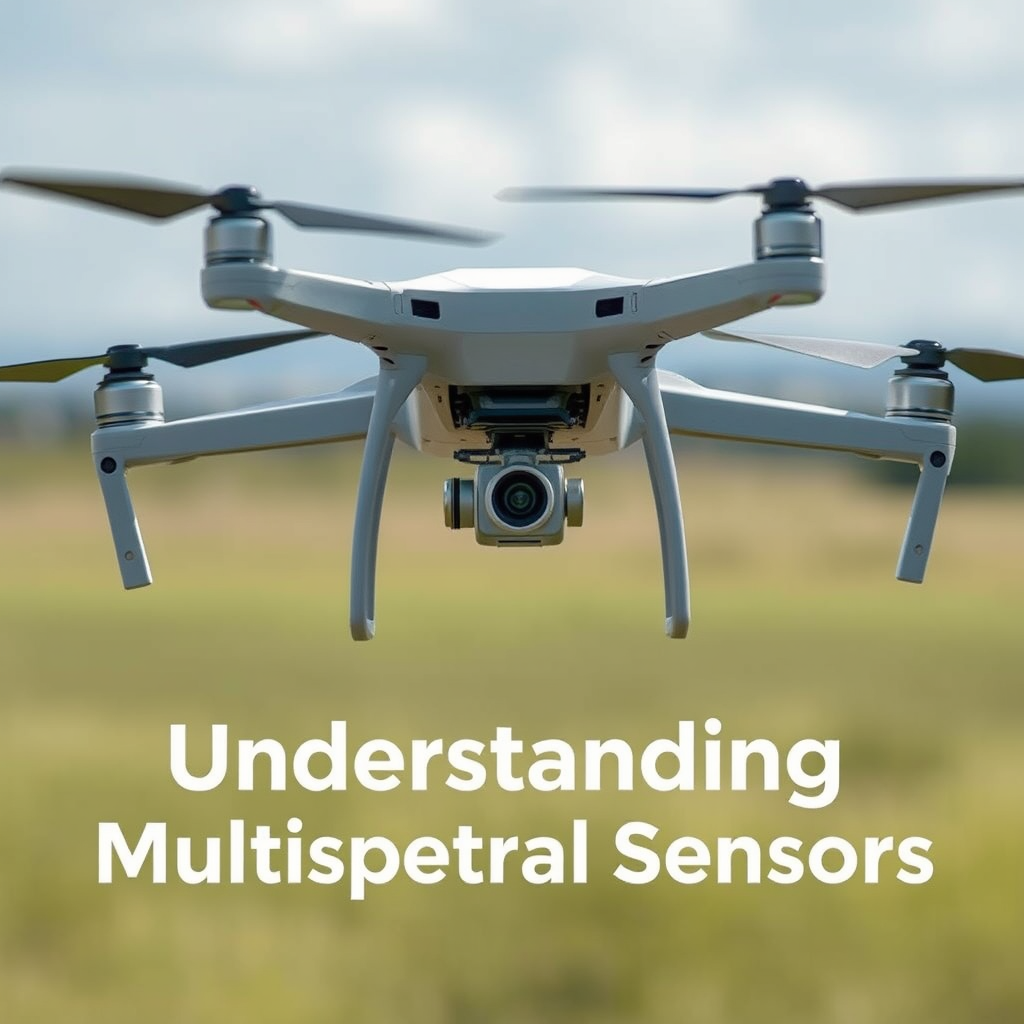
Multispectral sensors are instruments designed to capture data across specific wavelength ranges that extend beyond the visible light spectrum, including near-infrared and ultraviolet wavelengths. Unlike standard cameras that only record light in the visible spectrum, multispectral sensors can detect features and variations that are otherwise imperceptible to the naked eye. This capability is particularly significant in agriculture, where the condition of crops can be assessed with high accuracy.
For instance, multispectral imagery can reveal the health of plants by analyzing their reflectance characteristics, which vary depending on factors such as chlorophyll content and moisture levels. Healthy vegetation reflects more near-infrared light compared to stressed vegetation, allowing farmers to identify issues related to plant health and environmental conditions. By capturing and analyzing this data, stakeholders can make informed decisions to enhance productivity and sustainability.
Applications in Agriculture
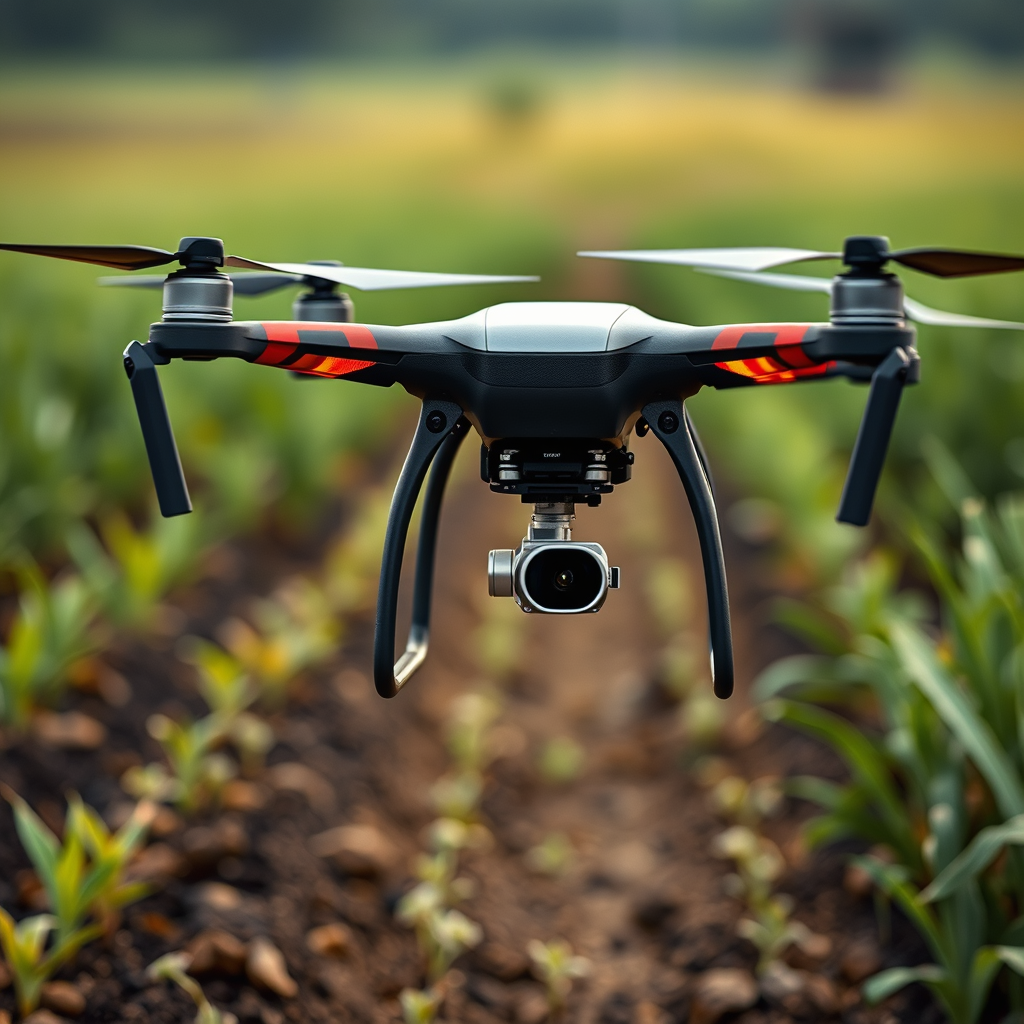
The agricultural sector has been one of the primary beneficiaries of drones equipped with multispectral sensors. Precision agriculture has emerged as a game-changing approach that allows farmers to monitor crop health in real-time and optimize resource usage. With the ability to analyze vast areas quickly, farmers can identify specific regions within their fields that may be suffering from nutrient deficiencies, pest infestations, or water stress.
For example, a farmer utilizing drones to survey a cornfield may discover that certain areas are experiencing nitrogen deficiency. By pinpointing the exact locations, the farmer can apply fertilizers selectively, reducing waste and improving yield. Furthermore, the data collected from multispectral sensors can help in planning irrigation schedules, thus conserving water resources. This targeted approach not only enhances crop health but also contributes to overall agricultural efficiency and sustainability.
Environmental Monitoring and Conservation
Beyond agriculture, multispectral sensors have vital applications in environmental monitoring and conservation efforts. These sensors are instrumental in tracking changes in land use, deforestation, and habitat destruction, providing crucial data that can be used to inform conservation strategies. For example, organizations involved in reforestation projects can utilize drone technology to assess the health of existing forests and monitor replanting efforts.
Moreover, multispectral sensors play a significant role in water quality monitoring. By detecting changes in reflectance signatures from water bodies, these sensors can identify pollutants and harmful algal blooms, offering valuable insights for environmental protection initiatives. For instance, a drone flying over a lake can reveal areas of contamination, triggering timely responses from environmental agencies to mitigate risks to local ecosystems and public health.
Infrastructure Inspection and Maintenance
Drones equipped with multispectral sensors also excel in infrastructure inspection and maintenance, providing a safer, more efficient alternative to traditional methods. For example, utilities can employ drones to inspect power lines and transmission towers, identifying potential issues such as wear and deterioration before they develop into critical failures. The ability to collect multispectral data allows inspectors to gain deeper insights into the structural integrity of these assets.
In addition, the use of drones significantly reduces the time and cost associated with manual inspections. A drone can cover extensive areas in a fraction of the time it would take a team of inspectors on foot, providing high-resolution imagery and data that can be analyzed for actionable insights. This proactive approach to infrastructure maintenance not only enhances safety but also extends the lifespan of critical assets.
Advantages Over Traditional Methods
The advantages of using drones with multispectral sensors over traditional surveying methods cannot be overstated. One of the most significant benefits is the reduction in time and costs associated with data collection. Traditional methods, such as ground surveys and manual inspections, often require extensive labor and time, while drones can capture vast amounts of data quickly and efficiently.
Furthermore, drones allow for frequent and detailed monitoring, enabling stakeholders to make timely decisions based on the most current information available. This capability is particularly crucial in dynamic environments, where conditions can change rapidly. For example, in agriculture, farmers can perform frequent aerial surveys to monitor crop health and respond rapidly to emerging issues, leading to better yields and reduced resource waste.
Challenges and Limitations
Despite their many advantages, the use of multispectral sensors on drones is not without challenges and limitations. One significant factor affecting data accuracy is atmospheric conditions. Weather-related issues such as cloud cover, humidity, and sunlight can interfere with the sensors’ performance, potentially leading to inaccurate readings. As a result, it is essential for operators to consider the timing of their flights to ensure optimal data collection.
Another barrier to widespread adoption is the need for skilled personnel to interpret the data collected by multispectral sensors. While the technology has advanced significantly, understanding the nuances of the data often requires expertise in remote sensing and data analysis. Organizations may need to invest in training or hire specialized personnel, which can pose additional challenges, especially for smaller firms.
Future Trends in Drone Technology
Looking ahead, the integration of artificial intelligence (AI) and machine learning (ML) is expected to enhance the capabilities of drones equipped with multispectral sensors significantly. These technologies can automate data analysis, allowing for faster and more accurate insights while reducing the reliance on skilled human analysts. As AI algorithms become more sophisticated, they will be able to identify patterns and anomalies in large datasets, leading to more informed decision-making across various sectors.
Moreover, advancements in battery life and sensor technology will expand the applications of drones, allowing them to operate for longer periods and capture higher-quality data. This evolution will enable more comprehensive monitoring and data collection efforts, further solidifying drones as indispensable tools in agriculture, environmental management, and infrastructure maintenance.
Drones with multispectral sensors are at the forefront of transforming how industries gather and analyze vital data. By leveraging these advanced technologies, stakeholders can make informed decisions that lead to improved outcomes across sectors. As the technology continues to evolve, organizations can explore innovative ways to implement these solutions, ensuring they remain competitive and responsive to the challenges of their respective fields.
Frequently Asked Questions
What are multispectral sensors and how do they work on drones?
Multispectral sensors are advanced imaging devices that capture data across multiple wavelengths of light, including visible and infrared spectrums. When mounted on drones, these sensors collect high-resolution images that can be processed to analyze vegetation health, soil moisture, and land use. By interpreting the reflected light from various surfaces, multispectral sensors enable precise agricultural management and environmental monitoring.
How are drones with multispectral sensors beneficial for agriculture?
Drones equipped with multispectral sensors provide farmers with invaluable insights into crop health by detecting stress, disease, and nutrient deficiencies early on. These sensors can identify variations in plant health by analyzing light reflectance, allowing for targeted interventions such as variable rate irrigation or fertilization. This technology ultimately leads to increased crop yields, reduced costs, and sustainable farming practices.
Why should I consider using drones with multispectral sensors in environmental monitoring?
Utilizing drones with multispectral sensors in environmental monitoring offers several advantages, including cost-effectiveness, efficiency, and the ability to collect large amounts of data over extensive areas rapidly. These drones can monitor changes in land use, track deforestation, and assess water quality by capturing multispectral imagery. This information is crucial for researchers and policymakers aiming to make informed decisions regarding conservation and resource management.
What industries can benefit from using drones with multispectral sensors?
Several industries can leverage drones with multispectral sensors, including agriculture, forestry, mining, and environmental management. In agriculture, they enhance precision farming; in forestry, they aid in biomass estimation and forest health assessment; and in mining, they assist in resource mapping and monitoring site rehabilitation. The versatility of multispectral imaging makes it a valuable tool across various sectors concerned with land management and resource optimization.
Which factors should I consider when choosing a drone with multispectral sensors?
When selecting a drone with multispectral sensors, consider factors such as the sensor’s spectral range, resolution, and the drone’s flight time and payload capacity. Additionally, evaluate the software compatibility for data processing and analysis, as well as the ease of use for your specific applications. Ensuring that the drone meets your operational requirements will enhance data accuracy and improve overall effectiveness in your projects.
References
- Multispectral imaging
- https://www.nasa.gov/feature/nasa-drones-and-multispectral-sensors
- https://www.sciencedirect.com/science/article/pii/S0924271620302030
- https://www.mdpi.com/2072-4292/11/15/1712
- https://www.usgs.gov/special-topic/water-science-school/science/multispectral-remote-sensing
- Frontiers | Estimating Late 19th Century Hydrology in the Greater Everglades Ecosystem: An Integr…
- https://www.nsf.gov/news/special_reports/drones/
- Policy Document Library | Federal Aviation Administration
- https://www.researchgate.net/publication/327964040_Application_of_multispectral_imaging_technology_in_drones_for_agricultural_monitoring
