
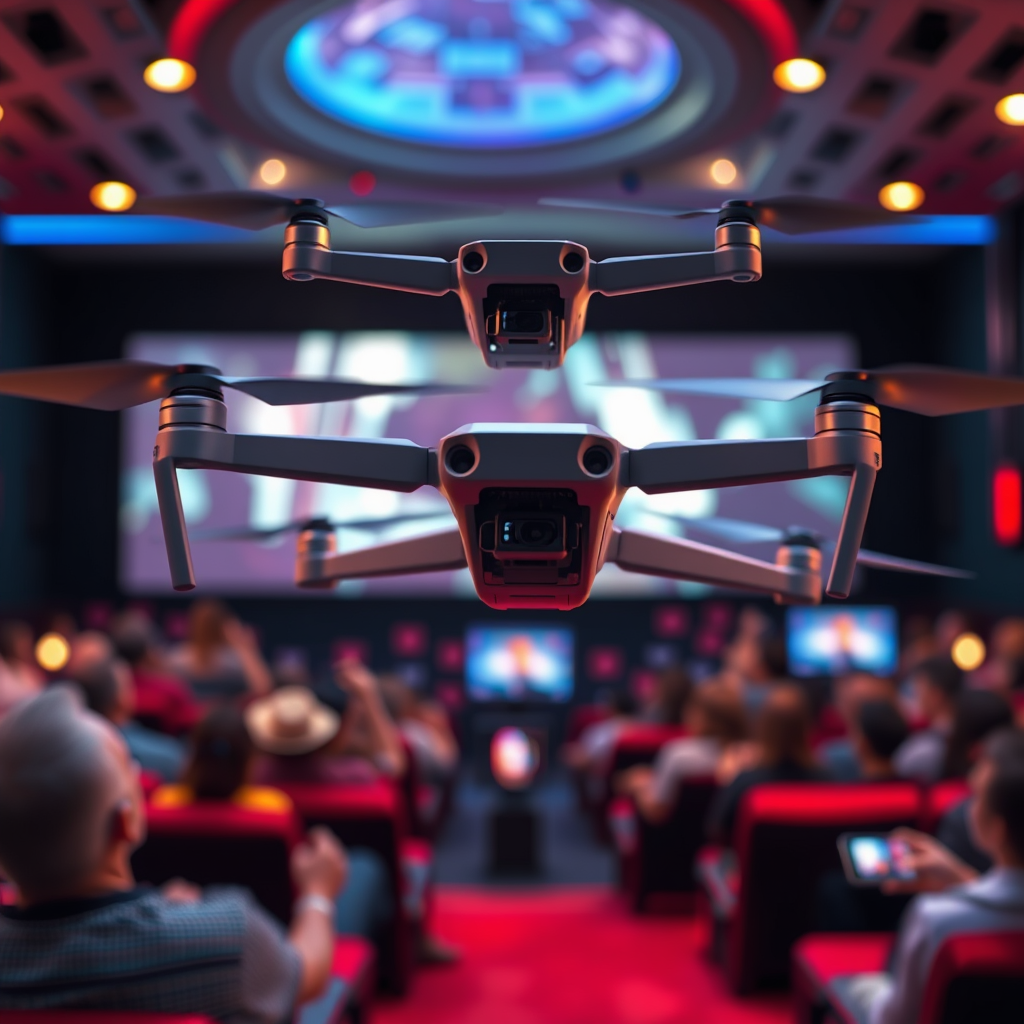
DJI drones can typically fly between 2.5 to 8 miles (4 to 13 kilometers) depending on the model and conditions. This impressive range is influenced by various factors including battery life, environmental conditions, and regulatory restrictions. In this article, we will explore the specifics of DJI drone flight distances and what influences these capabilities, providing you with essential insights for maximizing your aerial adventures.
Understanding DJI Drone Models
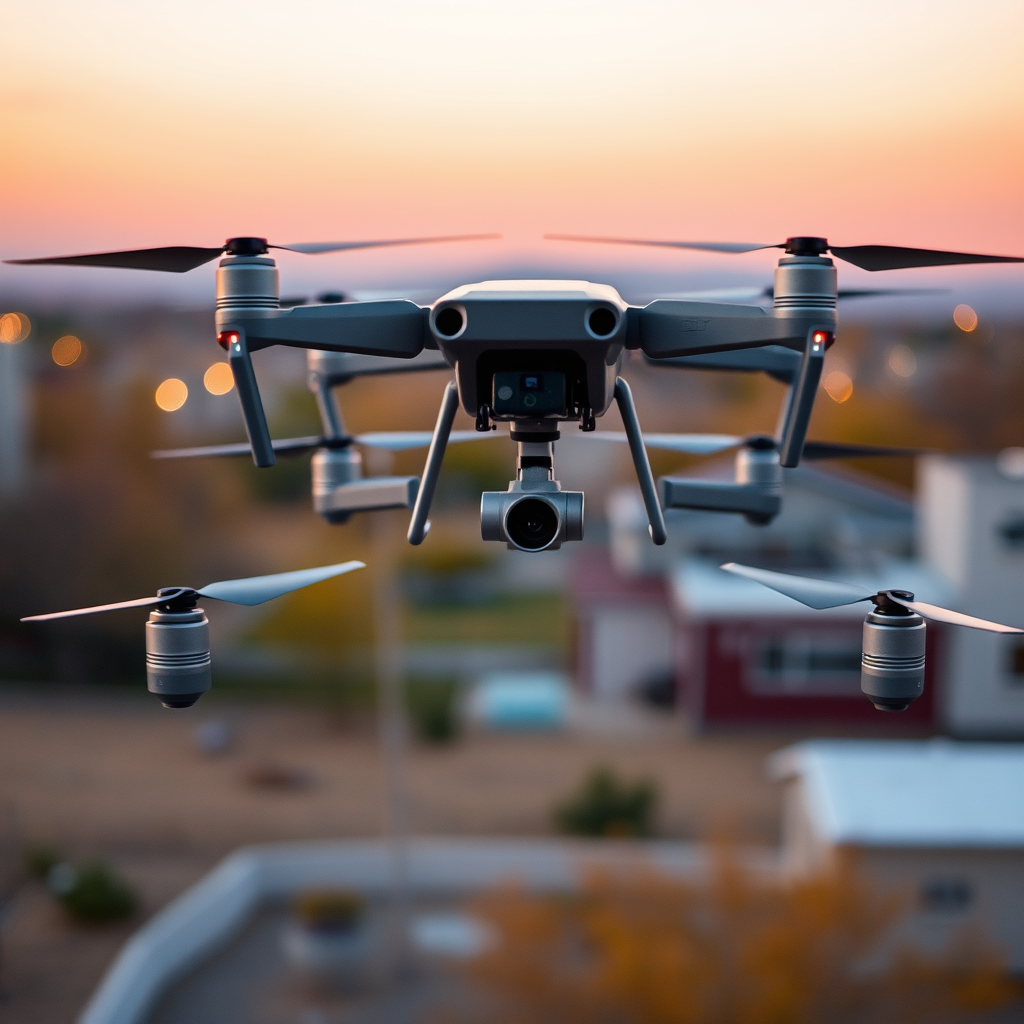
The flight range of a DJI drone is heavily contingent upon its model. DJI offers a variety of drones, each designed with distinct specifications tailored to different user needs. For instance, the DJI Mavic series, which includes models such as the Mavic Air 2 and Mavic 3, is known for its portability and advanced features, boasting flight ranges that can reach up to 9 miles (15 kilometers) under optimal conditions. In contrast, the DJI Phantom series, particularly the Phantom 4 Pro, also offers impressive flight ranges, typically around 3.1 miles (5 kilometers) but is favored for its stability and camera quality rather than extreme distance.
Moreover, the introduction of newer models often includes enhancements in technology that improve the maximum flight distance. For instance, DJI’s latest drones employ advanced transmission systems, such as OcuSync 3.0, which enhances signal transmission capabilities, allowing for longer distances. Understanding the specifications of each model is crucial for users aiming to select a drone that meets their specific flying distance requirements.
Factors Affecting Flight Distance
Several factors can significantly affect how far a DJI drone can fly, with battery life being one of the most critical. The capacity of the drone’s battery, typically measured in milliamp hours (mAh), directly correlates to its flight duration and distance. A higher capacity battery allows for longer flight times, thus enabling greater distances. Additionally, the health of the battery plays a role; older or poorly maintained batteries may not deliver optimal performance, resulting in reduced flight range.
Environmental conditions are another vital influence on flight distance. Wind speed and direction can create resistance, making it more challenging for a drone to achieve its maximum range. For example, flying against strong winds can significantly shorten the distance a drone can cover. Similarly, extreme temperatures can impact battery efficiency, with colder conditions often leading to decreased battery life. Obstacles such as tall buildings or dense forests can also interfere with the drone’s ability to maintain a strong connection with its remote control, potentially limiting its effective flight range.
Regulatory Limitations
Regulatory restrictions are an essential consideration for drone pilots when planning flights. Many regions impose legal maximum flight distances, often limiting how far a drone can fly from the operator. In the United States, for example, the Federal Aviation Administration (FAA) requires that drone pilots maintain visual line of sight with their aircraft, generally restricting flights to within a few miles of their location.
Furthermore, no-fly zones, such as areas around airports, military bases, and certain urban environments, can significantly influence overall flight capabilities. These regulations are designed to ensure safety and privacy, and they necessitate that drone operators familiarize themselves with local laws before taking flight. Understanding these limitations is paramount, as flying in restricted areas can lead to legal consequences and safety hazards.
Signal and Connectivity
The connection between the drone and its remote controller is crucial for maximizing flight distance. DJI drones utilize advanced transmission systems that allow for stable communication over extended ranges. For instance, the Mavic 3 can achieve a transmission distance of up to 15 kilometers in optimal conditions, thanks to its OcuSync 3.0 technology. However, factors such as physical barriers, including buildings and trees, can disrupt the signal, leading to potential loss of control or reduced flight range.
Interference from other electronic devices can also pose a challenge. Drones equipped with higher frequency bands may experience disruptions from Wi-Fi networks or other devices operating on similar frequencies. Pilots should be mindful of their surroundings and try to minimize interference when planning flights to ensure reliable connectivity.
Tips to Maximize Flight Distance
To get the most out of your DJI drone’s flight capabilities, pre-flight planning is essential. This includes conducting a thorough check of the drone’s battery, ensuring that it is fully charged and in good health. It is also wise to plan your flight path, taking into consideration environmental factors such as wind direction and obstacles that may impede flight.
Battery maintenance cannot be overlooked either. Regularly checking battery health, ensuring proper storage, and adhering to charging guidelines can significantly enhance performance. Pilots should also consider flying during optimal weather conditions, avoiding high winds and extreme temperatures whenever possible.
Additionally, utilizing flight modes that optimize battery usage can extend flight times. For instance, certain DJI drones offer a “Sport Mode” that allows for faster speeds but consumes more battery. Conversely, using a “Tripod Mode” can conserve battery by limiting speed and altitude, which can be beneficial when flying longer distances.
Real-World Examples
User experiences provide valuable insights into the practical limitations and capabilities of DJI drones. Many drone pilots report successfully achieving flight distances close to the maximum range specified by the manufacturer under ideal conditions. For example, a user flying a Mavic 3 in an open area with minimal wind and no obstacles reported a flight distance of about 12 kilometers, showcasing the drone’s capabilities when all factors align favorably.
A comparative analysis reveals that while DJI drones often lead the market in terms of flight distance, other brands like Autel Robotics and Skydio also offer competitive models. However, DJI’s integration of technology, such as advanced transmission systems and robust battery management, often gives it an edge in practical applications, making it a preferred choice for both amateur and professional drone users.
In conclusion, the distance a DJI drone can fly is influenced by multiple factors including model specifications, environmental conditions, and regulatory guidelines. Understanding these elements can help you maximize your drone’s potential. For those interested in exploring drone flying, consider these insights for your next flight adventure, ensuring you are well-prepared to take full advantage of your drone’s capabilities while adhering to safety and legal requirements.
Frequently Asked Questions
How far can a DJI drone fly on a single charge?
The flight distance of a DJI drone on a single charge can vary significantly depending on the model. For example, the DJI Mavic Air 2 can fly up to 10 kilometers (6.2 miles) under optimal conditions, while the DJI Mini 2 offers a range of approximately 10 kilometers as well. Factors such as wind conditions, battery health, and payload affect the actual distance, so it’s essential to consider these variables when planning your flight.
What factors affect the flying range of a DJI drone?
Several factors influence how far a DJI drone can fly, including signal strength, battery capacity, environmental conditions, and drone model specifications. For instance, obstacles like buildings and trees can degrade the control signal, leading to reduced range. Additionally, colder temperatures can affect battery performance, resulting in shorter flight distances.
Why do some DJI drones have a shorter flight distance than others?
The flight distance of DJI drones varies due to differences in design, battery size, and transmission technology. High-end models like the DJI Mavic 3 feature advanced OcuSync technology that enhances signal range and stability, allowing for longer distances. Conversely, entry-level models may use less sophisticated technology, leading to shorter maximum ranges, which is crucial for users to consider based on their needs.
Which DJI drone has the longest flying range?
Currently, the DJI Mavic 3 boasts one of the longest flying ranges among consumer drones, with a maximum distance of up to 15 kilometers (9.3 miles) in optimal conditions. This impressive range is attributed to its advanced transmission system and robust battery life, making it an ideal choice for professional photographers and videographers looking for extended flight capabilities.
How can I maximize the flying distance of my DJI drone?
To maximize the flying distance of your DJI drone, ensure that you fly in open areas free from obstacles and interference, as these can disrupt the signal. Additionally, keep your drone’s firmware updated and monitor battery health to ensure optimal performance. Flying during favorable weather conditions, such as calm winds and moderate temperatures, can also help you achieve the best possible range.
References
- https://en.wikipedia.org/wiki/Drone#Range
- https://www.faa.gov/uas/getting_started/part_107/
- https://www.dji.com/uk/fly-safe/geo-map
- https://www.theverge.com/2020/10/1/21497223/dji-mavic-air-2-review-flight-time-range-camera
- https://www.techradar.com/news/the-best-drones
- https://www.nasa.gov/centers/dryden/pdf/80219.pdf
- https://www.forbes.com/sites/bernardmarr/2019/06/17/how-far-can-drones-fly/
- https://www.sciencedirect.com/science/article/pii/S2213138816300193
