
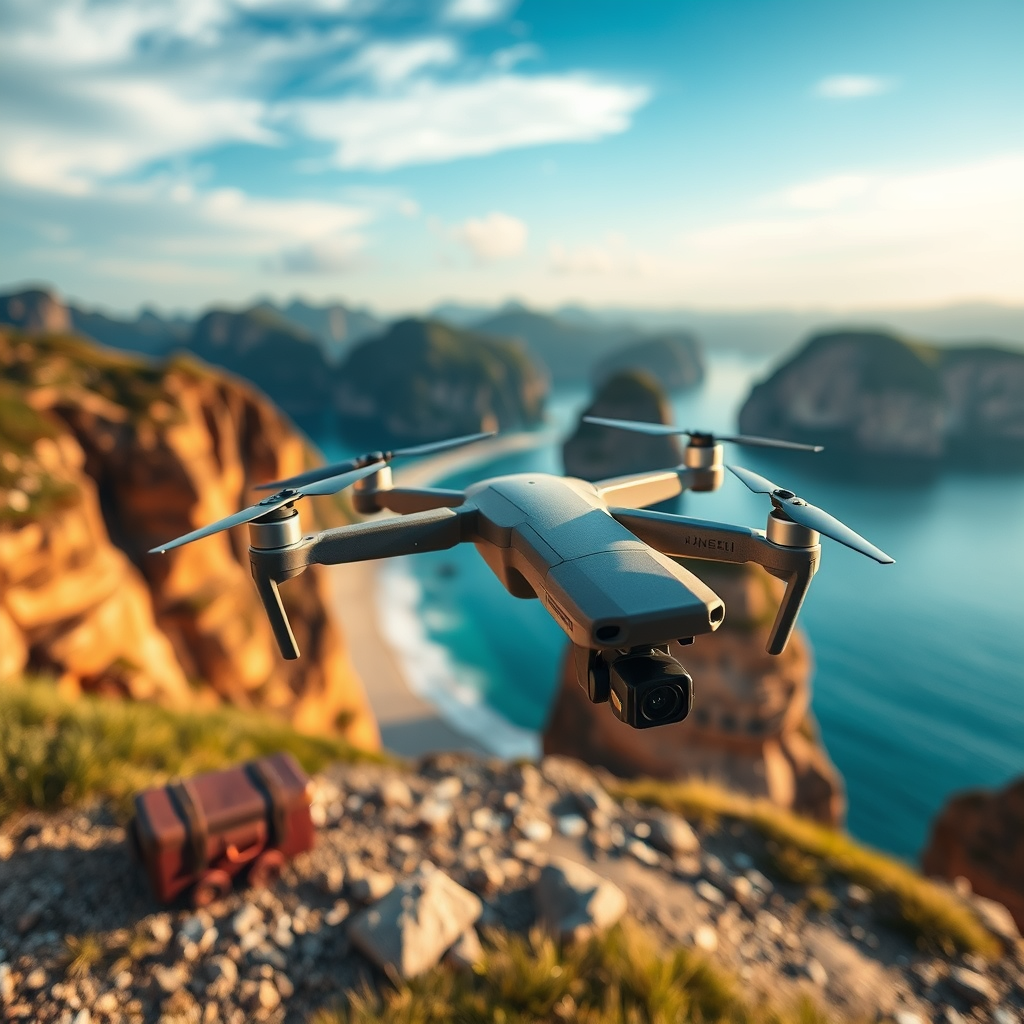
DJI drones can typically travel distances ranging from 3 to 10 miles, depending on the model and environmental conditions. Understanding the factors that influence a drone’s range will help you maximize its capabilities and plan your flights more effectively. In this article, we will delve into the specifications of various DJI models, the environmental factors that impact flight distance, the technology powering these drones, the legal aspects governing drone flight, best practices for maximizing distance, and tips for effective flight planning.
Understanding Drone Range Specifications
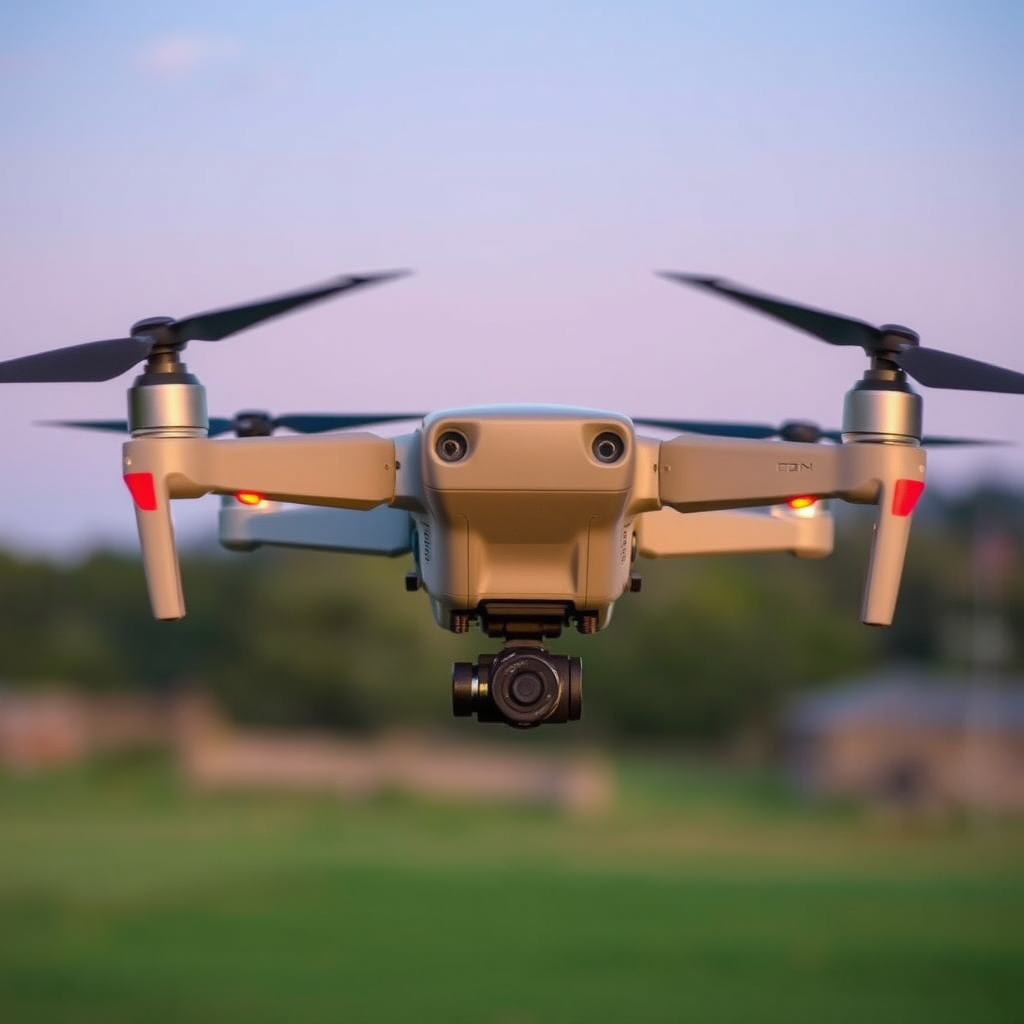
Different DJI models have varying ranges, which are crucial for users to consider when selecting a drone for their specific needs. For instance, the DJI Mavic Mini has a maximum range of approximately 4 kilometers (about 2.5 miles), making it suitable for casual users and hobbyists. In contrast, the Mavic Air 2 boasts an impressive range of up to 10 kilometers (approximately 6.2 miles), appealing to more advanced users and professionals who require extended flight capabilities.
The range is influenced by several design factors, including the drone’s aerodynamic profile, battery life, and the transmission technology employed. For example, the larger battery capacity in the Mavic Air 2 not only supports longer flight times but also enhances the drone’s ability to maintain a stable connection over greater distances. Thus, understanding these specifications can significantly influence a user’s experience and the effectiveness of their drone for various applications.
Factors Affecting Flight Distance
When planning drone flights, it is essential to consider environmental conditions that can significantly impact range. Factors such as wind speed, temperature, and physical obstacles like buildings and trees can pose challenges. High wind speeds can cause a drone to consume more battery power as it works harder to maintain its position, thereby reducing the effective flight distance.
Additionally, interference from electronic devices or other wireless signals can disrupt the connection between the drone and its controller, leading to a diminished range. The health and charge level of the drone’s battery are also crucial; as the battery depletes, the maximum distance achievable will decrease. Regularly monitoring battery health and ensuring a full charge before flight can mitigate these issues and enhance overall flight performance.
Transmission Technology and Range
DJI drones leverage advanced transmission systems, such as OcuSync and Lightbridge, which significantly enhance range and signal stability. OcuSync, for instance, allows for a strong connection over longer distances by automatically switching between 2.4 GHz and 5.8 GHz frequencies to avoid interference. This technology not only increases the maximum transmission distance but also improves live video streaming quality, providing users with a more immersive flying experience.
The type of controller used can also play a pivotal role in determining the maximum distance achievable. For example, the DJI Smart Controller is equipped with a built-in display and advanced transmission technology, enabling longer distances and better signal quality compared to standard controllers. Understanding these technological advancements allows users to select the right equipment for their flight needs, maximizing their drone’s potential.
Legal Restrictions on Drone Flight
It is imperative for drone operators to be aware of the legal restrictions governing drone flight, as different countries and regions have specific regulations that may limit how far and where you can fly your drone. For instance, in the United States, the Federal Aviation Administration (FAA) mandates that recreational drone pilots must fly within visual line-of-sight and adhere to altitude limitations, which may restrict the practical distance a drone can be flown.
In Europe, the European Union Aviation Safety Agency (EASA) has established regulations requiring drone operators to register their drones and adhere to specific guidelines based on the drone’s weight and intended use. Always checking local laws and regulations is vital to avoid penalties and ensure safe operation, as ignorance of the law can lead to significant fines or even loss of your drone.
Best Practices for Maximizing Distance
To maximize the distance your DJI drone can travel, it is essential to adopt best practices during flight. Firstly, flying in open areas, away from tall structures and dense vegetation, can help minimize signal interference. This is particularly important in urban environments, where obstacles can disrupt the connection between the drone and its controller.
Additionally, ensuring that your drone has a fully charged battery before flight is crucial. Monitoring battery health and carrying spare batteries can provide peace of mind and prevent unexpected interruptions during your flight. Regularly updating your drone’s firmware can also optimize performance and enhance flight capabilities, allowing you to get the most out of your equipment.
Tips for Planning Your Flight
Effective flight planning can drastically improve the flying experience and help ensure optimal range. Pre-planning your route allows you to understand your drone’s limitations and avoid potential signal loss. Tools such as DJI’s Fly app can assist in mapping out flight paths while providing real-time data about battery status, signal strength, and distance traveled.
Using apps or flight planning tools that assist in tracking your drone’s range can also be beneficial. These applications often include features that allow you to set geofencing parameters, which can help prevent your drone from flying beyond a defined area. By leveraging technology in your planning process, you can ensure a successful and enjoyable flight.
In summary, understanding how far a DJI drone can go involves considering the specific model, environmental factors, and legal regulations. By following best practices and planning your flights carefully, you can unlock the full potential of your drone. Awareness of the drone’s specifications, the impact of external conditions, and adherence to regulations will not only enhance your flying experience but also contribute to the responsible use of drone technology. Happy flying!
Frequently Asked Questions
How far can a DJI drone fly on a single battery charge?
The flight range of a DJI drone on a single battery charge varies by model. For instance, the DJI Mavic Air 2 can fly up to 10 kilometers (6.2 miles) under optimal conditions, while the DJI Mini 2 has a maximum range of approximately 10 kilometers as well. Factors such as battery life, altitude, weather conditions, and interference can significantly affect the actual distance flown.
What factors affect the range of a DJI drone during flight?
Several factors influence a DJI drone’s range, including the specific model, the environment, and the flight conditions. Interference from buildings, trees, and other obstacles can reduce signal strength and limit distance. Additionally, weather conditions like wind and temperature can impact battery performance and overall range, so it’s essential to consider these elements before flying.
Why do DJI drones have a maximum flight range?
DJI drones have a maximum flight range primarily due to regulatory compliance and safety considerations. The Federal Aviation Administration (FAA) and other aviation authorities impose flight restrictions to ensure safe operation within controlled airspace. Furthermore, the maximum range also helps prevent loss of signal, which can lead to accidents or crashes if the drone loses connection with the remote controller.
Which DJI drone has the longest flight range?
As of October 2023, the DJI Mavic 3 is known for having one of the longest flight ranges, capable of flying up to 15 kilometers (9.3 miles) in ideal conditions. This impressive range, combined with its advanced obstacle avoidance and intelligent flight features, makes it an excellent choice for professional photographers and enthusiasts looking for extended flight capabilities.
How can I extend the range of my DJI drone during flight?
To extend the range of your DJI drone, consider flying in open areas away from obstacles and interference, as this can enhance signal reception and overall performance. Additionally, ensuring your drone’s firmware is up to date and using high-quality batteries can help maximize flight time and distance. Lastly, flying during calm weather conditions and at optimal altitudes can further improve your drone’s range.
References
- https://en.wikipedia.org/wiki/Drone
- https://www.faa.gov/uas/getting_started/part_107/
- https://www.reuters.com/technology/dji-launches-new-drone-2023-01-05/
- https://www.techradar.com/news/how-long-can-drones-fly
- https://www.wired.com/story/dji-drone-range-battery-life/
- https://www.sciencedirect.com/science/article/pii/S2351978921000168
- https://www.nytimes.com/2020/01/15/technology/dji-drone.html
