
DJI FPV drones can typically fly up to 10 kilometers (approximately 6.2 miles) under optimal conditions. However, various factors such as battery life, weather conditions, and local regulations can significantly impact this range. In this article, we’ll explore the capabilities of DJI FPV drones, the factors influencing their flight range, and tips for maximizing distance during your flight.
Understanding DJI FPV Drone Specifications
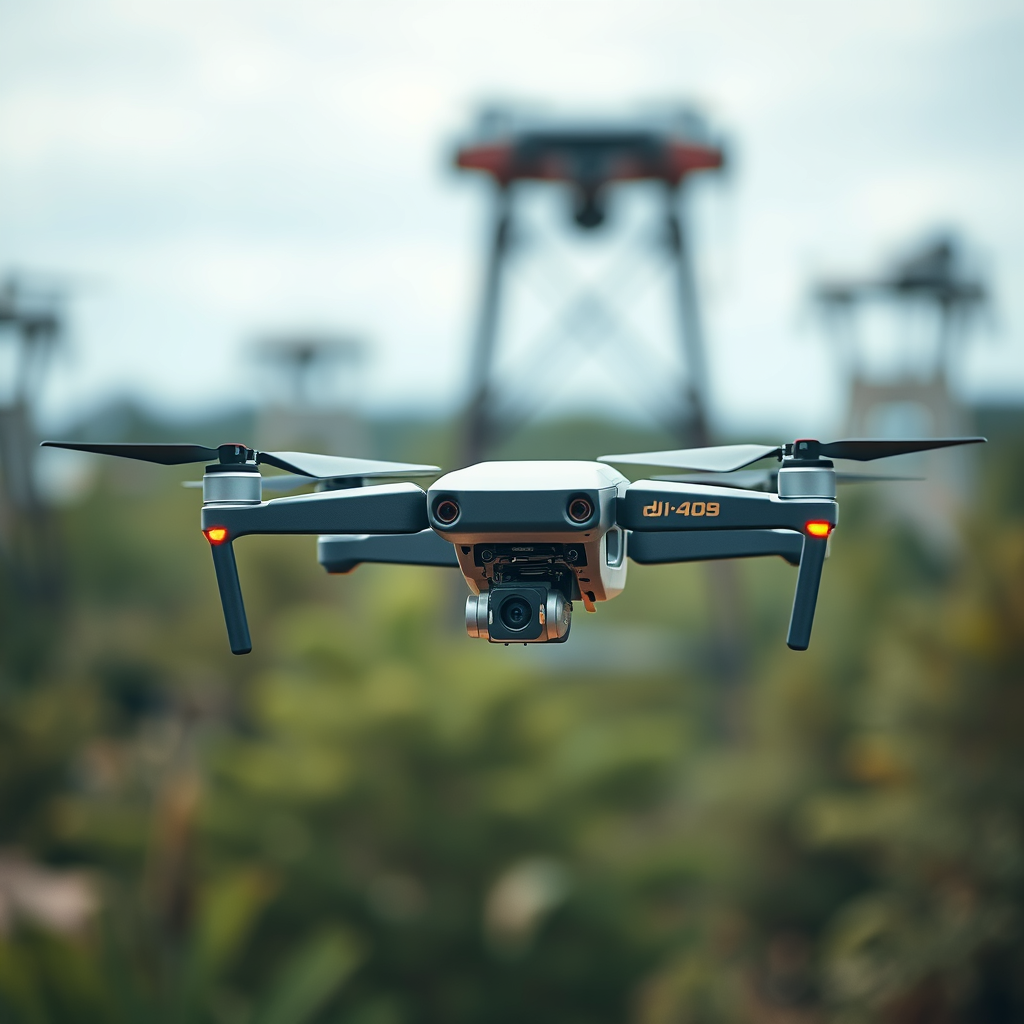
DJI offers a range of FPV drone models, each with unique specifications designed for different user needs. The most prominent model, the DJI FPV, features a maximum flight range of up to 10 kilometers, thanks to its OcuSync 3.0 transmission system. This system allows for high-definition video transmission and low-latency control, essential for immersive first-person view (FPV) flying.
In terms of specifications, the DJI FPV drone is equipped with a powerful 4K camera that can shoot at 60 frames per second and features a 150° super-wide field of view. Its maximum speed is around 140 km/h (approximately 87 mph), making it one of the fastest FPV drones available. When comparing this to the DJI Air 2S, which has a maximum range of 18 kilometers, the FPV drone is specifically designed for short-range, high-speed racing and cinematic experiences rather than long-distance photography or surveying.
Additionally, the DJI FPV has a flight time of approximately 20 minutes under optimal conditions, but this can vary significantly based on flying style, payload, and environmental factors. Understanding these specifications is crucial for any user looking to maximize their drone’s capabilities.
Factors Affecting Flight Range
Several environmental factors can greatly influence the flight range of DJI FPV drones. Wind conditions are a primary concern; strong winds can reduce flight distance and battery life as the drone works harder to maintain stability. Similarly, temperature plays a role, as cold weather can negatively affect battery performance, leading to shorter flight times.
Obstacles such as buildings, trees, and other structures can also impact the range. A congested area may lead to signal interference, which can limit the drone’s operational distance. Maintaining a clear line of sight is crucial to ensure that the drone can communicate effectively with the remote controller and maintain its maximum range.
Battery life is another critical factor. The health and age of the battery significantly impact how far the drone can fly. Regularly checking the battery status and ensuring it is fully charged before flight can help maximize distance. Users should also be aware of the battery’s discharge rates under various conditions, as more aggressive flying can deplete battery life more quickly.
Legal Restrictions on Drone Flying Distance
When operating a DJI FPV drone, it is essential to be aware of local and federal regulations regarding drone flight. In many jurisdictions, there are restrictions on the maximum altitude and distance a drone can fly from the operator. For instance, the FAA (Federal Aviation Administration) in the United States mandates that drones must remain within the visual line of sight of the operator at all times, which can limit the effective range of your drone.
Understanding airspace classifications is crucial as well. Certain areas, such as near airports or military bases, are designated as no-fly zones. These restrictions are in place for safety and security reasons and can lead to penalties if violated. Therefore, it is advisable to consult resources such as the FAA’s B4UFLY app or similar tools in your region to ensure compliance with all regulations before flying your drone.
Tips for Maximizing Your Drone’s Flight Distance
To harness the full potential of your DJI FPV drone, consider implementing the following tips to maximize flight distance:
1. Optimize Battery Life: Start with a fully charged battery and consider reducing weight by removing unnecessary attachments. Avoid aggressive flying and make smooth maneuvers to conserve battery power.
2. Adjust Settings: Utilize the drone’s settings to optimize performance. Flying in ‘N’ mode rather than ‘S’ mode may provide a more balanced flight experience, conserving battery life while still allowing for impressive speeds.
3. Pre-Flight Planning: Plan your flight path in advance to avoid obstacles and minimize the risk of signal interference. Utilizing a map to identify potential hazards can help ensure a smooth flight.
4. Flight Conditions: Choose optimal weather conditions for flying, ideally on calm, clear days. Flying during times of low wind can significantly enhance performance and range.
5. Firmware Updates: Ensure that your drone’s firmware is up to date. Manufacturers like DJI frequently release updates that enhance performance and address any known issues.
Maintaining Your DJI FPV Drone for Optimal Performance
Regular maintenance is crucial for ensuring the optimal performance and longevity of your DJI FPV drone. Here are some key maintenance tips:
1. Routine Inspections: Regularly inspect your drone for any signs of damage or wear, including the propellers, motors, and camera. Addressing these issues promptly can prevent further damage and ensure safety during flight.
2. Battery Care: Properly store and maintain your batteries, ensuring they are charged correctly and not left in a discharged state for extended periods. Utilize storage modes if available, especially during long periods of inactivity.
3. Cleaning: Keep your drone clean from dirt, debris, and moisture. Regularly wipe down the camera lens, propellers, and body to ensure optimal performance and image quality.
4. Firmware and Software Updates: Regularly check for and apply firmware updates to your drone and remote controller. These updates often include performance improvements and new features that can enhance your flying experience.
Real-World Flight Distance Experiences
Many drone enthusiasts and professionals have shared their experiences regarding the flight distance of DJI FPV drones. For instance, some users report achieving distances close to the maximum range of 10 kilometers by flying in open areas with minimal obstacles and favorable weather conditions. Others have encountered challenges due to urban environments, where interference and obstacles drastically reduced their effective range.
Case studies of successful long-distance flights often highlight the importance of pre-flight planning and environmental awareness. For example, a professional filmmaker managed to capture stunning aerial footage over a vast landscape by strategically planning a flight path that utilized the drone’s maximum capabilities while adhering to legal regulations.
These real-world insights provide valuable lessons for both new and experienced drone operators, emphasizing the significance of preparation and environmental understanding in achieving successful long-distance flights.
In conclusion, while DJI FPV drones boast impressive flight capabilities, various factors can impact how far they can actually fly. Understanding these elements can help you make the most of your drone experience, ensuring compliance with regulations and enhancing your flying skills. By following the tips and guidelines discussed in this article, you can maximize your DJI FPV drone’s distance and enjoy the thrill of aerial exploration. Happy flying!
Frequently Asked Questions
How far can a DJI FPV drone fly on a single battery charge?
The DJI FPV drone can fly up to approximately 10 kilometers (6.2 miles) in optimal conditions on a single battery charge. However, the actual flight distance may vary based on factors such as wind conditions, obstacles, and the drone’s altitude. It’s essential to keep in mind that flying in areas with strong interference or flying at high speeds can reduce the effective range.
What factors affect the maximum flight distance of a DJI FPV drone?
Several factors can influence the maximum flight distance of a DJI FPV drone, including environmental conditions, battery health, and the presence of obstacles. For instance, flying in strong winds or in areas with dense trees or buildings can significantly reduce range. Additionally, the drone’s settings, such as video transmission frequency and flight mode, can also impact how far the drone can effectively fly.
Why is the DJI FPV drone’s range limited compared to other drones?
The DJI FPV drone’s range is limited primarily due to its design, which prioritizes speed and agility over long-distance flight capabilities. Unlike traditional drones that may have larger batteries for extended range, the FPV model is optimized for immersive flight experiences and quick maneuvers. This means it may not achieve the same maximum distance as other models that focus on endurance.
What is the best way to extend the flight range of a DJI FPV drone?
To extend the flight range of your DJI FPV drone, ensure you’re flying in optimal conditions, such as calm weather and open spaces with minimal interference. Additionally, consider using a high-quality, fully charged battery to maximize flight time. Regularly checking for firmware updates and adjusting settings for optimal performance can also help enhance your drone’s range.
Which DJI FPV drone models offer the best flight range?
The DJI FPV and the DJI Avata are the primary models in the FPV category, with the DJI FPV offering a maximum range of around 10 kilometers (6.2 miles). However, the range can be affected by various factors. For those looking for enhanced features, the DJI Avata also provides a balance of range and advanced safety features, making it a suitable choice for both new and experienced drone pilots looking for extended flight capabilities.
References
- https://en.wikipedia.org/wiki/Drone_flight_range
- https://www.faa.gov/uas/getting_started/part_107/
- https://www.reuters.com/technology/what-you-need-know-about-dji-fpv-drone-2021-03-02/
- https://www.theguardian.com/technology/2021/mar/02/dji-fpv-drone-review
- https://www.ncbi.nlm.nih.gov/pmc/articles/PMC7310848/
