
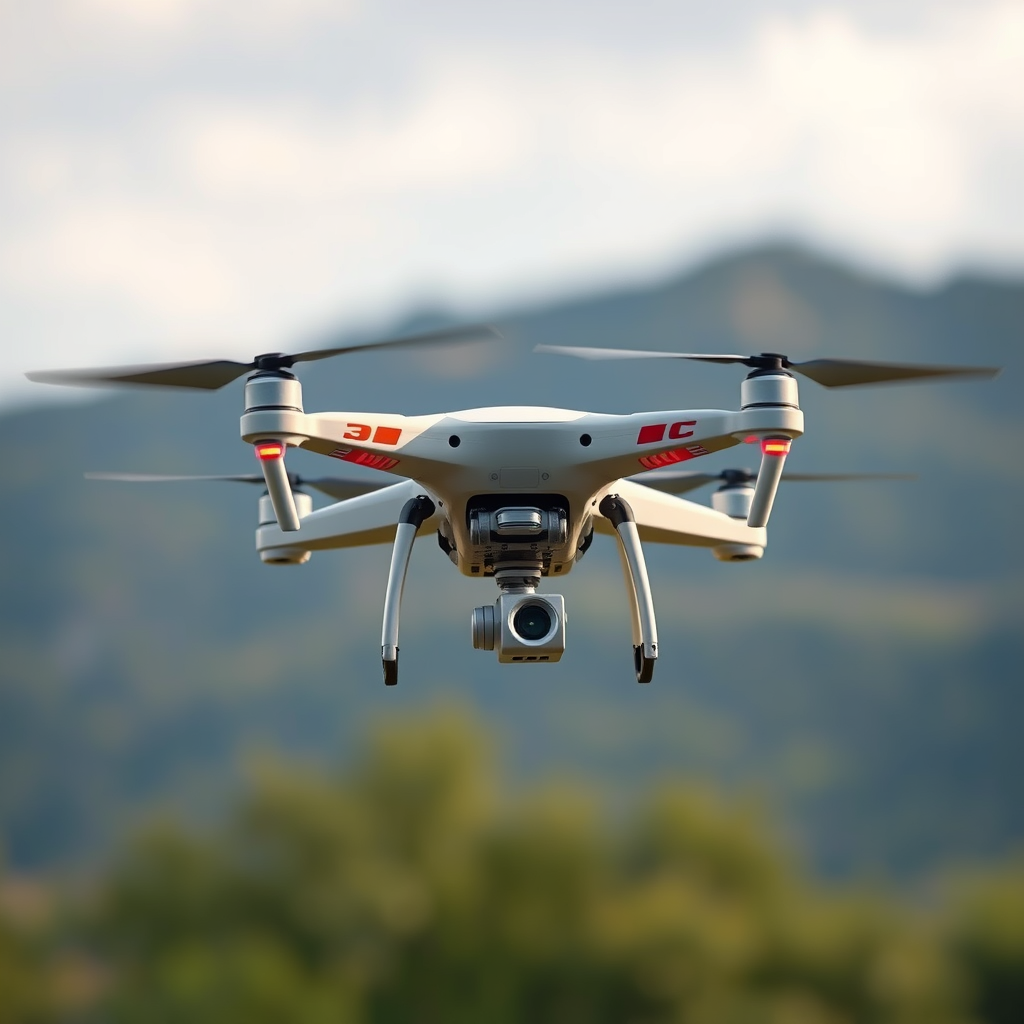
Drones can typically fly anywhere from a few hundred meters to several kilometers, depending on various factors including the model, battery life, and environmental conditions. Understanding how far a drone can go helps users optimize their flight experience and ensure compliance with regulations. This knowledge is crucial for both hobbyists and professionals who wish to harness the full potential of drone technology while navigating the complexities of flight limitations and legal frameworks.
Understanding Drone Range
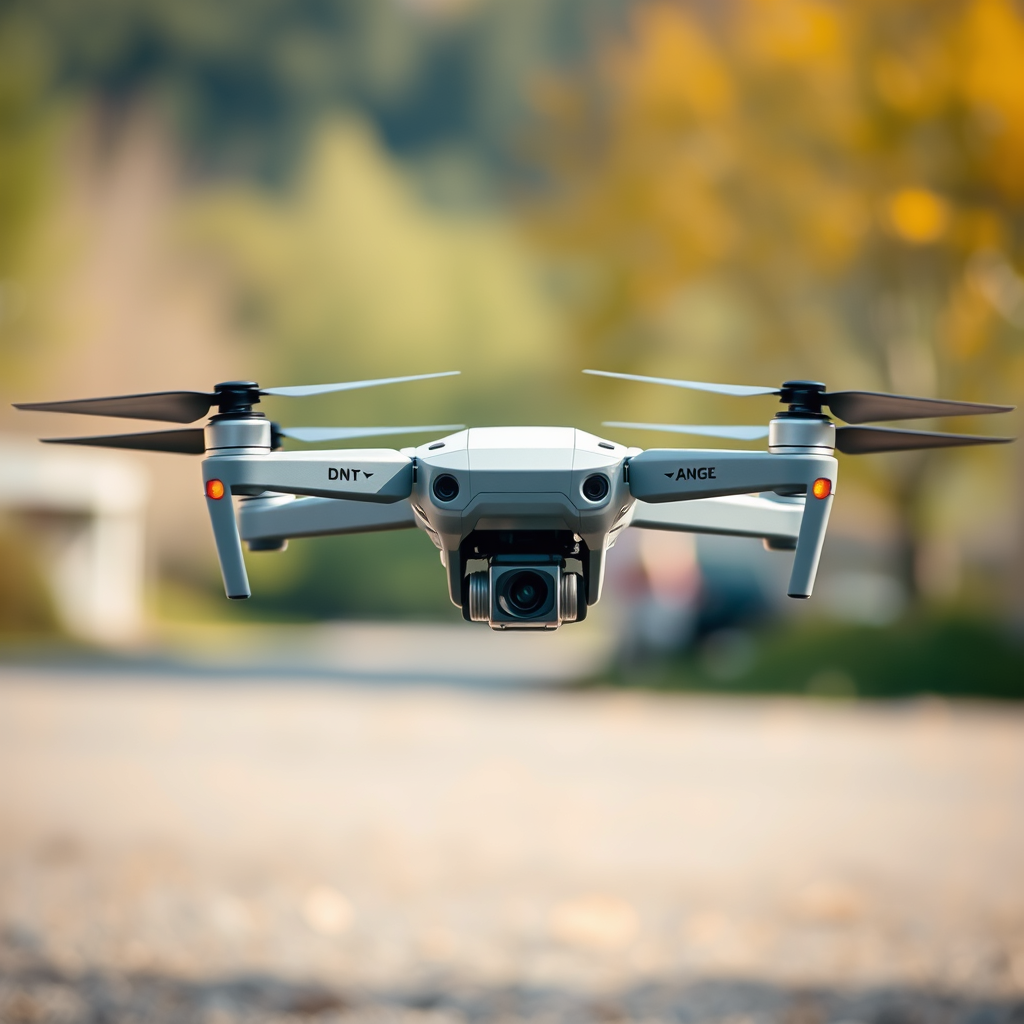
The range of a drone is fundamentally determined by its design and intended use. Most consumer drones, popular among hobbyists and casual users, generally have a range of about 1 to 7 kilometers. For instance, the DJI Mini 2 has a maximum range of approximately 10 kilometers under ideal conditions. In contrast, professional drones, often utilized in commercial applications such as surveying or aerial photography, can extend this range significantly—up to 10 kilometers or more. The DJI Matrice series, for example, is capable of reaching distances beyond 7 kilometers, making it a powerful tool for industries requiring extensive aerial data collection.
Understanding these ranges is not just about the distance a drone can cover; it also involves recognizing the operational limits imposed by various factors that may affect the actual achievable distance during a flight.
Factors Affecting Flight Distance
Several critical factors influence a drone’s flight distance, with battery life and environmental conditions being the most significant. The capacity of the battery directly correlates with the range. High-capacity batteries can provide longer flight times, but they also add weight, which may affect overall performance. For example, a drone equipped with a 5000mAh battery may be able to fly for 30 minutes or more, depending on its weight and energy consumption.
Environmental conditions play a pivotal role in determining how far a drone can travel. Wind can be both a friend and a foe—while a gentle breeze might aid flight, strong winds can hinder it, reducing effective range. Additionally, obstacles such as buildings, trees, and even signal interference from other electronic devices can impede the drone’s ability to maintain a stable connection with the remote control, limiting its operational range.
Types of Drones and Their Capabilities
Drones fall into various categories, each designed for specific uses, which significantly affects their capabilities. Consumer drones are primarily designed for recreational use, and they typically feature shorter ranges and simpler controls. Models like the DJI Mavic Air are perfect for casual users, offering a balance of performance and ease of use with a range of around 4 kilometers.
On the other hand, commercial drones are engineered for more demanding applications, such as aerial surveying, agriculture, or package delivery. These drones often come equipped with advanced technology, including enhanced signal transmission systems that allow them to maintain a stable connection over greater distances. For instance, the Wingcopter 178 can cover ranges of up to 100 kilometers, making it ideal for long-distance delivery services.
The choice of drone type should align with the intended application to ensure optimal performance and range.
Legal Restrictions on Drone Flight
While the technical capabilities of drones continue to advance, legal regulations often impose limitations on how far and where these devices can fly. In the United States, the Federal Aviation Administration (FAA) regulates drone use and generally requires that operators maintain visual line-of-sight with their aircraft, which often restricts flights to around 1-2 kilometers from the operator. Any flight beyond this distance typically requires special permissions and adherence to specific regulations.
Furthermore, local laws may impose additional restrictions based on geographical location, such as no-fly zones near airports, military bases, or populated urban areas. For instance, flying a drone in New York City is subject to stringent regulations, making it essential for operators to familiarize themselves with local legislation before taking to the skies.
Tips to Maximize Drone Range
To maximize the distance a drone can effectively fly, operators can implement several strategies. Utilizing high-gain antennas can significantly improve signal strength and extend the operational range. These antennas enhance the communication link between the drone and the remote controller, allowing for more stable flight at greater distances.
Planning flights during optimal weather conditions is also crucial. Calm days with minimal wind and clear skies reduce the risk of signal interference and allow for a smoother experience. Additionally, avoiding areas with many physical obstacles can help maintain a strong signal, enabling the drone to operate at its maximum range.
Operators should also consider flight planning apps that can provide insights into potential hazards or restricted areas, ensuring that flights remain compliant with regulations while optimizing range.
Maintenance for Optimal Performance
Regular maintenance is essential for ensuring a drone operates at peak performance and achieves maximum range. One of the most critical aspects of drone upkeep involves checking the battery health, as a degraded battery can significantly impact flight distance and duration. Operators should monitor battery cycles and replace them when they begin to show signs of diminished capacity.
Keeping the drone’s firmware updated is equally important, as manufacturers frequently release updates that enhance performance, improve range, and fix bugs. Regularly updating the firmware ensures that the drone remains compatible with the latest technology and regulations, fostering an optimal flying experience.
Additionally, conducting routine inspections of the drone’s physical components—such as propellers, motors, and sensors—will help identify potential issues before they affect performance.
Understanding how far a drone can fly and the factors influencing that distance is essential for maximizing its potential. Whether you are a hobbyist enjoying recreational flights or a professional utilizing drones for critical tasks, knowing these limits and strategies to extend them can significantly enhance your flying experience. Always remember to adhere to local regulations to ensure safe and enjoyable flights, paving the way for responsible drone operation in an increasingly regulated sky.
Frequently Asked Questions
How far can commercial drones typically fly?
Commercial drones generally have a maximum flight range of 3 to 5 miles, depending on their design and purpose. Factors such as battery life, payload weight, and environmental conditions can affect this range. For instance, drones used for aerial photography may have shorter ranges due to heavier cameras, while agricultural drones designed for surveying can often operate over longer distances.
What factors affect how far a drone can travel?
Several factors influence a drone’s travel distance, including battery life, signal strength, and environmental conditions. The type of drone plays a significant role; for example, racing drones are optimized for speed and agility but may have limited distance capabilities. Additionally, obstacles like buildings, trees, and interference from other electronic devices can reduce flight distance due to signal degradation.
Why is the range of a drone important to consider?
Understanding a drone’s range is crucial for planning effective flights, especially for commercial applications like surveying or delivery. If a drone exceeds its operational range, it may lose connection with the controller, risking loss or crash. Moreover, knowing the range allows operators to optimize battery usage and ensure the drone returns safely, which is vital for maintaining operational efficiency and minimizing costs.
What is the best drone for long-distance flying?
The best drones for long-distance flying typically include models like the DJI Mavic 3, which boasts a range of up to 9 miles, and the Autel Robotics EVO Lite+, which can reach up to 7 miles. These drones are equipped with advanced technology, including robust GPS systems and efficient battery management, making them suitable for applications that require extended flight ranges, such as agricultural monitoring and mapping.
Which regulations should I consider for flying drones far from home?
When flying drones beyond visual line of sight, it is essential to adhere to local regulations set by aviation authorities, such as the FAA in the United States. These regulations often require pilots to obtain a Remote Pilot Certificate and file for waivers if flying beyond the standard limits. Additionally, operators must ensure their drone is registered and follow airspace restrictions to maintain safety and legal compliance while flying long distances.
References
- https://en.wikipedia.org/wiki/Drone
- https://www.faa.gov/uas/getting_started/part_107
- https://www.nytimes.com/2021/02/02/technology/drone-delivery.html
- https://www.reuters.com/technology/us-drone-rules-2019-04-24/
- https://www.ncbi.nlm.nih.gov/pmc/articles/PMC7404969/
- https://www.aaaflightschool.com/drone-range-distance/
- https://www.wired.com/story/drone-range/
