
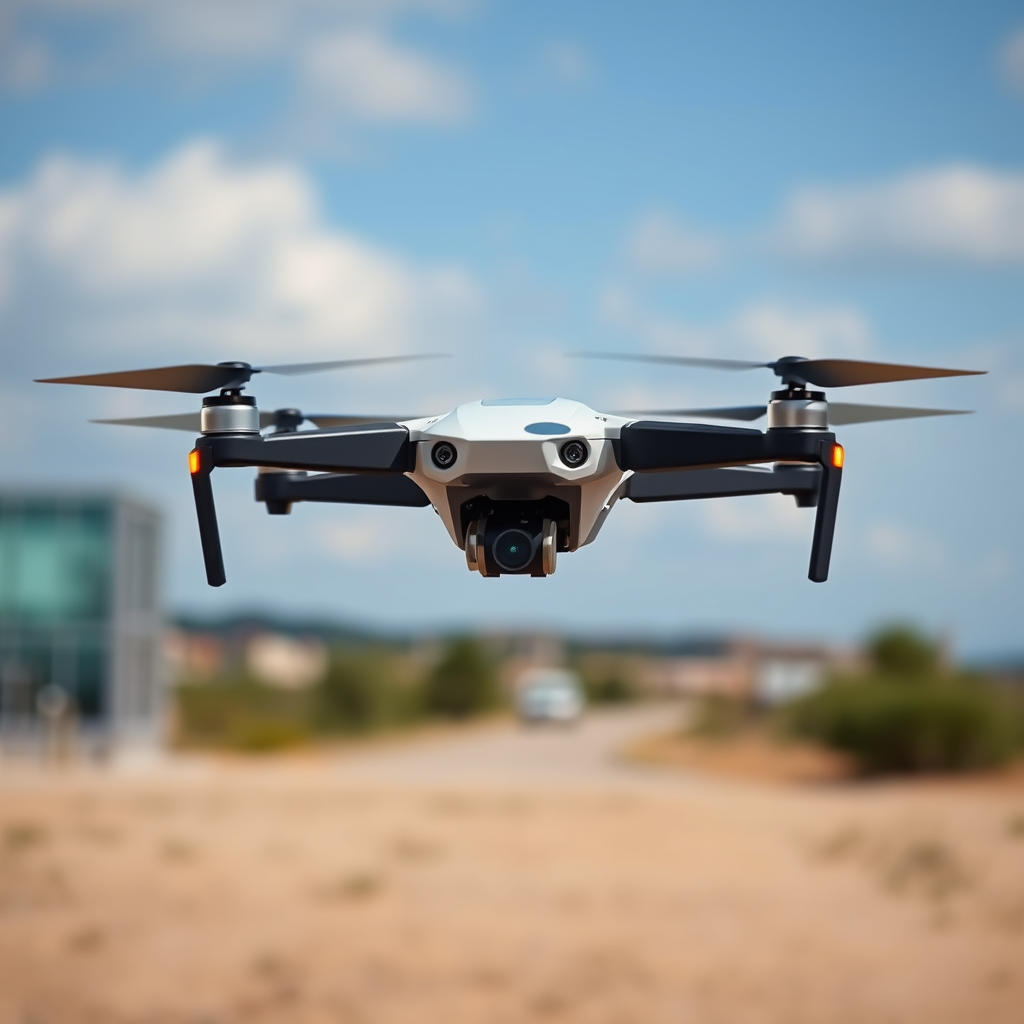
Parrot drones can typically fly distances of up to 1.2 miles (2 kilometers) depending on the model and environmental conditions. Understanding the factors that influence flight range can help you maximize your drone’s performance and ensure a better flying experience. This insight is essential for drone enthusiasts and professionals alike, as it allows users to plan their flights more effectively, taking into consideration the capabilities of their specific drone model and the conditions they will be flying in.
Understanding Parrot Drone Models
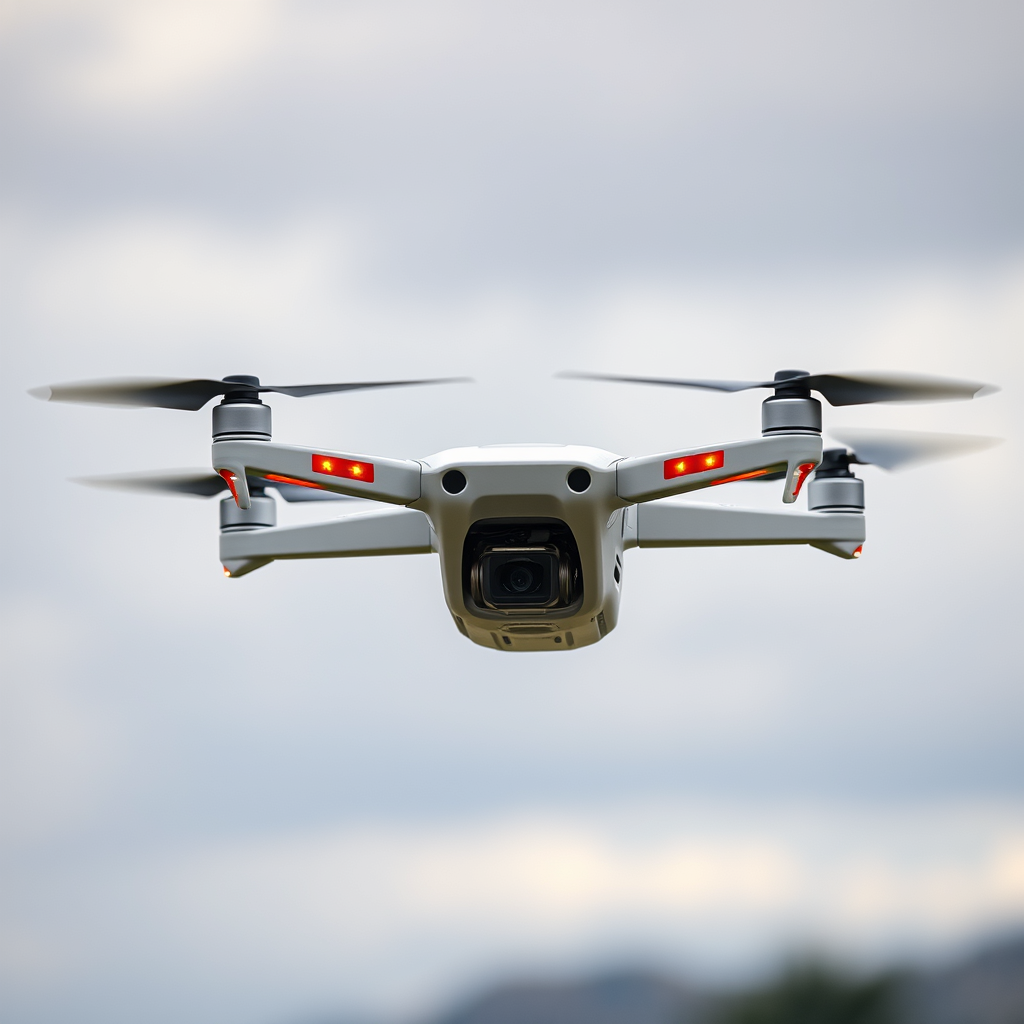
The Parrot brand offers a range of drone models, each with unique specifications that affect flight distance. For instance, the Parrot Anafi is known for its impressive flying distance of up to 2.5 miles (4 kilometers) under optimal conditions. This model stands out due to its advanced technology, including a high-quality camera and a lightweight design, which contributes to its extended range. Other models, like the Parrot Bebop 2, offer a more modest flight distance of around 1.2 miles (2 kilometers).
The differences in flight range can largely be attributed to battery capacity and technology. Drones equipped with larger batteries or more efficient propulsion systems tend to fly farther. Additionally, the type of transmission technology used, such as Wi-Fi or radio frequency, can also impact how far a drone can operate effectively. As drone technology continues to evolve, newer models are likely to push the boundaries of flight distance even further.
Factors Affecting Flight Distance
Several environmental factors can significantly impact the effective range of Parrot drones. Wind speed is one of the most critical considerations; flying against strong winds can reduce flight distance and battery life. Obstacles such as trees, buildings, and terrain can also hinder a drone’s range by blocking signals or creating turbulence, which can affect stability and control.
Interference from other electronic devices is another factor that may impact connectivity and flight distance. Drones rely on stable signals for communication, and if there are numerous electronic devices in the vicinity, this can lead to disruptions. Pilots should be aware of their surroundings and choose flight locations that minimize these potential interferences, thereby enhancing their drone’s operational range.
Battery Life and Performance
Battery performance is a crucial aspect of a drone’s flight capabilities. A fully charged battery is essential for maximizing flight range. Many models come equipped with lithium-polymer batteries, which provide a balance of weight and power but can diminish in capacity over time. Regularly monitoring battery health and replacing old or damaged batteries can help maintain optimal performance.
It is also important to consider the weight of any additional equipment that may be attached to the drone. Accessories such as cameras, gimbals, or additional sensors can add weight, which may lead to increased power consumption and shorter flight times. Pilots should always ensure that their drone is not overloaded and that any additional equipment is necessary for their intended flight objectives.
Tips for Maximizing Flight Range
To make the most out of your Parrot drone’s flight capabilities, consider flying in open areas where there are minimal obstacles. This not only reduces the risk of signal interference but also provides a safer environment for flight operations. Conducting pre-flight checks to ensure that the drone is in optimal condition can further enhance performance.
Regular maintenance is vital; keeping the drone clean, checking for firmware updates, and ensuring that all components are functioning correctly can lead to improved flight efficiency. Pilots should also familiarize themselves with their drone’s flight modes and settings, as these can be adjusted to optimize for longer distances or specific flying conditions.
Additionally, utilizing flight planning apps can help pilots determine the best times and locations for flying, taking into account factors like weather conditions and potential obstacles.
Legal and Safety Considerations
Adhering to local regulations regarding drone flight is of utmost importance. Different countries and regions have specific laws governing drone operation, including restrictions on maximum flight distances and designated airspace. Familiarizing yourself with these regulations is essential for both safety and compliance.
Moreover, keeping your drone within visual line of sight is not only a legal requirement in many areas but also a critical safety measure. This practice allows pilots to maintain control of the drone and avoid potential collisions with other aircraft, structures, or people. Following established safety guidelines, such as flying below designated altitude limits and avoiding populated areas, can help ensure a safer flying experience.
Popular Uses for Long-Distance Flights
The ability to fly long distances opens up numerous possibilities for commercial and recreational drone users. Aerial photography and videography are among the most popular applications, as longer flight ranges allow for capturing expansive landscapes and unique perspectives that may not be achievable from the ground. Professional photographers and filmmakers often rely on drones to obtain stunning visuals for their projects.
In addition, search and rescue operations benefit significantly from drones with extended flight ranges. Drones can cover large areas quickly, making them invaluable tools in emergency situations. They can be used to locate missing persons, assess disaster-stricken areas, and deliver supplies to hard-to-reach locations. The versatility of Parrot drones in these scenarios underscores the importance of understanding their flight capabilities.
In summary, understanding how far your Parrot drone can fly involves considering various factors such as model specifications, environmental conditions, and battery performance. By adhering to best practices and staying informed about the capabilities of your drone, you can enjoy a safer and more effective flying experience. Whether for fun or professional use, maximizing your drone’s performance can lead to more successful flights and richer experiences in the skies.
Frequently Asked Questions
What is the maximum flight distance of Parrot drones?
The maximum flight distance of Parrot drones varies by model, but most consumer-grade models can fly between 1 to 4 kilometers (0.6 to 2.5 miles) under optimal conditions. For example, the Parrot Anafi can achieve a range of approximately 4 kilometers, while the Parrot Bebop 2 typically has a range of about 300 meters (1,000 feet). The distance can be affected by factors such as obstacles, signal interference, and battery life.
How can I extend the flight distance of my Parrot drone?
To extend the flight distance of your Parrot drone, consider using a high-gain antenna or a range extender to boost the signal between the drone and the remote controller. Additionally, flying in open areas with minimal obstacles helps maintain a strong connection, while ensuring your drone’s firmware is up to date can optimize performance and range. Keeping the drone within line-of-sight will also help you maximize the distance safely.
Why does my Parrot drone lose connection at a distance?
A Parrot drone may lose connection at a distance due to various reasons, including signal interference from Wi-Fi networks, trees, buildings, and other obstacles that can block the radio frequency. Additionally, if the drone’s battery is low or if the drone is operating outside of its optimal range, it may lose connection. To mitigate this, ensure that you are flying in open spaces and monitor battery levels closely.
Which Parrot drone has the longest flight range?
Among Parrot drones, the Parrot Anafi typically boasts the longest flight range, capable of reaching distances of up to 4 kilometers (2.5 miles) when using the Skycontroller 3. This drone is designed for both recreational and professional use, offering high-quality imaging capabilities along with an extended flight distance for capturing stunning aerial footage.
What factors affect the flight distance of Parrot drones?
Several factors can affect the flight distance of Parrot drones, including environmental conditions like wind speed and weather, the presence of physical obstacles, and the quality of the remote controller’s signal. Additionally, battery life and the drone’s altitude can impact its ability to maintain a stable connection with the controller, so it’s crucial to consider these elements when planning your flight.
References
- https://en.wikipedia.org/wiki/Parrot_Drones
- https://www.parrot.com/us/support/faq/how-far-can-a-parrot-drone-fly
- https://www.cnet.com/tech/mobile/how-far-can-a-drone-fly/
- https://www.faa.gov/uas/
- https://www.nytimes.com/2020/02/13/technology/drone-flying-distance.html
- https://www.dronepilotgroundschool.com/drone-flight-range/
