
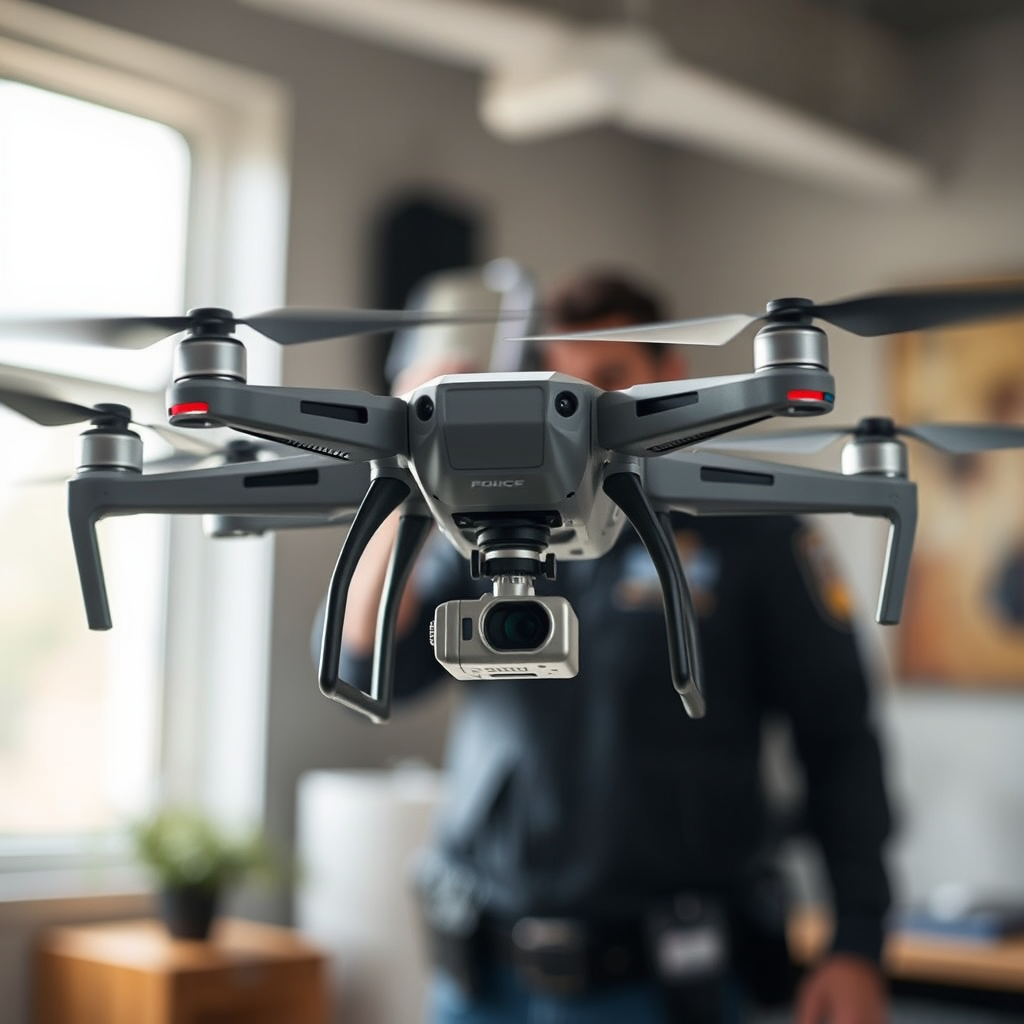
Police drones typically have a flight range of about 5 to 10 miles, depending on various factors such as battery life, terrain, and technology used. These unmanned aerial vehicles (UAVs) have become essential tools for law enforcement agencies, enabling them to cover extensive areas quickly and efficiently while gathering vital intelligence. In this article, we will explore the capabilities of police drones, delve into their operational range, and examine the various factors that influence how far they can fly.
Understanding Drone Range
Drones have varying ranges based on their model and design, with specific features that cater to different operational needs. Most police drones are equipped with advanced communication technologies, such as 4G LTE or even satellite communications, which extend their operational distance significantly. For instance, fixed-wing drones can often achieve longer ranges than multi-rotor drones due to their aerodynamic design, which allows for more efficient flight.
The range of a police drone is not solely determined by its physical specifications but also by its intended use. A drone designed for surveillance may prioritize video transmission capabilities over flight distance, while one used for search and rescue operations may be optimized for longer flights to cover vast search areas. Understanding these distinctions is crucial for law enforcement agencies as they select the appropriate drone for their specific applications.
Factors Affecting Flight Distance
Several factors can impact the effective flight distance of police drones, with battery life being the primary determinant. Most drones operate on rechargeable lithium-polymer batteries, which can significantly influence how long a drone can stay airborne. A typical multi-rotor drone might fly for 20 to 30 minutes before needing a recharge, while a fixed-wing drone can often stay in the air for an hour or more, depending on its design and battery capacity.
Environmental conditions also play a critical role in determining flight range. Weather factors such as wind speed, rain, and temperature can all affect drone performance. For example, strong winds can limit a drone’s effective range and make navigation more challenging. Additionally, variations in terrain can create obstacles that may necessitate a lower flight altitude, further reducing the drone’s operational distance. Understanding these factors allows law enforcement agencies to optimize their drone deployment strategies and ensure mission success.
Types of Police Drones
Police drones can generally be categorized into two main types: fixed-wing drones and multi-rotor drones. Each type has its advantages and disadvantages regarding range and operational capabilities.
Fixed-Wing Drones: These drones resemble traditional aircraft and are designed for longer flights over larger areas. They can cover significant distances without needing to land frequently, making them ideal for applications like search and rescue missions or large-scale surveillance operations. Some advanced fixed-wing models can achieve ranges of up to 100 miles, allowing law enforcement to monitor vast territories effectively.
Multi-Rotor Drones: This category includes quadcopters and hexacopters, which are more versatile and easier to maneuver. While they generally have shorter flight distances—typically between 5 to 10 miles—they excel in areas that require hovering capability or precise maneuverability. For instance, multi-rotor drones are often used in crowd control situations or for monitoring specific events, where the ability to maintain a stationary position is crucial.
Understanding the differences between these types of drones helps law enforcement agencies choose the right technology for their specific operational needs, optimizing efficiency and effectiveness.
Applications of Long-Range Drones
The capabilities of long-range drones have opened new avenues for law enforcement in various applications.
Search and Rescue Operations: Long-range drones can be deployed in search and rescue missions to cover large areas quickly and efficiently. For example, in the aftermath of natural disasters such as hurricanes or floods, drones can be used to identify stranded individuals or assess damage across vast landscapes. Their ability to reach remote or challenging locations makes them invaluable tools for emergency responders.
Surveillance: Law enforcement agencies utilize long-range drones for surveillance purposes, enabling them to monitor large crowds or events from a distance. This capability is particularly beneficial during large public gatherings, protests, or festivals, where traditional surveillance methods may be more challenging to implement. Drones can provide real-time aerial footage, ensuring that officers can respond quickly to any incidents that may arise.
Overall, the applications of long-range drones significantly enhance law enforcement capabilities, allowing for more proactive and efficient responses to various situations.
Legal and Regulatory Considerations
As the use of drones in law enforcement continues to grow, so too do the legal and regulatory frameworks surrounding their operation. In the United States, the Federal Aviation Administration (FAA) has established specific regulations that govern drone usage, including altitude limits, operational distances, and requirements for pilot certification. For example, drones must operate within the pilot’s visual line of sight, which can restrict their range in certain situations.
In addition to FAA regulations, local laws may impose further restrictions on drone usage. For instance, some jurisdictions may require law enforcement agencies to obtain special permits or notify the public prior to deploying drones for surveillance. Understanding these legal frameworks is crucial for police departments to ensure compliance and maintain public trust as they integrate drone technology into their operations.
Future Developments in Drone Technology
The future of drone technology is promising, with several advancements on the horizon that are likely to enhance the capabilities of police drones significantly.
Advancements in Battery Technology: Researchers are exploring new battery technologies that promise longer flight times and distances. Innovations such as solid-state batteries could potentially double the operational range of drones, allowing them to cover even larger areas without needing to recharge.
Enhanced Communication Systems: Future developments in communication technology, including 5G and satellite connectivity, have the potential to increase the operational range of drones significantly. These advancements would enable real-time data transmission over greater distances, enhancing situational awareness for law enforcement agencies.
As these technologies continue to evolve, we can expect police drones to become even more efficient and capable, enhancing law enforcement’s ability to serve and protect communities.
In summary, police drones can fly anywhere from 5 to 10 miles, influenced by battery life, technology, and environmental factors. Understanding the various aspects of drone range, including the types of drones available, their applications, and the regulatory landscape, is essential for law enforcement agencies looking to leverage this technology effectively. As drone technology evolves, we can anticipate expanded operational ranges and enhanced capabilities, ultimately providing law enforcement with powerful tools to improve public safety and response efficiency.
Frequently Asked Questions
How far can police drones typically fly?
Police drones can typically fly anywhere from 1 to 7 miles, depending on the model and technology used. Most consumer drones, which police forces often utilize for surveillance, have a range of approximately 3 to 5 miles, while more advanced models equipped with enhanced communication systems may extend this range up to 7 miles or more. Factors such as battery life, weather conditions, and obstructions can also affect the effective range of these drones.
What factors influence the flight distance of police drones?
Several factors influence the flight distance of police drones, including the type of drone, battery capacity, and environmental conditions. High-quality drones with powerful batteries and advanced transmission systems can cover more distance, while obstacles like buildings and trees can interfere with signal strength, reducing the effective range. Additionally, weather conditions such as strong winds or rain can also impact how far a drone can safely fly.
Why do police use drones for surveillance instead of traditional methods?
Police use drones for surveillance because they offer a cost-effective and efficient way to gather real-time data without putting officers at risk. Drones can cover large areas quickly, capture high-resolution images and videos, and provide aerial perspectives that are often unattainable through traditional ground methods. Additionally, drones can be deployed in various situations such as crowd control, search and rescue operations, and traffic monitoring, enhancing overall public safety.
Which types of drones are best suited for police operations?
The best types of drones for police operations include multi-rotor drones like quadcopters and fixed-wing drones that can carry specialized equipment such as thermal imaging cameras and high-definition video systems. Brands like DJI, Parrot, and Skydio produce models specifically designed for law enforcement, featuring long flight times, high payload capacities, and robust communication systems. These drones allow for versatile applications, from monitoring large events to conducting search missions in remote areas.
How can police ensure the safe operation of drones during missions?
To ensure the safe operation of drones during missions, police departments should implement comprehensive training programs for drone operators, adhere to local and federal regulations, and conduct pre-flight checks to ensure equipment functionality. Additionally, establishing a clear communication protocol and setting up no-fly zones can help mitigate risks. By integrating safety measures, police can maximize the effectiveness of drones while minimizing potential hazards to the public and their personnel.
References
- https://en.wikipedia.org/wiki/Drone#Civilian_use
- https://www.faa.gov/uas/
- https://www.ncbi.nlm.nih.gov/pmc/articles/PMC7354736/
- https://www.bbc.com/news/technology-59089731
- https://www.theguardian.com/technology/2020/jul/28/police-drones-surveillance-privacy-rights
- https://www.dhs.gov/publication/drones-and-law-enforcement
- https://www.nist.gov/news-events/news/2020/06/nist-releases-new-guidance-drones-law-enforcement
- https://www.sciencedirect.com/science/article/pii/S2352864818308294
