
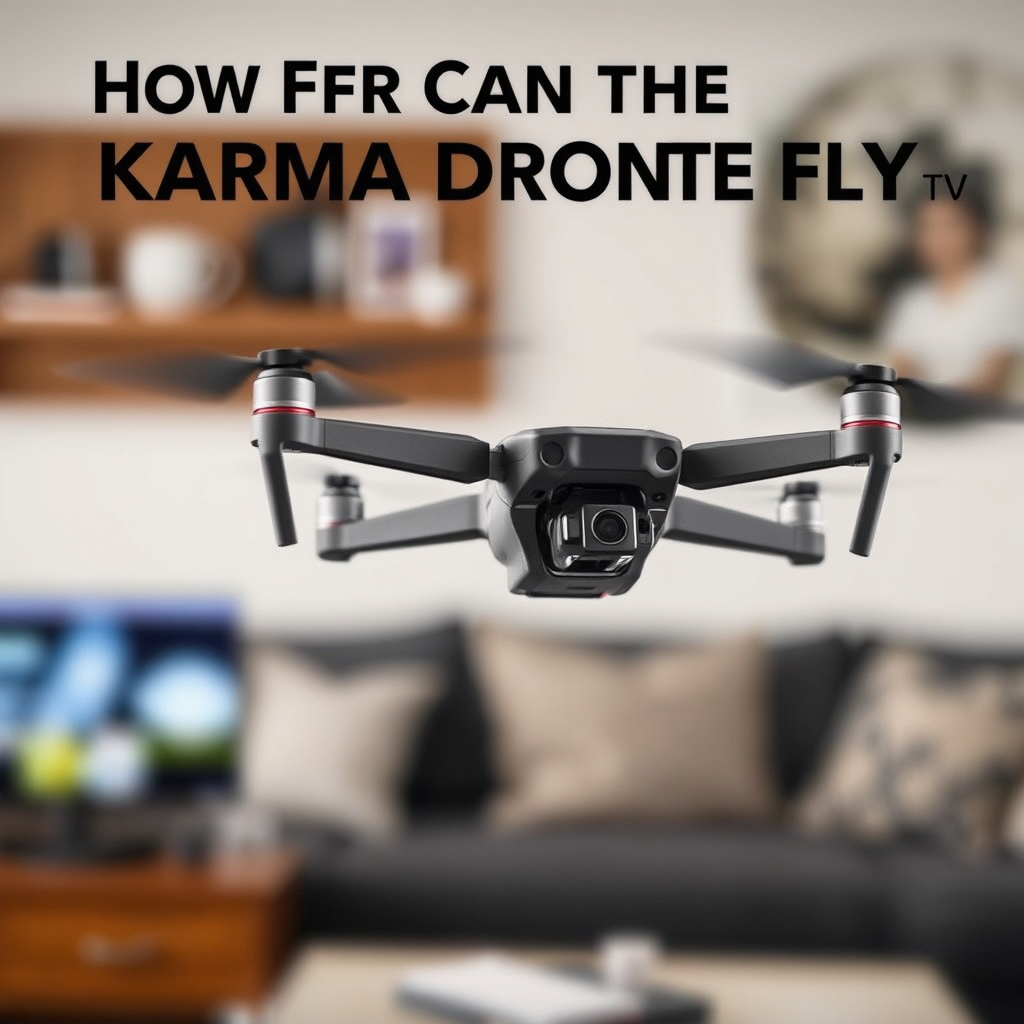
The Karma Drone can fly up to 1 mile (1.6 kilometers) away from its controller, depending on environmental factors and settings. This impressive range enables a multitude of applications, from capturing stunning aerial photographs to exploring remote landscapes. However, understanding the specific parameters that influence its range is crucial for optimizing performance and ensuring safe operation. This article explores the specifics of the Karma Drone’s range, the factors affecting distance, and practical tips for maximizing its flying capability.
Understanding the Karma Drone’s Range
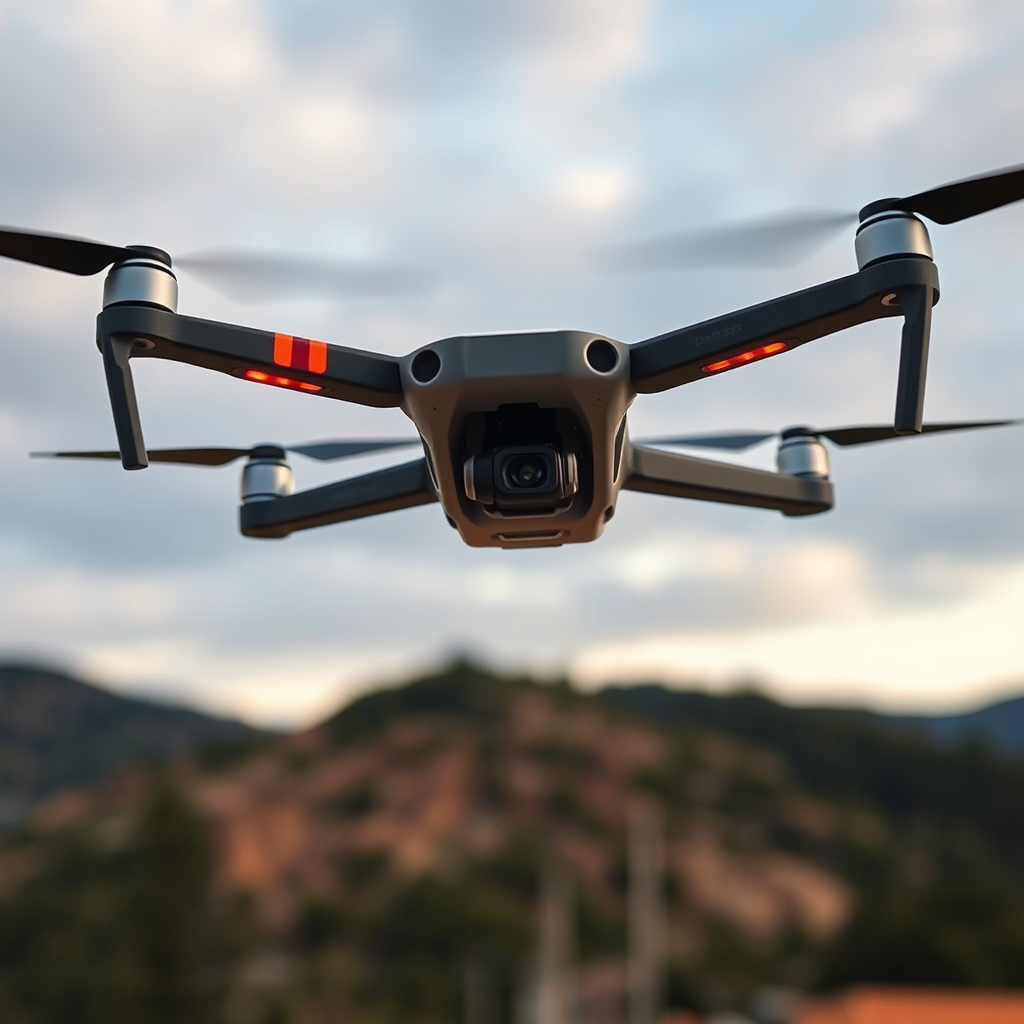
The Karma Drone has a maximum flight distance of approximately 1 mile under ideal conditions. This range is significant for both recreational and professional users, allowing for diverse aerial applications. However, it is essential to note that this distance can vary based on several factors. Obstacles such as buildings, trees, and other physical barriers can obstruct the signal between the drone and its controller, potentially reducing the effective range. Additionally, interference from other electronic devices can contribute to signal degradation, further limiting the distance the drone can fly safely. Understanding these limitations is crucial for drone operators looking to make the most of their flying experience.
Factors Affecting Flight Distance
Several environmental conditions can significantly influence the flight distance of the Karma Drone. Weather conditions, such as wind speed, rain, and temperature, play a vital role in determining how far the drone can fly. For instance, strong winds can not only affect the drone’s stability but also make it harder for the drone to maintain a stable signal with the controller. Similarly, flying in heavy rain or extreme temperatures can compromise the drone’s performance and battery life.
Another critical factor is the signal strength and interference from other devices. The Karma Drone relies on a secure connection to its controller, typically using a 5.8GHz frequency. In urban environments, where numerous electronic devices operate, the likelihood of signal interference increases. This can lead to a decrease in effective range, making it essential to fly the drone in areas with minimal electronic congestion whenever possible.
Battery Life and Its Impact
The Karma Drone boasts an impressive flight time of about 20-25 minutes per battery charge, depending on usage and environmental factors. However, battery levels can significantly influence the maximum achievable distance. As the battery drains, the drone may not be able to maintain optimal signal strength or performance, which could limit its range. Operators should be mindful of their battery levels and plan flights accordingly. Carrying spare batteries can extend flying time and allow for longer journeys, especially in remote areas where recharging may not be feasible.
Additionally, piloting the drone in a more energy-efficient manner—such as avoiding rapid ascents or descents and minimizing aggressive maneuvers—can help conserve battery life and extend the operational range.
Tips for Maximizing Range
To maximize the flying range of the Karma Drone, operators should take several proactive steps. First, flying in open areas with minimal interference can significantly enhance the drone’s signal strength. Avoiding densely populated urban environments, where many electronic signals may compete for bandwidth, is advisable. Natural landscapes, such as fields or beaches, can provide ideal conditions for extended flights.
Moreover, maintaining a clear line of sight between the drone and the controller is crucial for better control and signal stability. This practice not only adheres to safety regulations but also allows operators to react quickly to any potential issues, such as a loss of signal or battery depletion.
Lastly, consider investing in a range extender or signal booster. These devices can enhance the drone’s connectivity and potentially increase its operational distance, provided they are compatible with the Karma Drone.
Use Cases for Long-Distance Flight
The ability to fly the Karma Drone up to a mile opens up numerous possibilities for both recreational and professional use. One of the most popular applications is aerial photography and videography. Capturing expansive landscapes, intricate architectural designs, or dynamic events from above requires the ability to position the drone at varying distances. The Karma Drone’s range allows photographers to explore and document these scenes without being constrained by proximity.
Additionally, recreational flying in remote locations is a popular pursuit for drone enthusiasts. Whether exploring a secluded beach, hiking in the mountains, or surveying vast farmland, the ability to maintain control up to 1 mile away enhances the overall flying experience. This versatility and freedom appeal to both hobbyists and professionals looking to expand their creative horizons.
Maintenance and Performance
Regular maintenance is essential for ensuring the Karma Drone operates at peak performance. Routine checks on battery health, propeller condition, and firmware updates can significantly enhance flight efficiency and range. Keeping the drone clean and free from debris will also prevent potential malfunctions that could hinder its performance.
Understanding firmware updates is equally important, as manufacturers frequently release updates that can improve functionality, including signal strength and flight stability. Checking for updates before embarking on a flight ensures that the drone is equipped with the latest enhancements, thereby optimizing its range capabilities.
Legal Considerations for Drone Flight
Before taking to the skies, it is crucial for drone operators to familiarize themselves with local regulations concerning drone flight. Different regions have specific laws regarding distance limitations, altitude restrictions, and no-fly zones. In the United States, for example, the Federal Aviation Administration (FAA) has established guidelines for safe drone operation, including maintaining visual line-of-sight and not exceeding certain altitude limits.
Operators should also ensure compliance with any additional state or local regulations that may apply. This not only helps avoid legal repercussions but also contributes to safer flying practices, benefiting both the operator and the surrounding community.
In conclusion, the Karma Drone can reach impressive distances under optimal conditions. By understanding its capabilities and limitations, operators can enhance their flying experience and capture breathtaking footage or explore new terrains. It is essential to remain informed about regulations and best practices for safe and effective drone operation, ensuring that every flight is not only enjoyable but also compliant with necessary guidelines.
Frequently Asked Questions
How far can the Karma Drone fly on a single charge?
The Karma Drone has a maximum flight range of approximately 3,000 meters (or about 9,800 feet) from the controller, depending on environmental factors such as obstacles and interference. However, the drone’s actual flight distance may be shorter based on battery life, wind conditions, and the flying mode used. It’s important to monitor the battery level, as the drone will automatically return to its launch point when the battery runs low.
What factors affect the range of the Karma Drone?
Several factors can influence the range of the Karma Drone, including signal interference, weather conditions, and the topography of the flying area. Obstacles such as trees and buildings can obstruct the communication between the drone and its controller, reducing effective range. Additionally, flying in windy conditions may require the drone to use more battery power to maintain stability, thus limiting flight distance.
Why does the Karma Drone have a limited range compared to other drones?
The Karma Drone’s range is limited primarily due to its reliance on Wi-Fi technology for communication between the drone and the controller. While this allows for real-time video transmission, it can be susceptible to interference from other electronic devices and environmental barriers. In contrast, many high-end drones utilize advanced radio frequency technology, which can provide greater range and stability.
What is the best way to extend the flight range of the Karma Drone?
To maximize the flight range of the Karma Drone, ensure that you are flying in open areas with minimal obstacles and interference. Additionally, keep the drone’s firmware updated to benefit from any performance enhancements. Using a fully charged battery and flying in optimal weather conditions, such as calm winds, can also help extend the drone’s range and flight time.
Which accessories can improve the performance and range of the Karma Drone?
Several accessories can enhance the performance and range of the Karma Drone, including extended battery packs that provide longer flight times. Additionally, a high-gain antenna or a signal booster can improve the communication between the drone and the controller, potentially increasing range. Investing in a quality carrying case can also protect the drone during transportation, ensuring it remains in peak condition for longer flights.
