
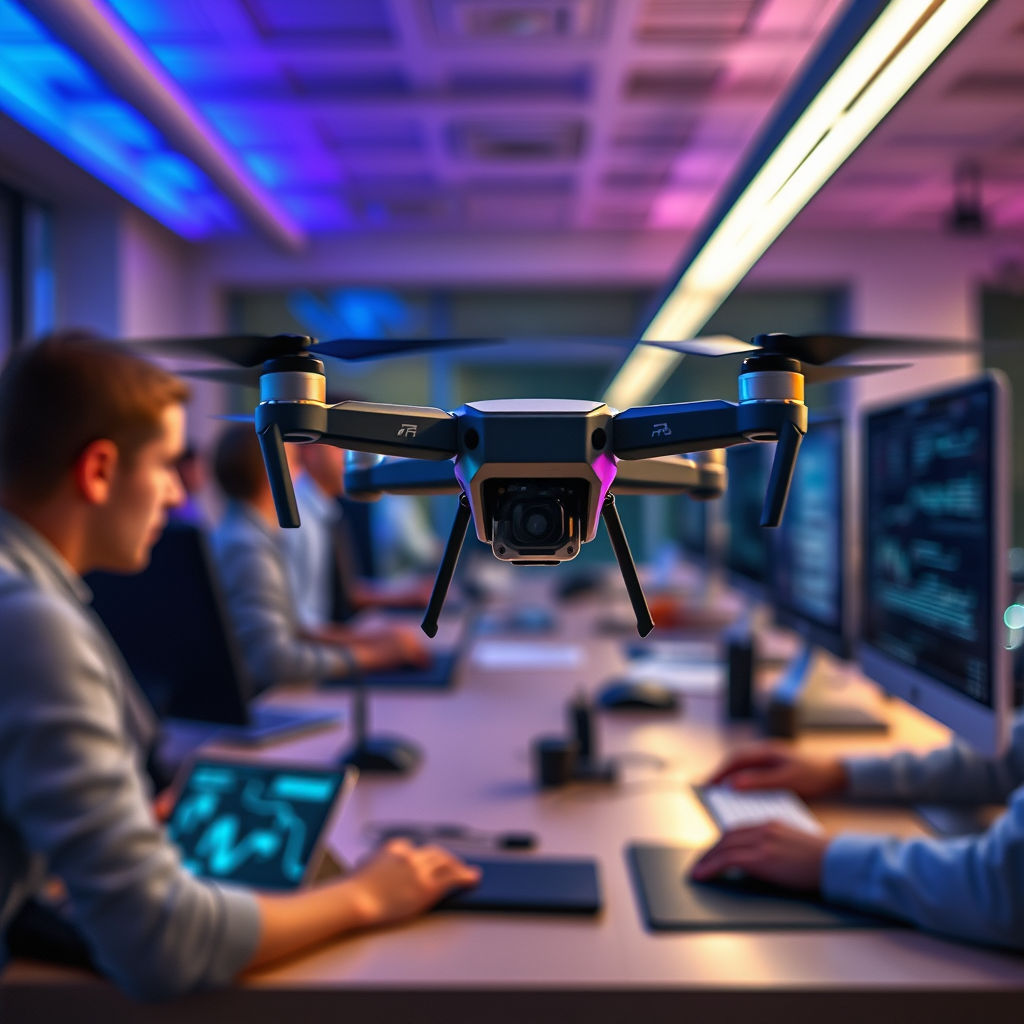
The Tello drone can fly up to 100 meters (328 feet) away from its controller under optimal conditions. While this maximum distance offers exciting possibilities for hobbyists and educators alike, it is important to understand that several factors can influence this range, including battery life, signal interference, and environmental conditions. This article will delve into the specifications of the Tello drone, explore the various factors that affect its flight range, offer practical tips for maximizing distance capabilities, and clarify common misconceptions about the drone’s range.
Understanding Tello’s Flight Specifications
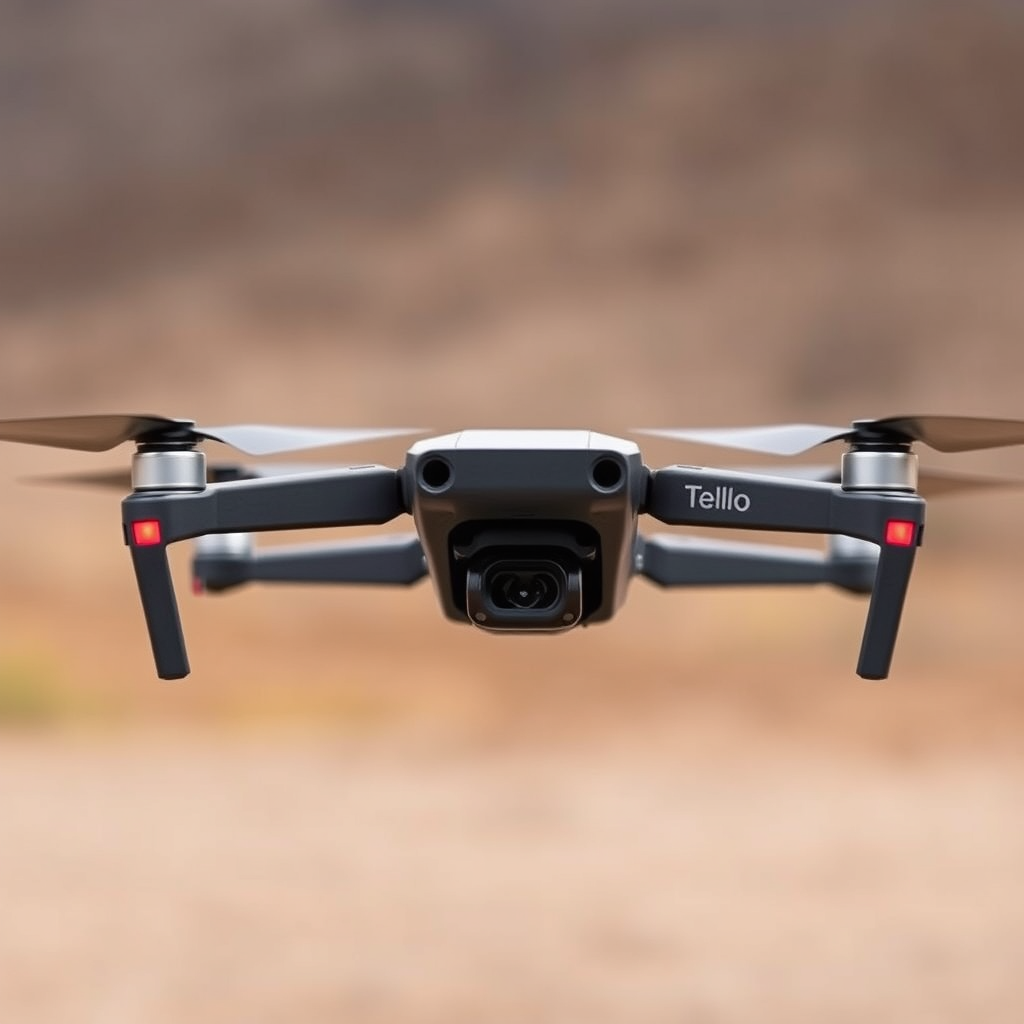
The Tello drone, developed by Ryze Tech in collaboration with DJI, has garnered attention for its user-friendly features and affordability. Its maximum flight distance is 100 meters, which allows for a satisfying flying experience without the complexities found in more advanced models. Additionally, the Tello can reach a maximum altitude of 30 meters (98 feet), providing ample vertical space for aerial exploration.
The drone operates on a 2.4 GHz Wi-Fi frequency, which is standard for many consumer drones. This frequency is advantageous as it allows for easy connectivity with smartphones and tablets; however, it can also limit range due to potential interference from other devices operating on the same frequency. Understanding these specifications is crucial for effectively utilizing the Tello drone’s capabilities.
Factors Affecting Flight Range
Several factors can significantly influence the Tello drone’s flight range, and being aware of these can help users make informed decisions about their flying conditions.
– Signal Interference: The Tello drone’s reliance on Wi-Fi means that it is susceptible to signal interference. Urban environments with tall buildings, dense trees, and other obstacles can block or weaken the Wi-Fi signal, leading to reduced flight distance. In contrast, open fields or rural areas with fewer obstructions typically allow for maximum range.
– Battery Life: The drone’s battery life is another critical factor affecting flight distance. As the battery drains, the maximum achievable distance may decrease. Users can expect around 13 minutes of flight time under optimal conditions, but aggressive flying or excessive use of features like the camera can deplete the battery more quickly, thus limiting distance.
– Environmental Conditions: Weather can play a significant role in flight performance. Windy days can destabilize the drone, making it challenging to maintain control, while rain or snow can damage the electronics. Ideally, flying in calm weather conditions will allow the Tello to perform at its best and maximize distance capabilities.
Tips to Maximize Flight Distance
To enhance the Tello drone’s flight range, consider implementing the following strategies:
– Fly in Open Areas: Choose locations that are free from tall structures, trees, and other obstructions. Open fields or parks are ideal for maximizing distance since they minimize signal interference and offer an unobstructed line of sight.
– Ensure Full Battery Charge: Before each flight, make sure the drone is fully charged. Monitoring battery levels during operation is essential; flying with a low battery can lead to unexpected landings and reduced maximum range.
– Choose a Compatible Device: Using a smartphone or tablet with a strong Wi-Fi connection can improve the drone’s performance. Devices with better antennas and fewer background applications can contribute to maintaining a stable connection, enhancing flight distance.
How to Monitor Flight Distance
Monitoring flight distance is essential for safe and effective drone operation. The Tello app provides valuable insights into distance and altitude, allowing users to keep track of their drone’s performance.
– Utilize the Tello App: The app displays real-time data on the drone’s distance from the controller and its altitude. Familiarizing yourself with the app’s interface will enable you to make quick adjustments during flight.
– Set Alerts: Many drone operators benefit from setting alerts for distance and battery warnings. This proactive approach helps ensure that you are aware of your drone’s performance, allowing for timely returns to avoid losing the drone.
– Practice Regularly: The more familiar you become with the app’s features, the better you will be at managing your drone’s range effectively. Regular practice can also enhance your piloting skills, further improving distance capabilities.
Common Misconceptions About Tello’s Range
There are several misconceptions surrounding the Tello drone’s flight range that can lead to misunderstandings among users.
– One common myth is that the Tello can fly significantly farther than the stated 100 meters. While some users may achieve longer distances under rare circumstances, the 100-meter limit is based on optimal conditions, including a clear line of sight and minimal interference.
– Another misconception is that battery life does not significantly impact flight distance. In reality, as the battery depletes, the drone’s performance can diminish, making it challenging to reach the maximum distance. Users should always factor in battery health when planning their flights.
Real-World Usage Scenarios
The Tello drone’s capabilities make it suitable for a variety of applications, including:
– Casual Flying: The Tello is perfect for beginners looking to enjoy drone flying without the need for advanced features. Its user-friendly controls and stability make it an ideal choice for those just starting.
– Educational Purposes: The Tello drone serves as an excellent tool for teaching children about aerodynamics, technology, and responsible flying practices. Its affordability and ease of use make it accessible for educational institutions and home learning.
– Photography: Although the Tello’s range is limited, it can still capture high-quality images and videos in nearby locations. Hobbyists can use the drone for creative photography projects, especially in scenic environments.
In summary, while the Tello drone can fly up to 100 meters, understanding the various factors that influence this distance is crucial for a successful flying experience. By implementing the suggested tips and being mindful of the common misconceptions, users can maximize their Tello’s capabilities and enjoy a rewarding aerial adventure. Whether for casual flying, educational purposes, or photography, the Tello drone offers an accessible entry point into the world of drone technology. Happy flying!
Frequently Asked Questions
What is the maximum flight distance of the Tello drone?
The maximum flight distance of the Tello drone is approximately 100 meters (328 feet) when controlled via a smartphone or tablet. However, this distance can vary based on factors such as signal interference, environmental conditions, and the battery level. It’s important to keep this range in mind to ensure safe and effective flying without losing control of the drone.
How can I extend the flight distance of my Tello drone?
To extend the flight distance of your Tello drone, consider flying in open areas with minimal obstacles and interference, such as buildings or trees, which can disrupt the Wi-Fi signal. Additionally, using the Tello’s SDK (Software Development Kit) to implement a stronger control signal or upgrading to a more powerful device for controlling the drone can also enhance its range. Regular firmware updates can optimize performance and improve connectivity.
Why does the Tello drone have a limited flight distance?
The Tello drone has a limited flight distance primarily due to its reliance on Wi-Fi connectivity for control and video transmission. Wi-Fi signals can weaken with distance, particularly in environments with interference from other electronic devices or physical barriers. This design choice is also intentional to maintain safety and usability, as a shorter range allows for better control and minimizes the risk of losing the drone.
What are the best conditions for flying the Tello drone to maximize its distance?
The best conditions for flying the Tello drone to maximize its distance include calm weather, low wind speeds, and flying in a clear area free from obstructions. Early mornings or late afternoons often provide optimal conditions, as there is typically less air traffic and fewer people around. Additionally, ensuring that the drone’s battery is fully charged will help maintain its performance and range during your flight.
Which factors can affect the flight range of the Tello drone?
Several factors can affect the flight range of the Tello drone, including environmental conditions like wind speed, humidity, and temperature, which can impact battery performance. Additionally, physical obstacles such as buildings, trees, and other structures can interrupt the Wi-Fi signal, leading to a reduced effective range. Interference from other electronic devices or Wi-Fi networks can also diminish connectivity, so it’s essential to choose your flying location wisely.
