
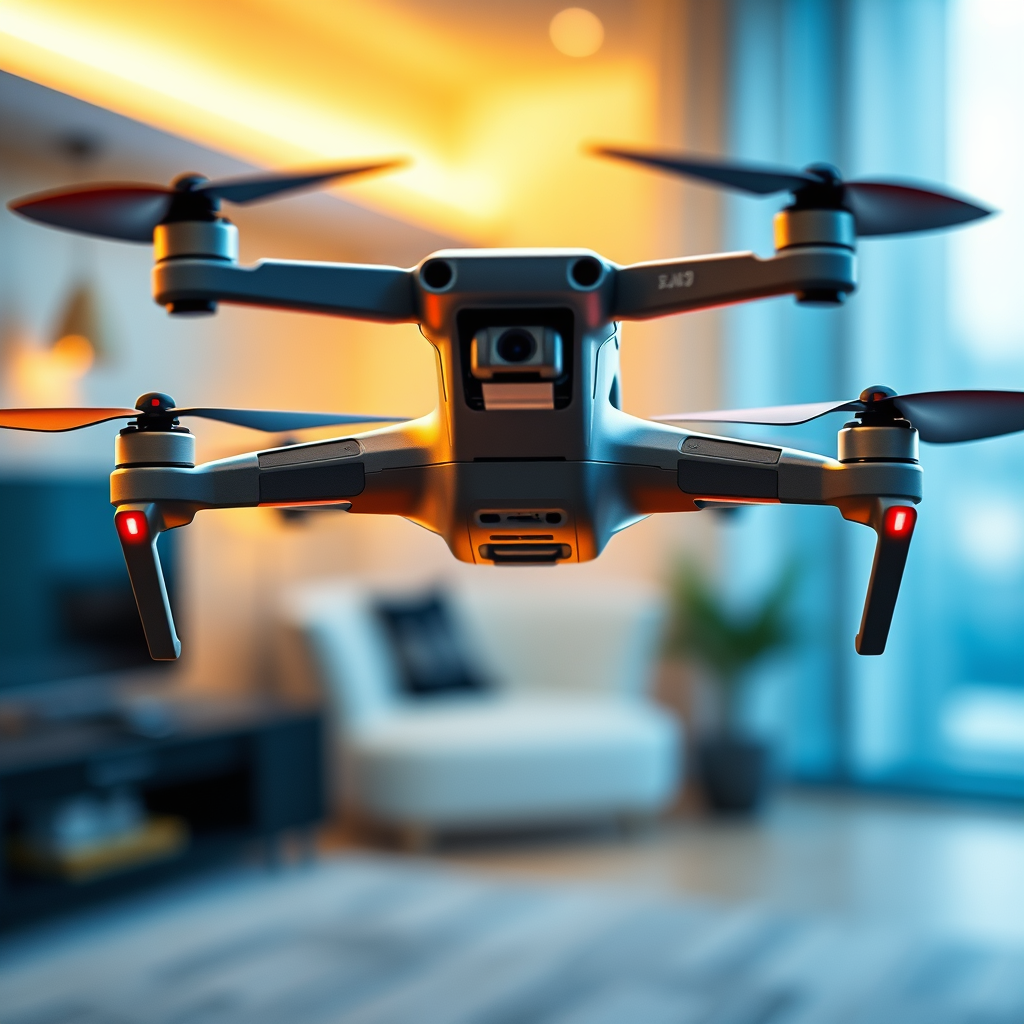
Many consumer drones can typically fly between 1 to 3 miles away from their pilot, depending on the model and local regulations. However, factors like battery life, signal strength, and legal restrictions play significant roles in determining the actual distance. In this article, we’ll explore the various factors that influence how far you can fly a drone, ensuring you are well-informed before taking to the skies.
Understanding Drone Range
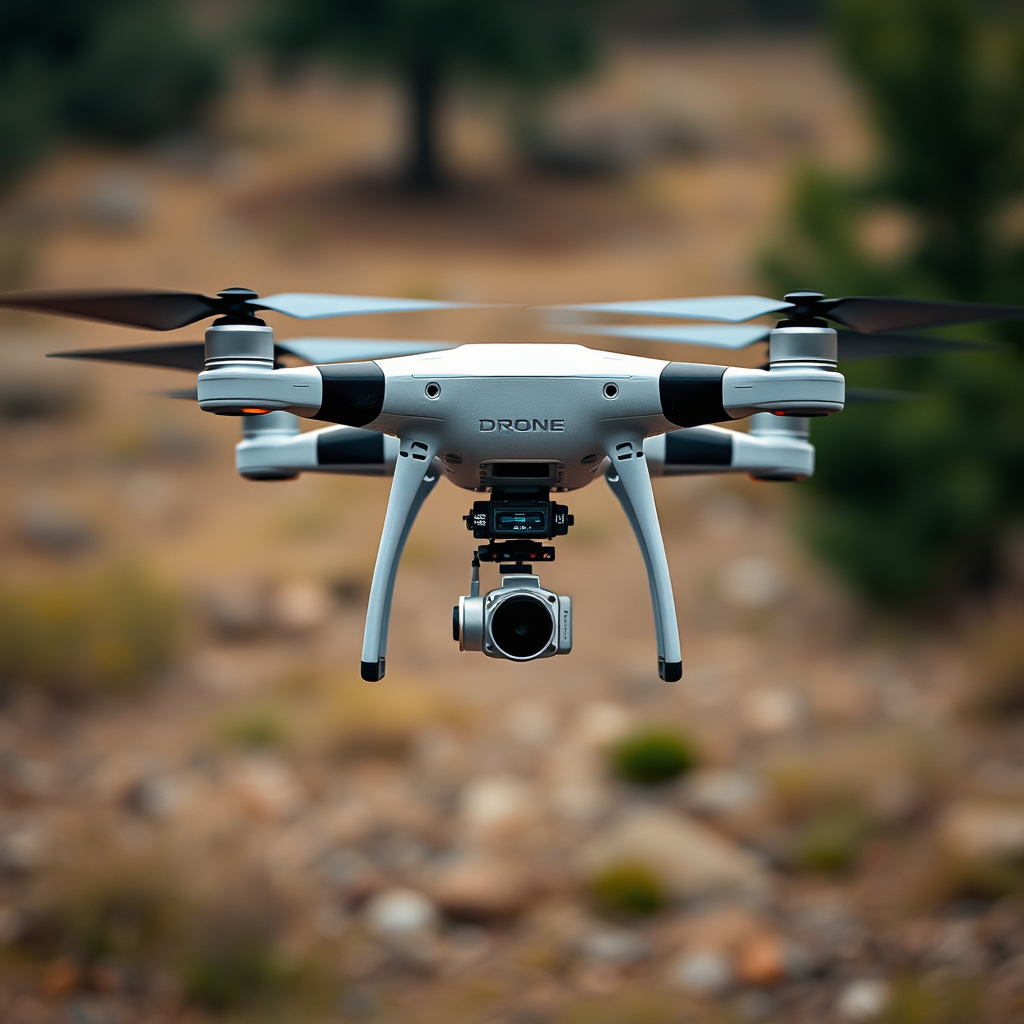
Drones generally have a maximum range specified by the manufacturer, which indicates the farthest distance you can expect the drone to operate effectively from its controller. For instance, many popular consumer models, such as the DJI Mavic series or the Parrot Anafi, advertise ranges of up to 4 kilometers (approximately 2.5 miles) under optimal conditions. However, achieving this maximum range is contingent on several variables.
Factors such as battery life, signal strength, and environmental conditions can greatly affect actual flying distance. For example, if a drone’s battery is partially drained, it may not reach its advertised range. Environmental conditions, such as dense urban areas with tall buildings or natural obstructions like trees and hills, can interfere with the drone’s signal, limiting its effective range. Additionally, weather conditions such as rain or snow can further impact both the drone’s performance and its maximum operational distance.
Legal Regulations Impacting Flight Distance
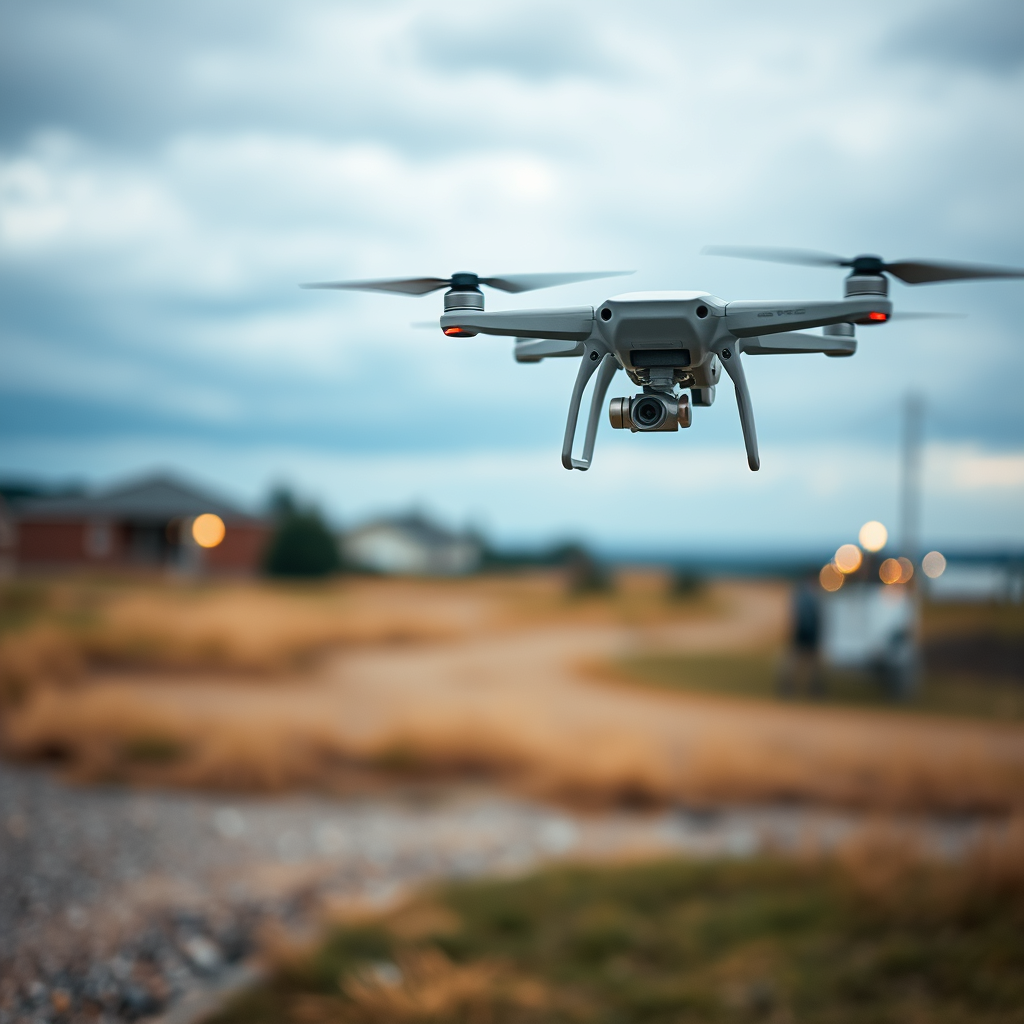
The Federal Aviation Administration (FAA) and local authorities impose regulations on drone flight distances to ensure safety and minimize risks. In the United States, for instance, the FAA mandates that drones must not fly higher than 400 feet in controlled airspace and must remain within the visual line of sight (VLOS) of the operator. This means that, regardless of a drone’s technical capabilities, pilots are legally required to keep the drone within a specific distance.
Moreover, no-fly zones are established around airports, military bases, and other sensitive areas, further limiting where drones can operate. Pilots must always check for local regulations and updates to ensure compliance, as flying in restricted areas can lead to severe penalties, including fines and the revocation of one’s pilot license. Resources such as the FAA’s B4UFLY app can provide real-time updates on airspace restrictions.
Factors That Affect Drone Flight Distance
Several factors influence the actual flight distance of a drone beyond the maximum range specified by the manufacturer. Signal strength between the controller and the drone is a critical element, as it can vary based on obstacles such as buildings, trees, and other structures. A clear line of sight can significantly enhance signal integrity, allowing for longer flights. Conversely, flying in areas with many obstructions can lead to signal loss, resulting in the drone automatically returning to its takeoff point for safety.
Weather conditions also play a significant role in affecting drone range. High winds can make it challenging to maintain control, while rain, fog, or snow can reduce visibility and impact the drone’s performance. For example, flying a drone in strong winds may require more power from the motors, leading to a decrease in battery life and thus limiting flight distance. Pilots should always assess weather conditions before flying and avoid flying in adverse weather to ensure both safety and extended operational ranges.
Types of Drones and Their Capabilities
The type of drone significantly impacts its range capabilities. Consumer drones often have different range capabilities compared to professional models. For instance, consumer drones like the DJI Mini series are designed for casual users and may have a range of 4 kilometers (2.5 miles), while professional drones, such as the DJI Phantom 4 RTK, can achieve even greater distances, often used for surveying and mapping applications.
Racing drones, on the other hand, may have shorter ranges but compensate with higher speed and agility. These drones are engineered for rapid maneuvers and typically utilize a first-person view (FPV) system, which allows pilots to fly at high speeds while maintaining a direct line of sight. While racing drones can be thrilling and fast, their operational range is often limited to a few hundred meters due to the focus on speed over distance.
Safety Considerations for Long-Distance Flying
Safety should always be a top priority when considering long-distance drone flights. Pilots are required to maintain visual line of sight (VLOS) with their drones, which means they must be able to see the drone at all times during operation. This requirement exists to ensure that pilots can react promptly to any potential hazards, including wildlife, other aircraft, people, and property.
Additionally, flying a drone far from its pilot can increase the risk of losing control or losing the signal, creating safety concerns. It’s crucial to assess the environment where you plan to fly, including identifying potential obstacles and evaluating the landscape for unexpected challenges. Furthermore, pilots should familiarize themselves with emergency protocols, such as the return-to-home feature, which can be invaluable if the drone loses signal or battery life.
Enhancing Drone Range
There are several techniques that drone pilots can employ to enhance their drone’s range. One of the most effective methods is to install range extenders, which can amplify the signal between the drone and its controller. These devices can significantly improve connectivity, allowing for longer flight distances without sacrificing control.
Using first-person view (FPV) systems can also enhance the flying experience and potentially extend range. FPV systems provide real-time video feeds from the drone, allowing pilots to fly from the drone’s perspective, which can be particularly useful for long-distance flights. Additionally, regular maintenance and software updates are essential to optimize performance and ensure that the drone is operating at its best.
Finally, understanding battery management is crucial. Pilots should monitor battery life closely and plan flights within safe limits to avoid the risk of crashing due to low power. Carrying spare batteries for longer outings can also provide the flexibility needed for extended flights.
Understanding the factors that affect how far you can fly a drone is crucial for safe and effective operation. Always prioritize safety and compliance with regulations while enjoying your aerial adventures. If you’re looking to push the limits, ensure you’re well-informed about your drone and the environment. By considering the various factors discussed in this article, you can better prepare for your drone flying experience, ensuring that you not only maximize your flight distance but also enhance the overall safety and enjoyment of your operations.
Frequently Asked Questions
How far can I legally fly my drone from my location?
The legal distance you can fly your drone from your location typically depends on the regulations set forth by aviation authorities in your country. In the United States, for example, the Federal Aviation Administration (FAA) mandates that you must keep your drone within visual line of sight, which generally translates to a distance of about 3 to 5 miles, depending on your flying environment and visibility conditions. Always check local laws, as regulations can vary significantly by region.
What factors affect how far I can fly my drone?
Several factors can influence how far you can fly your drone, including battery life, signal strength, and environmental conditions. Drones typically have a maximum range specified by the manufacturer, which can be affected by obstacles like buildings and trees, as well as interference from other electronic devices. Additionally, wind speed and weather conditions can impact your drone’s performance and effective range.
Why is it important to know the maximum flight distance for a drone?
Understanding the maximum flight distance for your drone is crucial for safety, legal compliance, and operational efficiency. Exceeding the recommended flight distance can lead to loss of control, potential crashes, and legal penalties. Moreover, staying within the maximum range ensures you can maintain a reliable connection with your drone, allowing for safe navigation and return home capabilities.
What is the best practice for flying a drone at longer distances?
The best practice for flying a drone at longer distances includes thorough pre-flight planning, ensuring your drone is equipped with long-range capabilities, and maintaining a clear line of sight. Additionally, utilizing a signal booster and flying in open areas with minimal obstacles can enhance your operational range. Always monitor battery levels and be prepared to return your drone promptly when nearing its limits.
Which drones have the longest flight range available?
Drones that are specifically designed for long-range flights, such as the DJI Mavic 3 or the Autel Robotics EVO Lite, typically offer extended flight ranges of up to 7 miles or more, depending on the model and conditions. When selecting a drone for long-distance flying, consider both the manufacturer’s specifications and user reviews, as real-world performance can vary. Always ensure these drones are used within legal flight parameters to ensure safety and compliance.
References
- https://en.wikipedia.org/wiki/Unmanned_aerial_vehicle
- https://www.faa.gov/uas/getting_started/remote_id
- https://www.faa.gov/uas/getting_started/part_107
- https://www.nasa.gov/aeroresearch/technology/airspace/drones.html
- https://www.ncbi.nlm.nih.gov/pmc/articles/PMC6831244/
- https://www.theguardian.com/technology/2021/jun/07/drone-regulations-uk-eu-uae
- https://www.reuters.com/technology/drone-regulation-2022-01-30/
- https://www.suasnews.com/2020/09/the-ultimate-guide-to-drone-operations/
