

You can legally fly a drone up to 400 feet above ground level in most areas, but regulations vary depending on your location and specific circumstances. Understanding these laws is crucial for responsible drone operation. The Federal Aviation Administration (FAA) governs drone usage in the U.S., but state and local laws can impose additional restrictions. In this article, we will explore the legal distance limits for flying drones, factors that influence these regulations, and tips for staying compliant.
Understanding Federal Regulations
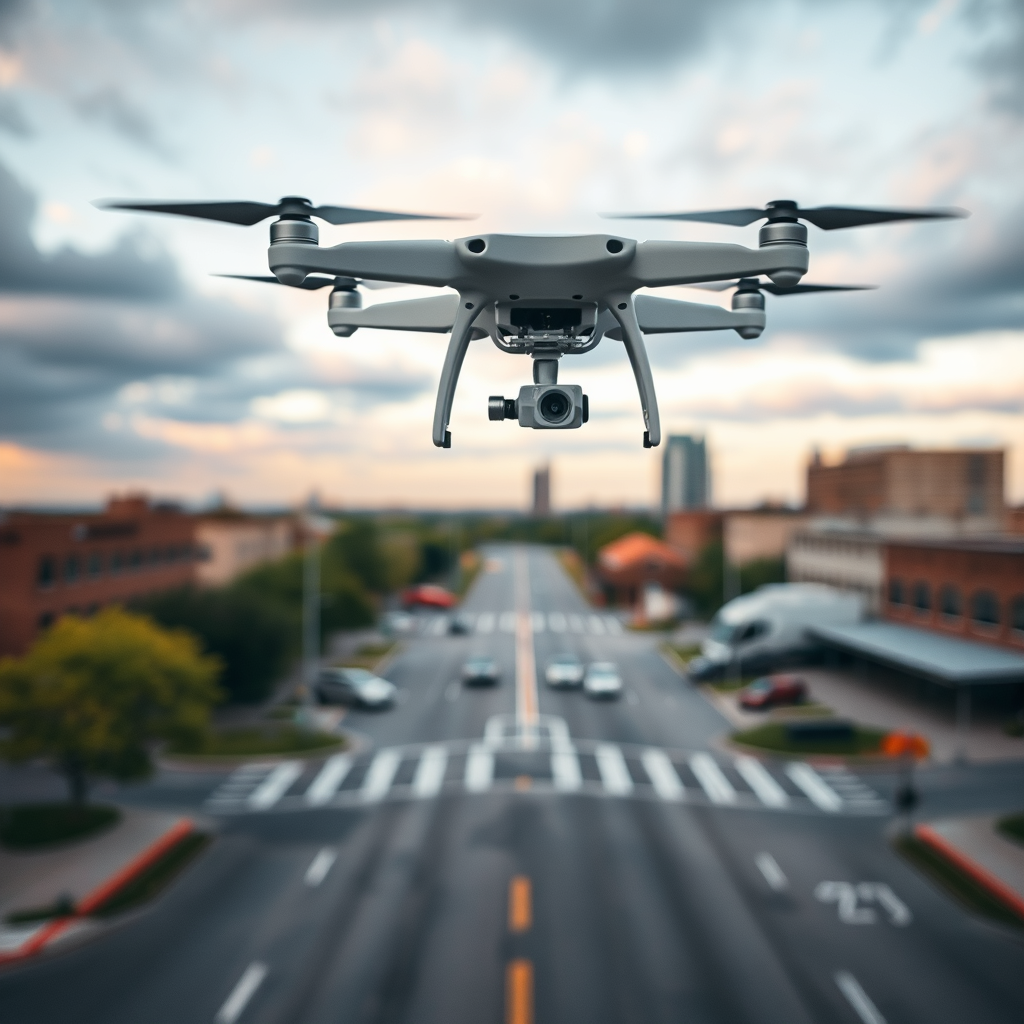
The Federal Aviation Administration (FAA) sets the primary rules for drone operation in the United States. As per FAA regulations, all drones must be flown within the operator’s visual line of sight (VLOS), meaning the operator must be able to see the drone with their own eyes without the aid of binoculars or other visual enhancement tools. This VLOS requirement is essential for maintaining safety and awareness regarding the drone’s surroundings.
Additionally, the FAA mandates that recreational drone pilots must adhere to specific guidelines, such as flying below 400 feet and only in uncontrolled airspace unless a waiver is obtained. For commercial drone operations, pilots are required to obtain a Remote Pilot Certificate under Part 107 of the FAA regulations. This certification process includes passing an aeronautical knowledge test, which ensures that pilots understand the necessary safety protocols and regulations for safe drone operation.
State and Local Laws
While federal guidelines provide a framework for drone operation, state and local laws can impose additional restrictions that drone operators must be aware of. For instance, many states have enacted laws that prohibit flying drones in certain public spaces, such as parks, schools, or near critical infrastructure like power plants and airports. Furthermore, local municipalities may designate no-fly zones for drones, which could be in place for reasons related to privacy, safety, or local governance.
Before flying a drone, it is imperative for operators to check local ordinances and regulations. Many jurisdictions have established online databases or resources that outline specific drone laws. Utilizing these resources can help avoid potential fines or legal issues that may arise from flying in restricted areas.
Airspace Classifications
Airspace in the United States is classified into several categories, each with its own set of regulations concerning drone flights. The primary classifications include Class A, B, C, D, E, and G airspace. For most recreational and commercial drone pilots, the most pertinent classifications are Class G (uncontrolled airspace) and Class B, C, and D (controlled airspace).
Class G airspace is the least restrictive and is typically where most hobbyist drone flying occurs. Pilots can fly up to 400 feet without special permissions. However, in controlled airspace (Classes B, C, and D), which often surrounds major airports, specific permissions must be obtained. This may involve filing a request with the FAA or utilizing tools like the FAA’s Low Altitude Authorization and Notification Capability (LAANC) to receive immediate authorization for drone flights in these more regulated areas.
Understanding airspace classifications is crucial for drone operators to ensure they are compliant with federal regulations while also ensuring the safety of manned aircraft operations in those airspaces.
Special Use Cases
Certain drone operations may have different legal requirements, particularly in the case of commercial use or events that involve large gatherings of people. For commercial operators, obtaining a Part 107 certification is essential. This certification not only allows for more extensive flight operations but also provides operators with the knowledge needed to navigate regulations effectively.
Events such as parades, festivals, or sports events may require special permissions or permits to operate drones in proximity to large crowds. The FAA works in conjunction with event organizers to ensure that drone operations do not pose risks to public safety. Therefore, if you plan to fly a drone for any special use case, it is advisable to consult with local authorities and possibly apply for permits in advance.
Drone Registration Requirements
In the United States, the FAA requires that all drones weighing more than 0.55 pounds (250 grams) be registered. This registration process is straightforward and can be completed online through the FAA’s website. Once registered, the drone must display the unique registration number, which helps ensure accountability in case of incidents or violations.
The registration is valid for three years and comes with a nominal fee. While registering your drone may seem like a minor inconvenience, it plays a vital role in ensuring responsible drone operation. It also helps the FAA keep track of drone operators, which is essential for maintaining safety standards within the national airspace.
Best Practices for Compliance
To ensure compliance with all regulations, drone operators should adopt best practices before each flight. Conducting a pre-flight check that includes reviewing the regulations specific to your flight area is critical. This can involve checking for any temporary flight restrictions (TFRs) that may be in place due to events, weather conditions, or other safety concerns.
Additionally, utilizing drone-related apps and resources can greatly enhance your awareness of current laws and regulations. Many apps provide real-time information about airspace classifications, no-fly zones, and updates regarding local ordinances. Staying informed about changes in the law not only helps prevent legal issues but also promotes safer flying practices.
By following these best practices, drone operators can contribute to a culture of safety and compliance, which is essential for the continued positive growth of the drone industry.
In conclusion, knowing how far you can legally fly a drone is essential for safe and responsible operation. The regulations established by federal, state, and local authorities provide a framework that drone pilots must navigate carefully. By understanding these laws, obtaining necessary certifications, and adhering to drone registration requirements, operators can enjoy the benefits of drone technology while prioritizing safety and compliance. Stay informed, fly responsibly, and make the most of your drone flying experience. Happy flying!
Frequently Asked Questions
What is the maximum distance I can fly my drone legally?
The maximum distance you can fly your drone legally varies by country and local regulations. In the United States, the Federal Aviation Administration (FAA) requires that drones be flown within the visual line of sight (VLOS) of the operator, which generally limits your flight distance to about 1,000 feet horizontally and 400 feet vertically from your takeoff point. Always check local laws and regulations to ensure compliance, as some areas may have additional restrictions.
How can I find out the legal flying distance for drones in my area?
To find out the legal flying distance for drones in your area, you can visit the official website of the aviation authority in your country, such as the FAA in the United States or the Civil Aviation Authority (CAA) in the UK. Additionally, using drone-specific apps like AirMap or UAV Forecast can provide real-time information about airspace restrictions, including distance limitations based on your location, making it easier to comply with local regulations.
Why do drone regulations restrict flying distance?
Drone regulations restrict flying distance primarily for safety and privacy reasons. Keeping drones within visual line of sight helps ensure that operators can maintain control of the aircraft and avoid collisions with other aircraft, buildings, or people. These regulations also aim to protect personal privacy and ensure drones do not intrude on private property, thus promoting responsible drone use in public spaces.
What are the best practices for flying my drone at maximum legal distance?
To fly your drone at the maximum legal distance safely, always maintain a clear line of sight with your drone and be aware of your surroundings. Familiarize yourself with the drone’s capabilities and limitations, and use a reliable spotter if necessary. Prior to flying, check for airspace restrictions and weather conditions, as these can affect your ability to fly safely at greater distances.
Which countries have the strictest regulations on drone flying distance?
Countries with the strictest regulations on drone flying distance include the United Kingdom, Germany, and Australia. In these nations, operators are often required to keep their drones within visual line of sight, with additional restrictions in urban areas or near airports. Always research and understand the drone laws in the specific country you plan to fly in, as non-compliance can result in hefty fines and penalties.
References
- https://www.faa.gov/uas/getting_started/remote_id
- https://www.faa.gov/uas/
- https://www.nasa.gov/aeroresearch/programs/airspace/uas
- https://www.droneaviation.com/faq-what-are-the-laws-regarding-drone-use-in-the-us/
- https://www.abc.net.au/news/2020-05-05/drone-laws-australia/12214064
- https://www.theguardian.com/us-news/2021/jun/01/drone-laws-regulations-us
- https://www.washingtonpost.com/technology/2020/01/10/drone-regulations/
- https://www.nytimes.com/2021/04/23/us/drone-laws.html
- https://en.wikipedia.org/wiki/Drone_regulations_in_the_United_States
