

DJI drones can typically fly up to 7 kilometers (4.3 miles) under optimal conditions, depending on the model. However, this distance can be influenced by various factors including battery life, environmental conditions, and local regulations. Understanding the nuances of these variables can significantly enhance your flying experience and ensure compliance with legal requirements. In this article, we will explore the factors that influence drone flight distance, compare different DJI models, and provide practical tips for maximizing your drone’s range.
Understanding DJI Drone Range Specifications
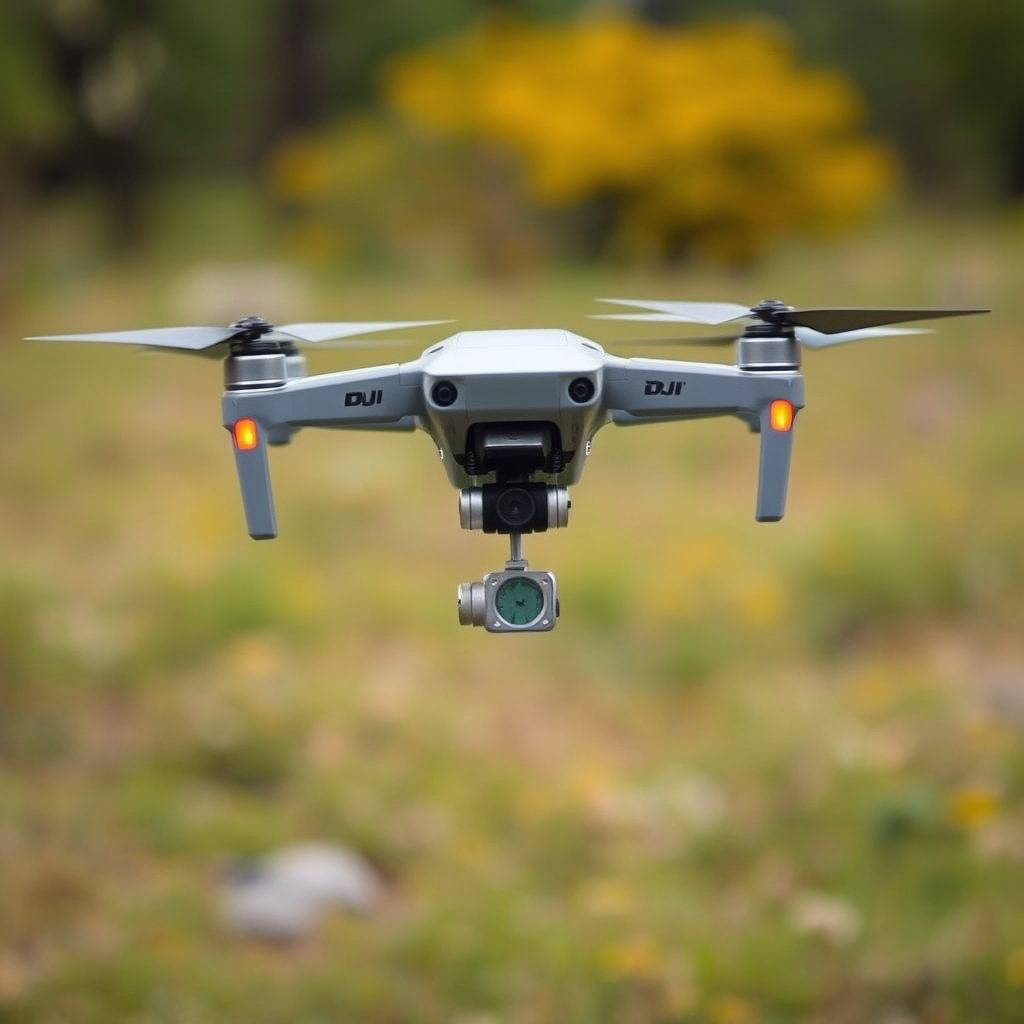
Most DJI consumer drones boast a maximum range between 5 to 10 kilometers, which positions them among the leaders in the consumer drone market. This impressive range allows users to capture stunning aerial footage and explore larger areas without the constant need for bringing the drone back to the operator. However, it is essential to recognize that this maximum range is often achieved under ideal conditions, which include an unobstructed line of sight and minimal interference.
Interference from buildings, trees, and other obstacles can significantly reduce the effective range of these drones. For example, urban environments filled with high-rise buildings can lead to signal loss or degradation, effectively limiting how far the drone can fly. Additionally, radio frequency interference from other electronic devices can also impact performance. Therefore, while the specifications provide a baseline, real-world conditions often dictate actual flight distances.
Factors Affecting Flight Distance
Several factors can impact the flight distance of a DJI drone, with environmental conditions and battery health being the most significant. For instance, strong winds can force a drone to use additional power to maintain stability, reducing the distance it can effectively travel. Similarly, adverse weather conditions, such as rain or snow, not only affect the drone’s aerodynamics but can also lead to the drone’s safety systems restricting flight.
Battery capacity and health are crucial as well; a fully charged and well-maintained battery can ensure optimal performance. As batteries age, their capacity diminishes, leading to shorter flight times and distances. Regularly checking battery health, including ensuring connections are secure and terminals are clean, can help maintain the drone’s flight capabilities.
Comparing Different DJI Models
When considering flight distance, it’s beneficial to compare the specifications of various DJI models. The Mavic Air 2, for instance, is known for its impressive flight range, reaching up to 10 kilometers under optimal conditions. This model utilizes advanced transmission technology that enhances signal strength, making it ideal for long-distance flying.
On the other hand, the Phantom 4 Pro offers a maximum range of about 7 kilometers, which is still commendable but slightly less than the Mavic Air 2. The Phantom 4 Pro is well-regarded for its robust build and superior camera quality, making it a favorite among professional photographers and videographers. Understanding these differences can help users select the right drone for their specific needs and desired flight distances.
Regulatory Considerations
In addition to technical specifications, local laws and regulations play a significant role in determining how far a drone can legally fly. Many countries have established no-fly zones, particularly near airports, military bases, and urban centers. In the United States, for example, the Federal Aviation Administration (FAA) requires drone pilots to maintain visual line of sight with their aircraft, effectively limiting how far they can fly.
Before taking to the skies, it is critical to familiarize yourself with the local regulations governing drone flight in your area. This can include registration requirements, operational restrictions, and any mandatory safety protocols. Not adhering to these regulations can lead to significant fines and even legal repercussions, so always prioritize compliance when planning your drone flight.
Tips for Maximizing Flight Distance
To make the most of your drone’s flight capabilities, consider implementing several practical strategies. First and foremost, always ensure that your drone is fully charged before taking off. A well-charged battery not only extends flight time but also enhances the overall performance of the drone.
Additionally, keeping your firmware updated is vital for optimal operation. Manufacturers like DJI periodically release updates that can improve flight performance, increase flight distance, and enhance overall reliability. Regularly checking for and applying these updates can significantly impact your flying experience.
It can also be advantageous to fly during times of favorable weather conditions. Early mornings or late afternoons often provide calmer winds and clearer skies, which can help maximize your drone’s range and performance.
Maintenance for Optimal Performance
Regular maintenance is essential for ensuring that your DJI drone operates efficiently. This includes routine inspections for any signs of wear or damage. Checking propellers for nicks, ensuring the camera is functioning properly, and verifying that the gimbal is stable can prevent potential issues during flight.
Battery care is equally important; regularly replacing worn-out batteries can prevent a decrease in flight range. Following manufacturer guidelines for battery maintenance—such as proper charging practices and storage—can help prolong battery life and maintain optimal performance.
In conclusion, understanding how far DJI drones can fly requires a comprehensive look at various factors, including model specifications, environmental conditions, and regulatory limits. By following best practices for maintenance and flight planning, drone operators can maximize their aircraft’s flight distance and enjoy a superior flying experience. Always prioritize safety and compliance to ensure a rewarding and hassle-free adventure in the skies. Happy flying!
Frequently Asked Questions
How far can a DJI drone fly on a single battery charge?
The maximum distance a DJI drone can fly on a single battery charge varies by model. For instance, the DJI Mavic Air 2 can fly up to 10 kilometers (6.2 miles) under optimal conditions, while the DJI Mini 2 has a range of about 10 kilometers as well. Factors such as wind conditions, altitude, and the weight of the drone can all impact flight distance, so it’s essential to consider these elements when planning your flight.
What factors affect the flight distance of a DJI drone?
Several factors can influence the flight distance of a DJI drone, including battery life, environmental conditions, and transmission strength. Wind speed, temperature, and humidity can all affect how far a drone can travel, while obstacles such as trees and buildings may interfere with the signal between the drone and the remote controller, potentially reducing effective flight distance. Additionally, the weight of any accessories or payload can also impact the overall performance.
Why do some DJI drones have different maximum flight distances?
Different DJI drones are designed with varying specifications and technologies, which directly influence their maximum flight distances. For instance, more advanced models like the DJI Mavic 3 feature superior transmission systems and battery efficiency, allowing for greater ranges compared to entry-level models like the DJI Mini SE. Additionally, design factors such as aerodynamics and weight can also contribute to differences in flight capabilities.
Which DJI drone has the longest flight range?
As of October 2023, the DJI Mavic 3 offers one of the longest flight ranges among consumer drones, with a maximum distance of up to 15 kilometers (9.3 miles) in ideal conditions. This impressive range is complemented by advanced features such as omnidirectional obstacle sensing and enhanced video transmission capabilities, making it a popular choice for both professional and hobbyist drone pilots seeking maximum distance and safety.
How can I increase the flight distance of my DJI drone?
To increase the flight distance of your DJI drone, ensure that the drone’s firmware is up to date and that you are using the latest remote controller software. Additionally, flying in open areas away from obstacles can help maintain a strong signal, while flying during calm weather conditions can minimize wind resistance. Finally, consider using a high-capacity battery or a range extender designed for your specific drone model to enhance overall performance.
References
- https://en.wikipedia.org/wiki/Drone#Range
- https://www.faa.gov/uas/getting_started/part_107/
- https://www.nytimes.com/2021/02/25/technology/drones-regulations.html
- https://www.reuters.com/technology/drones-faa-2021-02-25/
- https://www.ncbi.nlm.nih.gov/pmc/articles/PMC7016190/
- https://www.abc.net.au/news/2021-04-22/how-far-can-drones-fly-in-australia/100071974
- https://www.techradar.com/news/best-drones
- https://www.wired.com/story/what-is-a-drone/
- https://droneanalyst.com/2021-drone-market-report/
