
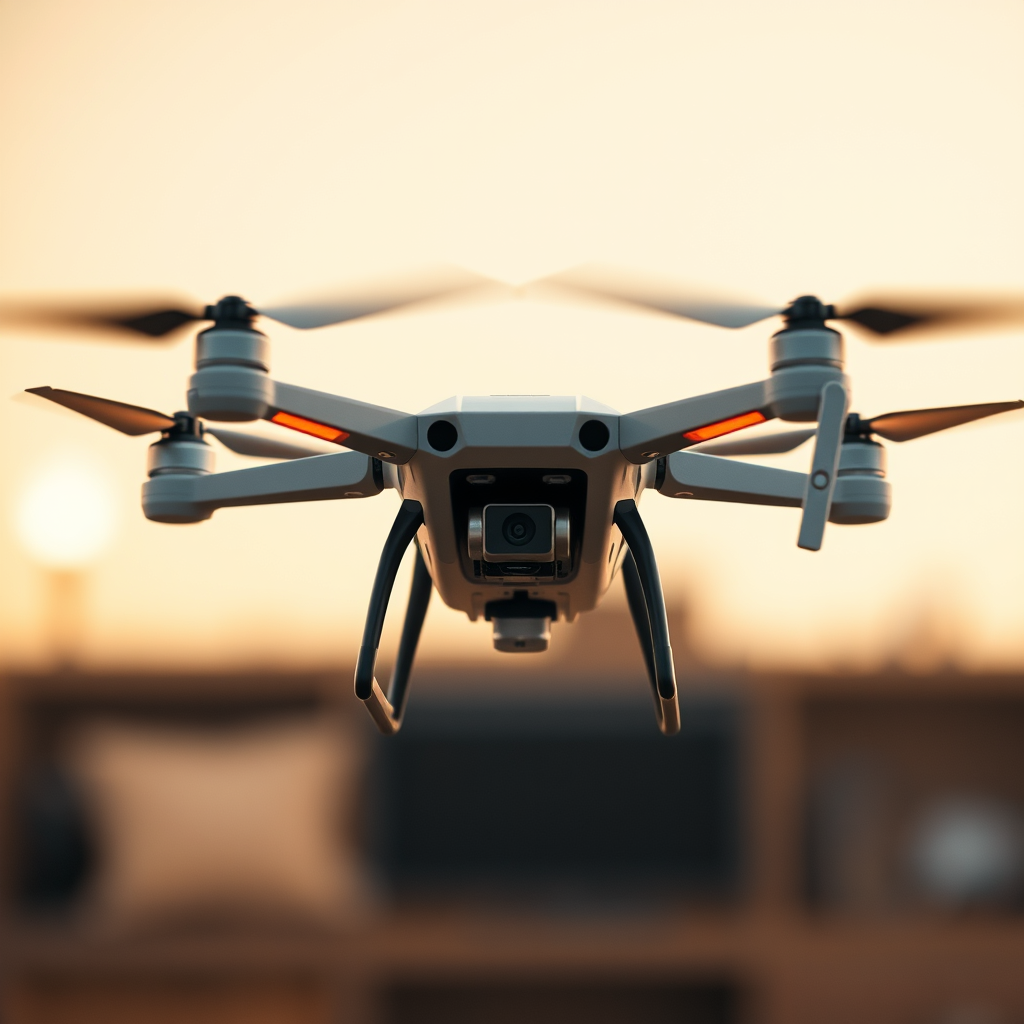
Hobby drones can typically fly anywhere from 200 to 400 feet above ground level, depending on the model and regulations. Understanding the factors that influence these limits is essential for safe and enjoyable flying. The Federal Aviation Administration (FAA) enforces strict guidelines that govern drone operation, while technological advancements in drone design also play a significant role in determining maximum altitude. In this article, we will explore the regulations, technical specifications, and practical considerations that affect how high hobby drones can fly.
Regulations Governing Drone Altitude
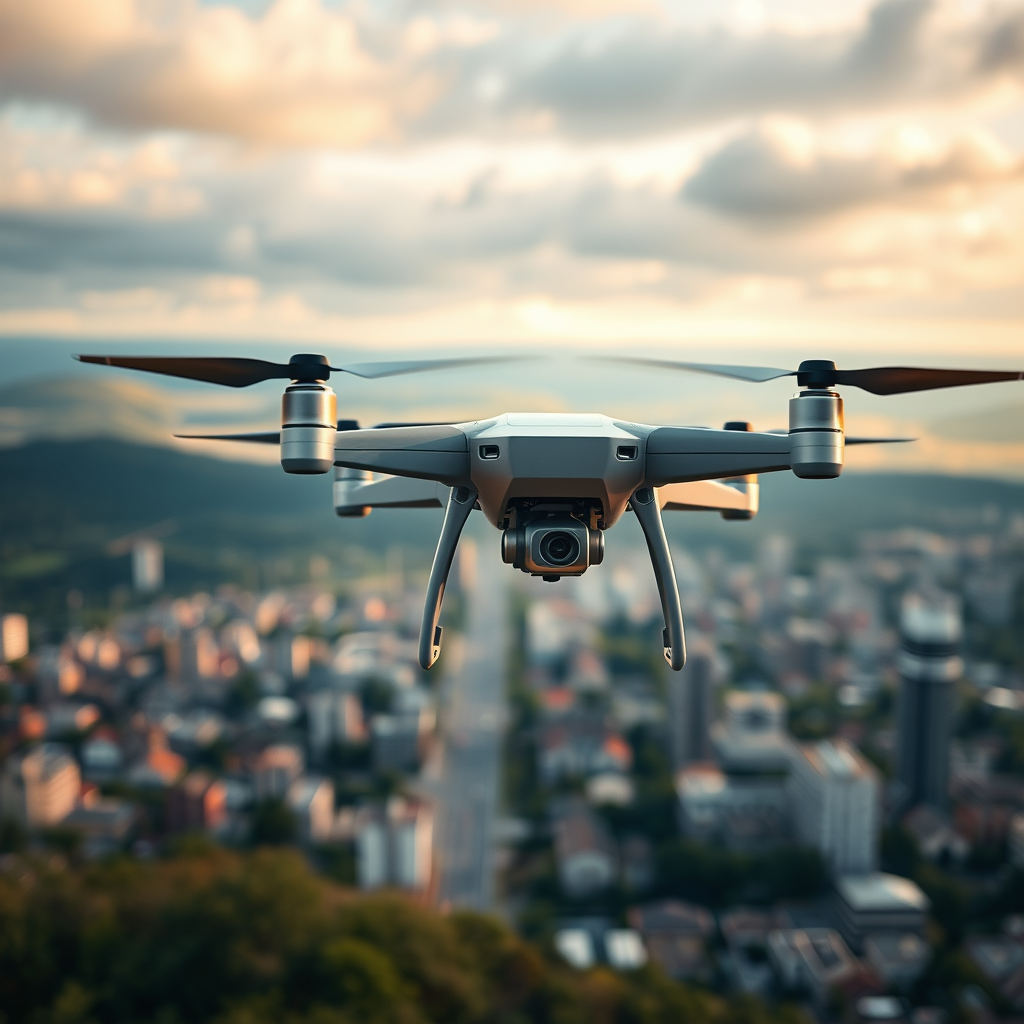
In the United States, the FAA sets the standard for hobby drone altitude, restricting flights to a maximum of 400 feet above ground level. This regulation is in place to ensure the safety of both the drone operators and other airspace users, including manned aircraft. It is crucial for hobbyists to understand that exceeding this altitude can lead to significant safety risks, as well as potential legal consequences.
Moreover, local laws may impose additional restrictions depending on specific areas. For example, flying a drone near airports, military bases, or urban environments may be subject to stricter regulations. Certain regions, such as national parks, may prohibit drone flights altogether to protect wildlife and natural landscapes. Therefore, before embarking on a flight, it is essential for drone enthusiasts to familiarize themselves with both federal and local regulations to avoid any legal issues.
Factors Influencing Drone Flight Height
Several factors can influence how high a hobby drone can effectively fly. One of the primary determinants is the design of the drone itself. Drones equipped with powerful motors and advanced aerodynamic features tend to have higher maximum altitude capabilities. For instance, high-end consumer drones, such as the DJI Phantom series, are engineered to reach their altitude limits with stability and control, allowing for a smoother flying experience.
Battery life is another critical factor that affects flight altitude. Drones with larger battery capacities can maintain higher altitudes for longer periods, whereas smaller, lighter drones may struggle to sustain power at elevated heights. Additionally, the weight of the drone plays a vital role; heavier drones may require more energy to remain airborne, limiting their operational altitude. Understanding the interplay between these factors can help drone operators maximize their flight performance while adhering to safety regulations.
Types of Hobby Drones and Their Altitude Limits
Hobby drones can be categorized into various types, each with specific altitude capabilities. Consumer drones, which are the most commonly used by hobbyists, typically have a maximum altitude limit of 400 feet. Models like the DJI Mavic Air and the Parrot Anafi are designed for user-friendliness and stable flight performance, making them excellent choices for recreational use.
On the other hand, racing drones are engineered for speed and agility. These drones often have the capability to reach altitudes beyond 400 feet, but they require specialized equipment and more experienced pilots to handle the challenges associated with flying at greater heights. Racing drones are usually built with lightweight materials and powerful motors, which enable them to perform acrobatic maneuvers and fly at impressive altitudes, albeit with the necessity for heightened control and awareness of surrounding airspace.
Safety Considerations for Flying at Altitude
Flying a drone at higher altitudes introduces a range of safety considerations that operators must be aware of. One significant risk is the potential for losing signal and control. As drones ascend, the communication range with the remote controller may diminish, increasing the likelihood of losing connection. This can lead to unintended consequences, such as the drone drifting off course or descending uncontrollably.
Weather conditions also play a critical role in determining safe flight at altitude. Wind speed and direction, temperature, and precipitation can all impact a drone’s stability during flight. For instance, strong winds can make it challenging to maintain altitude and control, while adverse weather conditions may pose risks to both the drone and the operator. Therefore, it is crucial to monitor weather forecasts and choose optimal flying conditions to ensure a safe and enjoyable experience.
Tips for Maximizing Your Drone’s Altitude
To make the most of your drone’s altitude capabilities, consider the following tips. First, ensure that your drone is fully charged before taking off. A well-maintained battery can provide the necessary power for extended flight times and maintain altitude effectively. Additionally, proper calibration of the drone’s sensors and controls is vital for achieving accurate performance at higher elevations.
Practicing in open areas is also essential. By flying in spacious environments, you can become more familiar with your drone’s handling and responsiveness, which is crucial when navigating higher altitudes. Start with lower altitudes and gradually increase as you gain confidence in your piloting skills. Furthermore, consider investing in additional accessories such as propeller guards and advanced GPS systems, which can enhance safety and stability during high-altitude flights.
Common Myths About Drone Altitude
Several misconceptions exist regarding the capabilities of hobby drones when it comes to altitude. One prevalent myth is that all drones can fly to extreme altitudes without limitations. In reality, every drone model has specific design parameters and regulatory constraints that dictate its maximum flying height. Understanding these limitations is essential for responsible drone operation.
Another common misconception is that flying higher automatically leads to better quality footage. While altitude can provide stunning aerial perspectives, other factors such as camera quality, stabilization technology, and lighting conditions play a more significant role in determining the quality of captured images and videos. Therefore, drone operators should focus on honing their skills and utilizing the technology available to them, rather than simply striving for higher altitudes.
In conclusion, while hobby drones can typically fly up to 400 feet, various factors, including regulations, design specifications, and environmental conditions, influence their actual flying height. Adhering to FAA guidelines, considering safety, and understanding your drone’s capabilities will enhance your flying experience. For ongoing tips and insights on flying drones, we encourage you to stay updated with our blog!
Frequently Asked Questions
What is the maximum altitude a hobby drone can fly?
The maximum altitude a hobby drone can fly typically ranges from 400 to 500 feet above ground level, as regulated by the Federal Aviation Administration (FAA) in the United States. This height limit is in place to ensure safety and to prevent interference with manned aircraft. However, some drones might have built-in altitude limits set by the manufacturer, so it’s essential to check your specific drone model’s specifications.
How can I increase the flight altitude of my hobby drone?
To increase the flight altitude of your hobby drone, you can modify the drone’s firmware or install high-performance parts, like stronger motors or larger propellers. However, keep in mind that exceeding the FAA’s altitude limit is illegal and can pose safety risks. Always prioritize safety and compliance with regulations when attempting to enhance your drone’s capabilities.
Why are there altitude restrictions for hobby drones?
Altitude restrictions for hobby drones are primarily in place to ensure the safety of both drone operators and manned aircraft. By limiting drones to a maximum height of 400 to 500 feet, authorities can minimize the risk of mid-air collisions and maintain orderly airspace. These regulations also help protect sensitive areas like airports, military zones, and populated regions.
Which drones have the highest maximum flight altitude?
Generally, high-end hobby drones such as the DJI Mavic 3 and the Autel Robotics EVO Lite+ can reach the higher end of the altitude spectrum, often around 5,000 to 6,000 feet when not limited by firmware or regulations. However, users should always adhere to local laws and regulations regarding drone flight altitude, as exceeding legal limits can result in penalties.
What should I do if my hobby drone exceeds the altitude limit?
If your hobby drone exceeds the altitude limit, it’s important to safely and immediately bring it back down to comply with regulations. Additionally, check the drone’s settings or firmware to adjust the altitude limit to prevent future occurrences. Consistently monitoring your drone’s altitude during flights can help you avoid fines and ensure safe operation within legal boundaries.
References
- https://en.wikipedia.org/wiki/Drone
- https://www.faa.gov/uas/getting_started/part_107/
- https://www.nasa.gov/aerospacesecurity/airspace/faq.html
- https://www.nytimes.com/2019/04/29/technology/drone-regulations.html
- https://www.reuters.com/article/us-usa-drone-regulations-idUSKBN1Z20V9
- https://www.theguardian.com/us-news/2018/oct/01/drone-regulations-faa-aviation-safety
- https://www.nist.gov/news-events/news/2020/01/drones-faa-requirements
- https://www.aopa.org/news-and-media/all-news/2020/july/27/faa-releases-drone-flight-altitude-data
