
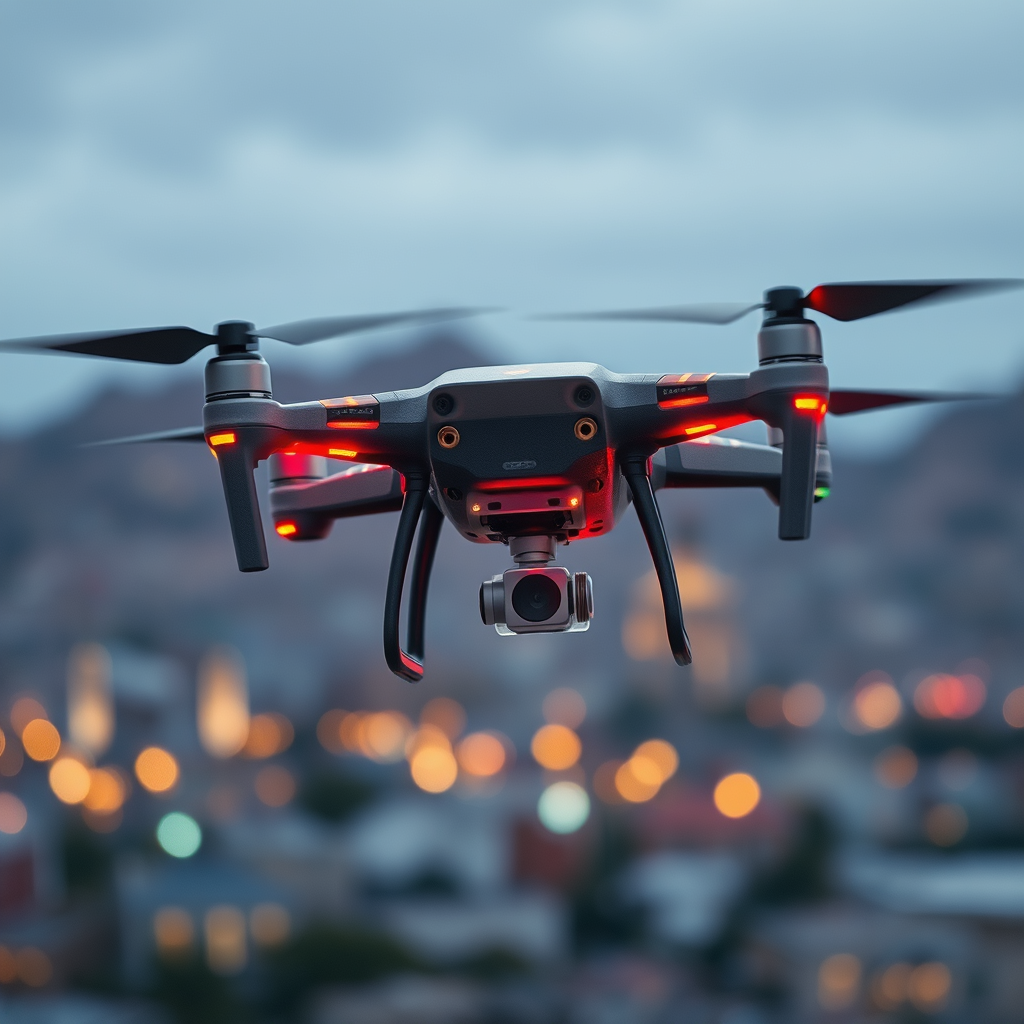
Holy Stone drones can typically fly up to 400 feet (about 122 meters) in the air, which is the standard maximum altitude recommended for most consumer drones. This height allows users to capture stunning aerial photography and videography while adhering to safety regulations established by aviation authorities. In this post, we will delve deeper into the flying capabilities of Holy Stone drones, the regulations governing their altitude, and various factors that influence their maximum flight height.
Understanding Drone Altitude Regulations
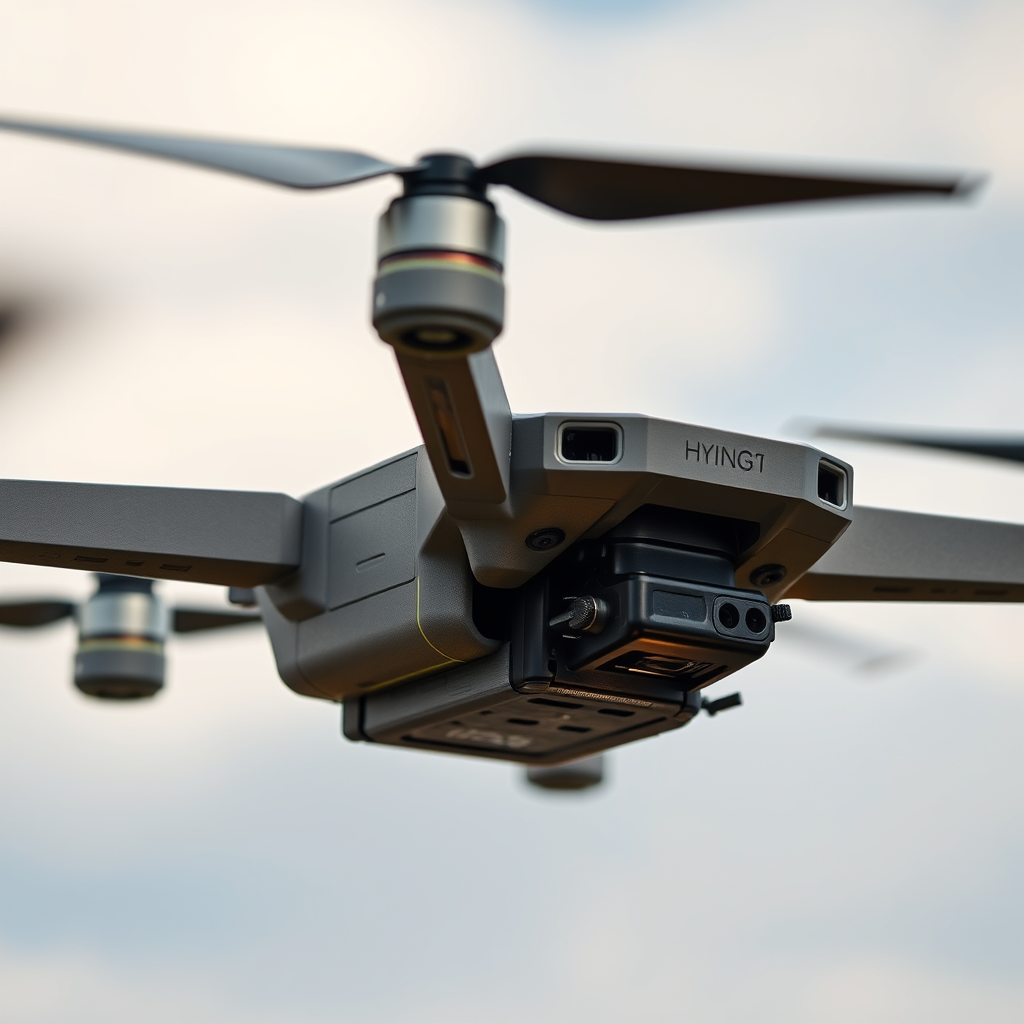
Drones are generally limited to a maximum altitude of 400 feet for safety reasons. This regulation is crucial for minimizing the risk of collisions with manned aircraft, maintaining air traffic safety, and ensuring that drone operators can manage their devices effectively. In the United States, for example, the Federal Aviation Administration (FAA) enforces this altitude limit, and many other countries have instituted similar regulations. However, it is essential to note that rules may vary from one jurisdiction to another. Therefore, drone operators should familiarize themselves with local laws and guidelines before flying. Compliance with these regulations not only helps ensure safety but also protects drone operators from potential fines and penalties.
Factors Affecting Flight Height
Several factors influence how high a Holy Stone drone can fly. One primary consideration is battery life, which directly impacts both the duration and altitude of a drone’s flight. As the battery depletes, so does the drone’s capability to maintain altitude. Most Holy Stone drones come equipped with lithium-polymer (LiPo) batteries that offer a range of flight times depending on the model and conditions. For instance, flying at higher altitudes generally requires more power to combat gravity and wind resistance, which can shorten the battery life.
Weather conditions also play a significant role in determining flight height. Wind speed, temperature, and precipitation can all affect a drone’s performance. For example, strong winds may create turbulence that can hinder a drone’s stability at higher altitudes, prompting operators to fly lower for safety. Additionally, cold temperatures can reduce battery efficiency, further limiting the drone’s operational height. Understanding these factors is essential for optimizing flight performance.
Flight Modes and Their Altitudes
Holy Stone drones often feature various flight modes tailored to different skill levels, such as beginner and advanced settings. Beginner modes typically restrict maximum altitude to simplify the flying experience for novice operators, allowing them to focus on mastering basic controls without the fear of losing their drone at high altitudes. In contrast, advanced flight modes may permit higher altitude settings and more complex flight maneuvers, enabling experienced users to take full advantage of the drone’s capabilities.
For instance, the Holy Stone HS720 offers multiple flight modes, including GPS-assisted flight and follow-me mode, which enhance user control and flexibility. In advanced mode, users may reach the maximum altitude limit of 400 feet, provided that they adhere to local regulations. Understanding which mode is most suitable for your skill level can greatly enhance your flying experience and safety.
Tips for Maximizing Flight Altitude
To make the most of your Holy Stone drone’s altitude capabilities, there are several tips to consider. First and foremost, ensure that the drone is fully charged before each flight. A fully charged battery maximizes flight duration and altitude potential. Regularly monitoring battery health and replacing old batteries when necessary can also ensure optimal performance.
Conducting regular maintenance checks is equally important for improving flight performance and safety. Inspect the drone’s propellers for any signs of wear and tear, ensuring they are clean and functioning correctly. Additionally, calibrating the drone’s compass and GPS before each flight can help maintain stability and accuracy, especially when flying at higher altitudes.
Lastly, familiarize yourself with the drone’s software and firmware updates, as manufacturers often release enhancements that can improve flight performance and safety features.
Best Practices for Safe Flying
Safety should always be a top priority when operating drones. One of the golden rules for safe flying is to maintain a visual line of sight with your drone at all times. This practice not only helps you keep track of your drone’s position but also aids in avoiding obstacles and other aircraft.
Moreover, it is crucial to avoid flying near airports, military bases, or crowded areas. Such locations pose risks to both your drone and other people and may violate local regulations. Always consult local airspace maps and drone regulations to ensure compliance before taking off.
Additionally, consider flying during optimal weather conditions—clear skies and mild winds are ideal for maximizing altitude and stability. Engaging in safe flying practices not only ensures your drone’s integrity but also enhances the overall experience.
Popular Holy Stone Drone Models and Their Specs
When discussing Holy Stone drones, several popular models stand out for their impressive specifications and flight capabilities. The Holy Stone HS720, for example, is a robust drone equipped with a 4K camera, GPS, and advanced stability features. This model can reach the maximum altitude of 400 feet, allowing users to capture breathtaking aerial footage.
Another noteworthy model is the Holy Stone HS110D, which, while more beginner-friendly, also boasts impressive flight capabilities, including a maximum altitude of 120 meters. This model is particularly suitable for novice users looking to develop their piloting skills.
Comparing features such as GPS functionality, camera quality, and battery life is essential when selecting a drone that meets your altitude and performance expectations. Higher-end models often provide better stability and ease of use, which can enhance the flying experience significantly.
In conclusion, Holy Stone drones can reach heights of up to 400 feet, making them highly suitable for various aerial activities. Understanding regulations, considering influential factors, and following safety practices are crucial for optimizing your flying experience. Always prioritize safety, perform regular checks, and embrace the capabilities of your Holy Stone drone to ensure an enjoyable and compliant flying experience. For more tips and insights into the world of drones, continue exploring our blog!
Frequently Asked Questions
How high can a Holy Stone drone fly?
The maximum altitude for Holy Stone drones typically ranges between 100 to 400 meters (328 to 1,312 feet), depending on the specific model. For instance, models like the Holy Stone HS720 are designed for higher altitudes, while entry-level models may have lower maximum heights. It’s important to check the user manual for your specific model to understand its flight capabilities and adhere to local regulations regarding drone flight altitude.
What factors influence the flying height of a Holy Stone drone?
Several factors can influence how high a Holy Stone drone can fly, including battery life, weight, weather conditions, and the drone’s design. Windy conditions can limit the effective flying height, while a fully charged battery allows for longer flight times at greater altitudes. Additionally, the drone’s firmware may restrict altitude to comply with aviation regulations, ensuring safe operation.
Why is it important to know the maximum altitude of a Holy Stone drone?
Knowing the maximum altitude of your Holy Stone drone is crucial for several reasons, including safety, compliance with aviation laws, and achieving optimal performance. Staying within the recommended altitude helps prevent collisions with manned aircraft and ensures that your drone is within the operational limits set by the manufacturer. This knowledge also aids in planning your aerial photography or videography sessions effectively.
Which Holy Stone drone models can fly the highest?
Among Holy Stone drones, models such as the HS720 and HS700 are known for their impressive flying capabilities, reaching altitudes of up to 400 meters. These models are equipped with advanced features such as GPS positioning and high-quality cameras, making them ideal for aerial photography enthusiasts who need higher flight ceilings for expansive shots. Always refer to the specifications of each model to ensure you select the best one for your needs.
How can I safely operate my Holy Stone drone at high altitudes?
To safely operate your Holy Stone drone at high altitudes, it’s essential to familiarize yourself with local regulations regarding drone flight and altitude limits. Ensure that your drone’s firmware is up to date and conduct pre-flight checks for battery life and weather conditions. Additionally, maintaining visual line of sight and using GPS features will enhance safety, allowing you to navigate effectively even at higher altitudes.
References
- https://en.wikipedia.org/wiki/Drone
- https://www.faa.gov/uas/getting_started/part_107/
- https://www.reuters.com/article/us-drones-idUSKBN1WZ1WQ
- https://www.sciencedirect.com/topics/engineering/unmanned-aerial-vehicle
- https://www.nasa.gov/mission_pages/earthscience/technology/drones.html
- https://www.techrepublic.com/article/how-high-can-drones-fly/
- https://www.theguardian.com/technology/2021/jul/02/drones-how-high-can-they-fly
- https://www.ncbi.nlm.nih.gov/pmc/articles/PMC7372649/
