
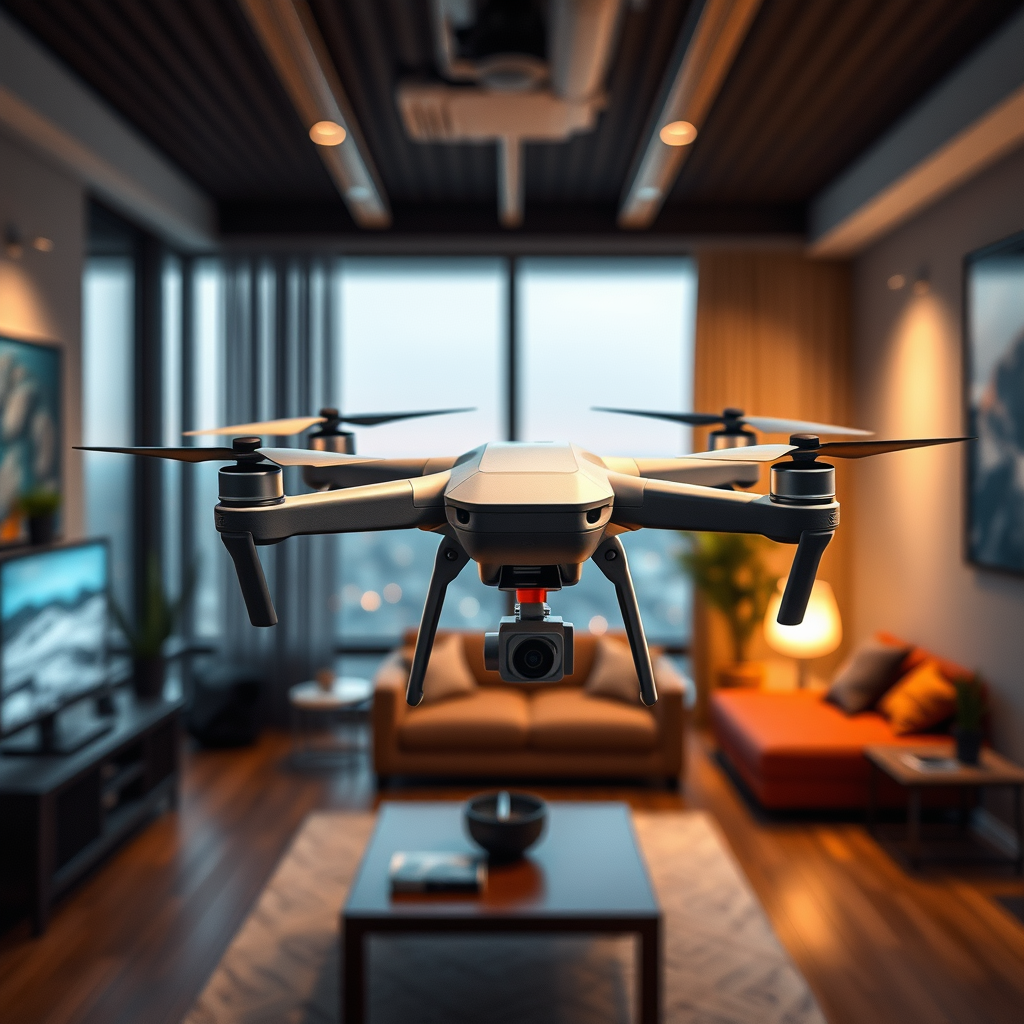
Civilian drones can typically fly up to 400 feet above ground level in the United States, according to FAA regulations. This altitude limit is primarily established for safety and operational efficiency, preventing potential collisions with manned aircraft. However, various factors—including drone models, local laws, and environmental conditions—can influence their maximum altitude. This article delves into the specifics of civilian drone flight height, regulatory frameworks, and essential safety considerations to provide a comprehensive understanding of drone operation in different environments.
Understanding FAA Regulations
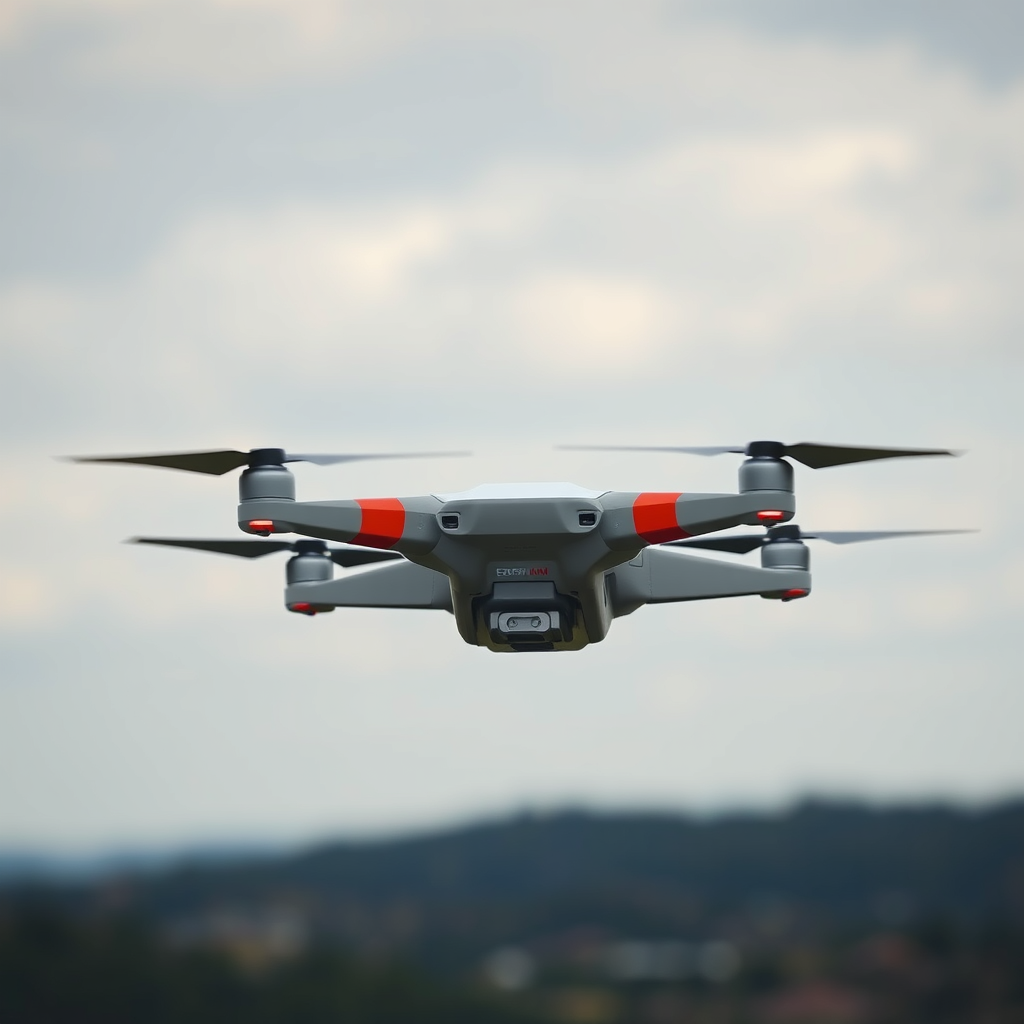
The Federal Aviation Administration (FAA) plays a crucial role in regulating the use of civilian drones in the United States. The agency has set the altitude limit for these unmanned aerial vehicles (UAVs) at 400 feet for several important safety reasons. Primarily, this regulation is intended to minimize the risk of collisions between drones and manned aircraft, which frequently operate at altitudes below 500 feet. By maintaining this altitude ceiling, the FAA ensures safer airspace management and promotes responsible drone operation.
Moreover, these regulations are part of a broader framework that also includes requirements for drone registration, pilot certification, and operational guidelines. For instance, drone operators must adhere to specific airspace classifications, such as Class B, C, D, and E airspace, which can have additional restrictions affecting altitude. Operators should familiarize themselves with these classifications to ensure they are compliant while enjoying the benefits of drone technology.
Factors Influencing Drone Altitude
Several factors can influence the maximum altitude a civilian drone can achieve beyond the established 400 feet limit. One of the most critical considerations is the drone model itself. Different drones possess varying specifications that dictate their performance capabilities. For example, consumer drones, such as the DJI Phantom series, are designed with built-in altitude restrictions, while advanced models utilized in commercial applications may have the technical capacity to fly higher, but they still must comply with FAA regulations.
Environmental conditions also play a significant role in determining how high a drone can safely fly. Weather factors such as wind speed, temperature, and air pressure can affect a drone’s stability and maneuverability. For instance, high winds can create turbulence, making it challenging for drones to maintain control at higher altitudes. Consequently, operators should always assess weather conditions before attempting to fly at or near the maximum altitude to ensure safe operations.
The Importance of Local Laws
In addition to federal regulations, local laws may impose additional restrictions on drone flight, including maximum altitude limits. Cities and states often have unique regulations that address specific concerns, such as privacy, noise, and safety. For instance, some municipalities may restrict drone flights in densely populated areas or near public events to minimize disruption and ensure public safety.
Drone operators must diligently research and understand these local regulations before taking to the skies. Failure to comply can result in fines, legal repercussions, or even the confiscation of the drone. Various online resources and local government websites provide valuable information on drone laws specific to various regions, helping operators stay informed and compliant.
Safety Considerations for High Altitude Flight
Flying at higher altitudes introduces a range of safety considerations that operators must account for. One of the most significant risks is the potential loss of signal or control, particularly in urban areas where obstacles such as buildings and power lines are prevalent. A drone flying at high altitude may encounter interference that can disrupt communication with its pilot, leading to potential accidents or crashes.
To mitigate these risks, it is essential for drone operators to maintain visual line of sight with their drones at all times during flight. This practice not only enhances control but also allows for better situational awareness regarding the environment and other air traffic. Additionally, operators should familiarize themselves with the emergency procedures for regaining control of their drones in case of signal loss, which could involve pre-programmed return-to-home functions or manual piloting techniques.
Understanding No-Fly Zones
No-fly zones are areas where drone flights are prohibited or severely restricted, often due to safety and security concerns. These zones typically include regions near airports, military installations, and national parks. The FAA has established these restrictions to safeguard sensitive areas and maintain air traffic safety.
Drone operators must familiarize themselves with no-fly zones before embarking on any flight. Various resources, such as the FAA’s B4UFLY app, provide up-to-date information on no-fly zones and airspace restrictions. Understanding these boundaries is critical to avoiding potential legal issues and ensuring responsible drone operation. Ignoring these regulations can lead to significant consequences, including hefty fines and criminal charges.
The Future of Drone Altitude Regulations
As drone technology continues to advance, the regulatory landscape is expected to evolve as well. Innovations in drone capabilities, such as increased flight range, improved navigation systems, and enhanced payload capacities, may prompt discussions about revising altitude limits and operational guidelines. Industry stakeholders, including manufacturers, drone operators, and regulators, are continually engaging in conversations about the future of drone regulations to strike a balance between safety and innovation.
Moreover, the growing integration of drone technology into various sectors, such as delivery services, agriculture, and infrastructure inspection, may necessitate the establishment of new operational frameworks. As these advancements unfold, it is crucial for drone operators to stay informed about potential changes in regulations that could impact their flight operations.
In summary, while civilian drones can generally fly up to 400 feet, several factors—including regulations, local laws, and safety considerations—play a crucial role in determining actual flight altitude. By understanding FAA regulations, local laws, drone specifications, and safety protocols, operators can navigate the complexities of drone flight responsibly. Staying informed and compliant not only ensures safe operations but also enhances the overall experience of enjoying this innovative technology.
Frequently Asked Questions
What is the maximum altitude a civilian drone can fly legally in the United States?
In the United States, civilian drones are generally restricted to a maximum altitude of 400 feet above ground level (AGL) when flying under the FAA’s Part 107 regulations. This rule helps prevent interference with manned aircraft and maintains safety in the airspace. If a drone is flown within a 400-foot radius of a building, it can be operated up to 400 feet above the structure’s height.
How does the maximum flight altitude for civilian drones vary by country?
The maximum flight altitude for civilian drones varies by country due to different regulatory frameworks. For example, in Canada, the legal limit is also 400 feet AGL, while in the UK, it is set at 400 feet but with additional restrictions depending on the area. It’s crucial for drone operators to familiarize themselves with local regulations to ensure compliance and safe flying practices.
Why are there altitude restrictions on civilian drones?
Altitude restrictions on civilian drones are primarily in place for safety and to prevent collisions with manned aircraft. By limiting drone flight to 400 feet AGL, regulatory agencies like the FAA can minimize risks in shared airspace and protect both drone operators and pilots of traditional aircraft. These regulations also help manage air traffic and ensure that drones do not interfere with emergency services or other critical operations.
What are the best practices for flying a drone at maximum altitude?
To safely fly a drone at maximum altitude, operators should first ensure they are familiar with local regulations and airspace restrictions. It’s also important to maintain visual line of sight with the drone, utilize pre-flight checks, and monitor weather conditions before taking off. Additionally, utilizing drones equipped with GPS and altitude hold features can help achieve stable and legal flight at maximum altitude.
Which drones are capable of flying higher than the legal altitude limit?
Some high-performance drones, particularly those designed for commercial or professional use, can technically fly higher than the legal altitude limit of 400 feet. Examples include certain models from DJI, Parrot, and Yuneec. However, it’s essential to note that operating these drones above the legal limit is illegal without special permissions, such as a waiver from the FAA, and can result in serious penalties. Always prioritize compliance and safety when operating a drone.
References
- https://en.wikipedia.org/wiki/Drone_regulations_in_the_United_States
- https://www.faa.gov/uas/getting_started/part_107/
- https://www.faa.gov/uas/faq/
- https://www.nytimes.com/2021/04/15/technology/drones-faa-regulations.html
- https://www.nasa.gov/aeroresearch/programs/ucav/faq.html
- https://www.reuters.com/technology/us-faa-says-civilian-drones-can-fly-400-feet-2021-04-05/
- https://www.sans.org/white-papers/40537/
- https://www.abc.net.au/news/2021-04-02/faa-approves-drone-operations-400-feet/100036126
- https://www.aviation.govt.nz/rules/part-101-aviation-security-and-advertising/part-101-and-part-102/
