
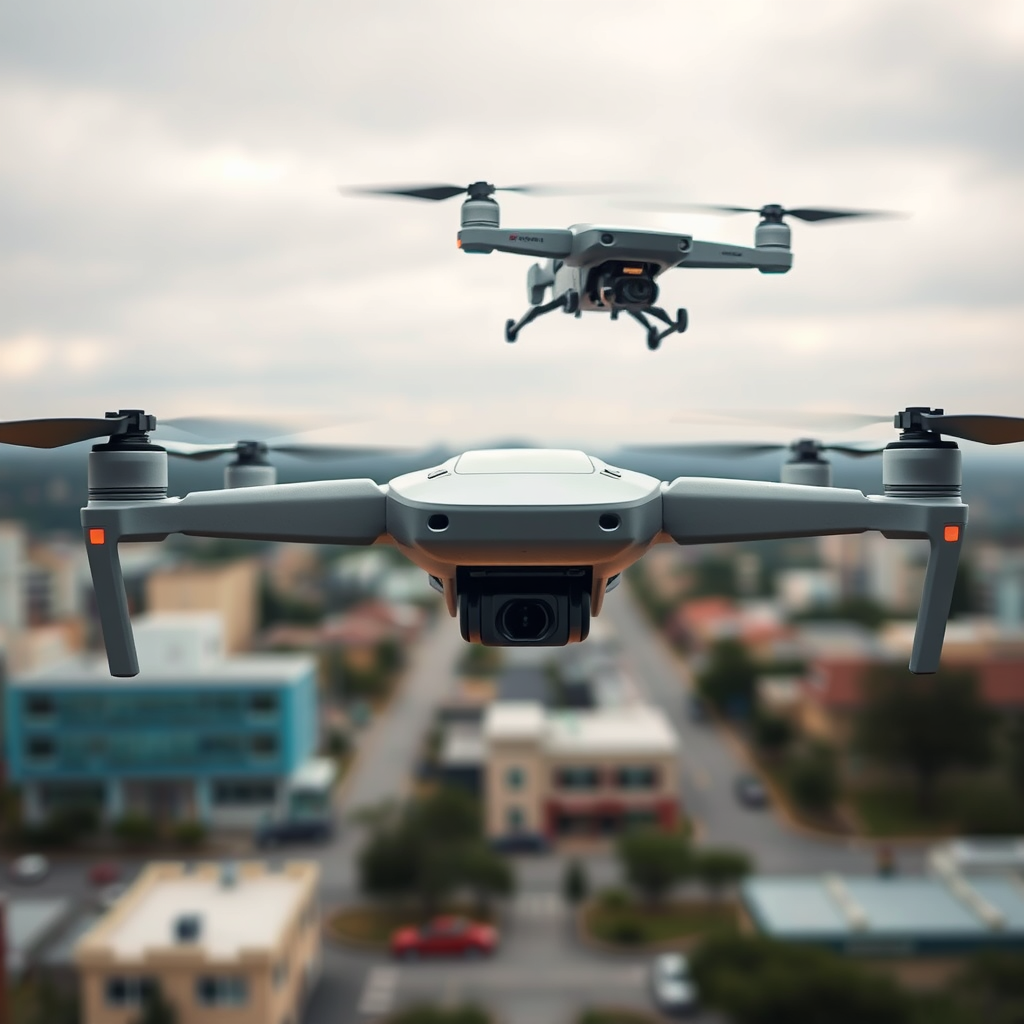
In California, the maximum altitude for flying a drone is generally capped at 400 feet above ground level, unless you are flying within 400 feet of a structure. This regulation is designed to ensure the safety of both the drone operator and the general public while maintaining compliance with Federal Aviation Administration (FAA) guidelines. Understanding these regulations, including exceptions and best practices, is crucial for responsible drone operation in the Golden State.
Understanding FAA Regulations
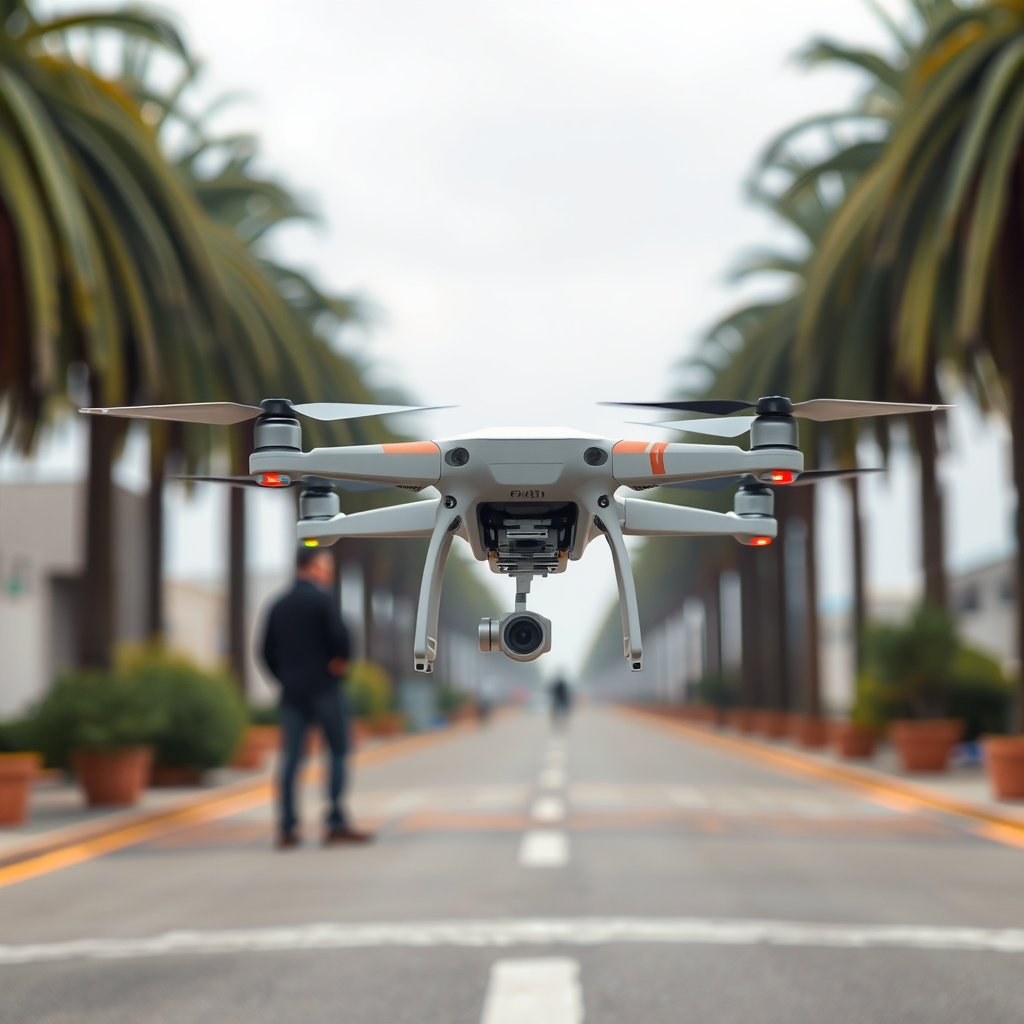
The Federal Aviation Administration (FAA) is the primary regulatory body overseeing airspace in the United States, including drone operations. According to FAA regulations, the maximum altitude for drone flights is set at 400 feet above ground level. This limit is crucial as it helps to prevent collisions with manned aircraft, which typically fly at higher altitudes. Additionally, drones must remain within the operator’s visual line-of-sight, ensuring that the pilot maintains control and is aware of their surroundings while flying. This regulation not only promotes safety but also enhances the overall experience by allowing drone operators to respond quickly to any potential hazards.
Operators should familiarize themselves with the FAA’s Part 107 guidelines, which govern commercial drone operations. These rules stipulate that drone pilots must pass an aeronautical knowledge test and obtain a Remote Pilot Certificate to legally operate drones for commercial purposes. Compliance with these regulations is essential for both hobbyists and commercial operators alike.
California State Laws
California has implemented additional laws and regulations that further govern drone usage, often addressing specific local concerns. For instance, many state parks, such as Joshua Tree and Channel Islands, prohibit drone flights to protect wildlife and preserve the natural landscape. Furthermore, flying near airports or heliports is heavily restricted to prevent accidents and ensure the safety of air traffic.
Local municipalities may also impose their own ordinances that can limit drone operations. For example, cities like San Francisco have stringent regulations, including designated “no-fly zones” in certain areas. Before flying a drone in California, it is imperative for operators to research and understand local laws to avoid penalties and ensure a safe flying environment.
Exceptions to Altitude Limits
While the standard altitude limit for drone operations is 400 feet, there are exceptions that allow for higher flights under specific circumstances. For instance, if a drone is being flown within 400 feet of a building or structure, it is permissible to exceed the 400-foot limit. This exception is particularly useful for aerial photography or construction surveying, where operators may need to capture images or data from elevated positions.
In addition, commercial drone operators may apply for special permissions from the FAA to operate at altitudes exceeding the standard limit. These permissions, known as waivers, are typically granted for specific missions that necessitate flying higher due to the nature of the work, such as utility inspections or large-scale aerial surveys. Operators seeking such permissions must demonstrate a thorough understanding of the risks involved and present a safety plan to mitigate potential hazards.
Safety Considerations
Safety is paramount when flying drones, and operators must be vigilant in maintaining a safe distance from populated areas, sensitive locations, and other aircraft. It is essential to respect privacy rights and avoid flying over private property without permission. Additionally, drone operators should always be aware of changing weather conditions, which can significantly impact flight safety. High winds, rain, or fog can reduce visibility and control, making it crucial to assess weather forecasts before any flight.
Operators should also consider the presence of wildlife, especially in natural areas, to avoid disturbing habitats. Practicing responsible flying not only ensures compliance with regulations but also helps foster a positive image of drone operators among the public.
Best Practices for Drone Pilots
Effective pre-flight planning is a cornerstone of responsible drone operation. Before taking to the skies, drone pilots should check airspace restrictions and weather conditions using reliable resources. The FAA’s B4UFLY app is a valuable tool for pilots, providing real-time information on airspace status and local regulations.
Additionally, operators should familiarize themselves with their drone’s specifications and capabilities, including maximum altitude, battery life, and range. Conducting thorough pre-flight inspections ensures that the drone is in optimal working condition, reducing the risk of malfunctions during flight.
Engaging with the drone community can also enhance a pilot’s knowledge and skills. Online forums, local clubs, and social media groups offer opportunities to share experiences, tips, and insights with fellow drone enthusiasts.
Popular Drone Flying Locations in California
California is home to numerous breathtaking landscapes that are ideal for drone flying, provided operators adhere to local regulations. National parks such as Yosemite and Sequoia offer stunning vistas and unique geological features that are perfect for aerial photography. However, it is essential to verify that drone flying is permitted in these areas, as many national parks have strict guidelines in place.
Beaches along the California coast, such as Malibu and Santa Monica, are also popular among drone pilots. While these locations provide beautiful seascapes, operators must be cautious of nearby airports and local regulations that may restrict flights. Always check for any temporary flight restrictions (TFRs) that may be in effect, particularly during events or emergencies.
In addition to natural landscapes, urban areas like San Diego and Los Angeles present opportunities for unique aerial shots of cityscapes. However, operators must remain mindful of privacy concerns and local laws regarding drone usage in densely populated areas.
In conclusion, while the maximum altitude for flying a drone in California is generally capped at 400 feet, there are specific regulations and exceptions that operators must understand to ensure a safe and enjoyable flying experience. By adhering to FAA guidelines, local laws, and best practices, drone pilots can explore California’s diverse landscapes responsibly. Always prioritize safety, plan meticulously, and respect the environment as you embark on your drone flying adventures. Happy flying!
Frequently Asked Questions
What is the maximum legal altitude for flying a drone in California?
In California, the maximum legal altitude for flying a drone is generally 400 feet above ground level (AGL) as per the Federal Aviation Administration (FAA) regulations. This restriction helps to ensure the safety of manned aircraft and minimizes the risk of collisions. However, if you are flying near a structure, you may fly up to 400 feet above the structure’s immediate uppermost point, provided you remain within a 400-foot radius of the structure.
How can I find out if there are any restrictions on flying drones in my area in California?
To check for any drone flight restrictions in California, you can use the FAA’s B4UFLY app, which provides real-time information on airspace restrictions, temporary flight restrictions (TFRs), and other important notices. Additionally, you can visit local government websites or consult specific zoning regulations, as some areas may have additional limitations on drone usage, particularly in state parks or near airports.
Why are there altitude restrictions for flying drones in California?
Altitude restrictions for flying drones in California are primarily in place to ensure safety in the airspace and to protect manned aircraft operations. By limiting drone flights to 400 feet AGL, the FAA aims to reduce the risk of collisions and maintain an orderly air traffic system. These regulations also help safeguard privacy and avoid disturbances in populated areas.
What should I do if I want to fly my drone higher than 400 feet in California?
If you wish to fly your drone higher than 400 feet in California, you will need to obtain a Part 107 waiver from the FAA. This process involves submitting a request that outlines your flight plan, safety measures, and the purpose of the higher altitude flight. It can be a time-consuming process, so it’s essential to plan ahead and ensure that your application is thorough and well-prepared to increase your chances of approval.
Which drones are best suited for high-altitude flying in California?
While the legal altitude limit for drones is 400 feet, if you’re considering high-altitude capabilities for photography or surveying, drones like the DJI Matrice 300 RTK or the Autel Robotics EVO Lite+ are excellent choices due to their advanced flight stability and long battery life. These drones offer reliable performance, high-quality imaging, and robust safety features, making them suitable for various applications, even within legal altitude limits. Always ensure compliance with local regulations, regardless of the drone’s capabilities.
References
- https://www.faa.gov/uas/getting_started/part_107
- https://www.faa.gov/uas/
- https://www.nolo.com/legal-encyclopedia/drone-laws-california-367546.html
- https://www.californiadrones.org/
- https://www.nytimes.com/2021/03/25/us/drone-regulations.html
- https://www.sfgate.com/news/article/California-drone-laws-2021-16113909.php
