
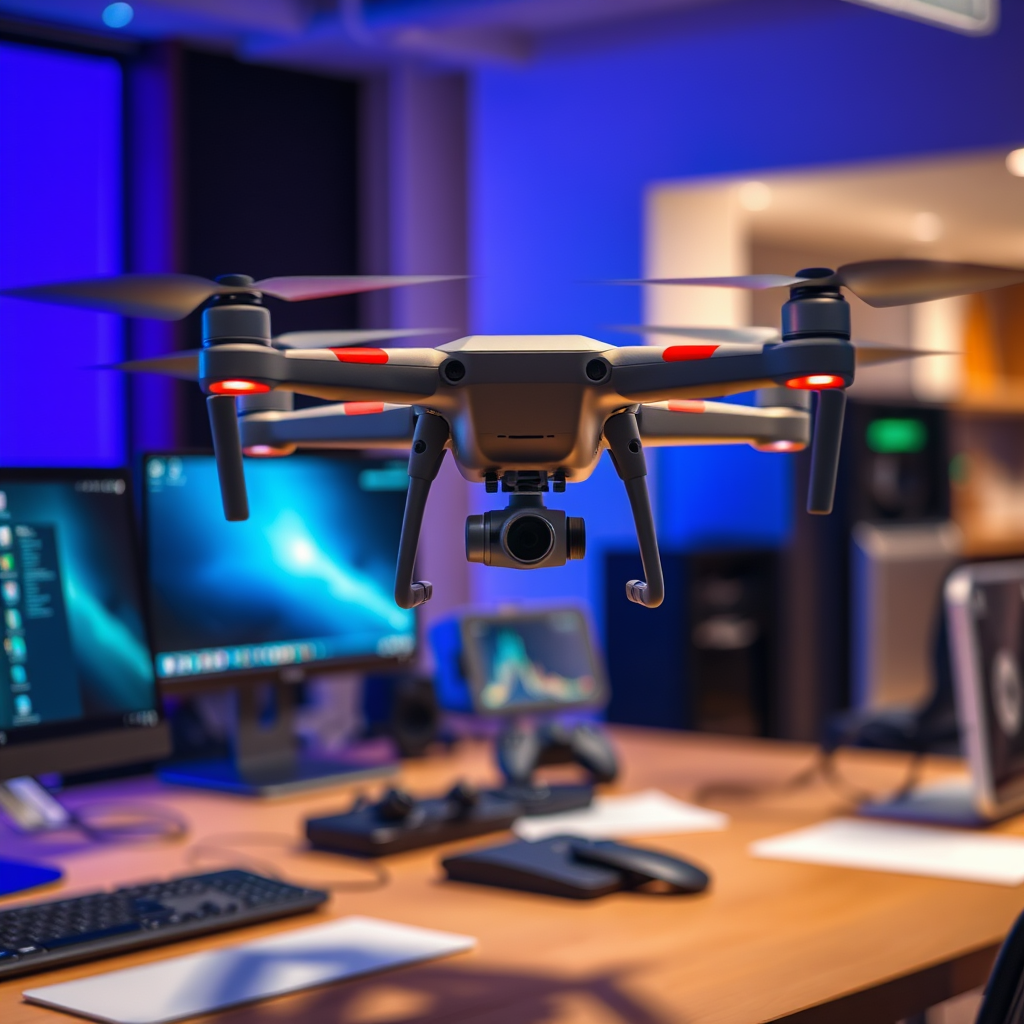
Most consumer drones can fly anywhere from 20 to 40 minutes on a single battery charge, depending on various factors such as weight, wind conditions, and battery capacity. Understanding these factors can help users optimize flight time and enhance their aerial experience. As the drone industry continues to evolve, knowing how long you can expect a drone to stay airborne is crucial for effective flight planning, whether for recreational purposes or professional applications.
Understanding Drone Battery Life
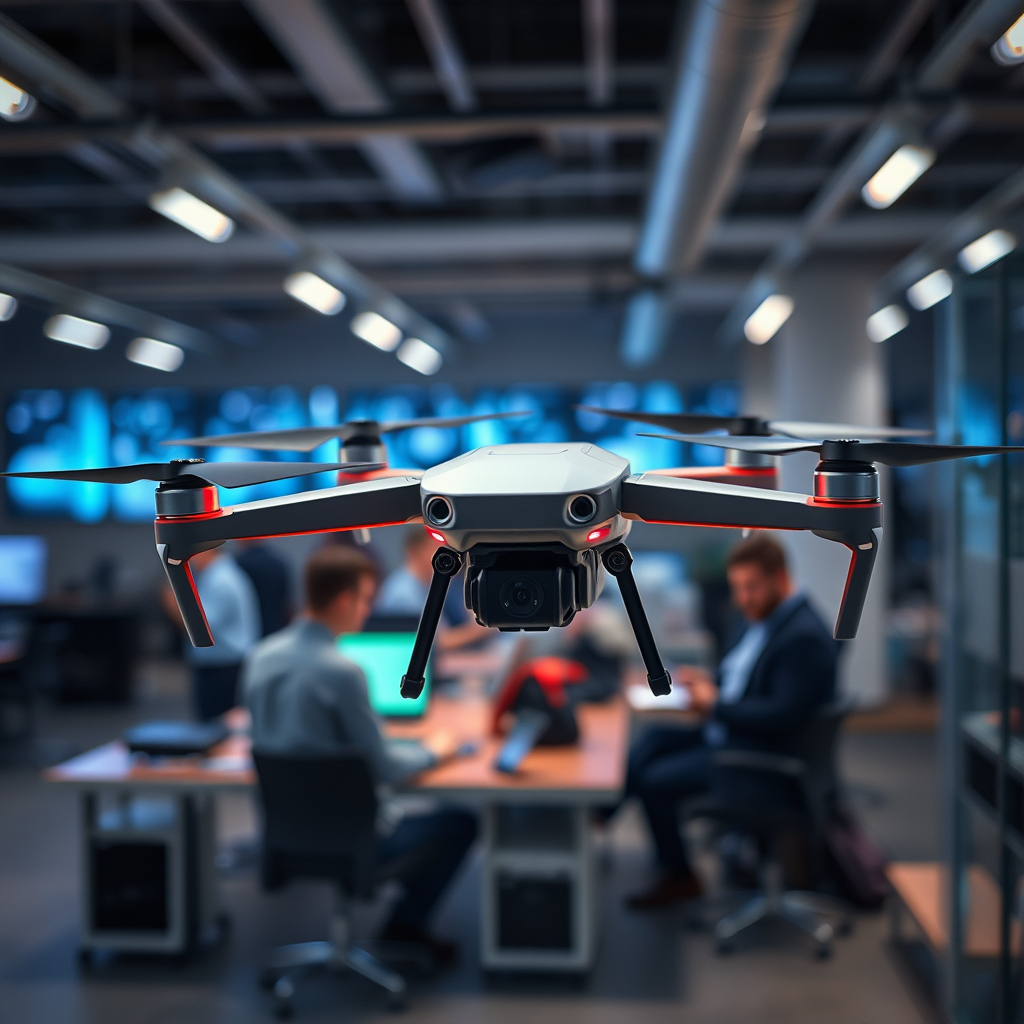
The performance of a drone is heavily influenced by its battery type. The two most common types of batteries used in drones are Lithium Polymer (LiPo) and Lithium-ion (Li-ion). LiPo batteries are favored for their high energy density and lightweight, making them ideal for drone applications. They provide high discharge rates, which can enhance flight performance. On the other hand, Li-ion batteries, while heavier and generally having a lower discharge rate, tend to have a longer shelf life and are often used in consumer electronics.
Average battery capacities for common drones vary widely. For instance, many consumer drones come equipped with batteries ranging from 1,500 mAh to 5,000 mAh. A drone with a higher mAh rating can typically sustain longer flight times. For example, a popular model like the DJI Mini 2 features a 2,250 mAh battery, allowing for a maximum flight time of around 31 minutes under optimal conditions. Understanding the nuances of battery life and capacity can empower drone operators to make informed decisions about their equipment.
Factors Affecting Flight Time
Several factors can significantly impact a drone’s flight time, the most notable being weight and payload. The weight of the drone itself, along with any additional accessories such as cameras, gimbals, or extra batteries, can reduce overall flight duration. For instance, adding a high-quality camera to a drone designed for casual flying can decrease its flight time by 5 to 10 minutes, depending on the total weight added.
Weather conditions also play a crucial role in determining flight time. Wind can create drag, causing the drone’s motors to work harder to maintain stability and altitude, thereby draining the battery faster. Similarly, extreme temperatures can affect battery performance; cold weather can reduce battery efficiency, leading to shorter flight times. Operators should always check weather reports and adjust their flight plans accordingly.
Types of Drones and Their Flight Times
Consumer drones typically offer flight times ranging from 20 to 40 minutes. For example, the DJI Mavic Air 2 boasts a flight time of approximately 34 minutes, while the Parrot Anafi offers around 25 minutes. These drones are designed for photography and recreational use, providing a balance between performance and affordability.
Professional drones, on the other hand, often come equipped with advanced technology and enhanced battery capabilities, allowing for extended flight times. The DJI Matrice 300 RTK, a high-end model used for industrial applications, can achieve flight times of up to 55 minutes under optimal conditions. Such drones are often equipped with multiple batteries or larger capacity packs to support longer missions, making them suitable for tasks like aerial surveying and search-and-rescue operations.
Extending Drone Flight Time
To maximize battery life and flight duration, drone operators can adopt several strategies. Conducting pre-flight checks is essential. This includes ensuring that the propellers are in good condition, the battery is fully charged, and any unnecessary accessories are removed. Pilots should also consider flying in optimal weather conditions, avoiding strong winds and extreme temperatures.
Adjusting flight settings can also help extend battery life. Many drones offer power-saving modes, reducing maximum speed and altitude limits to conserve energy. Additionally, flying at lower altitudes and speeds can lessen the drain on the battery, allowing for longer flight times.
Upgrading batteries is another viable option for extending flight duration. Some manufacturers offer high-capacity battery packs designed specifically for their drone models. For example, upgrading from a standard battery to a high-capacity option can provide additional flight time, although it is essential to ensure compatibility with the drone’s design and weight specifications.
Regulations and Flight Time Considerations
Drone operators must also be aware of regulations governing drone flights, particularly those set by the Federal Aviation Administration (FAA) in the United States. While the FAA does not impose specific time limits on drone flights, operators are required to keep their drones within visual line-of-sight and abide by altitude restrictions, which can indirectly affect how long a flight can be effectively conducted.
Safety measures are crucial for ensuring successful landings, especially as battery levels deplete. Operators should monitor battery levels throughout the flight and plan for a safe return well before reaching the critical low-battery threshold. Many drones come equipped with return-to-home features that can be activated when battery levels fall below a certain point, automatically guiding the drone back to its launch location.
The Future of Drone Technology
The future of drone technology looks promising, particularly in the realm of battery advancements. Researchers are exploring new materials and technologies to create batteries that can hold more energy and have faster charging times. Innovations such as solid-state batteries could potentially revolutionize drone performance, offering longer flight times and increased safety.
Additionally, the potential for solar-powered drones is becoming increasingly viable. Integrating solar panels into drone designs could allow for continuous operation during daylight hours, significantly extending flight capabilities without the need for frequent battery changes. This innovation could have profound implications for industries such as agriculture, surveillance, and environmental monitoring, where long endurance flights are essential.
In summary, understanding how long a drone can fly and the factors influencing flight time is essential for both hobbyists and professionals. By considering battery life, payload, and weather conditions, drone operators can enhance their flying experience and ensure successful missions. As technology continues to advance, the possibilities for extended flight times and new operational capabilities are expanding, making the future of drone aviation an exciting field to watch. For more tips on optimizing your drone usage, stay tuned for our upcoming articles!
Frequently Asked Questions
How long can a drone typically fly on a single battery charge?
The flight time of a drone on a single battery charge generally ranges from 20 to 40 minutes, depending on the model and the type of drone. Consumer drones, like those from DJI, often provide around 25-30 minutes of flight time, while racing drones might offer less due to higher power demands. Factors such as payload weight, flying style, and environmental conditions can also significantly impact flight duration.
What factors affect how long a drone can fly?
Several key factors influence a drone’s flight time, including battery capacity, drone weight, weather conditions, and flight maneuvers. Drones with larger batteries can often fly longer, while heavier drones may consume more power during flight. Additionally, adverse weather conditions such as strong winds or rain can reduce flight time by requiring more energy for stability and control.
Why do some drones have shorter flight times than others?
Drones may have shorter flight times due to differences in battery size, motor efficiency, and overall design. For instance, racing drones are built for speed and agility, often sacrificing battery life for performance, while camera drones prioritize stability and longer flight time for capturing high-quality footage. Additionally, the materials used in construction and the technology powering the drone can also influence its endurance in the air.
What is the best drone for long flight times?
If you’re looking for a drone with extended flight times, the DJI Mavic 3 is an excellent choice, boasting up to 46 minutes of flying time under optimal conditions. Other options include the Autel Robotics EVO Lite+ and the Skydio 2, both known for their impressive battery life and performance. When selecting a drone for longer flights, consider battery capacity, weight, and energy-efficient design to enhance your flying experience.
How can I maximize my drone’s flight time?
To maximize your drone’s flight time, start by ensuring your battery is fully charged and well-maintained. Reduce unnecessary weight by removing non-essential accessories, and fly in calm weather conditions to minimize resistance. Additionally, practice smooth flying techniques, such as gentle ascents and descents, and avoid rapid maneuvers that consume more battery power. Regular firmware updates can also enhance performance and efficiency, leading to longer flight durations.
References
- https://en.wikipedia.org/wiki/Drone
- https://www.nasa.gov/mission_pages/tdm/faq.html
- https://www.faa.gov/uas/getting_started/part_107/
- https://www.reuters.com/technology/drone-flying-technology-2021-01-15/
- https://www.sciencedirect.com/science/article/pii/S2213138821000186
- https://www.dji.com/us/education/faq
- https://www.theguardian.com/technology/2021/jun/30/drone-flying-time-battery-life-technology
