

Drones can typically hover in one spot for anywhere from 20 minutes to an hour, depending on several factors such as battery life, weight, and weather conditions. Understanding these factors can help you maximize your drone’s hovering capabilities and ensure optimal performance during your flights. By exploring the various elements that influence hovering time, you can enhance your drone operation experience and achieve better results, whether for recreational or professional purposes.
Understanding Drone Battery Life
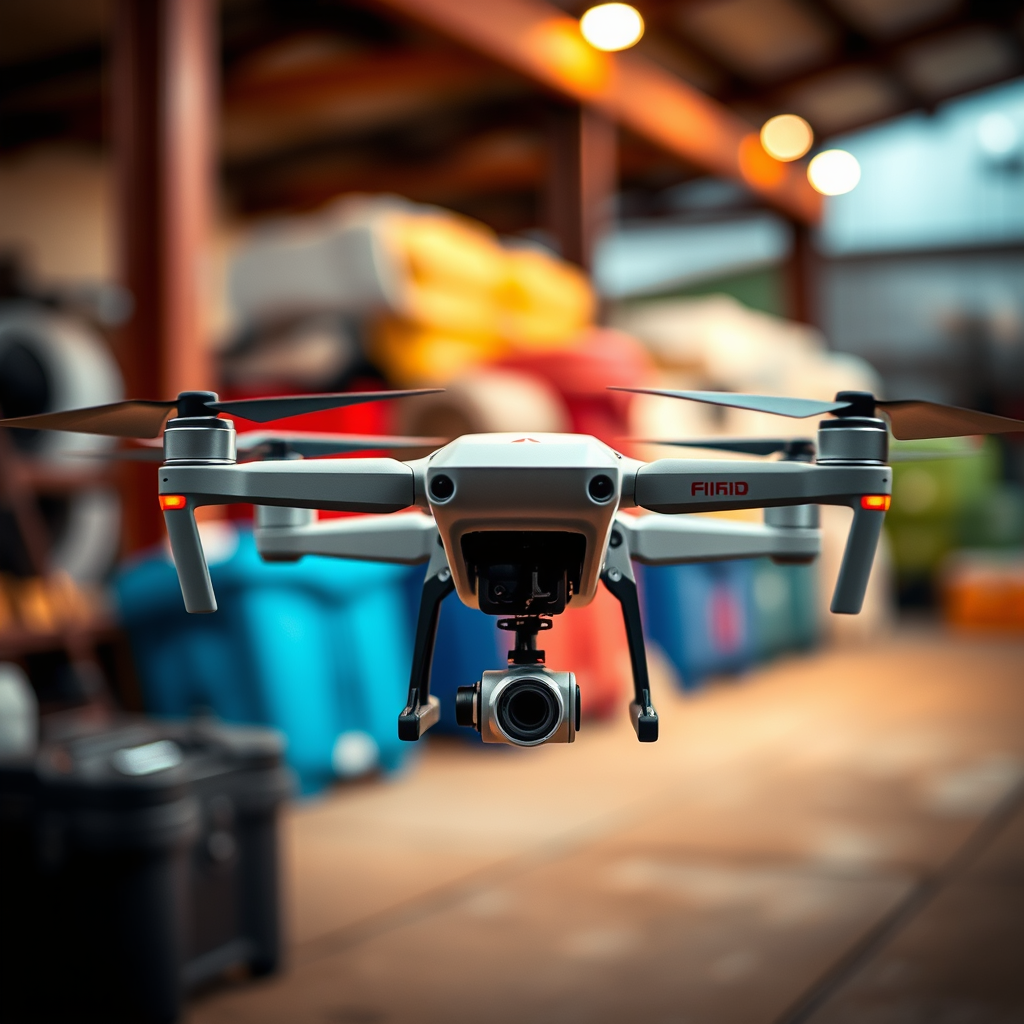
Battery life is one of the most critical factors affecting a drone’s ability to hover. The capacity of a drone’s battery, measured in milliamp hours (mAh), directly correlates with the duration of flight. Generally, drones equipped with larger batteries can sustain longer hover times. For instance, a drone with a 5000 mAh battery can hover significantly longer than one with a 2000 mAh battery.
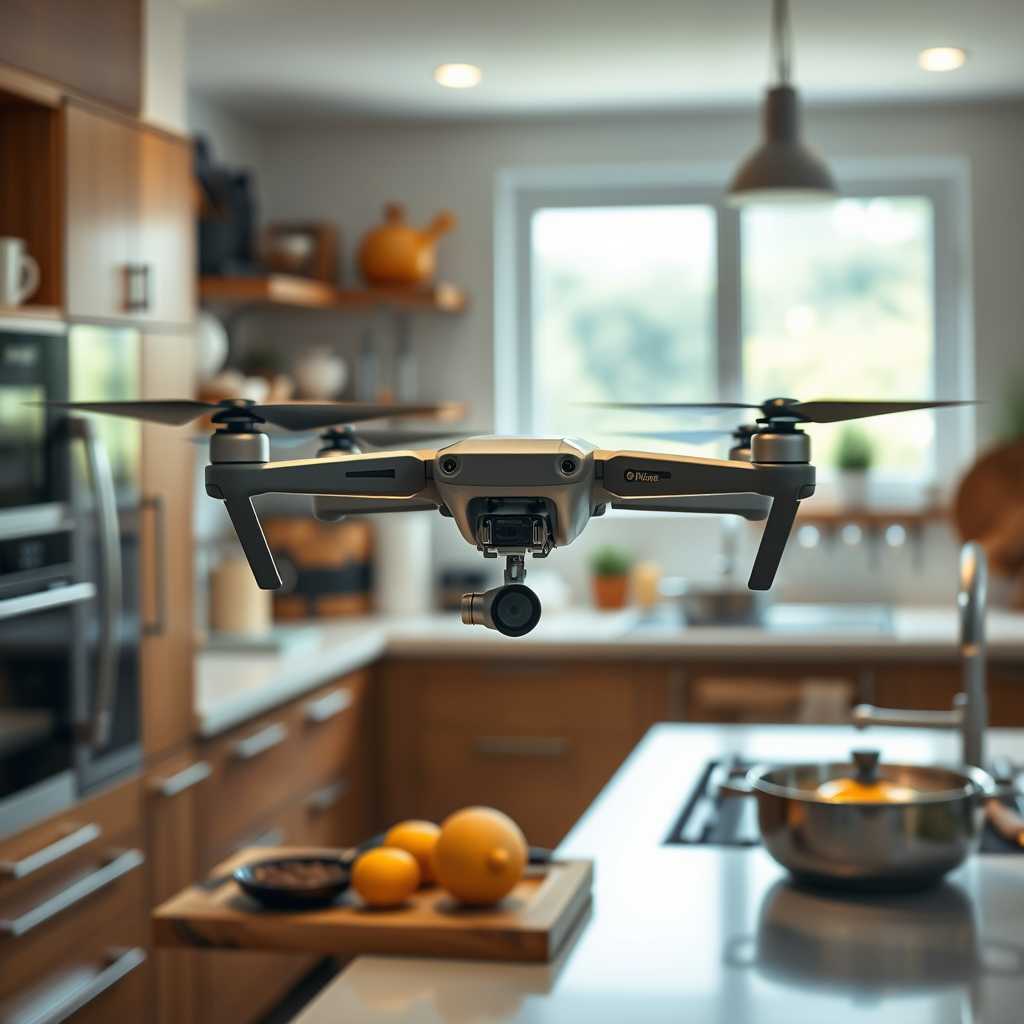
Moreover, environmental conditions also play an essential role in battery performance. Cold temperatures can reduce battery efficiency, leading to shorter flight times. Conversely, moderate temperatures often yield the best results for battery performance. It is crucial for drone operators to monitor battery levels meticulously, especially when planning to hover for extended periods. Utilizing features like battery management systems can help track battery health and optimize usage.
Weight and Load Considerations
The weight of the drone itself, along with any additional payload, can significantly affect hover time. Drones are designed to carry a specific maximum load, and exceeding this weight can lead to a decrease in efficiency and battery life. For example, if a drone is designed to carry 250 grams but is loaded with 300 grams, the extra weight will cause the motors to work harder, leading to faster battery depletion.
To maximize hover time, operators should consider flying without unnecessary equipment or accessories. Additionally, balancing the load on the drone can optimize its performance. A well-balanced drone requires less energy to hover, thus prolonging the duration it can maintain a stationary position in the air. Regularly assessing the taken payload and ensuring it falls within the recommended limits is essential for effective flight management.
Environmental Factors Impacting Hovering
Environmental factors such as wind speed and direction can greatly influence a drone’s ability to maintain a stable hover. Even light winds can affect hover stability, causing the drone to drift and consume more power as it compensates for the wind. For instance, a drone hovering in a gusty environment may require additional power to stabilize itself, thereby reducing its overall hover time.
Moreover, adverse weather conditions such as rain or extreme temperatures can limit hover capabilities. Drones are generally not designed for wet weather, and flying in such conditions can lead to reduced battery life and potential damage to the drone’s electronics. Operators should always check local weather forecasts before flying and avoid operating drones in inclement conditions to ensure safety and optimal performance.
Drone Type and Model Differences
The type and model of a drone can significantly influence its hovering capabilities. Consumer drones such as the DJI Mavic series or the Phantom series are often designed with longer flight times in mind, allowing for extended hovering. In contrast, racing drones are built for speed and agility, typically resulting in shorter hover durations.
For example, a DJI Mavic Air 2 can hover for approximately 34 minutes under optimal conditions, while a racing drone may hover for only around five to ten minutes due to its lightweight design and powerful motors that prioritize speed over endurance. When choosing a drone, it is essential to consider the intended use and select a model that aligns with your hovering needs.
Techniques to Extend Hover Time
To maximize your drone’s hover time, several techniques can be employed. One effective strategy is to utilize energy-efficient flying modes that many modern drones offer. These modes adjust the drone’s performance characteristics to optimize battery usage during flight, allowing for longer hovering capabilities.
Additionally, regular maintenance of the drone is crucial for maintaining optimal performance. Keeping the propellers clean, ensuring the motors are free of debris, and updating firmware can enhance efficiency and prolong hover time. An operator should also familiarize themselves with their drone’s settings and capabilities to make informed decisions during flight.
Safety and Legal Considerations
When hovering a drone, it is vital to adhere to local regulations regarding airspace and hovering times. Different regions have specific laws governing drone operations, including altitude restrictions and no-fly zones. Familiarizing yourself with these regulations not only ensures compliance but also enhances safety during flights.
Moreover, monitoring the drone’s battery level is essential to prevent crashes during extended hovering. Many drones come equipped with low-battery alerts, but operators should proactively manage flight time to avoid running out of power unexpectedly. Implementing a flight plan that accounts for battery life can help mitigate risks associated with hovering.
In conclusion, the duration a drone can hover in one spot is influenced by several factors including battery life, weight, and environmental conditions. By understanding these elements, you can enhance your drone’s performance and ensure safe operation. Always keep an eye on battery levels and be mindful of regulations to enjoy a successful flying experience. Whether you are using your drone for photography, surveying, or recreational purposes, applying this knowledge will allow you to make the most of your hovering capabilities.
Frequently Asked Questions
What factors influence how long a drone can hover in one spot?
The duration a drone can hover is primarily influenced by factors such as battery capacity, drone weight, weather conditions, and the type of drone. For instance, consumer drones generally have a flight time of 20 to 30 minutes, but hovering consumes more energy than forward flight, which can reduce this time. Additionally, heavier payloads or adverse weather conditions like wind can lead to decreased battery efficiency, affecting hover time.
How can I extend the hover time of my drone?
To extend your drone’s hover time, consider using high-capacity batteries, minimizing the payload weight, and flying in optimal weather conditions. Additionally, maintaining your drone’s propellers and ensuring they are clean and in good condition can improve efficiency. Lastly, flying in a more energy-efficient mode or utilizing intelligent flight features can help conserve battery power while hovering.
Why do some drones hover longer than others?
The hover time of a drone can vary significantly due to design differences, battery technology, and motor efficiency. High-end drones often feature advanced battery management systems and lightweight materials, allowing for longer hover durations. Moreover, drones designed explicitly for aerial photography or surveying may have enhanced stability and power management systems, enabling longer hovering capabilities compared to toy or entry-level models.
What is the best drone for long hover times?
The best drones for long hover times typically include models such as the DJI Mavic 3, which boasts a flight time of up to 46 minutes, and the Autel EVO Lite+, known for its impressive battery life. These drones are engineered with advanced battery technology and efficient motors, making them ideal for users who require extended hovering capabilities for tasks like aerial photography or surveying.
Which conditions can affect my drone’s ability to hover steadily?
Several environmental conditions can impact a drone’s ability to hover steadily, including wind speed, temperature, and humidity. High winds can make it challenging for a drone to maintain a stable hover, as it has to constantly adjust to the changing air currents. Additionally, extreme temperatures can affect battery performance and motor efficiency, potentially reducing hover stability and duration.
References
- https://en.wikipedia.org/wiki/Drone
- https://www.nasa.gov/press-release/nasa-s-drones-are-flying-the-skies-to-test-advanced-technology
- https://www.faa.gov/uas/
- https://www.sciencedirect.com/science/article/pii/S235286481730144X
- https://www.theguardian.com/technology/2020/jun/04/drones-uk-uses-risks-regulations
- https://www.researchgate.net/publication/322384026_Analysis_of_the_hovering_time_of_a_quadrotor_drone
- https://www.ncbi.nlm.nih.gov/pmc/articles/PMC6525772/
- https://www.aaai.org/ojs/index.php/aimagazine/article/view/2507
