

Quantum computing plays a significant role in enhancing drone optimization by enabling faster processing of complex algorithms, leading to improved decision-making and operational efficiency. As industries increasingly turn to drones for various applications—from logistics to surveillance—integrating quantum computing could revolutionize how these aerial vehicles are utilized. This article will explore the transformative potential of quantum computing on drone technology, highlighting its implications across multiple sectors.
Understanding Quantum Computing
Quantum computing is a cutting-edge field of study that leverages the principles of quantum mechanics to perform computations beyond the reach of classical computers. Unlike classical computing, which uses bits as the smallest unit of information (represented as either a 0 or a 1), quantum computing employs quantum bits or qubits. Qubits can exist in multiple states simultaneously due to the phenomenon known as superposition. This capability allows quantum computers to process complex sets of data much more efficiently than their classical counterparts. Furthermore, quantum entanglement, another key principle, enables qubits to be interconnected in ways that significantly enhance computational power.
When comparing classical and quantum computing, the distinctions become clearer. Classical computers rely on sequential processing, executing one operation at a time, which limits their speed and efficiency in handling vast datasets. In contrast, quantum computers can perform multiple calculations at once, solving problems in minutes or seconds that would take classical computers years to resolve. This leap in computational capability presents significant opportunities for optimizing drone operations across various applications.
Impact on Drone Navigation
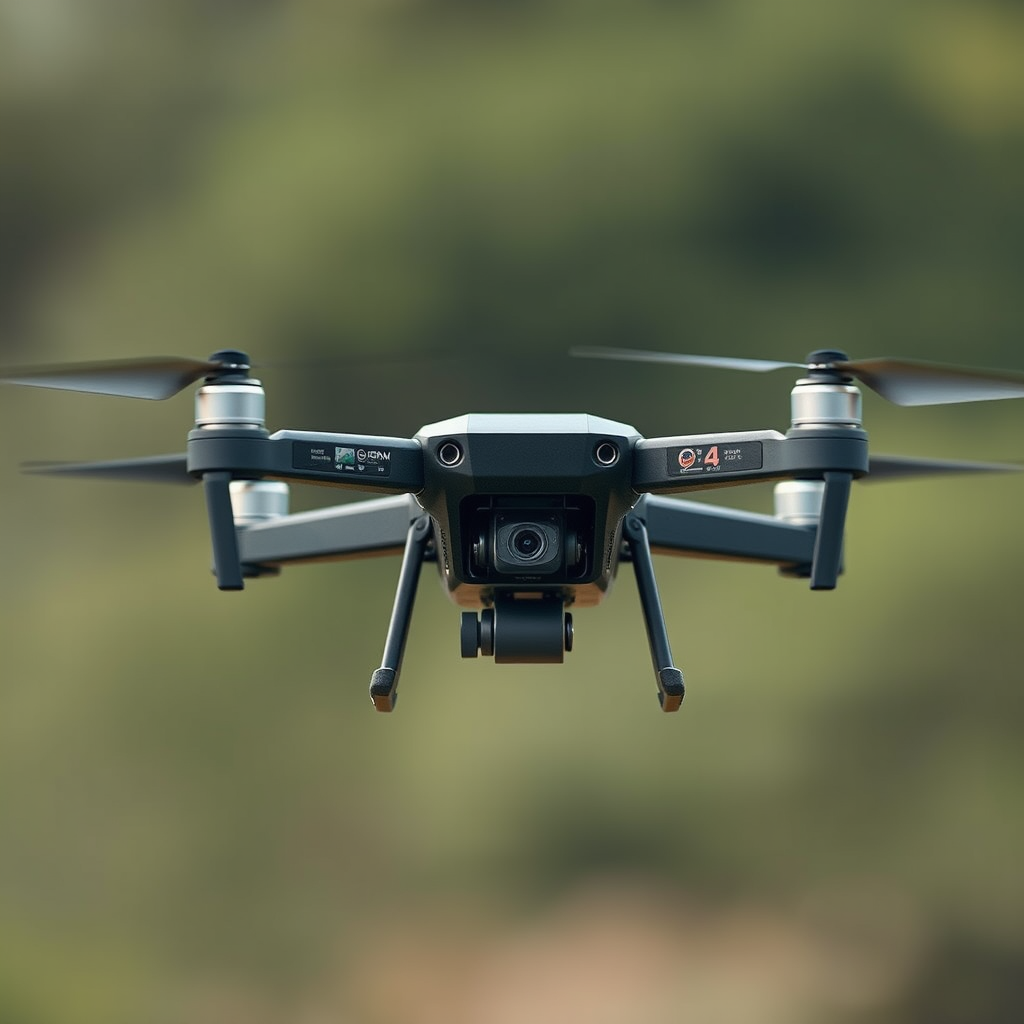
One of the most critical areas where quantum computing can enhance drone performance is navigation. Traditional navigation systems often rely on GPS and basic algorithms to determine the best path and adjust in real time. However, quantum algorithms can significantly improve real-time navigation by leveraging advanced data processing capabilities. For example, quantum algorithms can analyze multiple potential paths simultaneously, allowing drones to make more informed decisions about their routes instantly.
Additionally, enhanced obstacle detection and avoidance is another area where quantum computing shines. Drones equipped with quantum-enhanced sensors can analyze environmental data rapidly, identifying obstacles and calculating avoidance maneuvers in real time. This capability is particularly vital in dynamic environments, such as urban areas or disaster zones, where conditions can change unpredictably. By improving the accuracy and responsiveness of navigation systems, quantum computing can help drones operate safely and effectively in complex scenarios.
Optimization in Flight Path Planning
Flight path planning is a critical aspect of drone operations, particularly in industries like logistics and delivery services. Traditional algorithms often struggle with optimizing routes, especially when dealing with multiple waypoints, weather conditions, and airspace regulations. Quantum computing can transform this process by enabling more efficient route calculations. Quantum algorithms can consider numerous variables simultaneously, leading to optimized flight paths that minimize travel time and maximize efficiency.
Moreover, the reduction in energy consumption is a significant advantage of quantum-optimized flight path planning. By calculating the most efficient routes, drones can conserve battery life, extend their operational range, and reduce the overall environmental impact of their missions. For example, companies like UPS and Amazon are exploring quantum computing to enhance their delivery routes, aiming to save time and fuel costs while improving service reliability.
Data Processing and Analysis
In a world increasingly driven by data, the ability to process vast amounts of information quickly becomes paramount. Quantum computing excels in this area, offering the potential to analyze data at a scale and speed that classical computers cannot match. For drones, this capability translates into real-time analytics that can inform decision-making during missions.
For instance, drones used in agricultural applications can gather extensive data on crop health, soil conditions, and weather patterns. By utilizing quantum computing, these drones can analyze the data in real time, enabling farmers to make immediate, informed decisions about irrigation, fertilization, and pest control. This capability not only enhances operational efficiency but also contributes to more sustainable farming practices.
Furthermore, in surveillance and security applications, drones equipped with quantum computing can process video feeds and sensor data in real time, identifying potential threats or anomalies with greater accuracy and speed. This ability enhances situational awareness, allowing for timely interventions and improved safety.
Applications Across Industries
The applications of quantum-optimized drones span various industries, showcasing the versatility and transformative potential of this technology. In agriculture, drones equipped with quantum computing can monitor crop health and optimize resource use, leading to increased yields and reduced waste. Companies like PrecisionHawk are already leveraging advanced analytics derived from drone data to enhance agricultural practices through precision farming.
In logistics and delivery services, quantum computing can streamline operations by optimizing delivery routes, ultimately improving customer satisfaction through timely service. Major players like DHL are exploring how quantum computing can enhance their logistics operations, paving the way for faster and more reliable drone deliveries.
In the realm of surveillance, security agencies can utilize quantum-enhanced drones for monitoring large areas, utilizing real-time data processing to respond quickly to threats. As demonstrated in recent case studies, such as the use of drones in disaster response scenarios, the combination of quantum computing and drone technology can significantly enhance situational awareness and operational effectiveness.
Challenges and Limitations
Despite the promising potential of quantum computing in optimizing drones, several challenges and limitations must be addressed. Currently, the integration of quantum computing with drone technology faces technological hurdles, including the need for advanced quantum hardware and software capable of supporting drone operations. Additionally, the field of quantum computing is still in its infancy, and many of the algorithms required for practical applications are yet to be fully developed.
Scalability and accessibility of quantum solutions also pose significant challenges. While large corporations and research institutions are investing heavily in quantum technologies, smaller companies may struggle to access these advanced capabilities. Ensuring that quantum computing becomes widely available and affordable for various industries will be crucial for realizing its full potential in drone optimization.
Future Prospects of Quantum Drones
Looking ahead, the future of drone technology driven by quantum computing appears promising. As advancements in quantum algorithms and hardware continue, we can expect to see significant improvements in drone capabilities. These advancements may include enhanced autonomous flight operations, improved real-time data processing, and even the ability to perform complex tasks with minimal human intervention.
Furthermore, as industries become more aware of the potential benefits of quantum-optimized drones, we may witness an increase in practical applications across sectors such as urban planning, environmental monitoring, and emergency response. Predictions suggest that by 2030, quantum computing could become a standard component of drone technology, fundamentally altering how we approach aerial operations.
The advancements in quantum computing promise to enhance drone optimization significantly, providing faster, more efficient solutions for various applications. As this technology continues to evolve, staying informed and exploring its potential could lead to innovative uses and improvements in drone operations. Join the conversation about the future of drones and quantum computing today!
Frequently Asked Questions
What is the role of quantum computing in drone optimization?
Quantum computing plays a crucial role in drone optimization by leveraging quantum algorithms to solve complex problems much faster than classical computers. This includes enhancing route planning, improving flight efficiency, and optimizing resource allocation. With quantum computing’s ability to process vast amounts of data simultaneously, drones can make real-time decisions that enhance performance in areas such as logistics, surveillance, and data collection.
How can quantum computing improve drone navigation systems?
Quantum computing can significantly improve drone navigation systems by enabling advanced algorithms that can analyze multiple variables concurrently, such as weather conditions, obstacles, and air traffic. This leads to more accurate predictive models that help drones navigate complex environments safely and efficiently. Additionally, quantum-enhanced machine learning can adapt navigation strategies based on real-time data, further enhancing the reliability and safety of drone operations.
Why is quantum computing considered a game-changer for drone delivery services?
Quantum computing is considered a game-changer for drone delivery services because it can optimize delivery routes in real time, taking into account traffic patterns, weather changes, and package constraints. This results in reduced delivery times and lower operational costs. Furthermore, the ability of quantum computers to handle complex logistics problems allows for more efficient fleet management, ultimately improving customer satisfaction and service reliability.
What are the best applications of quantum computing in drone technology?
The best applications of quantum computing in drone technology include enhanced data analytics for environmental monitoring, sophisticated path planning for autonomous flight, and real-time decision-making in dynamic environments. Additionally, quantum computing can be utilized in swarm intelligence, where multiple drones collaborate and communicate to complete tasks more effectively. These applications can lead to advancements in various sectors, including agriculture, disaster response, and infrastructure inspection.
Which industries can benefit most from the integration of quantum computing and drones?
Industries that can benefit most from the integration of quantum computing and drones include logistics, agriculture, environmental monitoring, and urban planning. In logistics, quantum-enabled drones can streamline supply chain operations, while in agriculture, they can optimize crop monitoring and resource usage. Environmental scientists can use drones equipped with quantum computing for precise data collection and analysis, and urban planners can leverage drones for aerial surveys and simulations to improve city designs.
References
- Quantum computing
- https://www.nature.com/articles/s41534-018-0081-8
- https://www.sciencedirect.com/science/article/pii/S2352864817301639
- Blog – IBM Research
- https://www.forbes.com/sites/bernardmarr/2021/06/21/how-quantum-computing-will-change-the-future-of-drone-technology/?sh=4c1e6749303b
- https://www.bbc.com/news/technology-48781405
- https://www.nist.gov/news-events/news/2021/04/quantum-computing-drones-advancing-technology-future
- https://www.sciencedaily.com/releases/2022/02/220202092827.htm
