
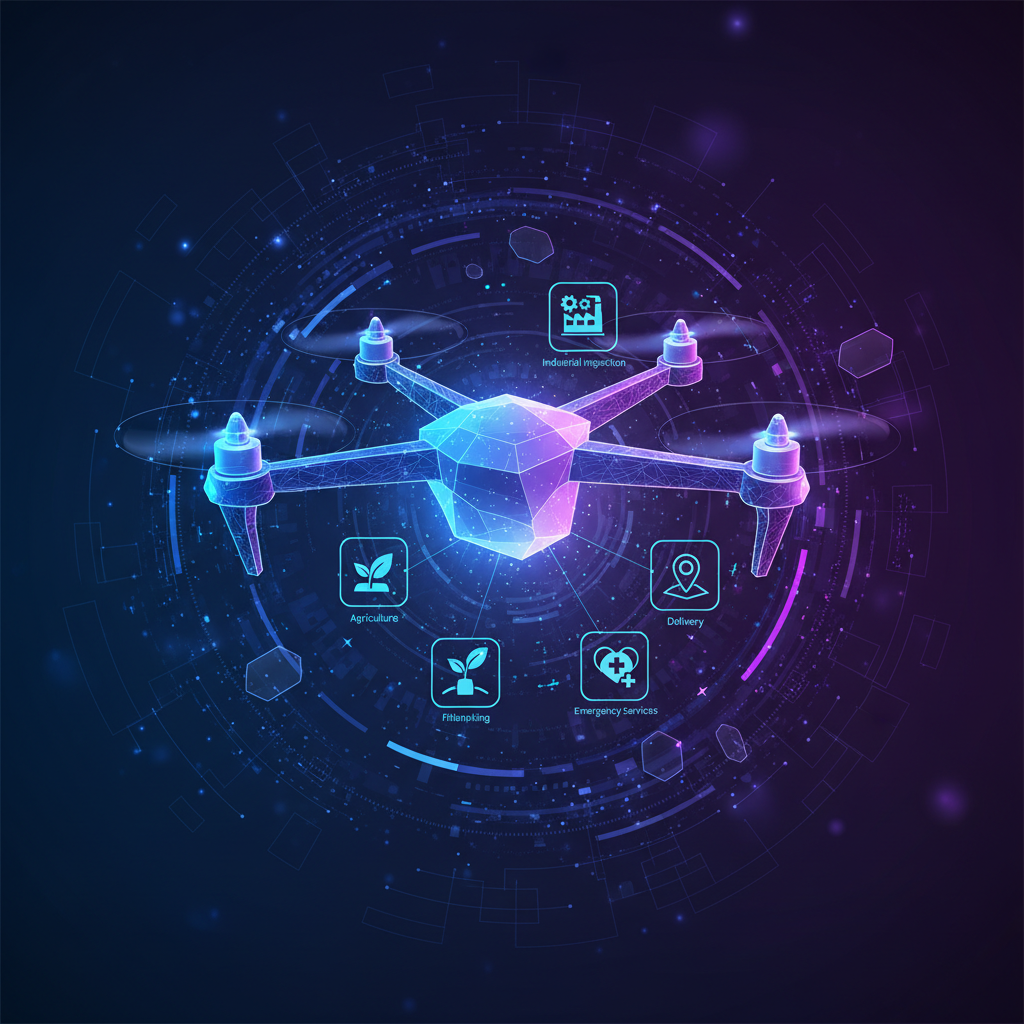
Drones can be utilized for a wide array of practical applications, ranging from aerial photography to agricultural monitoring and search and rescue operations. Their ability to capture high-quality images and data from unique perspectives makes them invaluable tools across various industries. As we explore the myriad uses of drones, it becomes evident that their versatility not only enhances efficiency but also opens new avenues for innovation and problem-solving.
Aerial Photography and Videography
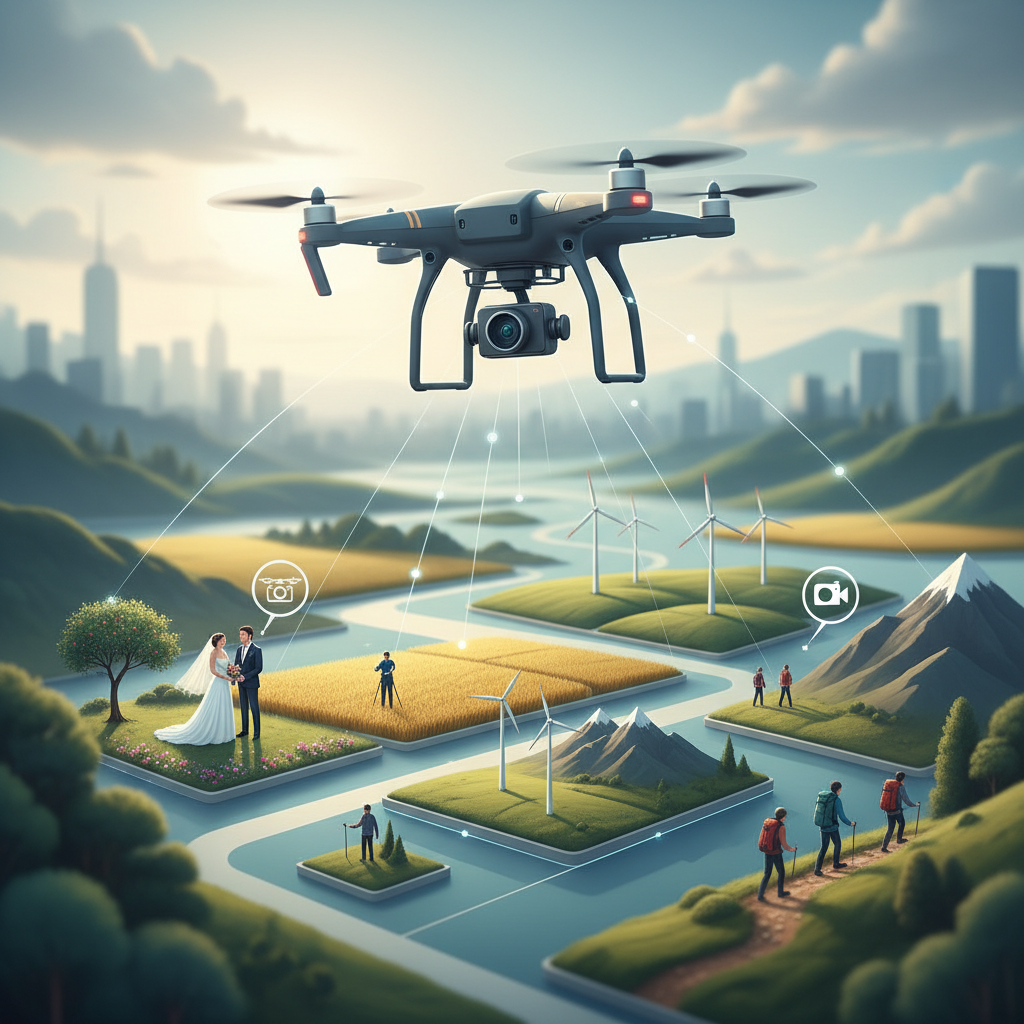
Aerial photography and videography have transformed the way we capture visual content. Drones equipped with high-resolution cameras allow real estate agents to showcase properties with breathtaking aerial views, providing potential buyers with a comprehensive look at the surrounding landscape. This capability significantly enhances marketing strategies, as properties can be presented in ways that ground-level images simply cannot achieve.
For filmmakers and content creators, drones offer unique perspectives that elevate storytelling. From sweeping landscape shots to dramatic overhead views, the use of drones can create cinematic visuals that engage audiences more effectively. Additionally, events such as weddings and corporate functions benefit from drone photography, capturing memorable moments from angles that traditional photography cannot replicate. The ability to produce stunning visuals has made drones a staple in the creative industry, leading to increased demand for skilled drone operators and videographers.
Agricultural Monitoring
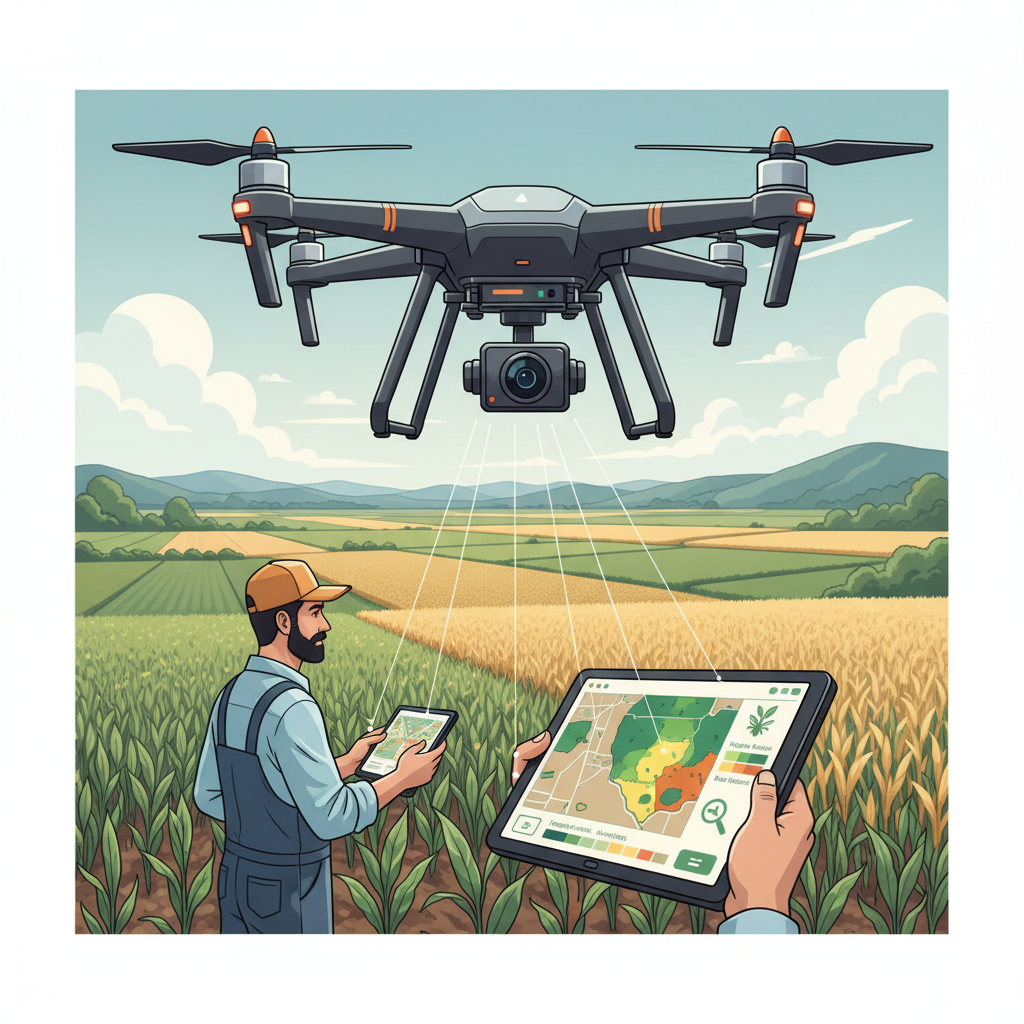
Drones play a critical role in modern agriculture by enabling farmers to monitor crop health and optimize yield management. Equipped with multispectral cameras, drones can assess crop vitality by capturing images that reveal variations in plant health invisible to the naked eye. This technology allows farmers to identify areas of distress, enabling precise interventions to improve crop performance.
Moreover, drones contribute to precision agriculture by collecting valuable data on soil conditions, moisture levels, and pest infestations. By analyzing this data, farmers can make informed decisions regarding irrigation, fertilization, and pest control, ultimately leading to increased efficiency and higher yields. For instance, companies like PrecisionHawk are leveraging drone technology to provide farmers with actionable insights, thereby revolutionizing agricultural practices and promoting sustainable farming.
Search and Rescue Operations
In emergencies, drones have proven to be invaluable assets for search and rescue operations. Their ability to cover vast areas quickly and access hard-to-reach locations makes them ideal for locating missing persons or assessing disaster-stricken regions. Equipped with thermal imaging cameras, drones can detect body heat, enabling rescue teams to find individuals even in challenging conditions such as dense forests or disaster zones.
Furthermore, drones provide real-time data and mapping capabilities that enhance situational awareness for rescue teams. For example, during natural disasters like hurricanes or earthquakes, drones can survey damage and identify safe routes for emergency responders. This capability not only improves response times but also increases the chances of successful rescues, showcasing the critical role drones play in saving lives.
Infrastructure Inspection
The inspection of infrastructure such as bridges, power lines, and pipelines is essential for safety and maintenance. Drones offer a safer and more efficient alternative to traditional inspection methods, which often require scaffolding or climbing. Equipped with high-resolution cameras and sensors, drones can conduct detailed inspections, identifying potential issues such as cracks, corrosion, or structural weaknesses that may go unnoticed during manual inspections.
Using drones for infrastructure inspection reduces the risks associated with working at heights and minimizes downtime. For example, companies like Flyability specialize in creating drones designed for indoor inspections, allowing for thorough assessments of complex structures without disrupting operations. This innovation not only enhances safety but also reduces costs associated with conventional inspection methods, making it a win-win for businesses and regulatory bodies alike.
Delivery Services
Drone delivery services are rapidly gaining traction as a viable solution for transporting goods. Companies like Amazon and UPS are exploring drone technology to enhance logistics efficiency, particularly in urban and rural areas where traditional delivery methods may be slow or challenging. Drones can transport medical supplies, food, and packages in a fraction of the time it takes ground transportation, making them invaluable during emergencies.
In healthcare, for instance, drones have been used to deliver vaccines and medical supplies to remote communities, overcoming logistical barriers and saving lives. This not only enhances access to essential services but also streamlines supply chains, reducing costs for businesses and improving service delivery. As regulations evolve and technology advances, the potential for widespread drone delivery services is likely to expand, revolutionizing the way we think about logistics.
Environmental Monitoring
Drones are also at the forefront of environmental monitoring, providing researchers and conservationists with powerful tools to track wildlife populations and assess ecosystems. By offering aerial views of habitats, drones can help monitor animal movements, nest locations, and population dynamics, contributing to conservation efforts and biodiversity studies.
Moreover, drones are essential for monitoring environmental changes such as deforestation, pollution, and climate change impacts. For instance, organizations like Conservation Drones utilize drone technology to map deforestation in real-time, enabling swift action to protect endangered habitats. The ability to gather data from the air allows for comprehensive assessments of environmental conditions, promoting informed decision-making for conservation initiatives.
Recreational Use
While many applications of drones focus on professional use, recreational flying has become increasingly popular among hobbyists. Drone racing and photography have emerged as engaging activities, attracting enthusiasts and fostering community events. Racing competitions, often held in designated courses or arenas, challenge pilots’ skills and provide thrilling entertainment.
Photography enthusiasts also find joy in capturing stunning landscapes and unique perspectives through drone photography. With advancements in drone technology, even amateur pilots can achieve professional-quality images, leading to a surge in online sharing and social media engagement. Local drone clubs and competitions encourage collaboration and skill development, making recreational drone flying a vibrant and dynamic community.
Drones offer a multitude of applications that extend beyond simple recreational use. As technology advances, their capabilities continue to grow, making them indispensable tools in various fields. Whether for professional or personal use, exploring the potential of drones opens up exciting possibilities. The diverse uses of drones underscore their transformative potential across industries, enhancing efficiency, safety, and innovation. As we look to the future, the continued development of drone technology will likely unveil even more applications, further solidifying their role as key players in our modern world.
Frequently Asked Questions
What are the most popular uses for drones in photography and videography?
Drones are increasingly popular in photography and videography for capturing stunning aerial shots that provide unique perspectives. They are used in various settings, including real estate to showcase properties, weddings to capture memorable moments from above, and nature photography to document landscapes and wildlife. With high-resolution cameras and stabilization technology, drones enable photographers and filmmakers to create dynamic content that enhances storytelling.
How can businesses benefit from using drones for inspections?
Businesses can significantly benefit from using drones for inspections due to their ability to access hard-to-reach areas safely and efficiently. Drones equipped with high-definition cameras and thermal imaging can conduct roof inspections, assess power lines, and monitor industrial sites without putting personnel at risk. This not only reduces operational costs but also allows for quicker data collection and analysis, leading to improved decision-making and maintenance strategies.
Why should farmers consider using drones for agriculture?
Farmers should consider using drones for agriculture as they provide valuable data for precision farming, which can lead to increased crop yields and reduced costs. Drones can monitor crop health through multispectral imaging, assess irrigation needs, and even assist in planting seeds or spraying fertilizers. This technology allows farmers to make informed decisions based on real-time data, ultimately enhancing productivity and sustainability.
What features should I look for when choosing a drone for recreational use?
When selecting a drone for recreational use, consider features such as flight time, camera quality, and ease of use. Look for drones that offer at least 20-30 minutes of flight time, a good quality camera (preferably 1080p or higher), and user-friendly controls, especially if you are a beginner. Additionally, check for safety features like GPS stabilization and obstacle avoidance to ensure a more enjoyable and secure flying experience.
Which industries are adopting drone technology and why?
Various industries are adopting drone technology, including agriculture, construction, real estate, and emergency services. This trend is driven by the efficiency, cost-effectiveness, and data accuracy that drones provide. For instance, construction companies use drones for site surveying and monitoring progress, while emergency responders utilize drones for search and rescue operations, showcasing how versatile and valuable this technology has become across multiple sectors.
References
- https://en.wikipedia.org/wiki/Drone
- https://www.faa.gov/uas/
- https://www.reuters.com/technology/drone-uses-2021-09-23/
- https://www.nationalgeographic.com/science/article/how-drones-are-changing-the-way-we-see-the-world
- https://www.sciencedirect.com/science/article/pii/S2352864817303097
- https://www.nytimes.com/2021/06/20/business/drone-uses.html
- https://www.usda.gov/topics/farming/drones-agriculture
- https://www.theguardian.com/us-news/2021/jun/29/drones-environmental-monitoring-climate-change
- https://www.wired.com/story/drone-uses/
