

To fly a drone in Canada, you need to comply with Transport Canada’s regulations, which include properly registering your drone and obtaining the necessary pilot certifications. Familiarity with the specific rules and requirements not only ensures that you operate your drone legally but also contributes to your safety and that of others. This guide will walk you through the essential steps needed to fly a drone in Canada, including understanding the regulations, registration, pilot certification, safety guidelines, insurance considerations, equipment maintenance, and local laws.
Understanding Transport Canada Regulations
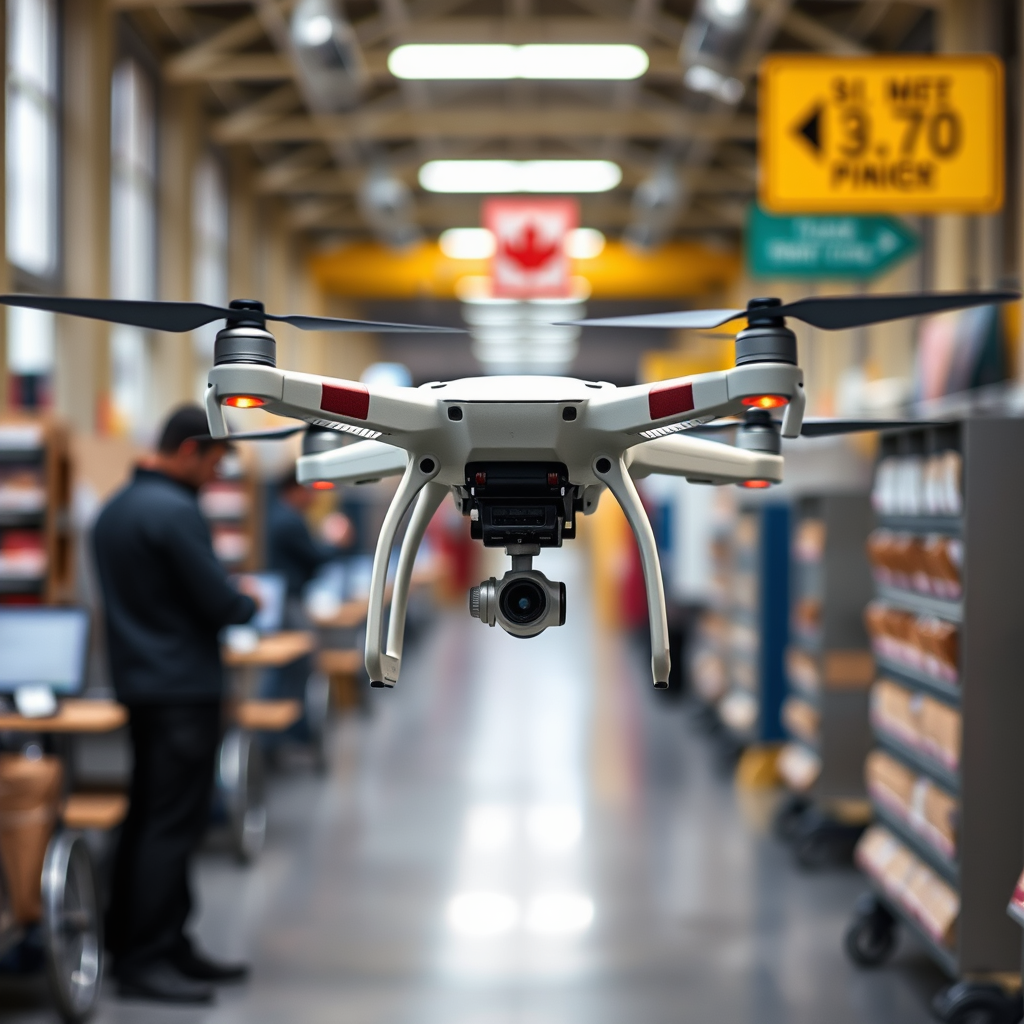
Flying a drone in Canada is regulated by the Canadian Aviation Regulations (CARs), which are designed to ensure safe and responsible drone operation. Transport Canada categorizes drone operations into two main classes: Basic and Advanced.
Basic Operations are those that take place in uncontrolled airspace, away from people and buildings. For instance, flying your drone in rural areas or parks typically falls under this category. On the other hand, Advanced Operations involve flying in controlled airspace, near people, or in proximity to airports. Understanding which category your operation falls under is critical, as it dictates the regulations that apply to you, including the requirements for pilot certification and operational restrictions.
It is advisable to visit the Transport Canada website to keep abreast of any changes in the regulations and to access the complete Canadian Aviation Regulations relevant to drone operations.
Drone Registration Requirements
Before you take to the skies, it’s vital to register your drone if it weighs between 250 grams and 25 kilograms. This includes a vast majority of consumer drones on the market. To register, you will need to complete an online form through the Transport Canada website, where you’ll provide details about your drone, including its make, model, and serial number.
Once registered, you will obtain a unique registration number that must be prominently displayed on your drone. This number serves as an identifier and is crucial for accountability in the event of an incident. For example, if your drone is involved in an accident or is lost, having the registration number clearly marked can help authorities trace the drone back to you, thereby avoiding potential legal consequences.
Pilot Certification
Obtaining the appropriate pilot certification is a fundamental requirement for drone operation in Canada. If you plan to fly in uncontrolled airspace and engage in Basic Operations, you are required to complete an online test offered by Transport Canada. This test covers essential topics such as airspace classification, weather conditions, and safe operational practices. A passing score will grant you a certificate that confirms your understanding of the regulations.
For those interested in Advanced Operations, such as flying near people or in controlled airspace, a higher level of certification is required. This includes acquiring a Special Flight Operations Certificate (SFOC), which involves submitting a detailed application that outlines your intended flight operations, safety measures, and risk assessments. The SFOC process can be more time-consuming, but it is crucial for ensuring that advanced drone operations are conducted safely and responsibly.
Safety Guidelines
Safety should always be a top priority when flying a drone. One of the essential guidelines is to maintain visual line-of-sight with your drone at all times. This means that you should always be able to see your drone without the aid of binoculars or other visual aids. By doing so, you can better control the drone and avoid potential collisions with obstacles or other aircraft.
Additionally, you must avoid flying near airports, heliports, and populated areas. Transport Canada has established specific no-fly zones around these locations to ensure the safety of manned aircraft and the general public. For instance, flying within a 9-kilometer radius of an airport without proper authorization is prohibited. Familiarizing yourself with local airspace and any designated no-fly zones is essential for compliant operation.
Furthermore, consider conducting a pre-flight checklist that includes checking weather conditions, ensuring your drone’s battery is fully charged, and verifying that all equipment is functioning correctly.
Insurance and Liability
While not legally required, obtaining liability insurance is highly recommended for drone operators. This insurance can protect you against potential damages or accidents that may occur during your flights. For example, if your drone accidentally crashes into a vehicle or injures a person, liability insurance can cover the associated costs, saving you from significant financial burden.
When researching insurance policies, look for those that specifically cover drone operations. Some standard homeowner’s insurance may not cover drone-related incidents, so it’s vital to read the fine print and ensure you have adequate coverage. Additionally, consider the frequency of your drone use and the types of operations you intend to conduct when selecting an insurance plan.
Equipment and Maintenance
Proper equipment management is crucial for safe drone operation. Before each flight, ensure that your drone is in good working condition. This includes checking for any physical damage, ensuring propellers are intact, and confirming that all electronic systems are functioning correctly.
Familiarize yourself with your drone’s features and settings. Understanding how to operate your drone in various conditions and knowing its limitations can greatly enhance your flying experience. For instance, knowing the maximum wind speed your drone can handle will help you avoid flying in unsafe conditions. Regular maintenance checks and adhering to the manufacturer’s guidelines will extend the life of your drone and ensure optimal performance.
Local Laws and Restrictions
In addition to federal regulations, it is crucial to be aware of local bylaws that may impose further restrictions on drone use. Many municipalities have established additional rules regarding where and when drones can be flown, particularly in public spaces. For example, some cities may prohibit drone flights in parks or near schools to ensure public safety and minimize disruptions.
It’s equally important to stay updated on temporary flight restrictions or no-fly zones that may arise due to events such as airshows, emergency situations, or wildlife protection areas. Utilizing apps or websites that provide real-time information on airspace restrictions can be beneficial in planning your flights responsibly.
In conclusion, flying a drone in Canada involves navigating a complex landscape of regulations, registration requirements, pilot certifications, and safety guidelines. By understanding and adhering to these regulations, obtaining the necessary insurance, maintaining your equipment, and being mindful of local laws, you can enjoy a responsible and compliant drone-flying experience. Following these guidelines not only ensures your safety but also contributes to the overall safety of the airspace in which you operate.
Frequently Asked Questions
What are the legal requirements to fly a drone in Canada?
In Canada, to legally fly a drone, you must follow the regulations set by Transport Canada. This includes registering your drone if it weighs over 250 grams and obtaining a drone pilot certificate, which can be achieved by passing a written test. Additionally, you must adhere to guidelines regarding where and how high you can fly, specifically avoiding restricted airspace and respecting privacy laws.
How do I register my drone in Canada?
To register your drone in Canada, visit the Transport Canada website and create an account on their drone management portal. You will need to provide details about your drone, such as its make, model, and serial number. Once submitted, you will receive a registration number that must be displayed on your drone, ensuring compliance with Canadian aviation regulations.
Why is it important to have a drone pilot certificate in Canada?
Obtaining a drone pilot certificate in Canada is crucial for ensuring safety and compliance with aviation regulations. This certification demonstrates that you understand the operational limits and responsibilities associated with flying a drone, which helps minimize risks to people, property, and other aircraft. Moreover, flying without a certificate can result in fines and legal repercussions, making certification a necessary step for responsible drone operation.
What are the best practices for flying a drone safely in Canada?
To fly your drone safely in Canada, always conduct a pre-flight check to ensure your equipment is functioning correctly. Maintain a line of sight with your drone at all times, avoid flying over crowds, and respect privacy by not capturing images or videos without consent. Additionally, familiarize yourself with local laws and airspace restrictions to ensure your flights are compliant and safe.
Which areas are prohibited for drone flying in Canada?
In Canada, drone flying is prohibited in several areas, including near airports, military bases, and emergency sites. You also cannot fly in national parks without permission from Parks Canada, and certain urban areas may have specific regulations that restrict drone operations. Always check the latest mapped no-fly zones and airspace restrictions on the Transport Canada website before your flight to avoid violations.
References
- https://www.tc.gc.ca/en/services/aviation/drone-safety.html
- https://www.canada.ca/en/transport-canada/services/drone-safety/faq.html
- https://www.cbc.ca/news/canada/drone-regulations-flying-canada-1.5226700
- https://www.faa.gov/uas/getting_started/what_is_a_drone/
- https://www.wildlife.ca.gov/Conservation/Drone-Use
- https://www.nasa.gov/mission_pages/airborne/technology/DroneRegulations.html
- https://www.nrcan.gc.ca/our-natural-resources/forests/forest-management/drones-in-forestry/20509
- https://www.uavcoach.com/drone-laws-canada/
