

The biggest drone you can buy currently is the DJI Agras T30, which is designed for agricultural purposes and features a maximum takeoff weight of 30 kg. This drone is engineered to perform aerial spraying and seeding operations, making it a crucial tool for modern farming. In this article, we will explore various large drones available on the market, examine their specifications, discuss their uses, and highlight considerations for potential buyers.
Understanding Drone Sizes
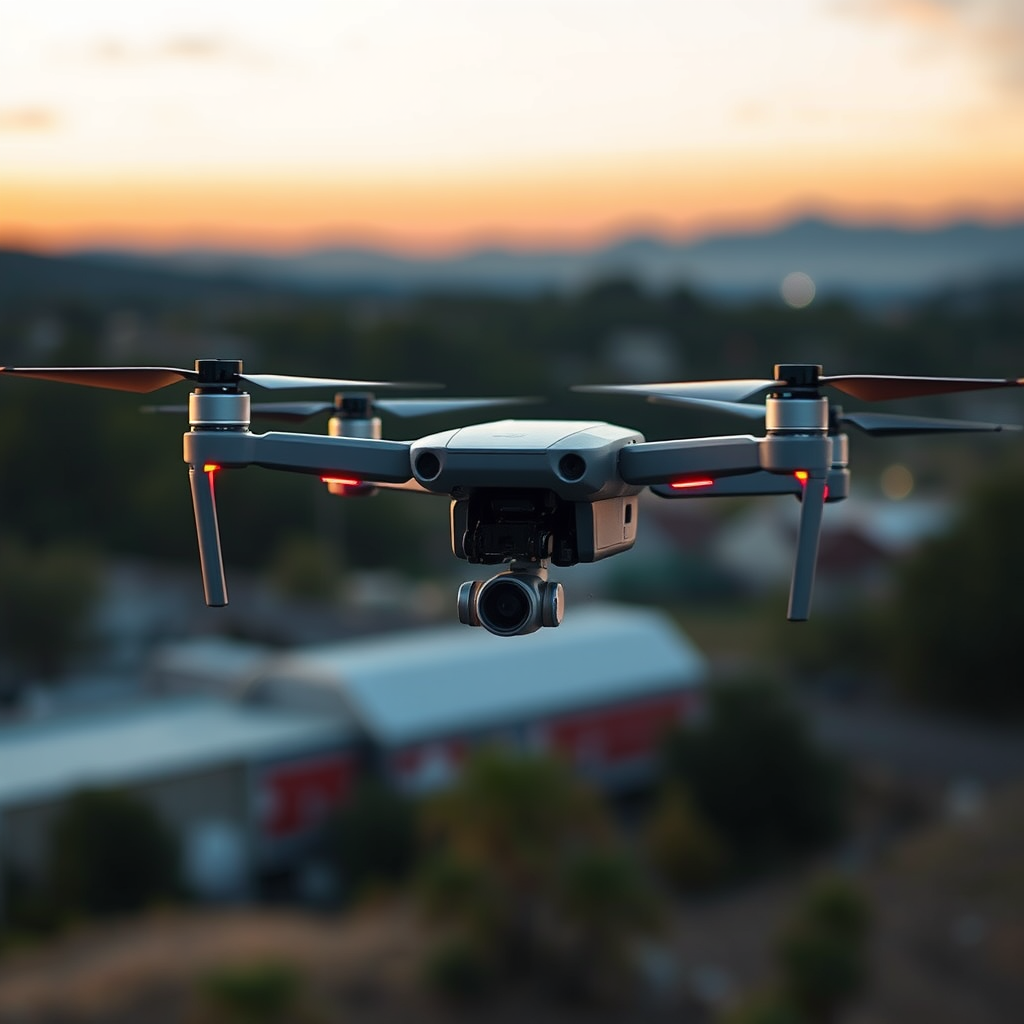
Drones are categorized by their weight, ranging from small consumer drones that weigh less than 2 kg to large industrial models that can exceed 30 kg. Understanding these categories is essential for potential buyers, as the size of the drone often dictates its capabilities and applications. The largest drones are typically employed in specialized sectors such as agriculture, surveying, logistics, and even filmmaking, where their enhanced payload capacity and advanced features can be fully utilized.
The classification of drones generally follows these weight categories:
– Micro Drones: Typically under 250 grams, these are best suited for beginners and casual users.
– Mini Drones: Ranging from 250 grams to 2 kg, these drones are popular for recreational use and light commercial applications.
– Small Drones: Weighing between 2 kg and 25 kg, they are often used in professional photography, surveying, and mapping.
– Large Drones: Exceeding 25 kg, these drones are generally used in commercial sectors, including agriculture, construction, and logistics, where they can carry significant payloads.
Key Features of Large Drones
Large drones offer several key features that set them apart from their smaller counterparts, making them suitable for various industrial applications.
– Payload Capacity: One of the most defining characteristics of large drones is their ability to carry heavy equipment or supplies. For instance, the DJI Agras T30 can carry up to 30 kg, allowing it to efficiently spray pesticides or distribute seeds across expansive fields. This capability is vital for enhancing productivity in agriculture, where timely application can significantly impact crop yields.
– Flight Time: Larger drones often have extended flight times due to their robust battery systems and efficient designs. This feature enables them to cover more ground without requiring frequent recharges. For example, the Freefly Alta 8 provides a flight time of up to 30 minutes, allowing filmmakers to capture extensive shots without interruptions. Enhanced flight duration is crucial for large-scale operations, where time is often of the essence.
– Advanced Navigation and Control Systems: Many large drones are equipped with sophisticated navigation systems, including GPS and obstacle avoidance technology, which improve their operational efficiency and safety. These features are particularly important for autonomous operations in complex environments, such as agricultural fields or construction sites.
Popular Large Drones on the Market
The market offers a range of large drones tailored to specific applications. Here are two noteworthy examples:
– DJI Agras T30: This drone is a leader in agricultural applications, featuring a maximum payload capacity of 30 kg. It is equipped with advanced spraying technology, allowing farmers to cover large areas quickly and efficiently. The T30 also boasts intelligent flight modes, enabling precise application of fertilizers and pesticides, which can lead to better crop health and yield.
– Freefly Alta 8: Aimed primarily at filmmakers, the Freefly Alta 8 can lift professional camera equipment weighing up to 9 kg. Its versatility makes it suitable for a variety of filming scenarios, from aerial cinematography to live event coverage. The drone’s robust design and advanced stabilization features ensure smooth footage, making it a popular choice among industry professionals.
Factors to Consider When Buying a Large Drone
When considering the purchase of a large drone, several factors should be taken into account to ensure that the investment aligns with your specific needs.
– Intended Use: Clearly defining the intended use is crucial. Are you planning to use the drone for personal reasons, commercial applications, or specific industries like agriculture or cinematography? Understanding your primary objectives will help narrow down your options and select a model that fits your requirements.
– Budget: Large drones can be a significant investment, often ranging from several thousand to tens of thousands of dollars. It’s essential to balance features with cost, considering not only the initial purchase price but also ongoing expenses such as maintenance, insurance, and potential upgrades. Conducting a cost-benefit analysis based on your intended use can also provide clarity.
– Training and Licensing: Depending on local regulations, larger drones may require special licensing or training to operate legally, especially for commercial use. Familiarizing yourself with these requirements can save you from potential legal issues down the line.
Regulations and Compliance
Understanding local laws regarding drone weight and flight restrictions is foundational for anyone considering the purchase of a large drone. Many countries have stringent regulations surrounding drone operations, particularly for those exceeding a certain weight threshold.
– Weight Restrictions: In many jurisdictions, drones that exceed 25 kg may be subject to additional regulatory scrutiny, including mandatory registration with aviation authorities.
– Flight Limitations: Regulations often dictate where and how high a drone can fly. Adhering to these rules is essential for safe operations and helps prevent accidents and conflicts with manned aircraft.
– Commercial Use Licenses: If you intend to use the drone for commercial purposes, you may need to obtain a specific license. This often includes demonstrating knowledge of airspace regulations and safety protocols, which may require formal training or certification.
Maintenance and Support
Larger drones often come with increased complexity and specialized components, leading to higher maintenance needs compared to smaller models.
– Regular Maintenance: It’s crucial to conduct regular checks on battery health, motor functionality, and software updates to ensure optimal performance. Developing a maintenance schedule can help prevent issues and extend the life of the drone.
– Customer Support: When choosing a brand, consider the availability of customer support and parts for repairs. Some manufacturers offer robust support networks, while others may have limited resources, which can lead to longer downtimes in case of technical issues.
– Warranty and Service Plans: Investing in a drone with a comprehensive warranty or service plan can provide peace of mind, as it may cover repair costs and technical support for a specified period.
Future Trends in Large Drones
The drone industry is rapidly evolving, with several trends anticipated to shape the future of large drones.
– Advancements in Battery Technology: Innovations in battery technology are expected to lead to longer flight times and the ability to support heavier payloads. This will expand the operational range of large drones, making them even more useful in various industries.
– Increased Applications: As technology progresses, the use of large drones is expected to broaden. For instance, delivery services are starting to adopt drones for logistics, while emergency response teams may utilize drones for search and rescue operations or disaster management.
– Integration of AI and Automation: The incorporation of artificial intelligence and automated flight systems will likely enhance the capabilities of large drones, allowing for more sophisticated operational protocols that can adapt to varying conditions and requirements.
In summary, when considering the biggest drone you can buy, it is essential to evaluate your specific needs, the features of various models available on the market, and the associated regulations. By conducting thorough research and weighing your options, you can find the right large drone that meets your requirements, be it for agricultural applications, cinematography, or other specialized uses. With advancements on the horizon, now is an exciting time to explore the possibilities that large drones offer.
Frequently Asked Questions
What is the largest drone available for consumer use?
The largest drone available for consumer use is the DJI Matrice 300 RTK, which has a maximum takeoff weight of 9.5 kg (20.9 lbs) and can carry various payloads, including cameras and sensors. This drone is designed for professional applications such as surveying, inspection, and mapping. Its expansive size allows for extended flight times and superior stability in challenging weather conditions.
How much do the biggest drones cost?
The cost of the biggest drones varies significantly based on features, capabilities, and brand. For example, professional-grade drones like the DJI Matrice 600 can range from $4,500 to $8,000, depending on the configuration and additional equipment purchased. Buyers should also consider the potential costs of accessories and maintenance when budgeting for these large drones.
Why would someone need a large drone instead of a smaller model?
Large drones are often needed for professional applications that require high payload capacity, longer flight times, and advanced features. These drones can carry heavier cameras and sensors for aerial photography, agricultural monitoring, or search and rescue missions. Additionally, their robust design typically offers improved stability and performance in adverse weather conditions compared to smaller models.
Which brands offer the biggest drones for commercial use?
Several reputable brands offer some of the biggest drones for commercial use, including DJI, Freefly Systems, and senseFly. DJI is well-known for its extensive lineup of high-capacity drones like the Matrice series, while Freefly Systems provides large drones designed for cinematic applications. SenseFly specializes in surveying and mapping drones that can handle significant payloads, making them ideal for professional use.
What should I consider before purchasing a large drone?
Before purchasing a large drone, consider factors such as your intended use, budget, and required features. Assess the drone’s payload capacity, flight time, and camera capabilities based on your specific needs, whether for aerial photography, surveying, or inspections. Additionally, researching regulations and registration requirements for larger drones in your area is crucial to ensure compliance with local laws.
References
- https://en.wikipedia.org/wiki/Drone
- https://www.bbc.com/news/technology-58286520
- https://www.nytimes.com/2021/04/08/technology/drones.html
- https://www.faa.gov/uas/getting_started/
- https://www.techrepublic.com/article/the-best-drones-you-can-buy-in-2023/
- https://www.sciencedirect.com/topics/engineering/drone
- https://www.npr.org/sections/alltechconsidered/2019/07/25/744205708/what-you-need-to-know-about-drones-and-what-they-can-do
- https://www.theguardian.com/technology/2021/feb/11/drones-what-you-need-to-know
- https://www.nasa.gov/mission_pages/
