

If you suspect a drone is spying on you, the first step is to remain calm and assess the situation. Understanding your rights and the appropriate actions to take is essential to address your concerns effectively. Drones have become increasingly common, and while they can be used for a variety of legitimate purposes, the potential for invasion of privacy is a legitimate concern. This article will guide you through the necessary steps to take if you believe you are being surveilled by a drone, ensuring that you know your rights and how to protect your privacy.
Understanding Drone Surveillance Laws
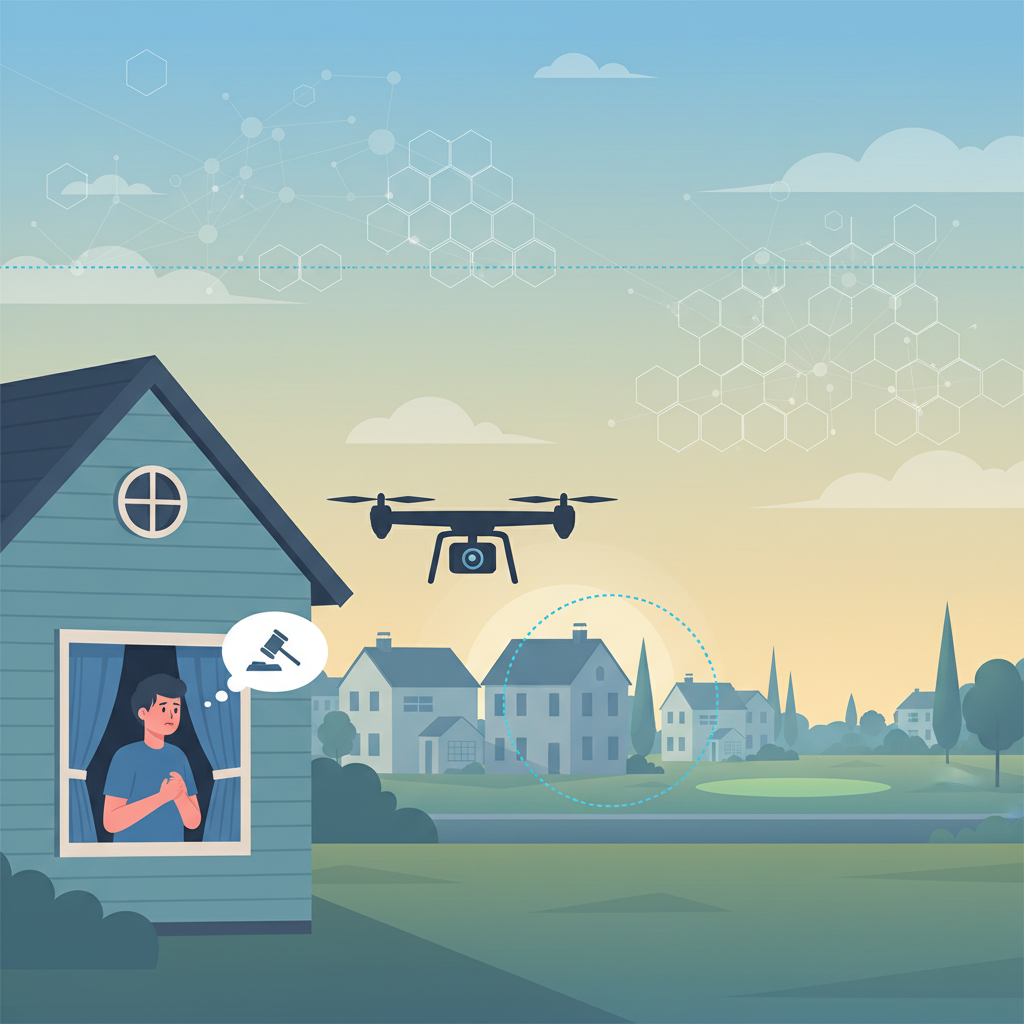
It is crucial to familiarize yourself with local laws regarding drone use and privacy, as they can vary significantly from one jurisdiction to another. In the United States, the Federal Aviation Administration (FAA) regulates drone operations, but individual states and municipalities often have additional laws addressing privacy rights. For example, some states have enacted laws prohibiting the use of drones for surveillance in certain situations, such as over private property without consent.
Understanding your rights concerning aerial surveillance is also important. In many cases, individuals have a reasonable expectation of privacy in their own backyards or homes. If a drone is capturing images or video of you in these areas, it may constitute an invasion of privacy. Familiarizing yourself with the legal framework governing drone surveillance can empower you to take informed action if you believe your privacy is being compromised.
Identifying the Drone
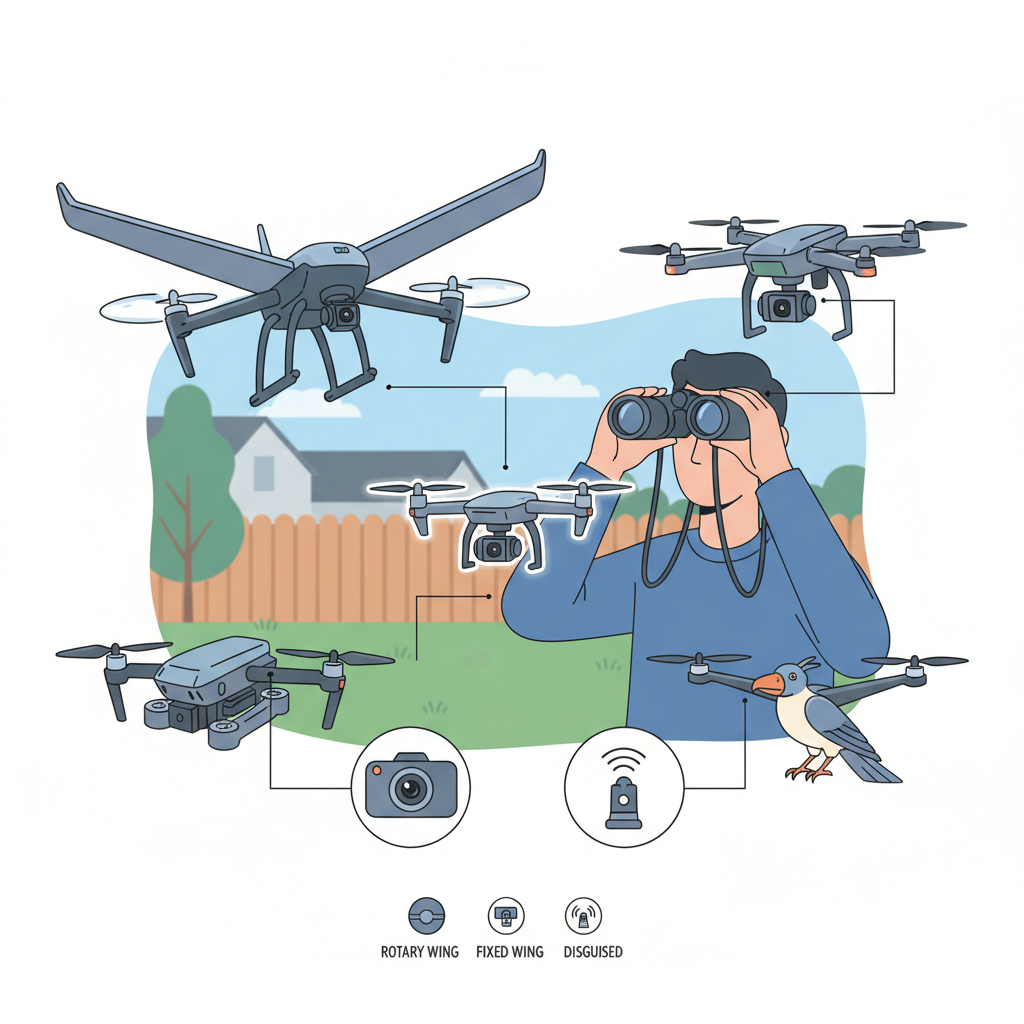
The next step is to identify the drone. Observing the drone’s appearance can provide valuable information. Note its size, color, and any identifying markings or logos that may help you determine its owner or operator. Drones can vary widely in design, from small consumer models to larger commercial ones, so understanding what type you are dealing with is essential.
Additionally, pay attention to the drone’s behavior and flight patterns. Is it hovering in one spot, or is it moving in a specific pattern? This information can help you assess its purpose. For example, if the drone is consistently circling your property or is frequently present during private activities, it may indicate intentional surveillance. Documenting these observed details can be crucial later if you choose to report the incident.
Documenting the Incident
Documentation is a vital step in addressing potential drone surveillance. Take photos or videos of the drone to gather evidence of its presence. This evidence can be instrumental when explaining your situation to authorities or legal representatives. Make sure to capture the drone in action, showing its proximity to your property and any relevant activities.
In addition to visual documentation, keep a log of dates, times, and any interactions you have concerning the drone. Detail your observations, including the drone’s behavior and any conversations you may have had with neighbors or others who may have witnessed it. This comprehensive record will support your case if you decide to escalate the matter to law enforcement or legal counsel.
Reporting to Authorities
If you feel threatened or unsafe, contacting local law enforcement should be your next step. They are trained to handle such situations and can provide guidance on whether any immediate action is warranted. When contacting the police, be prepared to share the evidence you have collected, including photos, videos, and your log of incidents. This information will help them assess the situation more effectively.
Additionally, consider filing a complaint with the Federal Aviation Administration (FAA) if you believe the drone is operating in violation of regulations. The FAA has specific guidelines regarding drone flight, including restrictions on flying over private property and in certain airspace. Reporting the incident can help protect not only your rights but also the rights of others in your community.
Protecting Your Privacy
While it is essential to take action when you suspect a drone is spying on you, consider implementing measures to protect your privacy proactively. One option is to use privacy screens or foliage to obstruct the drone’s view of your property. Installing tall fences, planting trees, or using window coverings can help create a barrier between you and any potential surveillance.
Moreover, limit activities in areas where you believe you may be under surveillance. For example, if you suspect the drone is frequently hovering over your backyard, you might choose to spend less time in that area or engage in private activities indoors. Taking these steps can help mitigate the feeling of being watched and provide you with a greater sense of security.
Communicating with Neighbors
Discussing your concerns with neighbors can be an invaluable step in addressing the issue of drone surveillance. They may have noticed the drone as well and can provide additional information or corroboration of your experiences. By sharing your evidence and documentation, you can build a case that may lead to collective action if multiple individuals in your community are affected.
This communication can also foster a sense of community awareness regarding drone surveillance and privacy rights. If your neighbors are aware of the potential for drone spying, they may be more vigilant and report any suspicious activity they observe, further assisting in identifying the operator of the drone.
Seeking Legal Advice
If you believe your privacy rights are being violated, seeking legal advice may be necessary. Consulting with a legal professional who specializes in privacy law can help you understand your options and rights. They can provide insights into whether the drone’s operation constitutes a violation of state or federal laws and guide you on how to proceed.
In cases where the situation escalates, a legal professional can help you explore options for pursuing legal action. This could include filing a civil suit against the drone operator for invasion of privacy or other related claims. Having a knowledgeable advocate can significantly enhance your chances of achieving a resolution that protects your rights.
In conclusion, if you feel a drone is spying on you, it’s crucial to stay informed about your rights and take the necessary steps to protect your privacy. Start by documenting the incident, communicating with local authorities, and discussing your concerns with neighbors. If needed, seek legal advice to explore your options for action. Staying vigilant and proactive can help ensure your peace of mind in a world where drone surveillance is increasingly prevalent.
Frequently Asked Questions
What should I do first if I suspect a drone is spying on me?
If you suspect a drone is spying on you, the first step is to assess the situation calmly. Look for the drone’s physical characteristics and take note of its behavior, including its altitude, distance, and flight pattern. If it appears to be hovering or following you, document this by taking photos or videos. You may then want to consider contacting local law enforcement or authorities, as they can investigate potential privacy violations or harassment.
How can I tell if a drone is recording me?
Identifying whether a drone is recording you can be challenging, but there are some indicators to look for. Many drones have a camera mounted on them, and you may notice a lens pointing in your direction. Additionally, some drones have lights that may blink or change color when they are recording. If you believe the drone is intruding on your privacy, observe its flight patterns and take note of any unusual behavior, as this can help authorities in their investigation.
Why do people use drones for spying?
Drones are often used for spying due to their ability to capture high-resolution images and videos from various angles without being easily detected. They can be used for purposes ranging from personal surveillance to monitoring private property or gathering information. Unfortunately, this misuse raises significant privacy concerns, leading to discussions about the need for regulations to protect individuals from unwanted surveillance.
What are the best methods to protect myself from drone surveillance?
To protect yourself from drone surveillance, consider installing privacy screens or netting around your property, which can obstruct the drone’s line of sight. Additionally, you can inform your neighbors about the situation and encourage them to be vigilant. If you feel threatened, you may want to invest in anti-drone technology that can disrupt drone signals, or report the incident to local authorities who can provide guidance on your rights and potential legal recourse.
Which laws protect me from drone spying?
Laws regarding drone surveillance vary by location, but many jurisdictions have privacy laws that protect individuals from being recorded without consent in private spaces. In the United States, the Federal Aviation Administration (FAA) regulates drone use, while state laws may address privacy violations specifically. It’s important to familiarize yourself with local regulations regarding drone operation and privacy rights, as this knowledge can empower you to take appropriate action if you feel your privacy is being invaded.
References
- https://www.faa.gov/uas/resources/publications/media/Drone_Safety_Tips.pdf
- https://www.nytimes.com/2021/11/24/technology/drones-privacy.html
- https://www.aclu.org/news/privacy-technology/what-to-know-about-drones-and-your-privacy-rights
- https://www.theguardian.com/technology/2020/oct/05/drones-privacy-invasion-what-you-need-to-know
- https://www.ncbi.nlm.nih.gov/pmc/articles/PMC7074763/
- https://www.wired.com/story/drones-privacy-laws/
- https://www.privacyinternational.org/explainer/4049/what-drones-and-why-should-you-care
- https://www.eff.org/deeplinks/2017/06/what-you-need-know-about-drones-and-privacy
- https://www.nas.edu/portal/site/nas/menuitem.5b2e0f3a5c6dcd9f4c1e8a10c1f0a0c8/
