
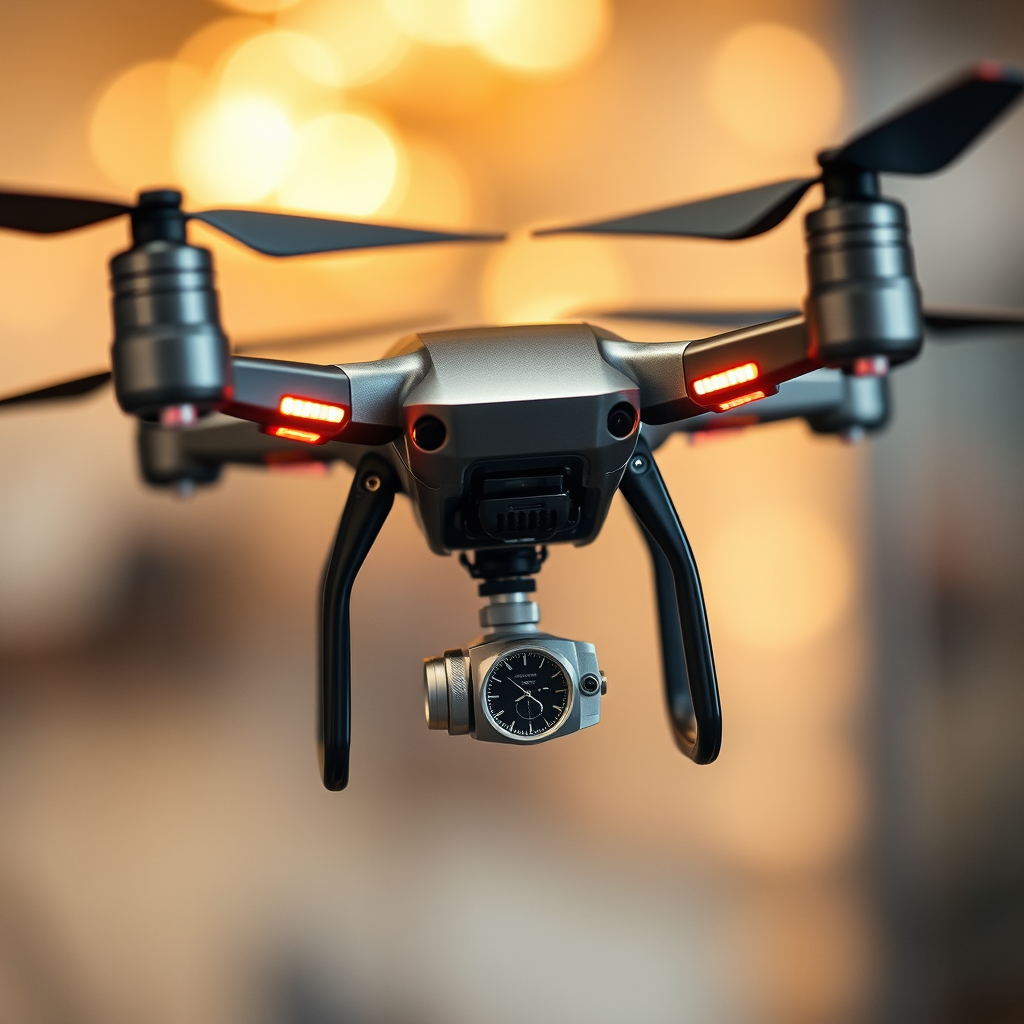
Drones can be utilized for a multitude of purposes, ranging from aerial photography to agricultural monitoring and beyond. Their versatility is transforming various industries and everyday activities, proving to be an invaluable tool for professionals and hobbyists alike. In this article, we delve into the diverse applications of drones, showcasing how they are reshaping our world and offering new opportunities for efficiency, creativity, and innovation.
Aerial Photography and Videography
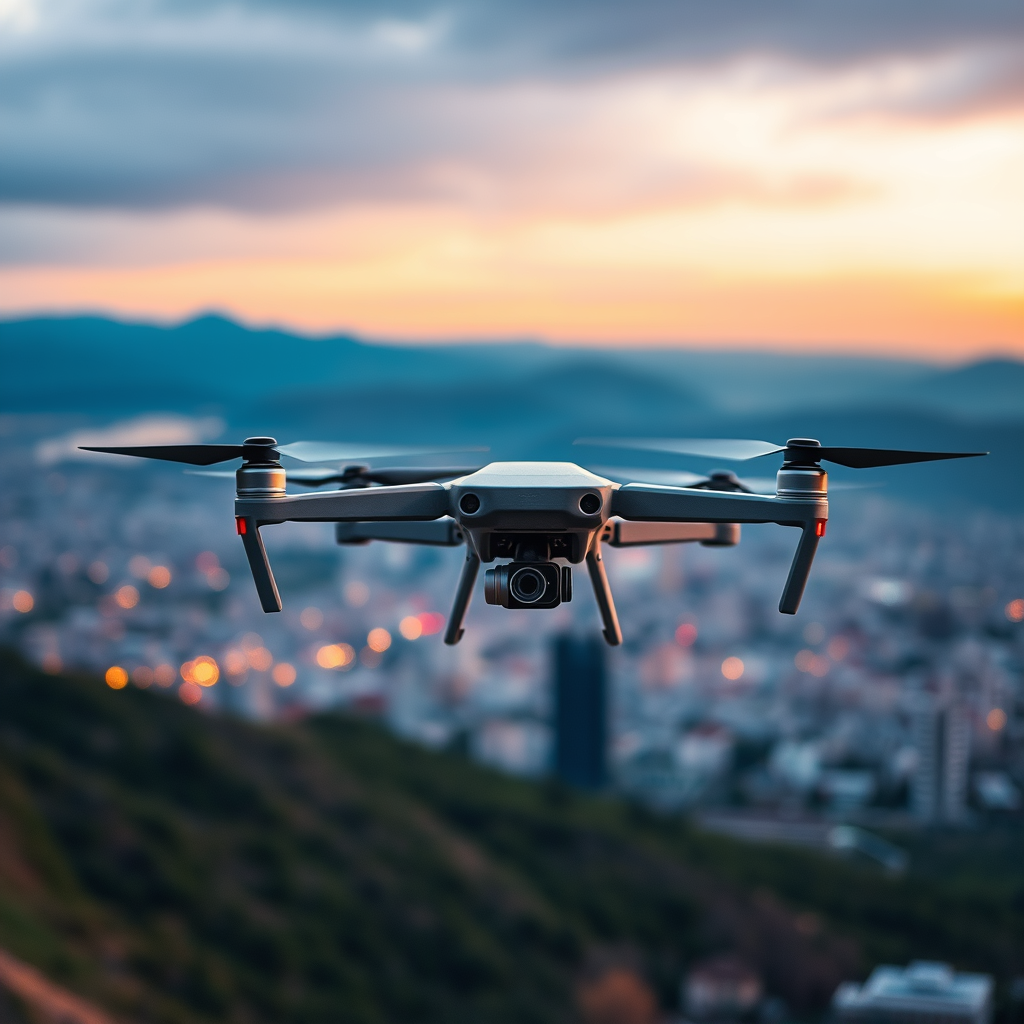
Drones have revolutionized the field of photography and videography by providing unique perspectives that were once difficult, if not impossible, to achieve. Equipped with high-resolution cameras, drones can capture stunning images and videos for personal or commercial use. Real estate agents, for instance, can utilize aerial footage to showcase properties from an entirely new angle, enhancing their marketing efforts and attracting potential buyers. Similarly, event planners can hire drone operators to capture breathtaking aerial shots of weddings, festivals, and corporate events, offering clients a memorable keepsake.
Moreover, this technology has significantly enhanced storytelling in various media, including documentaries, advertisements, and films. Filmmakers can leverage drone footage to create dramatic landscapes and dynamic action sequences, adding depth and intrigue to their narratives. The integration of drones in marketing campaigns has also become a strategic advantage, allowing brands to connect with audiences in innovative ways that stand out in a crowded market.
Agricultural Applications
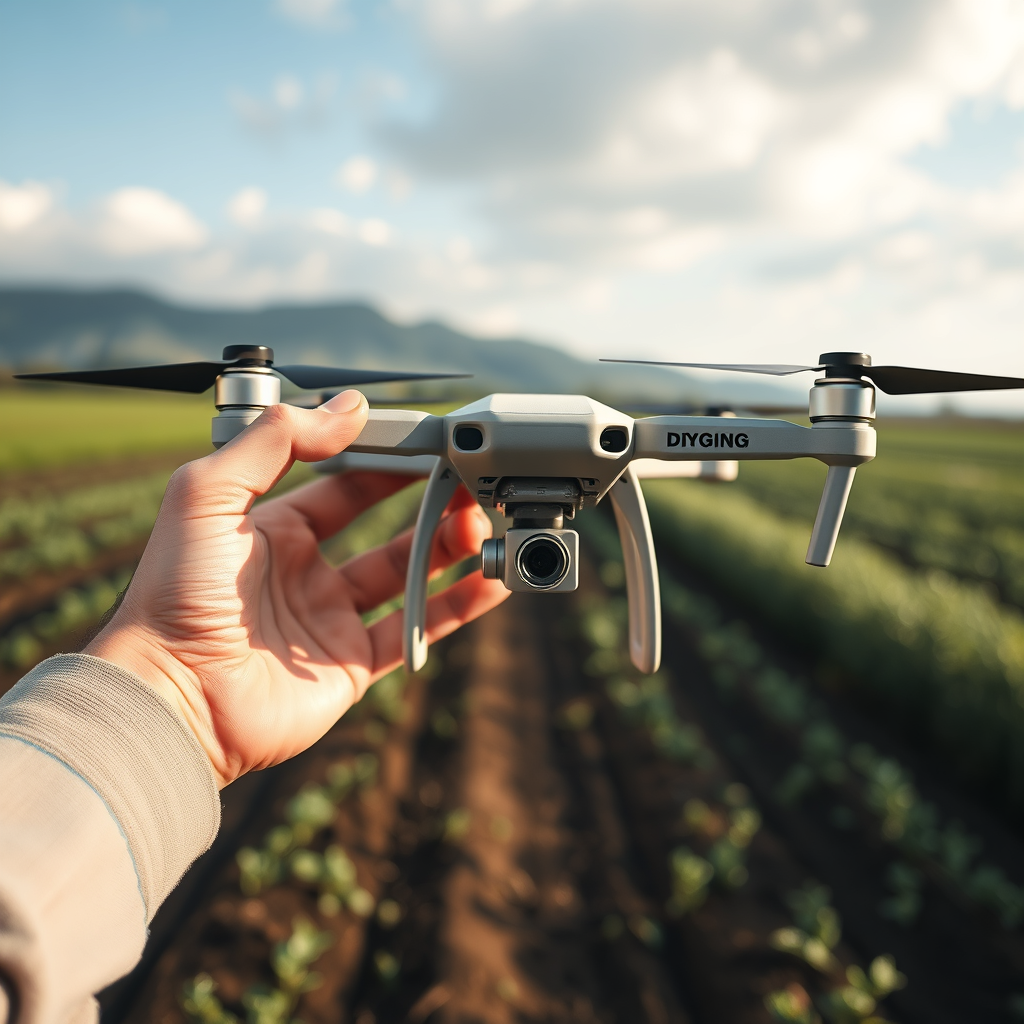
The agricultural sector is experiencing a remarkable transformation thanks to drone technology. Farmers are now using drones to monitor crop health, optimize field management, and increase yields. Drones equipped with multispectral sensors can capture detailed images that reveal the health of crops, enabling farmers to identify issues such as nutrient deficiencies, pest infestations, or water stress. This data-driven approach allows for timely interventions, reducing waste and enhancing productivity.
Additionally, drones can automate various agricultural tasks, such as planting and spraying pesticides. By using drones for crop spraying, farmers can achieve precision application that minimizes chemical use and maximizes coverage, ultimately leading to more sustainable farming practices. Companies like PrecisionHawk and DJI are at the forefront of agricultural drone technology, offering solutions that empower farmers to make informed decisions and streamline their operations.
Surveying and Mapping
Drones have become indispensable tools for surveying and mapping, providing a fast and cost-effective way to gather geographical data. Equipped with GPS and advanced imaging technology, drones can create detailed topographic maps and 3D models of landscapes with exceptional accuracy. This capability is particularly beneficial for industries such as construction, mining, and environmental management, where precise land assessments are crucial.
For example, construction companies can use drones to survey sites before breaking ground, ensuring that all necessary factors are taken into account, from terrain contours to existing infrastructure. The resulting data can inform project planning and execution, minimizing delays and budget overruns. Moreover, drones can cover large areas in a fraction of the time it would take traditional surveying methods, allowing for efficient project timelines.
Search and Rescue Missions
In emergency situations, the speed and agility of drones can make a significant difference. Drones are increasingly being deployed in search and rescue missions, assisting emergency responders in locating missing persons or assessing disaster areas. Equipped with thermal imaging cameras and high-definition video capabilities, drones can provide real-time aerial views that aid in decision-making and resource allocation.
For instance, during natural disasters such as hurricanes or earthquakes, drones can quickly survey affected areas, identifying hazards and locating survivors. This technology not only enhances the efficiency of rescue operations but also improves the safety of emergency personnel by allowing them to assess dangerous situations from a distance. Organizations like the American Red Cross and various law enforcement agencies are beginning to integrate drones into their emergency response protocols, highlighting their potential to save lives.
Infrastructure Inspection
Drones are proving to be invaluable in the inspection of critical infrastructure, such as bridges, power lines, and wind turbines. Traditional inspection methods often require labor-intensive and potentially hazardous approaches, such as scaffolding or climbing. Drones simplify this process by providing a safe and efficient means of inspecting hard-to-reach structures.
By utilizing drones equipped with high-resolution cameras and thermal imaging technology, inspectors can easily identify structural defects, wear and tear, or other potential issues without putting themselves at risk. For example, utility companies can use drones to monitor power lines for damage, reducing the need for manual inspections that can disrupt service and pose safety risks. This not only enhances safety but also reduces costs associated with inspections, making it a win-win for both companies and consumers.
Delivery Services
The rise of e-commerce has driven innovation in delivery services, and drones are at the forefront of this trend. Drones facilitate rapid delivery of packages, especially in remote or hard-to-access areas, drastically reducing delivery times. Retail giants like Amazon and Google are actively exploring drone delivery systems, envisioning a future where packages are delivered within minutes of ordering.
This technology not only enhances customer satisfaction through faster service but also presents a sustainable alternative to traditional delivery methods. By reducing road traffic and associated emissions, drone delivery could play a role in addressing environmental concerns related to logistics. As regulatory frameworks evolve and technology advances, we can expect to see a significant shift in how goods are transported and delivered.
Recreational Uses
Beyond professional applications, drones have also gained immense popularity as recreational devices. Hobbyists enjoy flying drones for fun, participating in drone racing competitions, and engaging in aerial photography as a creative outlet. The ability to capture stunning footage from the sky has sparked a growing community of drone enthusiasts who share their experiences and expertise.
Communities and clubs dedicated to drone enthusiasts are emerging worldwide, providing a platform for individuals to connect, learn, and share their passion for flying drones. These groups often host events, workshops, and competitions that foster camaraderie and skill-building among members. As drone technology continues to evolve, recreational users will have access to increasingly sophisticated devices, enriching their flying experience and expanding the boundaries of creativity.
In conclusion, drones offer a multitude of applications that enhance efficiency, safety, and creativity across various fields. From aerial photography to agricultural monitoring, surveying, and more, the potential uses of drones are limitless. As industries continue to embrace this technology, both professionals and hobbyists can explore new avenues and consider how drones can benefit their lives or businesses. Whether you are looking to innovate, streamline operations, or simply enjoy a new hobby, the world of drones holds exciting possibilities waiting to be discovered.
Frequently Asked Questions
What are the most popular uses for drones in various industries?
Drones have gained immense popularity across multiple industries due to their versatility. In agriculture, they are used for crop monitoring and precision farming, enabling farmers to assess plant health efficiently. In construction, drones facilitate site surveys and progress tracking, while in real estate, they provide stunning aerial photography for listings. Additionally, drones are increasingly utilized in logistics for package delivery, in entertainment for capturing stunning aerial shots, and in emergency services for search and rescue operations.
How can drones improve efficiency in business operations?
Drones can significantly enhance business efficiency by automating repetitive tasks and providing real-time data collection. For instance, companies can use drones for inventory management by quickly scanning large warehouses, reducing the time and labor costs associated with manual counting. In logistics, drones streamline package delivery, enabling faster shipping times and improved customer satisfaction. Additionally, drones can access hard-to-reach locations, reducing downtime and safety risks associated with traditional methods.
Why should I consider using drones for photography and videography?
Drones have revolutionized photography and videography by offering unique perspectives and high-quality aerial shots that were once difficult or costly to achieve. They allow photographers and filmmakers to capture sweeping landscapes, dynamic moving shots, and engaging content from angles that elevate storytelling. With advancements in drone technology, including stabilization features and 4K video capabilities, using drones can enhance the visual appeal of your projects, making them stand out in a competitive market.
What regulations should I be aware of when flying drones for commercial purposes?
When operating drones for commercial purposes, it is essential to comply with regulations set by aviation authorities, such as the FAA in the United States. This includes obtaining a Remote Pilot Certificate and registering your drone, as well as adhering to specific flight restrictions, such as maintaining visual line-of-sight and avoiding restricted airspace. Staying updated on local laws and regulations is crucial, as they can vary by region and may include additional requirements for commercial drone operations.
Which drones are best suited for beginners looking to explore drone technology?
For beginners, it’s crucial to choose user-friendly drones that offer stability and ease of use. Models like the DJI Mini SE and the Holy Stone HS720E are excellent options due to their lightweight design, intuitive controls, and built-in safety features like GPS and altitude hold. These drones often come with automated flight modes, making them ideal for new users to practice flying without overwhelming complexity. Additionally, they offer good camera quality for capturing stunning images and videos, making them a perfect starting point for budding drone enthusiasts.
References
- https://en.wikipedia.org/wiki/Drone
- https://www.faa.gov/uas/
- https://www.nasa.gov/mission_pages/ames/research/Drone_Research.html
- https://www.sciencedirect.com/science/article/pii/S2351978921000082
- https://www.bbc.com/future/article/20200506-drones-what-are-they-really-good-for
- https://www.nationalgeographic.com/science/article/drones-what-are-they-good-for
- https://www.aa.com.tr/en/science-technology/what-are-the-most-popular-uses-for-drones/2100163
- https://www.researchgate.net/publication/324968095_Applications_of_Drones_in_Agriculture_A_Review
