

Drones can fly distances ranging from a few hundred meters to over 100 kilometers, depending on their type and specifications. The maximum flight range of a drone is influenced by several factors, including the technology used, environmental conditions, and regulatory constraints. This article will delve into these aspects, explore the different types of drones and their respective flight distances, and highlight the longest-flying drones available on the market today.
Understanding Drone Flight Range
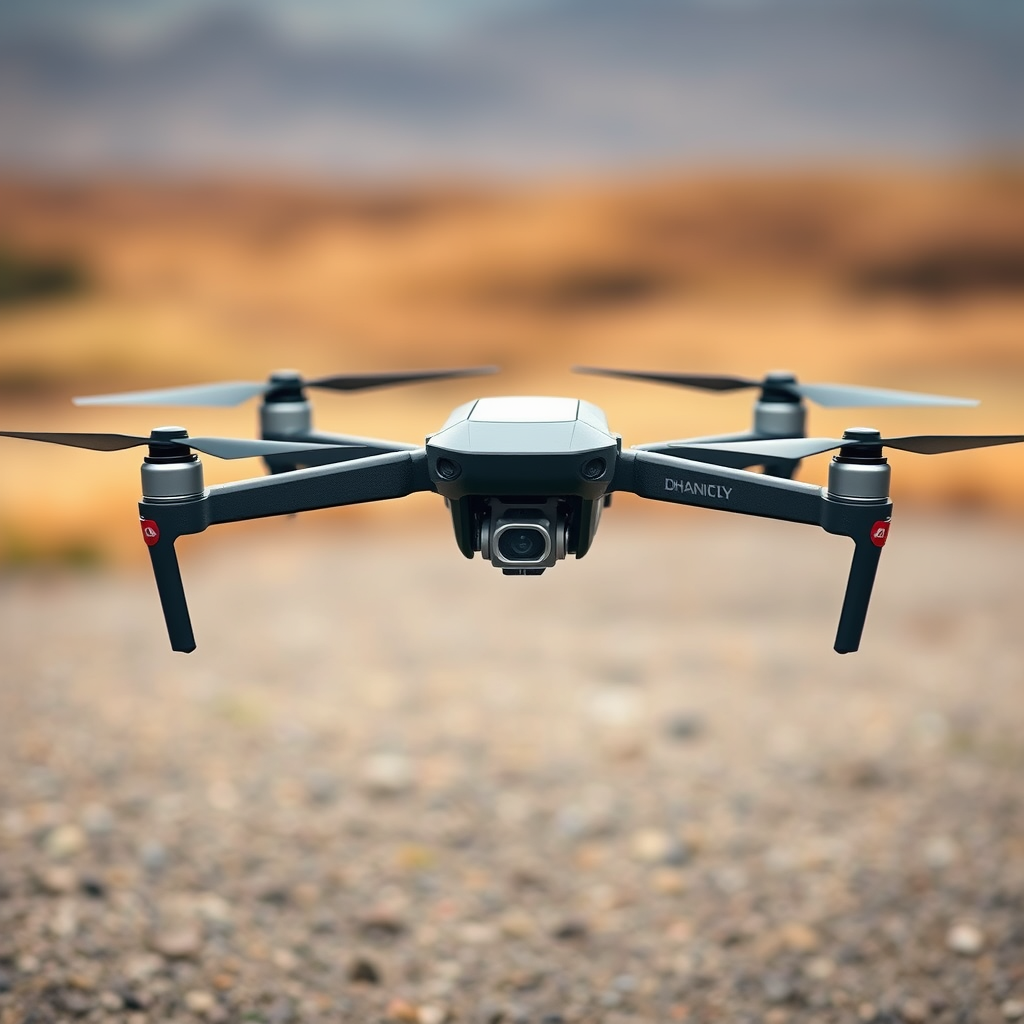
The flight range of a drone can vary significantly based on its category: consumer, commercial, or military. Consumer drones, primarily designed for recreational use, typically have a limited range suitable for personal photography and videography. In contrast, commercial drones are engineered for specialized tasks, such as surveying and delivery, allowing for longer distances. Military drones, on the other hand, boast advanced technology and can cover extensive areas, making them invaluable for reconnaissance missions.
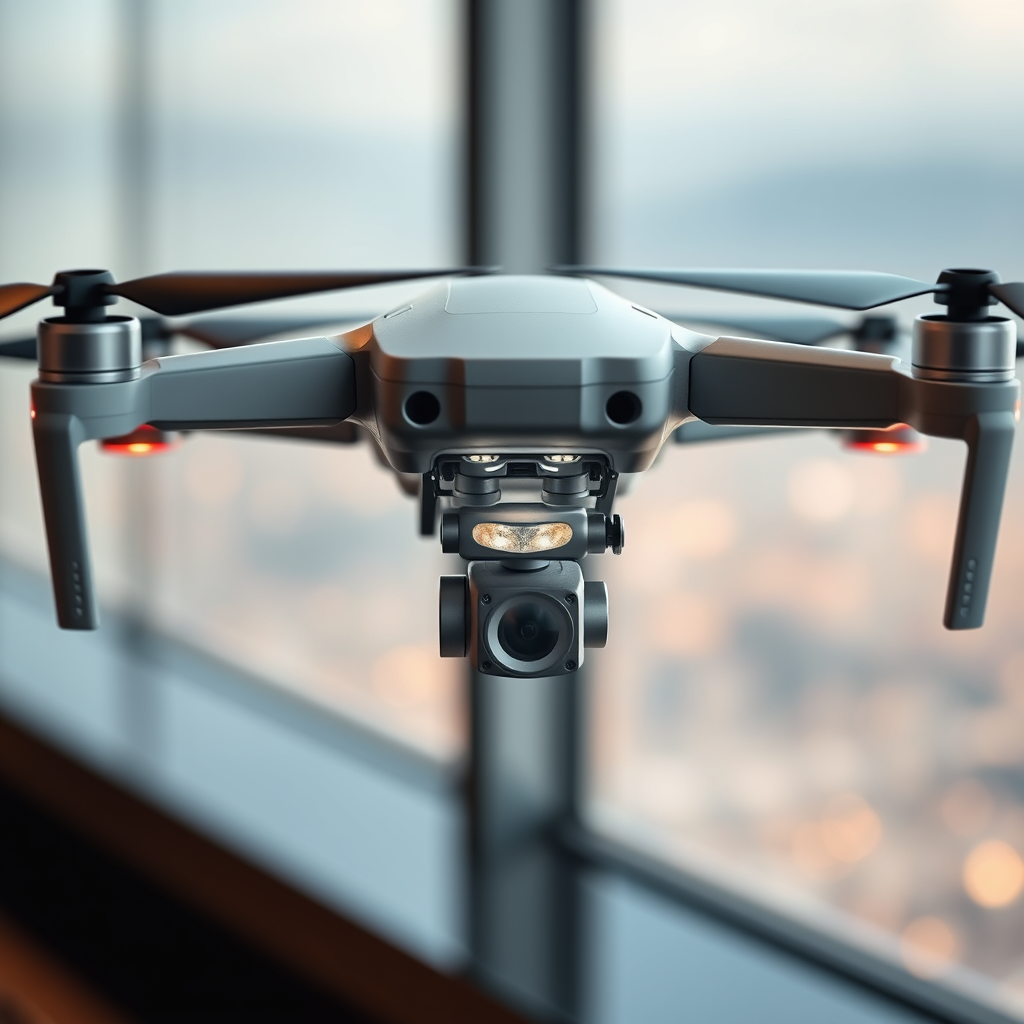
Several factors influence a drone’s flight range. Battery life is paramount; the more powerful the battery, the longer the flight time. Additionally, the weight of the drone impacts how far it can travel; heavier drones may consume more power, reducing their effective range. Environmental conditions, such as wind speed and temperature, can also affect flight capabilities. For instance, strong headwinds can limit a drone’s distance, while cold temperatures may reduce battery efficiency.
Types of Drones and Their Distances
Consumer drones are primarily designed for enthusiasts and hobbyists. Models like the DJI Mini 2 can achieve flight distances of up to 10 kilometers (6.2 miles) under optimal conditions. These drones are often equipped with features such as GPS positioning and stability control to enhance user experience.
Commercial drones typically offer more advanced technology for professional applications. Many can reach distances around 15 to 20 kilometers (9.3 to 12.4 miles). For example, the DJI Matrice 300 RTK is favored in industries like construction and agriculture, providing extended range and payload capabilities critical for tasks such as aerial surveying.
Military drones represent the pinnacle of drone technology in terms of flight range. The MQ-9 Reaper, for instance, can cover distances exceeding 1,000 kilometers (621 miles). This drone is equipped with advanced surveillance technology, allowing it to perform long-range missions without the need for frequent recharging or landing.
Long-Range Drones in the Market
In the current market, several high-end models exemplify long-range capabilities. The DJI Matrice series, particularly the Matrice 600, is engineered for cinematic and industrial applications, boasting a flight range that exceeds 100 kilometers (62 miles) when utilizing specialized transmission systems. These drones are designed for professional filmmakers and businesses that require high-resolution aerial footage over vast areas.
On the military front, drones like the Global Hawk can cover over 12,000 kilometers (7,456 miles) and are equipped for long-duration reconnaissance missions. These drones are not only capable of extensive flight distances but also feature advanced sensors and communication technology, allowing for real-time data transmission and operational flexibility.
Factors Influencing Drone Range
Battery technology plays a crucial role in determining a drone’s range. Recent advancements in lithium polymer and lithium-ion battery technology have significantly increased flight times and distances. Innovations such as high-capacity batteries and energy-efficient motors contribute to longer operational ranges.
Weather conditions are another critical factor impacting drone performance. Wind can dramatically affect a drone’s ability to maintain stability and cover distance. For example, flying against a strong headwind can reduce the effective range by consuming additional battery power. Additionally, adverse weather conditions like rain and extreme temperatures can hinder a drone’s performance and flight capabilities.
The weight of the drone also plays a pivotal role. Drones carrying additional payloads, such as cameras or sensors, may experience decreased flight time and range due to increased energy consumption. Therefore, the design and configuration of a drone are critical in maximizing its flight capabilities.
Regulatory and Safety Considerations
Regulations governing drone operations are essential to ensure safety and accountability in the airspace. In many regions, the Federal Aviation Administration (FAA) and other regulatory bodies impose restrictions that limit the operational range of drones. For instance, pilots are often required to maintain visual line-of-sight (VLOS) with their drones, which can restrict how far they can fly.
Compliance with these regulations is crucial for both recreational and commercial drone operators. Understanding the local laws regarding drone flights not only helps avoid legal complications but also enhances safety for both the operator and the public. Moreover, as the drone industry evolves, so too will the regulatory landscape, potentially opening new opportunities for long-range operations.
Practical Applications for Long-Distance Drones
Long-range drones have found diverse applications across various industries. In agriculture, for instance, drones are employed for crop monitoring over extensive fields, enabling farmers to manage their resources more effectively. With the ability to cover large areas quickly, these drones provide critical data on crop health, irrigation needs, and pest infestations.
Search and rescue operations also benefit from the use of long-range drones. These aircraft can cover vast terrains and provide aerial views of inaccessible areas, significantly enhancing the efficiency of rescue missions. Drones equipped with thermal imaging cameras can locate individuals in distress, making them invaluable tools in emergencies.
Additionally, long-range drones are increasingly used in logistics and delivery services. Companies like Amazon are exploring drone delivery systems that can transport packages over significant distances, streamlining the last-mile delivery process. This innovation is poised to alter the landscape of e-commerce and logistics, making fast delivery more feasible than ever before.
Future Trends in Drone Range
Looking to the future, ongoing research in battery technology and propulsion systems is expected to push the boundaries of drone flight distance. Innovations such as hybrid electric systems and solar-powered drones may extend operational ranges significantly. As companies invest in developing these technologies, we can anticipate a new generation of drones capable of flying longer distances without the need for frequent recharges.
Moreover, advancements in autonomous flight capabilities are likely to enhance the usability and safety of long-range operations. As drones become more intelligent, they will be able to navigate complex environments and adapt to changing conditions without direct human intervention. This evolution will not only improve operational efficiency but also open new avenues for commercial applications.
In conclusion, the maximum distance a drone can fly varies widely based on its type, technology, and the regulations governing its use. Consumer drones typically cover shorter distances, while commercial and military drones can achieve impressive ranges exceeding 100 kilometers. As technological advancements continue to emerge, the potential for longer flights will open new possibilities for commercial and recreational drone use. Staying informed about the latest developments in drone technology will help users maximize their flying experience and capitalize on the growing capabilities of these remarkable machines.
Frequently Asked Questions
What is the longest distance a consumer drone can fly?
The longest distance a consumer drone can fly varies by model, but many high-end drones can achieve ranges between 4 to 7 miles (6.4 to 11.3 kilometers) under optimal conditions. For instance, the DJI Mavic Air 2 boasts a maximum range of around 6.2 miles (10 kilometers) in unobstructed environments. However, factors such as battery life, weather conditions, and interference can significantly impact this range.
How does battery life affect a drone’s flying distance?
Battery life is a critical factor that directly influences how far a drone can fly. Most consumer drones have flight times ranging from 20 to 30 minutes, with longer ranges requiring efficient battery usage. If you’re planning on flying long distances, consider a drone with a larger battery capacity or one that supports battery swapping for extended flights, as this can help maximize your drone’s range.
Why do different drones have varying flight ranges?
Different drones have varying flight ranges due to factors such as design, technology, and intended use. High-performance drones typically feature advanced communication systems, lightweight materials, and powerful batteries, allowing them to cover longer distances. Additionally, drones designed for specific tasks, like racing or aerial photography, may prioritize speed or stability over flight range, affecting their overall capabilities.
What is the best drone for long-distance flying?
The best drone for long-distance flying is often the DJI Mavic 3, which can achieve a range of up to 9 miles (15 kilometers) with its advanced transmission technology. It combines a powerful battery with excellent flight stability and high-quality camera capabilities, making it ideal for both recreational and professional use. However, always consider your specific needs and budget when selecting a drone for long-distance operations.
Which factors can limit a drone’s maximum flying distance?
Several factors can limit a drone’s maximum flying distance, including battery life, signal strength, weather conditions, and regulatory restrictions. Obstacles such as buildings and trees can interfere with the drone’s signal, while harsh weather—like strong winds or rain—can also affect performance. Additionally, flying beyond the line of sight may violate local regulations, which can further restrict how far you can safely operate your drone.
References
- https://en.wikipedia.org/wiki/Drone_range
- https://www.faa.gov/uas/getting_started/part_107/
- https://www.nytimes.com/2021/02/01/technology/drones-long-range.html
- https://www.reuters.com/article/us-drones-technology-idUSKCN1V20Q0
- https://www.sciencedirect.com/science/article/abs/pii/S2213138819300139
- https://www.wired.com/story/drones-long-range/
- https://www.nasa.gov/mission_pages/UAS/overview/index.html
- https://www.itu.int/en/ITU-R/study-groups/rsg5/Pages/default.aspx
- https://www.theguardian.com/technology/2020/feb/20/drone-revolution-long-range-flying-tech-gadgets
