

You can fly a drone without a license in certain areas and under specific conditions, such as flying for recreational purposes in designated zones. Understanding the regulations and restrictions in your location can help you enjoy drone flying legally and safely. Navigating the landscape of drone operations can be complex, but with the right knowledge, you can explore the skies with confidence while adhering to legal requirements.
Understanding Drone Regulations
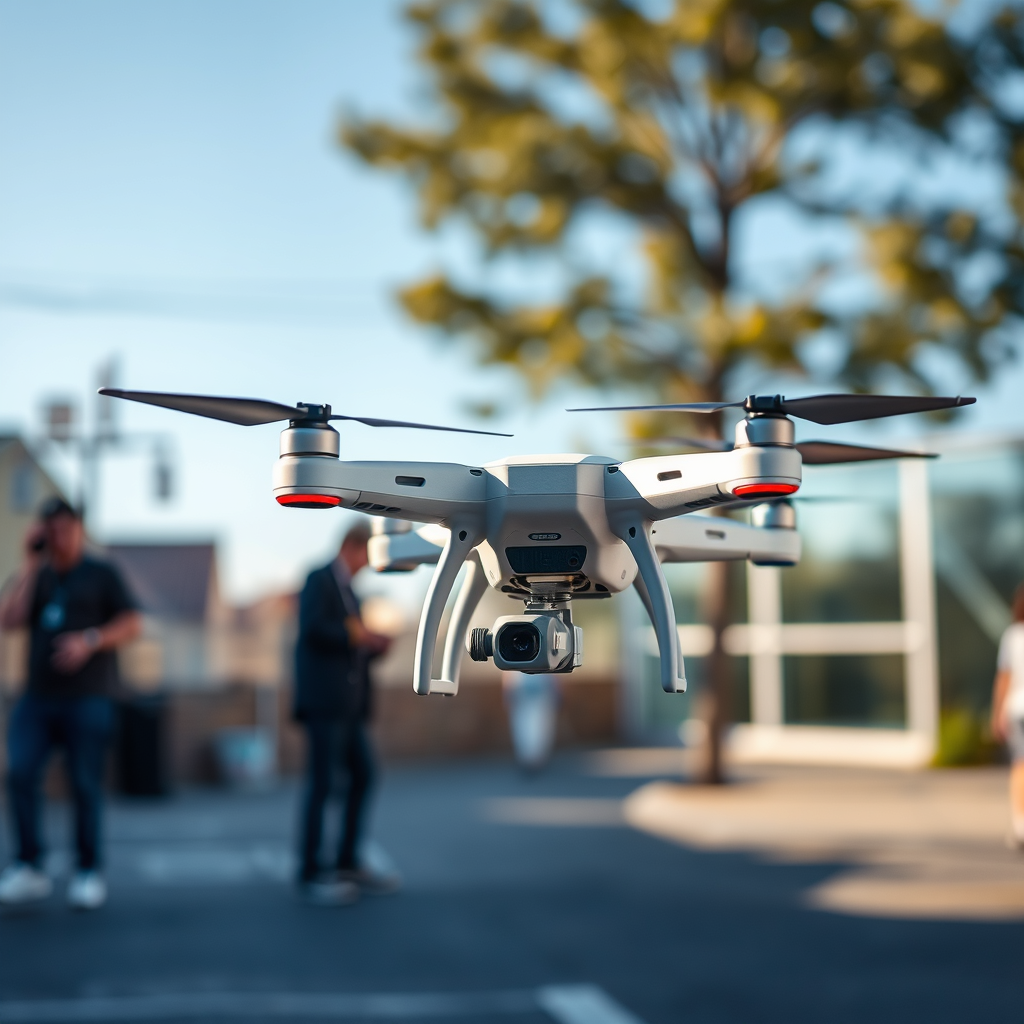
The Federal Aviation Administration (FAA) governs drone operations in the United States, outlining specific regulations that all drone pilots must follow. For recreational flyers, the FAA mandates that drones must weigh less than 55 pounds and be flown within visual line-of-sight, not exceeding an altitude of 400 feet. Moreover, the drone must be registered if it weighs over 0.55 pounds. Understanding these rules is crucial, as they help ensure safety in the airspace shared with manned aircraft.
In addition to federal regulations, local laws and restrictions can vary significantly based on your location. Some cities or states may impose stricter rules regarding drone operation, which can include designated flying zones and limitations on flying times. It is imperative to research and understand both federal and local regulations to avoid potential fines or legal issues.
Recreational Flying Zones
There are numerous popular locations across the United States where recreational drone flying is not only allowed but also encouraged. National parks, state parks, beaches, and open fields often serve as ideal venues for drone enthusiasts. For instance, places like the Outer Banks in North Carolina provide expansive, unobstructed views perfect for aerial photography, while parks such as Golden Gate Park in San Francisco offer vast green spaces conducive to flying.
Additionally, many cities have designated drone parks where enthusiasts can fly their devices safely. These areas are typically marked for drone use and provide a controlled environment that minimizes risks to others. Before flying, it’s advisable to check local resources or community boards for updated information on designated recreational zones.
No-Fly Zones
Understanding no-fly zones is essential for any drone pilot, as these areas are off-limits for safety and security reasons. Common no-fly zones include regions near airports, military bases, and large gatherings of people. The FAA has established a set of regulations that restrict drone operations within five miles of an airport unless prior authorization is obtained. Similarly, any drone flying near military installations is strictly prohibited.
To stay updated on no-fly areas, several resources are available. The FAA provides an interactive map that shows restricted airspace. Additionally, apps such as AirMap and UAV Forecast give real-time information about airspace restrictions and hazards. Utilizing these tools can help ensure compliance with the law and promote safer drone operation.
Weight and Size Considerations
Drone weight classifications play a significant role in determining whether a pilot needs a license to operate. Drones under 0.55 pounds (250 grams) do not require registration or a license for recreational use, making them ideal for novice pilots. These smaller drones, often referred to as toy drones, are generally less powerful and easier to control, allowing for a more user-friendly flying experience.
However, as drone size and weight increase, so do the regulatory requirements. Drones weighing between 0.55 and 55 pounds must be registered with the FAA, and their operators must adhere to the stated regulations. Knowing the weight of your drone can help you determine the necessary steps to fly legally, ensuring a more enjoyable experience without the burden of legal repercussions.
State-Specific Regulations
Drone laws can vary significantly from state to state, reflecting local priorities and concerns. For instance, states like California have enacted laws that address privacy concerns, restricting drone use over private property without consent. On the other hand, places like Texas may have more lenient regulations, focusing on promoting drone technology and innovation.
To navigate these variations, resources such as the National Conference of State Legislatures (NCSL) provide comprehensive overviews of state-specific drone laws. Additionally, local drone clubs and advocacy groups can offer insights into regional regulations, helping pilots stay informed about the legal landscape in their area.
Safety and Etiquette Tips
Flying a drone comes with responsibilities, and adhering to safety and etiquette guidelines is essential for both personal safety and the well-being of others. Best practices include maintaining a distance from people, animals, and property, as well as avoiding flying over crowded areas or private property without permission. Additionally, always respect the privacy of individuals and refrain from capturing images or videos without consent.
Furthermore, understanding the natural environment is crucial. Avoid disturbing wildlife, especially during nesting seasons when birds are particularly sensitive to disturbances. Respecting the environment not only promotes safer flying but also fosters positive relationships between drone pilots and the community.
Resources for New Drone Pilots
For those new to drone flying, various online resources can provide valuable insights and support. Websites such as the FAA’s official page for drone operators offer comprehensive guidelines and updates on regulations. Additionally, apps like B4UFLY help pilots understand the airspace and any restrictions in their flying area.
Community forums and groups, such as the Drone Pilot Network or local drone clubs, provide platforms for sharing experiences, tips, and best practices. Engaging with fellow drone enthusiasts can enhance your understanding of flying techniques and regulatory compliance while fostering a sense of community.
In conclusion, while there are several places where you can fly a drone without a license, it is crucial to stay informed about the regulations and safety practices. Always check local laws before heading out, understanding designated recreational zones, no-fly areas, and state-specific regulations. By adhering to safety guidelines and respecting the environment, you can enjoy your flying experience responsibly and make the most of your time in the skies.
Frequently Asked Questions
What are the regulations for flying a drone without a license in the United States?
In the United States, you can fly a drone without a license if it weighs less than 0.55 pounds (250 grams) and is used for recreational purposes. However, even hobbyists must follow specific guidelines set by the Federal Aviation Administration (FAA), such as flying below 400 feet, keeping the drone within visual line of sight, and avoiding restricted airspace. Always check local laws as they may impose additional restrictions.
Where can I fly my drone legally without needing a license?
You can legally fly your drone without a license in many public parks, open fields, and rural areas, as long as you adhere to FAA regulations and local laws. It is essential to avoid flying near airports, in crowded places, or over private property without permission. Websites like the FAA’s B4UFLY app can help you identify no-fly zones and safe areas for recreational drone flying.
Why do I need to check local laws before flying my drone?
Checking local laws is crucial because drone regulations can vary significantly by state, city, and even neighborhood. Some areas may have specific laws regarding drone use, such as drone bans in certain parks, residential areas, or near events. Ignoring these regulations can result in fines or confiscation of your drone, so always research local guidelines to ensure safe and legal flying.
How can I ensure safe flying when I don’t need a drone license?
To ensure safe flying without a drone license, always adhere to the FAA’s guidelines, maintain visual line of sight, avoid flying near people and vehicles, and steer clear of sensitive areas like airports or emergencies. Additionally, familiarize yourself with your drone’s controls and capabilities, and consider joining a local drone club for tips and support from experienced pilots. Safe flying practices help protect your drone and those around you.
Which types of drones can I fly without a license?
You can fly small drones weighing under 0.55 pounds (250 grams) without a license for recreational purposes. Popular models include the DJI Mini SE and the Holy Stone HS340, which are lightweight and easy to operate. However, for drones that exceed this weight limit or those intended for commercial use, you will need to obtain a Remote Pilot Certificate from the FAA. Always verify your drone’s specifications before flying.
References
- https://en.wikipedia.org/wiki/Drone_regulation
- https://www.faa.gov/uas/getting_started/fly_basics
- https://www.faa.gov/uas/where_to_fly
- https://www.nolo.com/legal-encyclopedia/drone-laws-what-you-need-know-32461.html
- https://www.usa.gov/elected-officials
- https://www.nerdwallet.com/article/investing/drone-laws-in-the-us
- https://www.suasnews.com/2021/06/where-can-i-fly-my-drone-without-a-license/
- https://www.abc.net.au/news/2021-03-19/what-drone-operators-need-to-know-about-flying-in-australia/100014444
- https://www.dronepilotgroundschool.com/drone-flying-regulations/
