
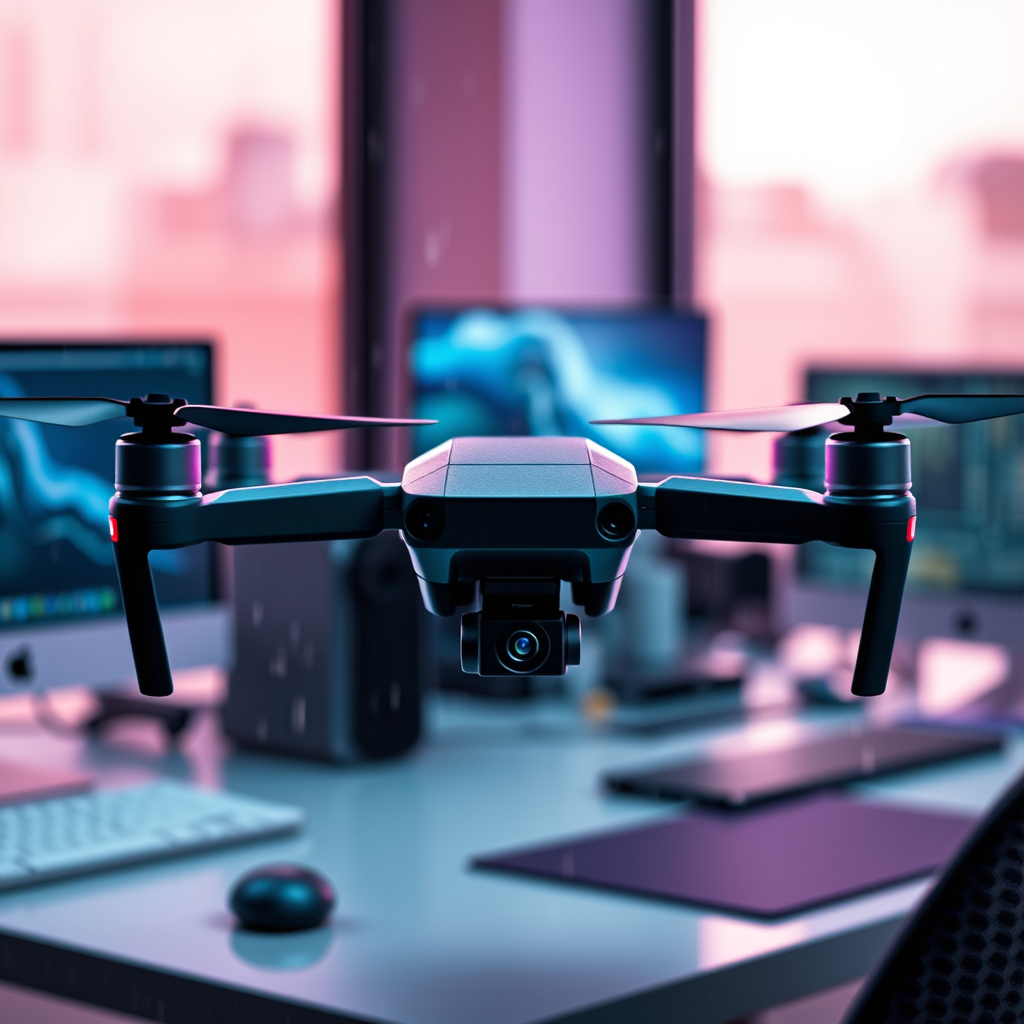
Most DJI drones are not designed for wet conditions, but certain models offer some level of water resistance. This article will explore which DJI drones can handle light rain and the features that make them suitable for such conditions. Understanding the capabilities and limitations of these drones will help you make informed decisions about your aerial photography and videography needs, even when the weather isn’t perfect.
Understanding Water Resistance in Drones
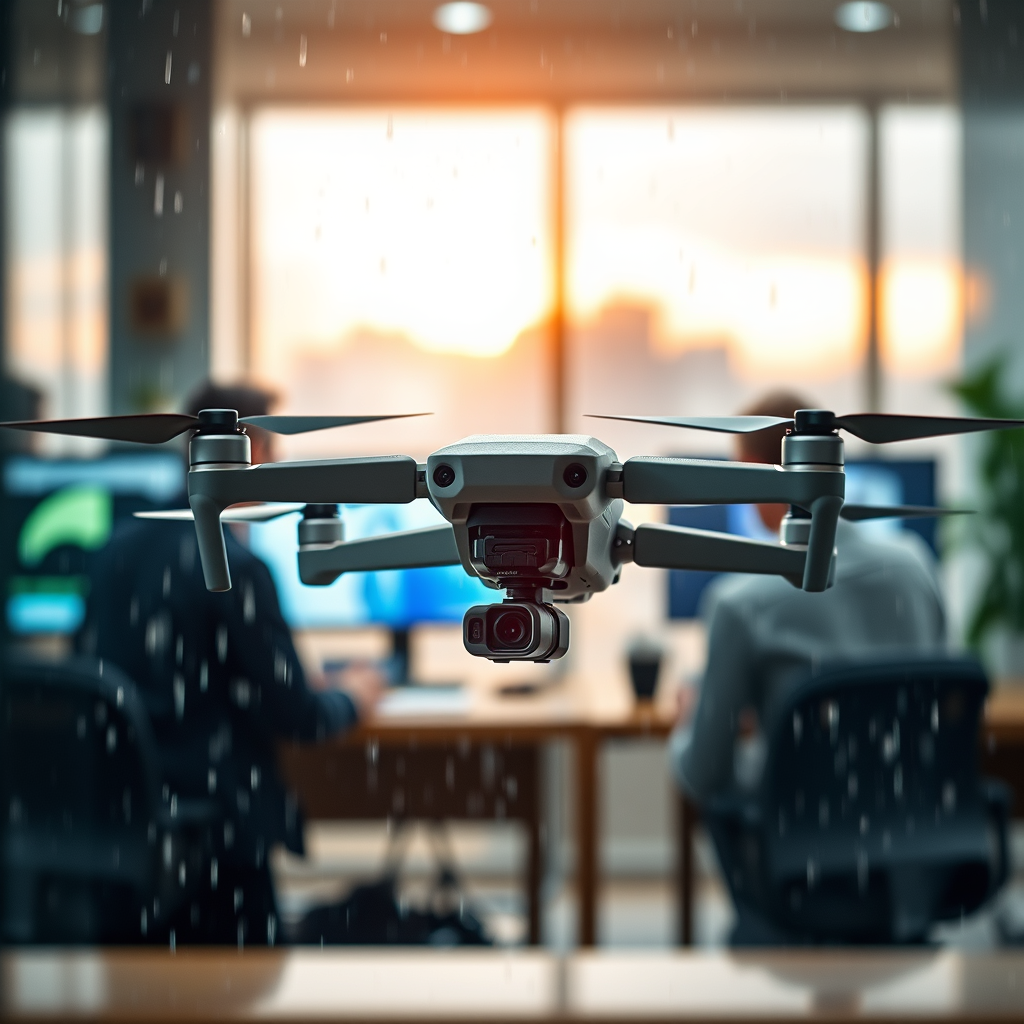
Water resistance in drones refers to the ability of the device to withstand exposure to moisture without suffering damage or losing functionality. This is a critical aspect for drone operation, as adverse weather conditions can lead to malfunctions and costly repairs. The significance of water resistance cannot be overstated, especially for professionals who rely on drones for capturing high-quality images and videos in various environments.
When discussing water resistance in drones, it’s essential to understand the Ingress Protection (IP) ratings. IP ratings are standardized codes that indicate the level of protection against solids and liquids. For instance, a drone with an IP rating of IP43 means it is protected against water spray from any direction and can withstand some moisture exposure. However, it’s crucial to note that even drones with higher IP ratings should not be subjected to heavy rain or submerged in water, as this can still lead to damage.
DJI Drones with Water Resistance Features
Several DJI drone models are equipped with water resistance features that allow them to function in light rain. Notable examples include the DJI Mavic 3 and DJI Phantom 4, which are recognized for their durability in less-than-ideal weather conditions.
The DJI Mavic 3, for instance, boasts an IP rating of IP55, which means it is protected against dust ingress and can withstand low-pressure water jets. This model features advanced sensors and a robust design, making it suitable for professional use in variable conditions. It also comes equipped with a high-quality camera capable of capturing stunning imagery, even in overcast weather.
The DJI Phantom 4 series, particularly the Phantom 4 Pro, also offers some level of water resistance. While not officially rated for water exposure, its robust build and weather-sealed components provide a degree of protection against light rain. This drone is favored for its superior stability and intelligent flight modes, which can help mitigate the risks associated with flying in wet conditions.
Limitations of Flying Drones in Rain
Despite the water-resistant features of certain DJI drones, it’s important to recognize the limitations of flying in rain. Even drones with an IP rating may struggle in heavy rain, as the intensity of the water can overwhelm their protective measures. Factors such as wind and reduced visibility can significantly affect a drone’s stability and control, increasing the risk of crashes.
Flying in wet conditions poses several risks, including potential damage to electronic components and battery issues. Water can enter the drone’s internal systems, leading to corrosion and malfunction over time. Moreover, the added weight of moisture can impact flight performance, making it difficult to maintain altitude and maneuver effectively.
Recommended Usage Scenarios
When considering flying a drone in light rain, adhering to best practices is essential for a successful experience. It is advisable to maintain a higher altitude when operating in wet conditions, as this can help minimize the risk of moisture exposure. Additionally, pilots should ensure that visibility remains adequate to avoid obstacles and maintain safe flight paths.
There are specific scenarios where flying in light rain might be beneficial. For instance, capturing unique footage during a rain shower can yield dramatic and visually appealing results. The contrast of raindrops against landscape features can enhance the aesthetic quality of aerial photography. However, it’s crucial to weigh these creative opportunities against the potential risks and to proceed with caution.
Maintenance Tips for Rain-Exposed Drones
Proper maintenance is vital for drones exposed to moisture, as it can prevent long-term damage and ensure their longevity. After flying in light rain, it is essential to conduct a thorough inspection of the drone. This includes checking for any signs of water ingress and ensuring that all components are dry before storing the device.
Essential post-flight care involves gently wiping down the drone with a microfiber cloth to remove any water droplets. Additionally, pilots should remove the battery and allow it to dry separately, as moisture can compromise performance and safety. Regular maintenance checks should also be scheduled to inspect for any signs of wear and tear, especially on seals and joints that may be susceptible to moisture.
User Experiences and Recommendations
Many drone users who have ventured into wet conditions report mixed experiences. Some users have successfully flown their water-resistant DJI drones in light rain, capturing stunning footage and enjoying the challenge of adverse weather. Testimonials highlight the importance of being cautious and prepared, suggesting that pilots invest in protective gear such as waterproof cases and lens covers to safeguard their equipment.
Recommendations often include monitoring weather forecasts closely and being aware of changing conditions. Users advise against flying in heavy rain or strong winds, as these factors can drastically increase the risk of accidents. It’s also beneficial to practice flying in controlled environments before attempting to operate in more challenging conditions.
Conclusion
While not all DJI drones can handle rain, some models are equipped with water-resistant features that allow for limited operation in light rain. Always consider the weather conditions and take necessary precautions to protect your investment. If you’re a drone enthusiast, knowing your equipment’s capabilities can help you make the most of your flying experience, even in less-than-ideal weather. By understanding water resistance, adhering to best practices, and maintaining your drone properly, you can continue to explore and capture breathtaking aerial footage, rain or shine.
Frequently Asked Questions
Which DJI drones are designed to fly in rain or wet conditions?
DJI offers a few models that can handle light rain or wet conditions, notably the DJI Matrice 300 RTK and the DJI Mavic 2 Enterprise Advanced. These drones feature an IP rating that indicates a degree of water resistance, allowing them to operate in light rain. However, it’s crucial to understand that even drones with water resistance are not rated for heavy rain or prolonged exposure to moisture, so it’s best to avoid flying in adverse weather whenever possible.
How does flying a drone in the rain affect its performance?
Flying a drone in the rain can significantly impact its performance and safety. Water can interfere with the drone’s electronics and sensors, leading to malfunctions or loss of control. Additionally, wet conditions can affect battery performance and flight time, as well as increase the risk of losing the drone due to water damage. Therefore, it’s recommended to check the specific water resistance ratings of your DJI drone and err on the side of caution.
What precautions should I take when flying a DJI drone in light rain?
When flying a DJI drone in light rain, it’s essential to take several precautions. Ensure that the drone is properly sealed and all ports are closed to minimize moisture entry. Monitor weather conditions closely, and avoid flying in heavy or unpredictable rain. Additionally, consider using a protective cover or rain shield designed for drones to help divert water away from sensitive components.
Why are most consumer drones not recommended for flying in rain?
Most consumer drones, including many DJI models, are not recommended for flying in rain due to their sensitive electronic components and lack of adequate sealing against moisture. Water can cause short-circuits, damage motors, and degrade battery life, leading to potential crashes. Manufacturers often emphasize the importance of flying in dry conditions to ensure safety and maintain the longevity of the drone.
What is the best DJI drone for flying in challenging weather conditions?
The best DJI drone for flying in challenging weather conditions is the DJI Matrice 300 RTK. This drone is specifically designed for industrial applications and features an IP45 rating, providing a level of protection against water splashes. Its robust build and advanced technology make it suitable for various environmental conditions, including light rain, making it a top choice for professionals who need reliability in unpredictable weather.
References
- https://en.wikipedia.org/wiki/DJI_Drones
- https://www.dji.com/us/flight-safety
- https://www.surveysciences.com/drones-in-rain
- https://www.reuters.com/article/us-drones-weather-idUSKBN1Z20RQ
- https://www.techradar.com/news/what-weather-conditions-can-you-fly-a-drone-in
- https://www.dronepilotgroundschool.com/drone-flying-in-rain-what-you-need-to-know/
