
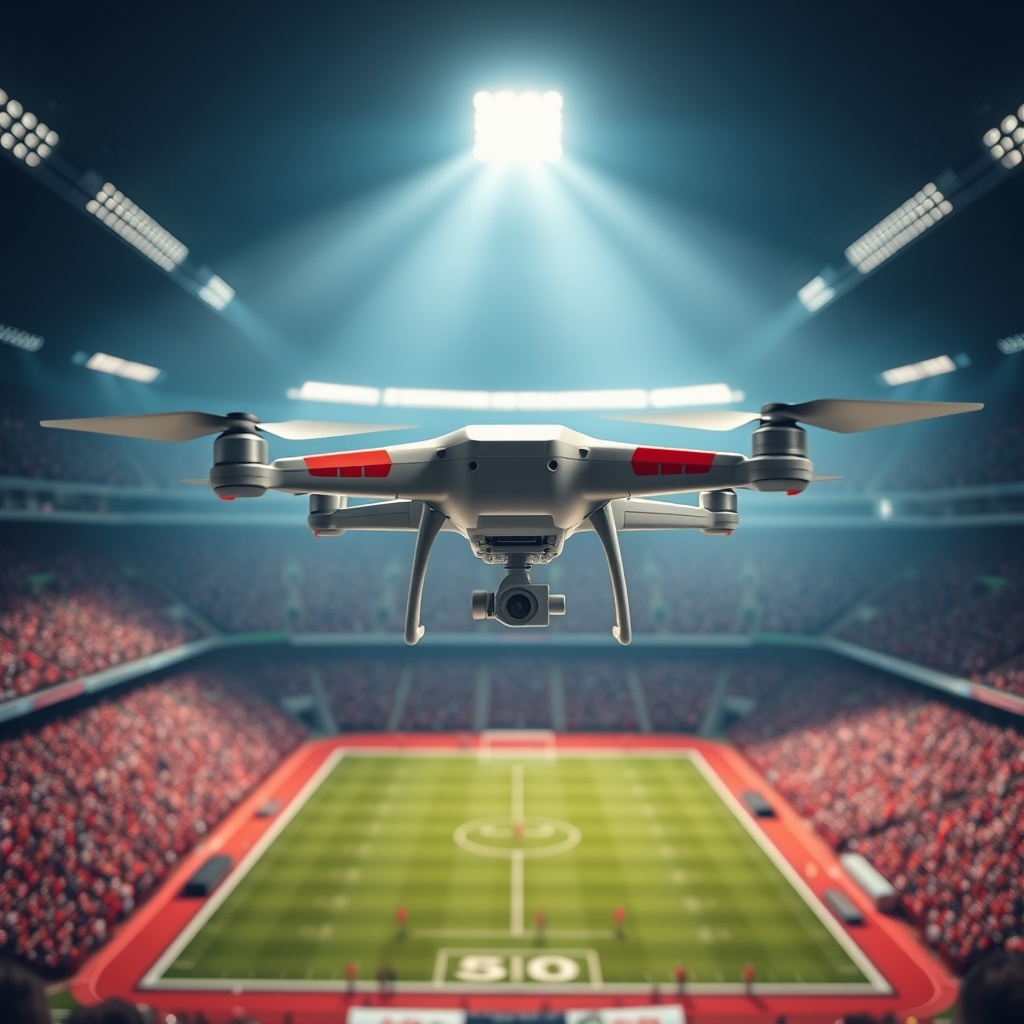
Yes, you can fly a drone over an empty football stadium, but there are specific regulations and considerations to keep in mind. Understanding these rules will ensure you have a safe and legal flying experience while capturing stunning aerial footage. With the rapid rise in drone technology, enthusiasts and professionals alike are eager to explore unique perspectives, and an empty football stadium presents an enticing opportunity. However, before you take to the skies, it’s essential to familiarize yourself with FAA regulations, local laws, safety considerations, insurance issues, and best flying practices to ensure a successful aerial adventure.
Understanding FAA Regulations
The Federal Aviation Administration (FAA) governs drone flights in the U.S., imposing a framework designed to ensure the safety of both drone operators and the public. If you are flying a drone for commercial purposes, you must adhere to Part 107 regulations, which include obtaining a Remote Pilot Certificate, registering your drone, and following specific operational guidelines. Commercial flights are subject to stricter requirements, including maintaining a visual line of sight and adhering to altitude restrictions.
For recreational flyers, the FAA has established a set of guidelines aimed at promoting responsible drone use. These include flying below 400 feet, keeping the drone within visual line of sight, and avoiding flying over people or moving vehicles. While flying over an empty football stadium seems harmless, it’s vital to ensure that you are following these regulations to avoid potential fines or legal issues.
Additionally, the FAA mandates that drone operators must not fly near airports or in restricted airspace unless they have received the necessary permissions. While an empty stadium may not seem like a hazard, it is still crucial to check the area for any nearby airports or air traffic that could complicate your flight.
Local Laws and Permissions
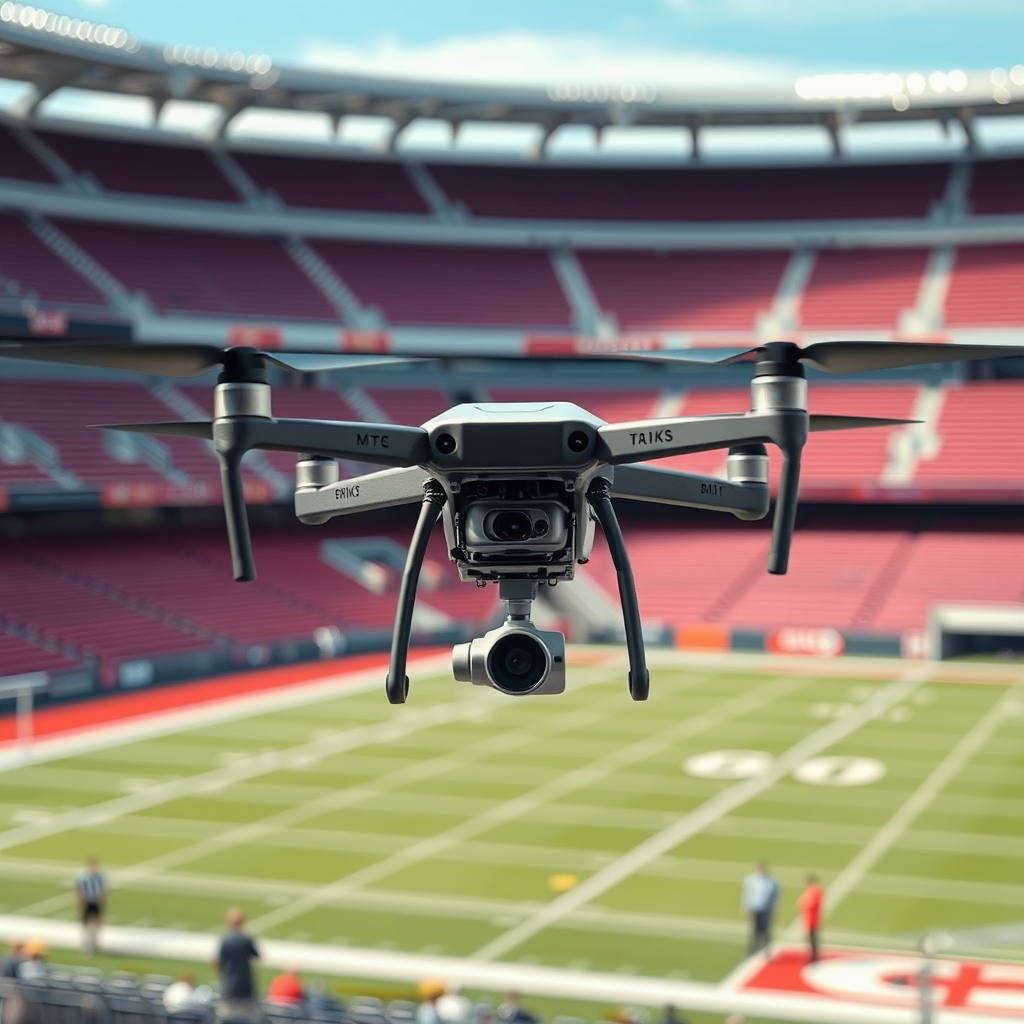
In addition to federal regulations, local laws can significantly influence your ability to fly a drone over an empty football stadium. Many municipalities have enacted ordinances that restrict drone use in public venues, particularly those that host large crowds or events. These rules can vary widely from one location to another, so it is essential to do thorough research before flying.
Some stadiums may require drone operators to obtain prior permission or a permit before flying over their property, even if the stadium is unoccupied. This is particularly true for professional sports venues, which may have strict security protocols in place. To ensure compliance, consider reaching out to the stadium’s management or local authorities to inquire about any necessary permits or regulations.
Respecting private property rights is also paramount. Even if a stadium appears empty, it is essential to recognize that the land is privately owned. Trespassing laws could come into play if you do not have the permission of the property owner to operate your drone above the venue.
Safety Considerations
Safety is a critical aspect of drone operation, especially when flying over potentially hazardous areas like a football stadium. Before any flight, ensure that your drone is in good working order. Conduct a pre-flight inspection to check the battery levels, propeller condition, and overall functionality of the device. Familiarity with your drone’s controls and capabilities can prevent accidents during your flight.
Be aware of potential hazards in and around the stadium. Nearby structures, such as light towers, scoreboards, and stands, can pose a collision risk, even in an empty venue. Additionally, wildlife in the area could become startled by the drone, leading to unexpected behavior that may complicate your operation.
Maintaining a safe distance from the stadium and any surrounding areas where people might gather is also advisable. Even if the stadium is empty at the time of your flight, unexpected events such as maintenance work or individuals accessing the venue could occur. Keeping a safe distance ensures that you can react quickly to any unforeseen circumstances.
Insurance and Liability
Acquiring drone insurance is a prudent step for any operator, particularly when flying over venues like empty football stadiums. Drone insurance can cover potential damages to property or liability issues that may arise during your flight. Understanding the specifics of your insurance policy is crucial; certain policies may not cover drone operations in specific locations or under specific circumstances.
Even when flying over an empty stadium, risks are inherent. Equipment malfunctions, pilot error, or unexpected changes in weather can lead to accidents. By having insurance, you safeguard yourself against the financial repercussions of such incidents, offering peace of mind while you capture stunning aerial views.
Furthermore, familiarize yourself with the liability laws in your state or locality, as these can dictate your responsibilities in the event of an accident. In some cases, the drone operator may be held liable for any damages incurred during the flight, underscoring the importance of having the right insurance coverage.
Best Practices for Flying
To ensure a successful flight experience, it is vital to follow best practices for drone operation. Start by flying during optimal weather conditions, as strong winds, rain, or poor visibility can adversely affect your drone’s performance. Timing your flight for early mornings or late afternoons can provide favorable weather and beautiful lighting for capturing aerial footage.
Before taking off, utilize a pre-flight checklist to confirm that all systems are functioning correctly. This checklist should include battery checks, firmware updates, and ensuring that GPS and communication systems are operational. Taking the time to prepare can prevent many common issues that drones face during flights.
When capturing footage, consider the angles and shots you wish to obtain. A well-thought-out plan can help to maximize the quality of your aerial footage. Additionally, be mindful of noise and disturbance, especially in areas where people might gather, as excessive noise could be disruptive.
Capturing Aerial Footage
Capturing stunning aerial footage requires careful planning and high-quality equipment. Before your flight, outline the specific shots and angles you want to achieve, whether it’s sweeping views of the stadium, close-ups of architectural features, or dynamic movements that showcase the venue’s scale.
Investing in high-quality drone equipment equipped with advanced camera technology can significantly enhance the visual appeal of your footage. Cameras with high resolution and stabilization features will produce smooth, professional-looking videos that are more likely to impress audiences.
Once you have captured your footage, consider the post-production process. Editing your video thoughtfully can elevate the final product, allowing for color correction, sound editing, and the integration of creative elements that enhance the storytelling aspect of your project. Finally, be considerate of how you plan to share or utilize the footage, as obtaining the necessary permissions for distribution can prevent future legal issues.
In summary, while flying a drone over an empty football stadium is possible, it is crucial to adhere to regulations, obtain necessary permissions, and prioritize safety. By following these guidelines, you can enjoy a successful flying experience that not only complies with legal standards but also results in breathtaking aerial footage. Whether for personal enjoyment or professional endeavors, understanding the complexities of drone operation will enhance the quality and safety of your aerial adventures.
Frequently Asked Questions
Can I legally fly a drone over an empty football stadium?
Yes, you can legally fly a drone over an empty football stadium, but there are important regulations to consider. The Federal Aviation Administration (FAA) generally allows drone flights in uncontrolled airspace, which most stadiums are, provided you adhere to altitude limits and maintain visual line of sight. However, it’s essential to check for any local laws or regulations that may prohibit drone use in specific areas, including stadiums.
What are the safety considerations for flying a drone over a stadium?
When flying a drone over an empty stadium, safety is a top priority. Ensure that your drone is in good working condition, and avoid flying in windy conditions that could cause instability. Additionally, be aware of your surroundings and avoid flying near people or structures, as this could pose risks. Following the FAA’s guidelines and using common sense will help ensure a safe flying experience.
How high can I fly my drone over a football stadium?
The FAA allows drone pilots to fly at a maximum altitude of 400 feet above ground level in uncontrolled airspace, which typically includes empty football stadiums. However, it’s critical to ensure that you are not interfering with any manned aircraft operations and to avoid flying directly over any people, even when the stadium is empty. Always check for temporary flight restrictions (TFRs) that might apply to your location.
Why should I check for local regulations before flying a drone at a stadium?
Local regulations can vary significantly and may impose restrictions that are stricter than federal laws. Some cities or stadiums may have specific ordinances against drone flights due to privacy concerns or safety risks. Checking local laws ensures you comply with any unique regulations and helps you avoid potential fines or legal issues.
What is the best time to fly a drone over a football stadium?
The best time to fly a drone over an empty football stadium is during daylight hours when visibility is at its peak, and there are no people around. Early mornings or late afternoons are often ideal as they tend to be less crowded and also provide optimal lighting for aerial photography. Always ensure that you are aware of any scheduled events or maintenance activities that could affect drone operations.
References
- https://www.faa.gov/uas/getting_started/part_107
- https://www.faa.gov/uas/
- https://www.nytimes.com/2021/03/11/business/drone-regulations.html
- https://www.wired.com/story/drone-flying-regulations-faa/
- https://www.washingtonpost.com/technology/2020/12/08/drone-flying-rules-faa/
- https://www.dji.com/flying-in-the-us
- https://www.nap.edu/catalog/25367/the-future-of-drones-in-the-us
- https://www.theguardian.com/technology/2020/feb/26/drone-regulations-faa-2020
- https://www.ust.edu/
