

Yes, you can shoot a drone over your property in Illinois, but there are important legal considerations and potential consequences to be aware of. It’s crucial to understand the laws surrounding drone usage and property rights to avoid legal issues. The increasing prevalence of drones for commercial and recreational purposes has raised a host of questions regarding personal rights and responsibilities. As a property owner, while you may feel justified in protecting your privacy and property, the ramifications of taking such drastic actions as shooting down a drone could lead to severe legal repercussions, including potential criminal charges.
Understanding Illinois Drone Laws
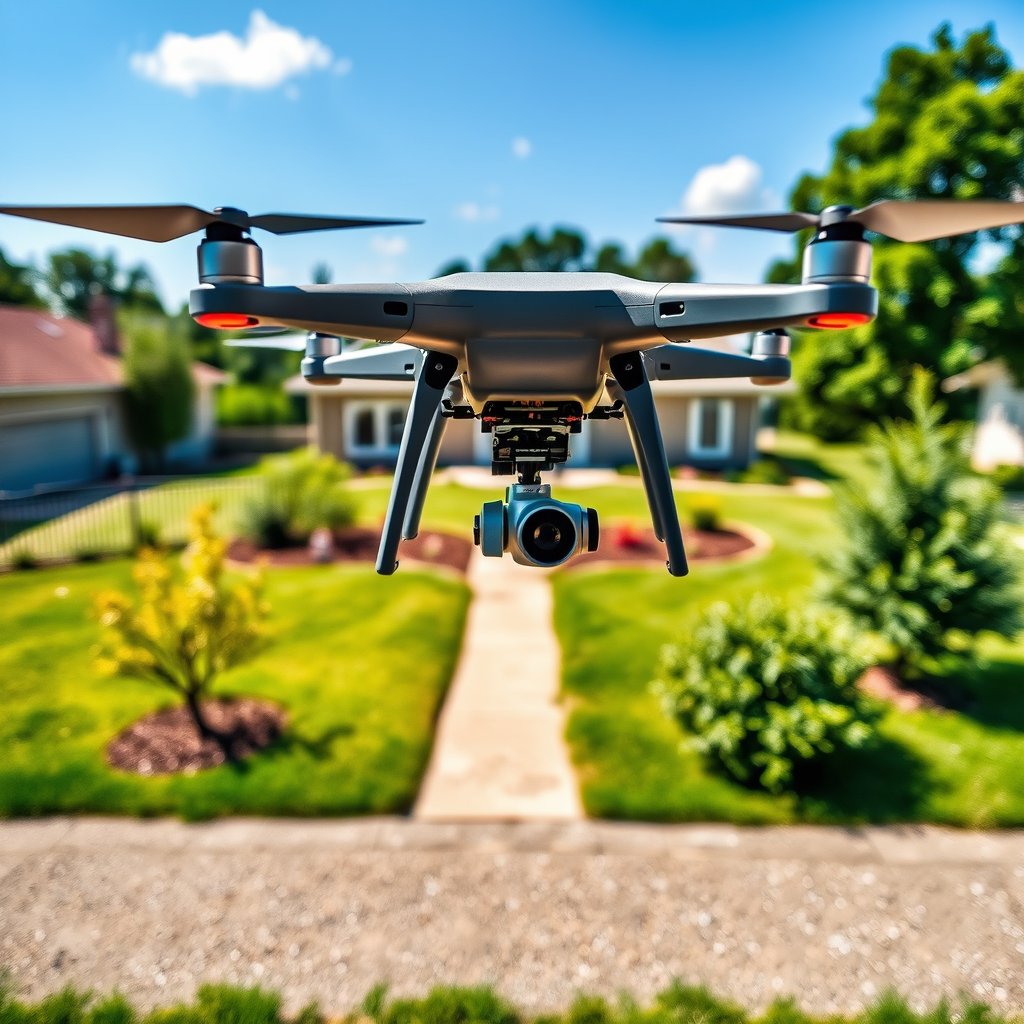
Illinois has specific regulations governing drone operation, including registration and usage restrictions. Under the Illinois Drone Law, all drones weighing more than 0.55 pounds must be registered with the Federal Aviation Administration (FAA). Additionally, drone operators must adhere to FAA regulations, which stipulate that drones must be flown within the pilot’s visual line of sight, typically within 400 feet of the ground.
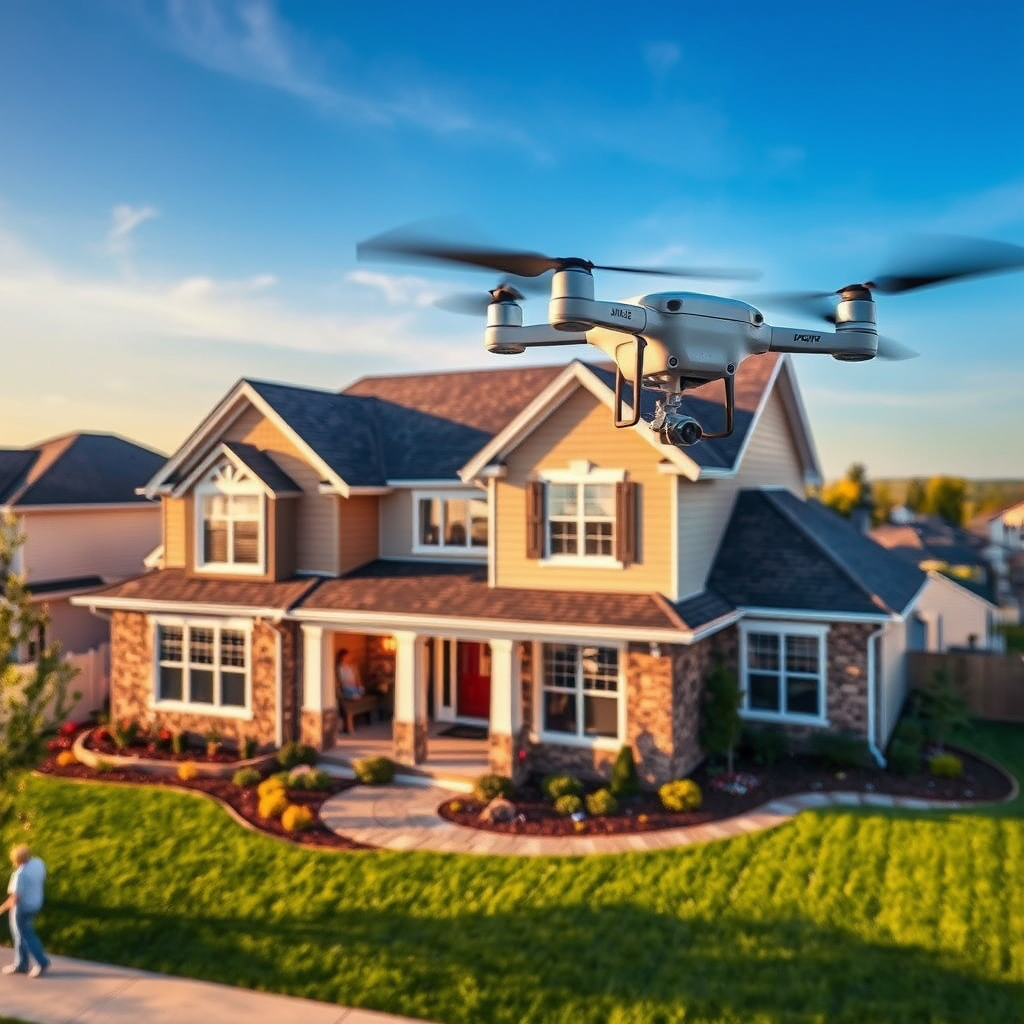
Moreover, Illinois law prohibits flying drones over people or moving vehicles without specific permissions, making it essential for drone operators to respect the safety and privacy of individuals on the ground. Violation of these laws can lead to significant fines and legal actions. Understanding these regulations is essential for property owners considering how to respond to unwanted drone presence. It’s advisable to familiarize yourself with both state and federal drone laws to avoid conflicts.
Property Rights and Airspace
Property owners have rights to the airspace above their land, but this does not grant unrestricted control over drones. While property owners can assert ownership of the airspace extending above their property, this right is not absolute. The Federal Aviation Administration (FAA) regulates navigable airspace, which generally begins at an altitude of 500 feet above ground level. As such, drones operating at altitudes below this threshold may not be subject to the same restrictions as other aircraft.
This duality can create confusion regarding what constitutes an infringement of property rights when it comes to drones. In Illinois, property owners have the right to protect their property, but attempting to shoot down a drone can infringe upon federal airspace regulations. Therefore, property owners should be cautious and consider the implications of their actions on both state and federal levels.
Consequences of Shooting a Drone
Shooting a drone can lead to criminal charges, including endangerment or destruction of property. In Illinois, discharging a firearm in a manner that creates a risk to others can result in serious legal consequences. If a property owner discharges a weapon to shoot down a drone, they could face charges related to reckless conduct, which could carry significant fines and potential jail time.
Additionally, the drone operator whose equipment is damaged or destroyed may pursue legal actions for damages, further complicating the situation. Cases have emerged across the country where individuals who attempted to shoot down drones found themselves facing lawsuits and criminal charges, emphasizing that the consequences of such actions can be severe. It is critical for property owners to weigh these potential legal ramifications before resorting to drastic measures.
Alternatives to Shooting a Drone
Instead of taking extreme action, property owners should consider contacting local law enforcement or the FAA to report unauthorized drone activity. Law enforcement can assess the situation and determine whether any laws have been violated. Reporting the drone can lead to an investigation that may result in appropriate actions taken against the operator, which can be a more effective and legal approach to addressing the issue.
Additionally, using non-lethal deterrents, such as signal jammers or other technology, may be a safer option. While jamming devices are illegal in the U.S. under FCC regulations, there are other methods available, such as drone-repelling devices that emit signals to disrupt the drone’s navigation system without causing it harm. Exploring these alternatives can help property owners protect their privacy without escalating the situation to a point of legal jeopardy.
Drone Privacy Issues
Drones can infringe on privacy rights, so it is essential to familiarize yourself with privacy laws in Illinois. The Illinois Eavesdropping Act, for example, provides some protection against unauthorized recording of individuals in private settings. If a drone is invading your privacy by capturing images or recordings of you or your property without consent, you may have legal grounds for a complaint.
Understanding your rights under privacy laws is critical, and documenting any unauthorized drone activity with photos or videos can bolster your case. If you feel that a drone is violating your privacy rights, you may want to consult with an attorney who specializes in privacy law to explore your options for recourse.
Best Practices for Responding to Drones
When responding to unauthorized drone activity, it is essential to document any occurrences with photos or videos. This documentation can serve as evidence if you decide to take legal action or report the drone to authorities. Additionally, if it is safe to do so, consider communicating directly with the drone operator. Many drone operators may not be aware that they are infringing on privacy or property rights, and a direct conversation could lead to a resolution.
It is important to remain calm and composed when dealing with drone-related issues. Avoid confrontational behavior, as this can escalate tensions and lead to unsafe situations. Instead, prioritize lawful and safe actions to address your concerns regarding drone activity.
In conclusion, while you technically can shoot a drone over your property in Illinois, it’s fraught with legal risks and potential consequences. The complexities of airspace rights, privacy laws, and available alternatives necessitate a careful approach to handling drone-related issues. Consider safer alternatives and familiarize yourself with local laws to protect your rights without escalating the situation. Always prioritize safety and lawful actions when dealing with drone issues, as the consequences of unlawful actions can have long-lasting implications.
Frequently Asked Questions
Can I fly a drone over my residential property in Illinois?
Yes, you can fly a drone over your residential property in Illinois as long as you adhere to federal regulations set by the Federal Aviation Administration (FAA). This includes maintaining a visual line of sight with your drone, flying below 400 feet, and not flying near airports or populated areas. It’s essential to ensure that you are not infringing on your neighbors’ privacy or breaking any local ordinances that may apply to drone usage.
Are there any specific regulations for flying drones in Illinois?
In Illinois, drone operators must follow both state and federal regulations. The FAA governs airspace and requires registration for drones weighing over 0.55 pounds. Additionally, Illinois has laws that prohibit drone use for certain activities, such as surveillance or harassment. Always check local laws and municipal codes, as some cities may have additional restrictions on drone flights.
What should I consider before flying my drone over my property in Illinois?
Before flying your drone over your property, consider factors such as privacy concerns for yourself and your neighbors, local weather conditions, and any potential obstacles like trees or buildings. Understand the specific zoning laws and regulations in your area, as some municipalities may have restrictions on drone use. Additionally, ensure that your drone is in good working order and familiarize yourself with its controls and features to avoid accidents.
How can I ensure I’m flying my drone legally in Illinois?
To ensure you’re flying your drone legally in Illinois, first, register your drone with the FAA if it weighs over 0.55 pounds. Familiarize yourself with FAA regulations, including no-fly zones, altitude limits, and visual line-of-sight requirements. Furthermore, check for any local laws specific to your city or county regarding drone operations, and always obtain permission if you’re planning to fly over someone else’s property.
Which organizations provide resources for drone regulations in Illinois?
Several organizations provide resources for understanding drone regulations in Illinois. The Federal Aviation Administration (FAA) is the primary authority for national drone regulations. Additionally, the Illinois Department of Transportation (IDOT) offers guidance on state-specific regulations. Local drone clubs and organizations often hold workshops and provide support for new drone pilots, making them valuable resources for learning and compliance.
References
- https://www.illinois.gov/dnr/education/Pages/drones.aspx
- https://www.abc7chicago.com/news/illinois-drone-laws-what-you-need-to-know/5099925/
- https://www.nolo.com/legal-encyclopedia/drone-laws-illinois-367905.html
- https://www.senate.gov/legislative/LIS/roll_call_lists/roll_call_menu_115_2.htm
- https://www.faa.gov/uas/getting_started/part_107/
- https://www.illinoislegalaid.org/legal-information/drone-laws-illinois
- https://www.chicagotribune.com/news/ct-drone-law-illinois-20200305-5y4j4h4h4bcmvgyk6w4lojxgda-story.html
- https://www.nytimes.com/2021/01/14/us/drone-laws.html
