

Drones can typically carry between 0.5 to 400 pounds, depending on the model and design. While small consumer drones are limited to lighter loads, specialized commercial drones are engineered to transport significantly heavier items. This article will delve into the various factors that influence a drone’s payload capacity and provide insights into the types of drones available on the market.
Understanding Drone Payload Capacity
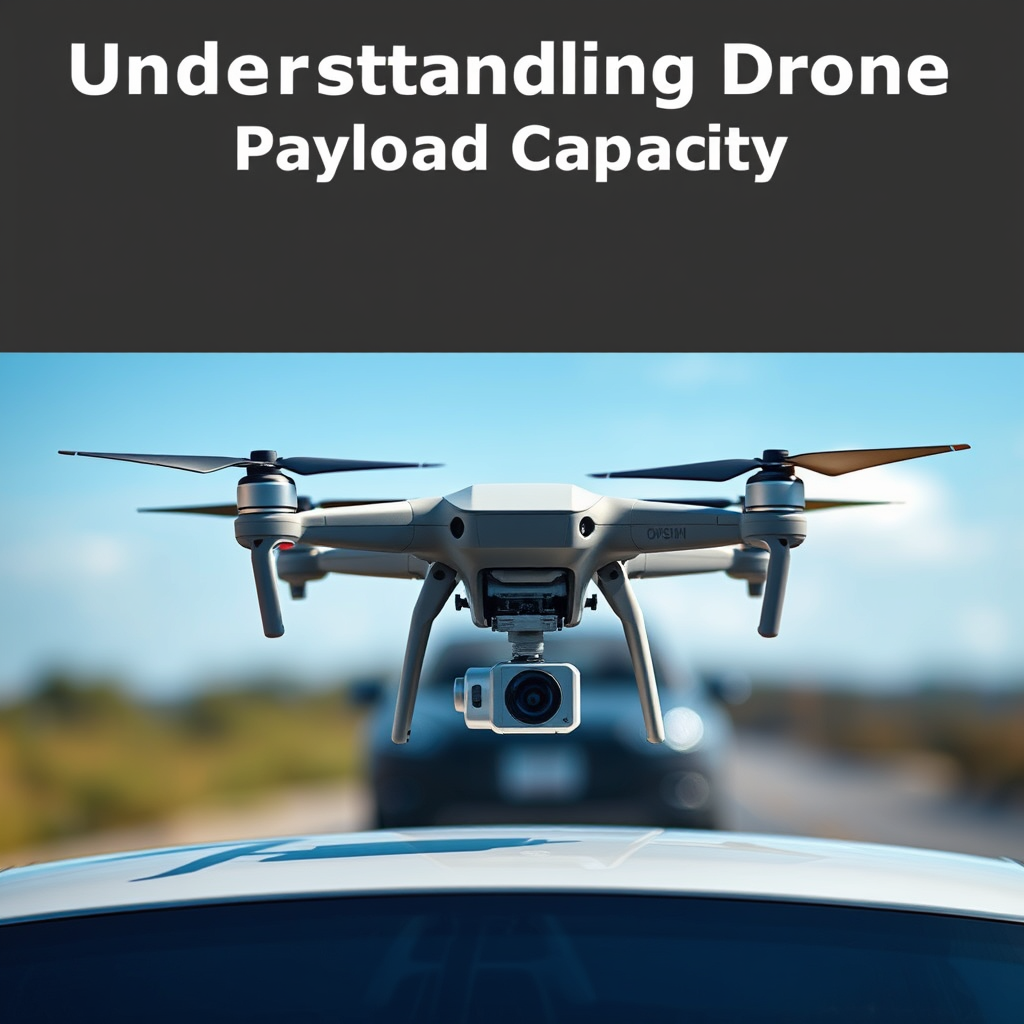
Payload capacity refers to the maximum weight a drone can carry while still being able to maintain stable flight. This capacity varies significantly among different drone types, influenced by several factors. The motor power is paramount; more robust motors can generate the thrust necessary to lift heavier weights. Battery size also plays a critical role, as larger batteries can deliver more energy, enabling the drone to sustain flight with a heavier load. Additionally, the frame design impacts overall aerodynamics; a well-structured frame can enhance flight stability and efficiency, allowing for a greater payload capacity. Understanding these fundamentals helps prospective buyers make informed decisions about which drone best suits their needs.
Types of Drones and Their Carrying Capacity
When categorizing drones by their carrying capacity, two primary segments emerge: consumer drones and commercial drones.
– Consumer Drones: Typically designed for recreational use, consumer drones usually have a payload capacity ranging from 0.5 to 5 pounds. Models like the DJI Mini series or the Parrot Anafi are popular among hobbyists but are limited in their capacity to carry accessories or small packages, such as cameras or lightweight sensors.
– Commercial Drones: On the other hand, commercial drones are engineered for heavier loads and can carry between 10 and 400 pounds. For example, the DJI Matrice 600 can handle up to 13 pounds, making it suitable for professional aerial photography and delivery services. More specialized models, like the Griff Aviation 400, can carry a staggering 440 pounds, making them ideal for industrial applications where heavy equipment needs transport.
This distinction in carrying capacity highlights the necessity for users to evaluate their specific needs when selecting a drone.
Factors Affecting Drone Load Limits
Several factors affect how much weight a drone can carry, beyond just the basic specifications.
– Battery Life and Weight: The battery not only powers the drone but also contributes to the overall weight. A heavier battery may allow for longer flight times but can reduce the maximum payload. Therefore, a balance must be struck between battery life and carrying capacity to ensure efficient operation.
– Aerodynamics and Design: The design of the drone impacts its aerodynamics. Drones with a streamlined structure can maneuver better and maintain stability even when carrying heavier loads. Features like propeller size, motor efficiency, and overall design significantly influence the ability to lift and sustain heavier payloads.
Understanding these factors is crucial for anyone looking to utilize drones for carrying loads, especially in commercial or industrial applications.
Applications of Drones with High Payload Capacities
Drones with high payload capacities have found numerous applications across various industries, revolutionizing traditional practices.
– Delivery Services: Companies like Amazon and Zipline have begun using drones for package delivery, particularly in remote areas. These drones need to carry not only the packages but also the necessary technology for navigation and communication, emphasizing the importance of high payload capabilities.
– Industrial Use: In construction and infrastructure projects, drones can transport equipment and materials to remote job sites. For example, drones can carry tools, spare parts, or even safety equipment to hard-to-reach locations, thereby improving efficiency and reducing labor costs.
With the ongoing advancements in drone technology, the applications for high-capacity drones are likely to expand, further integrating them into everyday business operations.
Safety Regulations for Carrying Heavy Loads
As the use of drones in commercial applications grows, so do the safety regulations governing their operation. Regulatory bodies like the Federal Aviation Administration (FAA) impose strict guidelines on drone weights to ensure safety in the airspace.
– Weight Restrictions: The FAA has regulations that limit the weight of drones operated in the U.S. airspace, especially for commercial use. Operators must adhere to these limits to avoid penalties and ensure safe flights.
– Operator Training: In some regions, operators of heavy-lift drones are required to undergo specific training to navigate safely and responsibly. This training often includes understanding local laws and guidelines regarding drone payloads.
Compliance with these regulations is essential for anyone considering using drones for carrying loads, as they ensure the safety of both operators and the general public.
Tips for Choosing the Right Drone for Your Needs
Selecting the right drone involves careful consideration of several factors:
– Assess the Weight of the Items: Begin by understanding the total weight of the items you plan to carry. This includes not just the payload itself but also any attachments or accessories that may add to the weight.
– Battery Life and Flight Time: When carrying heavier payloads, the drone’s battery life becomes even more critical. Research drones that offer extended flight times, as carrying more weight typically reduces flight duration.
– Consider Future Needs: If you anticipate needing to carry heavier items in the future, investing in a drone with a higher payload capacity may be advisable. This foresight can save you from needing to upgrade your equipment later.
By following these tips, potential buyers can ensure that they choose a drone that perfectly aligns with their operational requirements.
In summary, understanding how many pounds a drone can carry is essential for selecting the right model for your needs. Whether for recreational or commercial use, knowing the payload capabilities will help ensure efficient and safe operations. If you’re considering a drone purchase, evaluate your requirements against the drone’s specifications to make an informed choice. As drone technology continues to evolve, staying informed about these factors will empower you to leverage drones effectively in various applications.
Frequently Asked Questions
How much weight can a typical consumer drone carry?
Most consumer drones have a payload capacity ranging from 0.5 to 5 pounds, depending on the model and design. For instance, popular drones like the DJI Phantom series can typically carry around 2 to 3 pounds, making them suitable for lightweight cameras or small packages. However, it’s essential to check the manufacturer’s specifications for exact payload limits to ensure safe operation.
What factors influence how much weight a drone can carry?
The weight a drone can carry is influenced by several factors, including its motor power, battery capacity, frame design, and overall stability. Additionally, the drone’s flight time and maneuverability may be compromised if it is overloaded, leading to potential safety issues. Understanding these factors can help you choose the right drone for your specific needs, especially for tasks like aerial photography or delivery services.
Why is it important to adhere to a drone’s weight limit?
Adhering to a drone’s weight limit is crucial for maintaining flight safety and performance. Exceeding the recommended payload can lead to reduced flight stability, shorter battery life, and increased wear on the drone’s components. Moreover, overloading a drone may result in crashes or accidents, which can cause damage to the drone itself or pose risks to people and property on the ground.
What is the best drone for carrying heavier loads?
The best drones for carrying heavier loads typically include commercial-grade models such as the DJI Matrice 600 or the Freefly Alta 8, which can handle payloads of up to 15 to 20 pounds. These drones are designed for professional applications, like aerial cinematography or industrial inspections, and offer robust stability and advanced flight features. When selecting a drone for heavy lifting, consider factors like battery life, flight range, and ease of use.
How can I determine the payload capacity of my drone?
To determine the payload capacity of your drone, refer to the manufacturer’s specifications, which usually provide detailed information on maximum weight limits. Additionally, you can conduct a simple test by gradually adding weight to your drone while monitoring its performance during flight. It’s important to ensure that any added weight does not hinder the drone’s ability to take off, hover, or maneuver effectively. Always prioritize safety and follow best practices when testing payload limits.
References
- https://en.wikipedia.org/wiki/Unmanned_aerial_vehicle#Payload
- https://www.faa.gov/uas/
- https://www.ncbi.nlm.nih.gov/pmc/articles/PMC7502587/
- https://www.researchgate.net/publication/343143200_Exploring_the_impact_of_drones_on_the_environment_and_human_health
- https://www.sciencedirect.com/science/article/abs/pii/S2351978921002114
- https://www.abc.net.au/news/2021-11-11/drones-can-carry-how-much-weight/100606230
- https://www.nytimes.com/2021/06/17/us/drones-deliveries.html
