
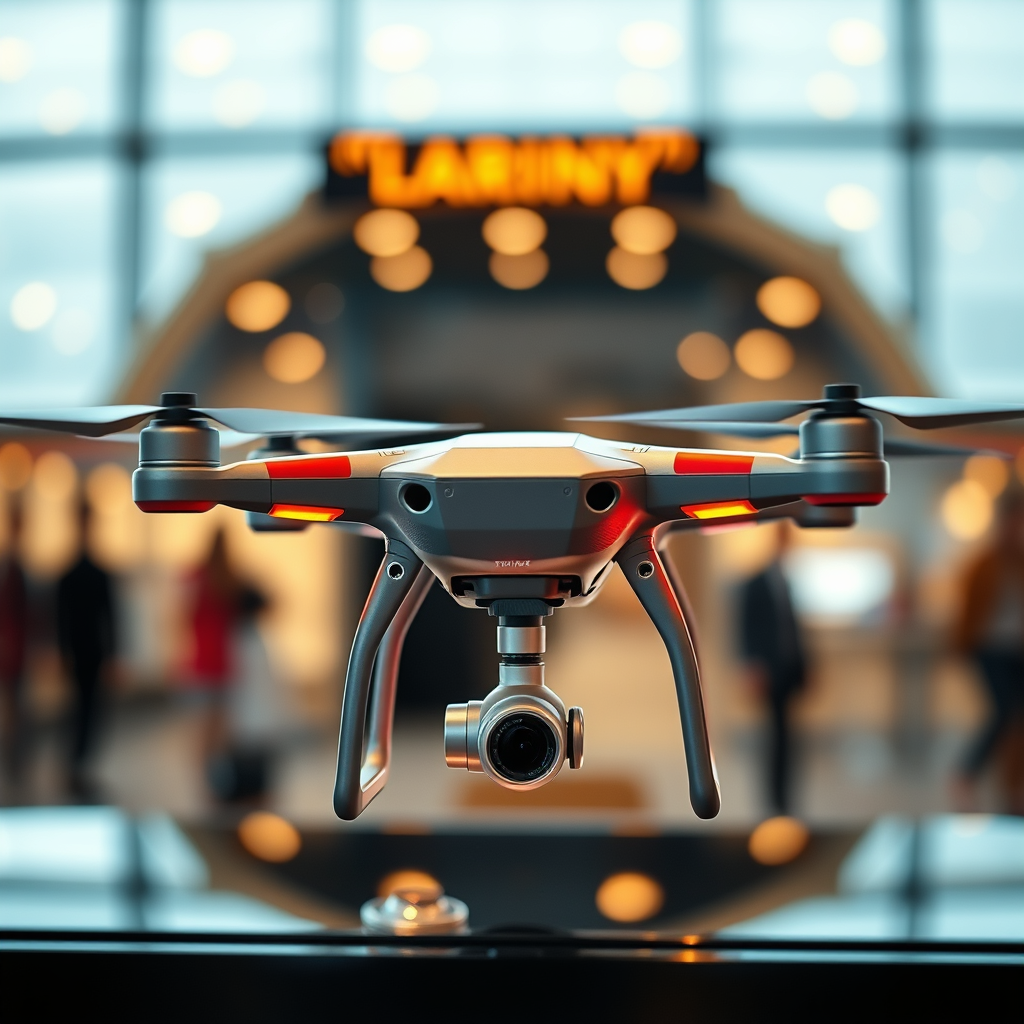
Yes, you can bring a drone through TSA, but there are specific regulations and guidelines you need to follow to ensure a smooth experience. Understanding these rules can help you avoid complications at the airport, allowing you to transport your drone safely and efficiently. As drone technology continues to advance and gain popularity among enthusiasts and professionals alike, awareness of TSA regulations becomes crucial for travelers. This post will explore the essential guidelines for bringing a drone through TSA, covering everything from packing and battery regulations to international travel considerations.
TSA Regulations for Drones
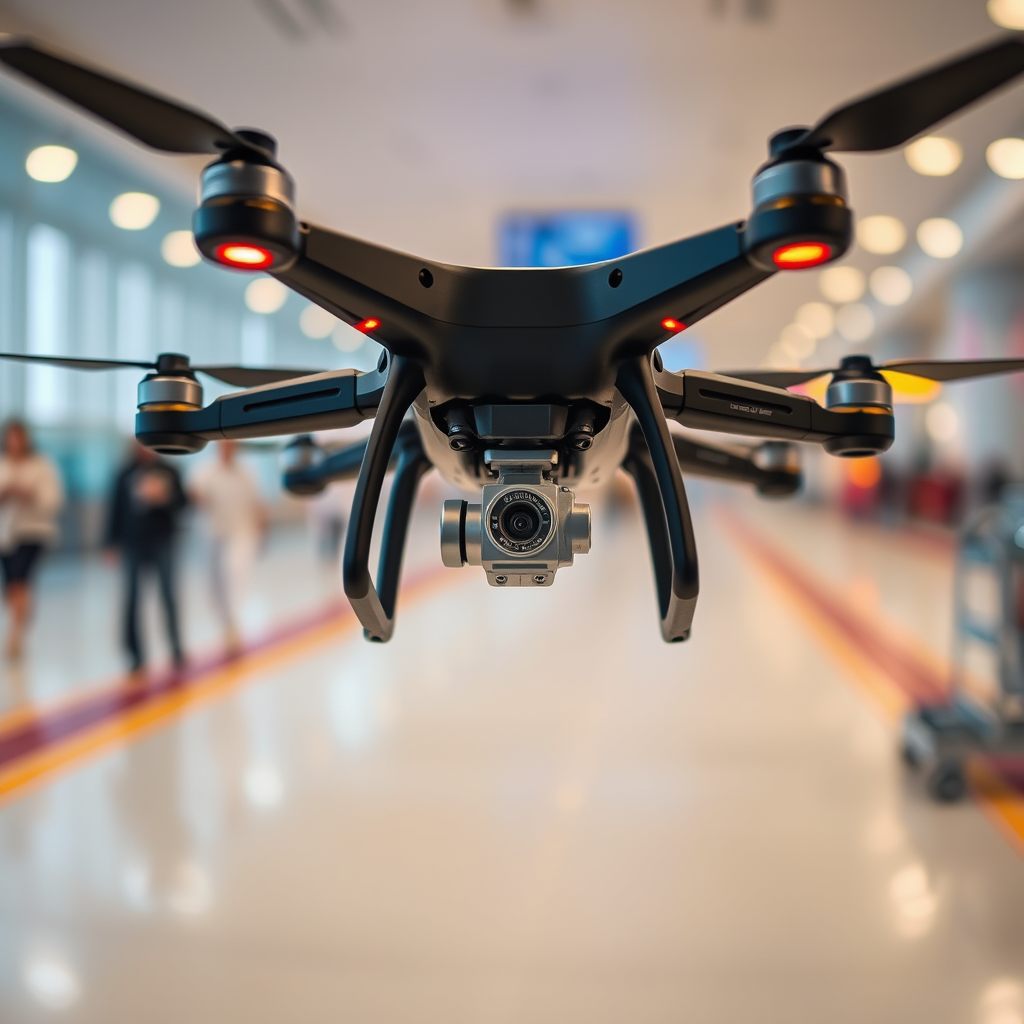
Drones are classified as carry-on items by the TSA, which means they are subject to the same screening processes as other personal items. When approaching the security checkpoint, it is important to declare your drone to the TSA agents. This declaration helps ensure that security personnel are aware of the item and can prepare for the appropriate screening measures. Additionally, the TSA may require you to remove the drone from its case for an x-ray scan, similar to how laptops and other large electronics are treated.
The TSA also recommends that drone operators keep their drones in a designated carry-on bag. This reduces the likelihood of damage and keeps all components organized. Familiarizing yourself with TSA’s guidelines can alleviate anxiety and streamline the security process, ensuring you and your drone are ready for travel.
Packing Your Drone for Travel
Proper packing is essential for transporting your drone securely. One of the most important steps is to remove the drone’s battery before traveling. Lithium batteries, which power most drones, are subject to specific regulations due to their potential fire hazard. Store the battery in a safe and approved manner, such as using a battery case or a fireproof bag. This precaution not only complies with TSA regulations but also protects your valuable equipment.
Another vital aspect of packing your drone is utilizing a protective case. A high-quality, padded drone case will prevent damage during transport. It is advisable to select a case that fits the drone snugly and has compartments to hold additional accessories, such as spare propellers and cables. Not only does this keep your drone safe, but it also makes it easier to pass through security, as everything is organized and easily accessible.
Size and Weight Restrictions
When bringing a drone through TSA, it is vital to be aware of size and weight restrictions for carry-on items. Most airlines have specific limits regarding how much your luggage can weigh and the dimensions it can occupy. Typically, the maximum weight for carry-on items is around 40-50 pounds, but it can vary between airlines. Be sure to check your specific airline’s guidelines before traveling to avoid any surprises at the airport.
Additionally, the dimensions of your drone are crucial. If your drone is too large to fit comfortably in an overhead bin or under the seat in front of you, you may encounter issues during boarding. Measure your drone and its carrying case to confirm compliance with airline policies. If your drone exceeds the maximum dimensions, consider alternative transportation methods, such as shipping it separately or opting for a smaller model.
Battery Regulations and Safety
Lithium batteries are a common concern when traveling with drones due to their flammable nature. According to TSA regulations, lithium batteries must be under 100 watt-hours. If your drone’s battery exceeds this limit, you will need to manage it differently, as larger batteries require special handling and may not be permitted in carry-on luggage. Always check the watt-hour rating of your drone’s battery before you travel.
For safety reasons, it is essential to keep all lithium batteries in your carry-on luggage. Batteries are not allowed in checked baggage due to the increased risk of fire and other hazards. To ensure safety and compliance, consider using battery cases that come with built-in safety features, such as fire-resistant materials and proper insulation. This added precaution will not only secure your batteries but also provide peace of mind during your journey.
International Travel Considerations
When traveling internationally with a drone, it is imperative to research the drone regulations of your destination country, as they may differ significantly from those in the United States. Some countries have strict laws regarding drone usage, including restrictions on where drones can fly, required permits, and even registration processes. Familiarizing yourself with these regulations will help you avoid fines or confiscation of your equipment upon arrival.
In addition to understanding the local laws, verify any necessary permits or registrations that may be required for flying drones abroad. For instance, in some countries, obtaining a special license to operate a drone for commercial purposes is mandatory, while others may impose limitations on drone weight and size. Checking with the local aviation authority or embassy can provide clarity on these requirements, ensuring that you are prepared to comply with local laws.
Security Screening Process
The security screening process for drones can be more extensive than for standard carry-on items. Be prepared for additional screening, as TSA agents may need to inspect your drone closely. This process may include a manual inspection of the drone and its components, which could lead to longer wait times. To facilitate a smoother experience, follow instructions from TSA staff and remain patient during this process.
To expedite the screening process, consider removing the drone and its battery from your bag before reaching the screening area. Placing the drone on the conveyor belt separately can help streamline the procedure, allowing TSA personnel to quickly assess your equipment without unnecessary delays. Cooperation and preparation are key elements to ensure a seamless security experience.
Tips for a Smooth TSA Experience
To further enhance your TSA experience, consider arriving at the airport early. This allows ample time to navigate potential delays at security, especially when traveling with additional equipment like drones. Airports can often be busy, and unforeseen circumstances can arise, so giving yourself extra time is always advisable.
Another helpful tip is to label your drone case with your contact information. In the event that your drone or case is lost or misplaced, having clear identification can assist airport personnel in returning your equipment to you. Additionally, consider keeping a record of your drone’s serial number, as it can be beneficial for recovery if theft or loss occurs.
In conclusion, bringing a drone through TSA is possible if you adhere to the rules and guidelines. By packing properly, understanding regulations, and preparing for the screening process, you can ensure a hassle-free travel experience with your drone. Always check TSA and airline websites for the latest information before your trip, and stay informed about international regulations to enjoy your travels safely and responsibly.
Frequently Asked Questions
Can you bring a drone through TSA when flying domestically?
Yes, you can bring a drone through TSA when flying domestically in the United States, but it must be packed properly. Drones should be carried in your carry-on luggage, not in checked bags, to avoid damage and ensure security screening. It’s important to remove the drone’s battery and pack it separately, as lithium batteries have specific regulations due to fire hazards.
What are the TSA guidelines for carrying a drone on a plane?
The TSA guidelines for carrying a drone on a plane stipulate that drones should be placed in your carry-on bag for screening. Additionally, all batteries should be removed and stored in their original packaging, or in a protective case to prevent short-circuiting. Make sure to check with your airline as well, as they may have additional restrictions regarding size and weight.
Are there any restrictions on where I can fly my drone after passing TSA?
Yes, after passing TSA with your drone, there are several restrictions on where you can fly it. Drones cannot be flown in restricted airspace, near airports, or above 400 feet without permission. It’s essential to familiarize yourself with local regulations and airspace restrictions, as flying in prohibited areas can result in fines or confiscation of your drone.
Why do I need to remove the drone battery when going through TSA?
You need to remove the drone battery when going through TSA for safety reasons. Lithium batteries, which power most drones, can pose a fire risk if they short-circuit or overheat. By packing the battery separately and in accordance with TSA regulations, you help ensure the safety of all passengers during the flight.
What should I do if TSA confiscates my drone at the airport?
If TSA confiscates your drone at the airport, it’s important to remain calm and ask for clarification on why it was taken. You can request to speak to a supervisor or file a complaint if you believe the confiscation was unwarranted. Depending on the situation, you may have the option to retrieve your drone later or appeal the decision, but be sure to follow TSA’s specific instructions for resolution.
References
- https://www.tsa.gov/travel/security-screening/whatcanibring/all-list
- https://www.faa.gov/uas/getting_started/for_recreational_flyers/
- https://www.nytimes.com/2021/04/13/business/drone-tsa-security.html
- https://www.abcnews.go.com/US/drone-transport-security-administration/story?id=81850499
- https://www.faa.gov/uas/faq/
- https://www.wired.com/story/tsa-drone-transport-security/
- https://www.cnet.com/home/smart-home/tsa-drone-rules/
- https://www.faa.gov/newsroom/what-you-need-know-about-flying-drones-2022
