

Yes, you can fly a drone in Barcelona, but there are specific regulations and restrictions you must follow to ensure safety and compliance. Understanding these guidelines is crucial for both recreational and commercial drone operators who wish to capture the stunning landscapes and architecture of this vibrant city. This article will provide you with essential information on where and how to fly your drone in Barcelona, along with the necessary regulations, best practices, and popular locations.
Overview of Drone Regulations in Spain
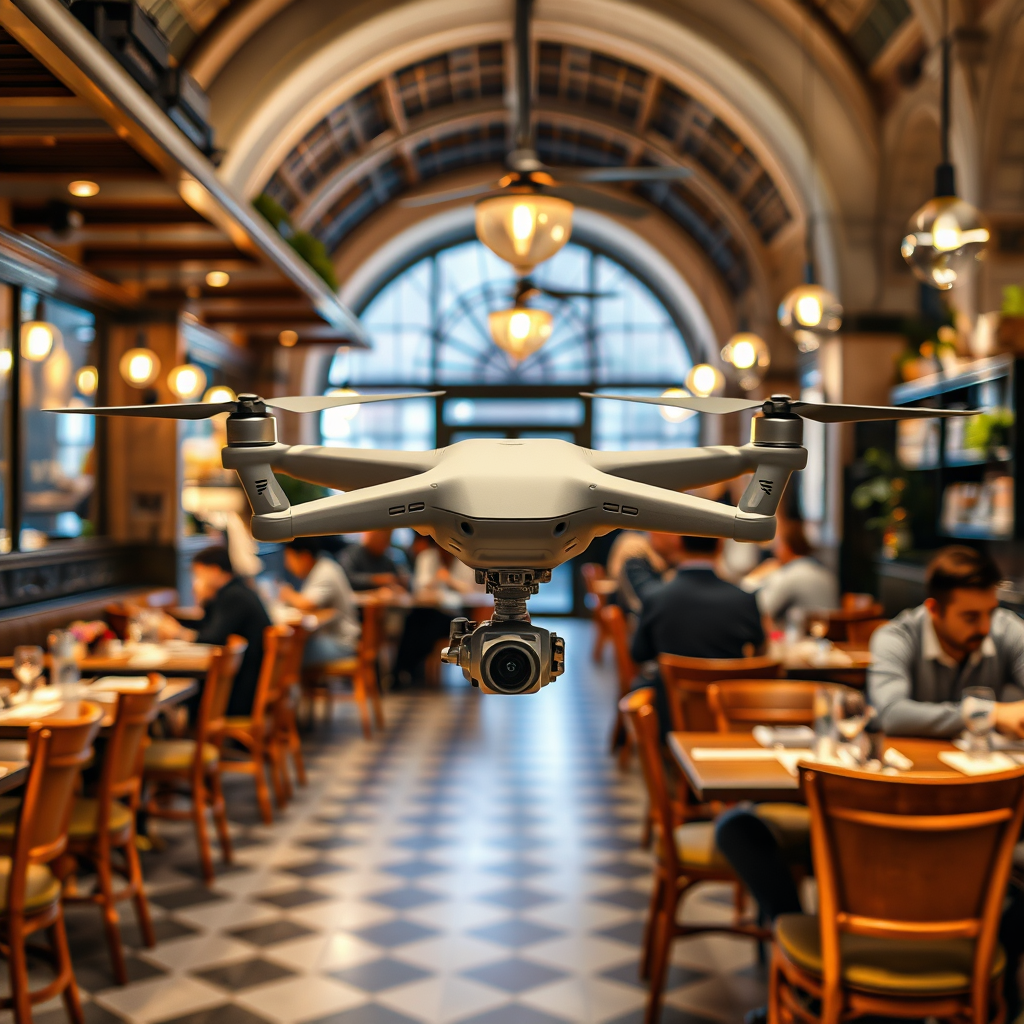
Spain has stringent drone laws that align with the regulations set forth by the European Union Aviation Safety Agency (EASA). As a drone operator, it is imperative to be aware of these laws to ensure safe operation and avoid penalties. If your drone weighs over 250 grams, it is mandatory to register it with the Spanish aviation authorities. This registration process helps maintain accountability and safety within the airspace.
Furthermore, drone operators must adhere to established altitude limits, which generally cap flights at 120 meters (approximately 394 feet) above ground level. Operators must also be vigilant about no-fly zones, which are areas where drone operations are prohibited. These zones often include populated urban areas, near airports, and places of significant cultural heritage. Regularly checking local regulations and updates from the EASA will ensure that you remain compliant while enjoying your drone flying experience.
Restricted Areas in Barcelona
Barcelona is renowned for its rich history and iconic landmarks, but many of these areas are designated as restricted for drone flights. Notable sites such as La Sagrada Familia and Park Güell are off-limits to drone operations, primarily due to the potential disturbance to visitors and the preservation of the sites’ integrity. Additionally, flying drones near airports, such as Barcelona-El Prat Airport, is strictly regulated to prevent interference with manned aircraft.
Proximity to military zones also restricts drone usage, as these areas may pose safety risks and legal repercussions if drones inadvertently enter restricted airspace. To stay informed, drone operators should consult local maps and resources that indicate current no-fly zones, which may change based on events or local regulations.
Required Permits and Licenses
For those looking to operate drones for commercial purposes in Barcelona, obtaining a Remote Pilot License (A1/A3) is essential. This certification ensures that pilots are knowledgeable about drone operation, safety standards, and airspace regulations. The A1/A3 license allows operators to fly drones that are heavier than 250 grams for commercial activities, provided they adhere to the EASA guidelines.
On the other hand, recreational flyers may not require a formal license, but they should still familiarize themselves with the local regulations governing drone flights. In certain areas, such as parks or nature reserves, special permissions may be necessary from local authorities to operate a drone legally. Always check with the relevant local government or aviation authorities before launching your drone to avoid any legal complications.
Best Practices for Flying Drones in Barcelona
Maintaining safety and compliance while flying a drone is paramount. Here are some best practices to consider:
1. Visual Line of Sight: Always keep your drone within your line of sight. This ensures better control and reduces the risk of accidents.
2. Respect Privacy: Avoid flying over private properties without permission. Infringing on someone’s privacy can lead to legal issues and damage your reputation as a drone operator.
3. Crowd Avoidance: Steer clear of flying near large crowds or gatherings. Not only does this minimize risks to public safety, but it also helps avoid potential disturbances.
4. Weather Awareness: Always check the weather conditions before flying. Windy or rainy conditions can make flying difficult and increase the risk of accidents.
5. Pre-Flight Checks: Conduct thorough pre-flight checks to ensure that your drone is in good working condition. Inspect battery levels, camera settings, and propeller integrity before launch.
By adhering to these best practices, drone operators can enhance their flying experience while ensuring the safety of themselves and those around them.
Popular Drone-Friendly Locations in Barcelona
While certain areas in Barcelona are off-limits, there are several spots that are more permissive for drone flights. Montjuïc Hill is one of the most popular locations for drone enthusiasts, offering stunning panoramic views of the city and the coastline. The elevation allows for breathtaking aerial shots, making it a favorite among photographers.
Beaches like Barceloneta also attract drone pilots, thanks to their expansive open spaces and picturesque views of the Mediterranean Sea. However, it is crucial to check local regulations, as drone flights may be subject to specific restrictions depending on the time of year or local events.
Additionally, parks situated outside the bustling city center, such as Parc de Collserola, provide great opportunities for flying while surrounded by nature. These areas typically have fewer restrictions and are ideal for capturing the beauty of Barcelona’s natural landscape.
Safety and Liability Considerations
Safety should always be a top priority when operating a drone. One of the most prudent steps you can take is to insure your drone. Insurance can cover potential damages or accidents that may occur during flight, providing peace of mind for the operator.
Following all safety guidelines is essential to minimize risks to yourself and others. This includes flying at appropriate altitudes, avoiding populated areas, and respecting no-fly zones. Additionally, be prepared to land your drone quickly in case of emergencies, such as sudden weather changes or battery depletion.
Understanding liability is equally important. As the operator, you are responsible for your drone’s actions and any damage it may cause. Familiarizing yourself with local laws regarding liability can help you navigate potential legal issues should an incident occur.
In summary, flying a drone in Barcelona is entirely feasible, provided you are well-informed about the local regulations, restricted areas, and best practices. By adhering to these guidelines and prioritizing safety, you can enhance your drone flying experience while capturing the beauty of this remarkable city. Always stay updated on regulations, choose appropriate locations for flying, and respect the privacy and safety of others to enjoy a seamless and rewarding drone adventure in Barcelona.
Frequently Asked Questions
What are the drone flying regulations in Barcelona?
In Barcelona, drone flying is subject to regulations set by the European Union Aviation Safety Agency (EASA) and Spain’s Agencia Española de Seguridad Aérea (AESA). To fly a drone, operators must register their drone if it weighs over 250 grams and obtain a drone pilot license for flying in certain categories. Additionally, it is prohibited to fly drones in urban areas, near airports, and over crowds, making it essential to check local guidelines before operating a drone.
How can I obtain a drone pilot license in Spain?
To obtain a drone pilot license in Spain, you need to complete a training course that includes both theoretical and practical components, followed by passing an exam administered by an authorized organization. The license is categorized based on the weight and intended use of the drone, and once you secure your license, you can register your drone with AESA for legal compliance. Remember that specific certification might be needed for commercial drone operations.
Why are there restrictions on flying drones in urban areas of Barcelona?
Restrictions on flying drones in urban areas of Barcelona are primarily in place to ensure public safety and privacy. Drones can pose risks to people and property if not operated responsibly, especially in crowded spaces. Furthermore, these regulations help protect sensitive areas, such as government buildings and historical sites, from potential misuse or disturbances caused by drone activities.
What is the best place to fly a drone in Barcelona?
The best places to fly a drone in Barcelona are typically open spaces away from urban centers and crowded areas. Popular locations include the outskirts of Montjuïc Park and the beaches of Barcelona, where you can capture stunning coastal views while adhering to the necessary regulations. Always ensure that you check for any local restrictions or no-fly zones before taking off to ensure a safe and legal flying experience.
Can tourists fly drones in Barcelona, and what do they need to know?
Yes, tourists can fly drones in Barcelona, but they must comply with Spain’s drone regulations, including registration and licensing requirements. It’s crucial for tourists to familiarize themselves with local laws, such as the need to avoid flying over people, urban areas, and specific restricted zones. Additionally, having liability insurance is advisable to cover any potential damages or incidents while operating a drone in the city.
References
- https://www.faa.gov/uas/resources/policy_legislation/
- https://www.civilaviation.gov.au/rules-regulations/drone-regulations
- https://www.droneregulations.eu/
- https://www.theguardian.com/technology/2021/mar/02/drones-uk-eu-regulations-2021
- https://www.nytimes.com/2020/01/09/business/drones-regulations.html
- https://www.wired.com/story/drone-regulations-guide/
- https://www.easa.europa.eu/document-library/general-publications/uas-operations-eu-regulations
- https://www.bbc.com/news/technology-48898289
