
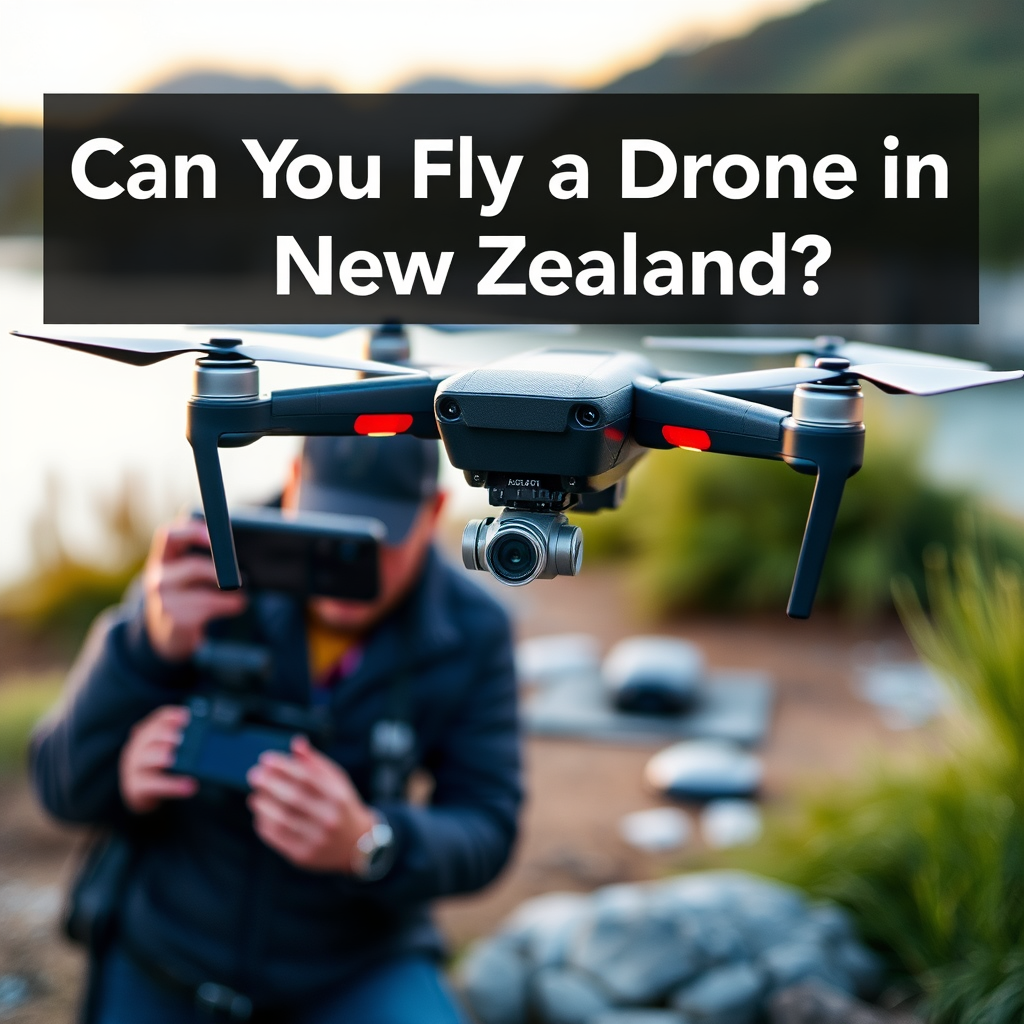
Yes, you can fly a drone in New Zealand, but there are specific regulations and guidelines you must follow to ensure safe and legal operation. New Zealand’s picturesque landscapes and vast open spaces make it an appealing location for drone enthusiasts. However, navigating the rules governing drone flight is essential to avoid legal repercussions and promote safety. This article will provide you with essential information you need to successfully operate your drone while respecting the laws and regulations in the country.
Understanding New Zealand’s Drone Regulations
The Civil Aviation Authority (CAA) governs drone usage in New Zealand, ensuring that all aerial activities comply with national safety standards. The two primary regulations that drone operators must adhere to are the Civil Aviation Rules Part 101 and Part 102. Part 101 deals with the operation of small unmanned aircraft, with guidelines focusing on safety, privacy, and environmental protection. Operators using drones for commercial purposes must adhere to Part 102, which requires a more stringent set of regulations, including operational certifications and risk assessments. It is crucial for drone operators to familiarize themselves with these regulations to ensure their flights are compliant and safe.
Registration and Licensing Requirements
In New Zealand, there are specific registration and licensing requirements for drone operators that must be met. Drones weighing over 25 kg must be registered with the CAA, which involves providing information about the drone and its intended use. For operators planning to use drones for commercial applications, obtaining a Part 102 certificate is necessary. This certification process involves demonstrating an understanding of aviation safety principles, risk management, and operational procedures, which can include submitting operational plans. Obtaining the proper registration and licenses not only ensures compliance but also enhances the operator’s credibility in the industry.
Where You Can Fly Your Drone
When it comes to the physical locations where you can fly your drone, New Zealand has specific regulations in place aimed at protecting public safety and privacy. Drones are restricted from flying above 120 meters (400 feet) without special permissions, which are typically granted for specific operations or research purposes. Additionally, operators must avoid flying near airports and emergency services, as these locations present unique risks. Restricted areas, such as military zones and certain national parks, also have stringent regulations that prohibit drone use. To locate appropriate flying sites, drone operators can consult the CAA’s online resources or join local flying clubs that often maintain lists of safe flying areas.
Privacy and Safety Considerations
Respecting privacy and ensuring safety are paramount for drone operators in New Zealand. Operators must be mindful of the Privacy Act 2020, which protects individuals from unauthorized surveillance. It is important to avoid capturing images or videos of people without their consent, especially in private settings. Maintaining a visual line-of-sight with your drone is also a legal requirement, ensuring that operators can monitor their drone’s flight path and surroundings at all times. This practice not only enhances safety but also helps prevent accidents and incidents that could lead to legal issues or harm to individuals.
Environmental Protections and Restrictions
New Zealand is renowned for its stunning landscapes and diverse wildlife, which necessitate strict environmental protections for drone operations. Operators should avoid flying over wildlife, particularly in protected areas such as national parks and reserves, where disturbances can disrupt animal behavior and habitats. Furthermore, many local councils have additional regulations in place that restrict drone usage in certain areas to protect both the environment and community interests. Before flying, it is wise to check local regulations and guidelines to ensure compliance and to exhibit responsible environmental stewardship.
Insurance and Liability
While obtaining insurance for drone operations is not a legal requirement in New Zealand, it is highly recommended for operators. Insurance can provide coverage for potential damages or injuries caused by drone flights, offering peace of mind to operators. Liability concerns can arise from accidents, property damage, or privacy violations, making insurance an important consideration for responsible operators. Additionally, understanding the financial implications of potential liabilities can inform operators’ decisions regarding flight operations and risk management strategies.
Responsible Drone Use and Best Practices
To promote a culture of responsible drone use, operators should conduct thorough pre-flight checks to ensure their equipment is in proper working order. This includes checking battery life, inspecting propellers, and ensuring that all systems are functioning correctly. Being aware of weather conditions is also vital, as adverse weather can affect flight stability and safety. Operators should always follow best practices for safe operation, including informing others of their drone activities when flying in public spaces, and avoiding crowded areas. Engaging with local drone communities can be beneficial for sharing experiences, tips, and advice on responsible flying.
In conclusion, flying a drone in New Zealand is possible but comes with a set of regulations and responsibilities. By understanding and adhering to these guidelines, you can enjoy a safe and enjoyable flying experience while respecting the environment and the privacy of others. Staying informed about the latest regulations, obtaining necessary registrations and licenses, and practicing responsible drone use are essential steps to ensure compliance and safety. For those passionate about drone flying, New Zealand offers a stunning backdrop, provided that operators operate within the law and uphold the highest standards of safety and respect.
Frequently Asked Questions
What are the legal requirements for flying a drone in New Zealand?
To fly a drone in New Zealand, you must adhere to the Civil Aviation Authority (CAA) regulations. This includes having a maximum weight limit of 25 kg for the drone, maintaining a visual line of sight with the drone at all times, and flying below 120 meters (400 feet). Additionally, if you plan to use the drone for commercial purposes, you will need to obtain a Part 102 certification from the CAA.
How can I ensure safe drone flying in crowded areas in New Zealand?
To ensure safe drone flying in crowded areas, you should follow the CAA guidelines, which recommend keeping a distance of at least 4 kilometers from airports and flying no closer than 100 meters from people. It’s also important to check for any local restrictions or no-fly zones, which may vary by city or region. Always be mindful of people’s privacy and avoid flying over private property without permission.
Why are there restrictions on drone flights in certain locations in New Zealand?
Restrictions on drone flights in specific locations, such as near airports, national parks, and urban areas, are primarily for safety and privacy reasons. These restrictions help prevent accidents with manned aircraft and protect sensitive wildlife habitats or personal privacy. Understanding these restrictions is crucial for responsible drone operation and to avoid legal penalties.
What is the best way to find drone-friendly locations in New Zealand?
The best way to find drone-friendly locations in New Zealand is to use online resources and apps that provide maps of no-fly zones and regulations. Websites like the CAA’s official site and the Airshare platform offer comprehensive information on permitted flying areas. Additionally, connecting with local drone enthusiast groups on social media can provide insights into popular spots and community guidelines.
Which drones are recommended for beginners flying in New Zealand?
For beginners looking to fly drones in New Zealand, models like the DJI Mini SE or the Holy Stone HS720 provide an excellent balance of ease of use and advanced features. These drones are lightweight, have good camera quality, and come with beginner-friendly modes that assist with stabilization and navigation. Always check the weight and capabilities to ensure compliance with local regulations.
References
- https://www.caa.govt.nz/assets/legacy/Drone-Operations-Overview.pdf
- https://www.caa.govt.nz/aircraft/aircraft-operations/drones/
- https://www.govt.nz/browse/driving-and-transport/driving/drone-use-in-new-zealand/
- https://www.nzherald.co.nz/nz/drone-rules-what-you-need-to-know/2R7B4EJ4ZZKKZ4YTL47M76QWAU/
- https://www.waka
- https://en.wikipedia.org/wiki/Unmanned_aerial_vehicle#New_Zealand
