
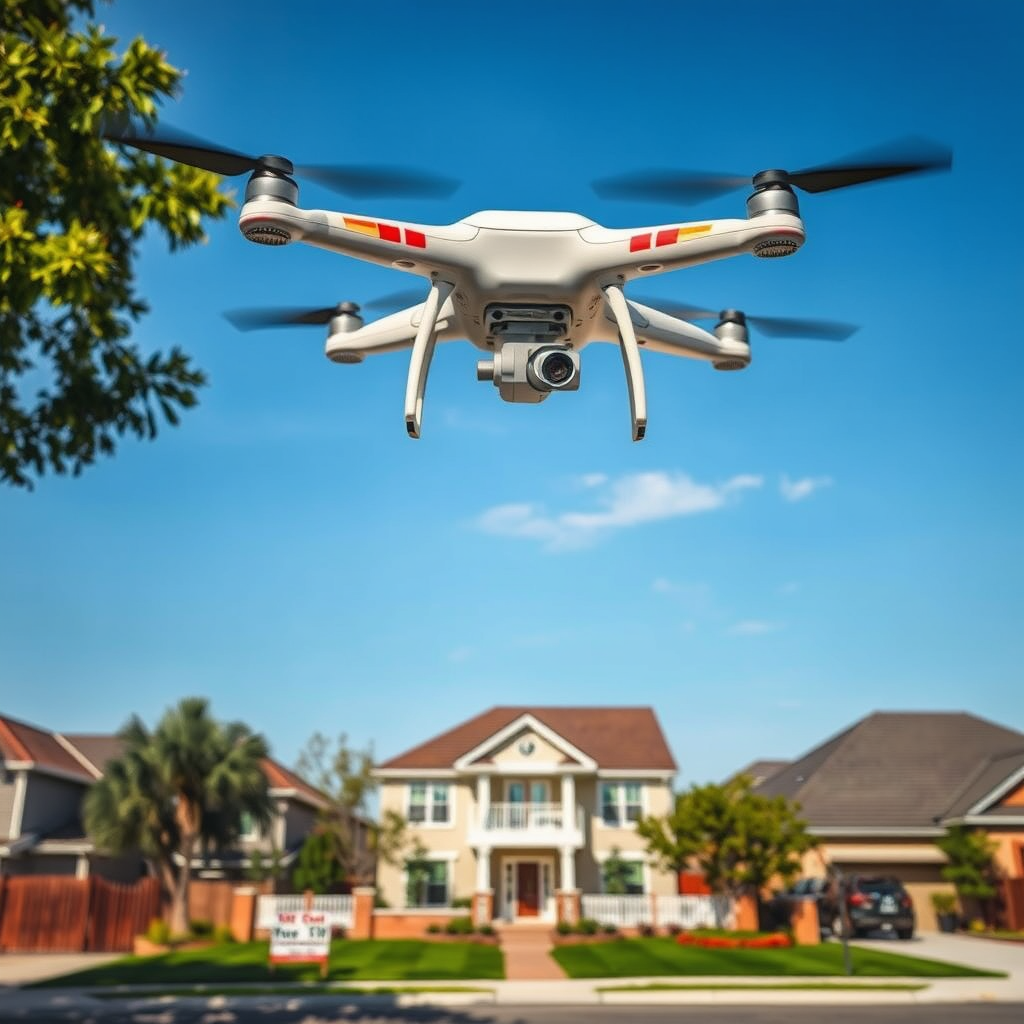
Yes, you can fly drones over people’s property under certain conditions, but there are legal and ethical implications to consider. While the Federal Aviation Administration (FAA) provides a framework for drone operation, local laws and privacy concerns add layers of complexity. This article will explore the regulations governing drone flights, privacy issues, and best practices for responsible drone use, ensuring that you are well-equipped to navigate this evolving landscape.
Understanding FAA Regulations
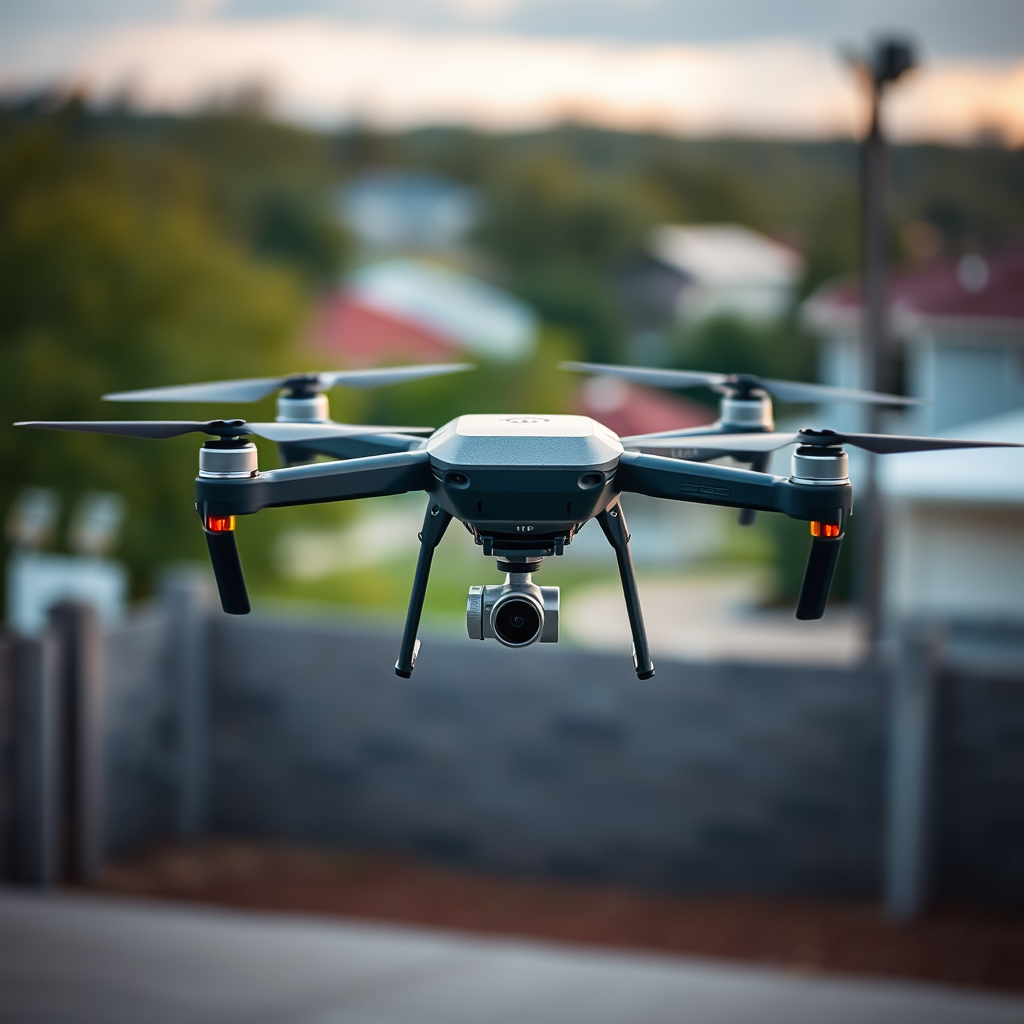
The Federal Aviation Administration (FAA) is the primary regulatory body governing drone usage in the United States. According to FAA regulations, drone pilots must adhere to specific guidelines to ensure safety and compliance. Drones must be flown at or below 400 feet above ground level, which is designed to minimize the risk of collisions with manned aircraft. Additionally, pilots are required to maintain visual line-of-sight with their drones during flight, meaning they must be able to see the drone without the aid of binoculars or other devices.
The FAA categorizes drone operations into two main categories: recreational and commercial. Recreational users must adhere to the guidelines laid out in the FAA’s Part 107 rules, while commercial operators are required to obtain a Remote Pilot Certificate. This certification entails passing a knowledge test, which covers airspace rules, weather, and drone operation protocols. Understanding these regulations is crucial for any drone operator, as violations can lead to significant penalties, including fines and suspension of flying privileges.
State and Local Laws
In addition to FAA regulations, many states and municipalities have enacted their own laws governing drone flights over private property. These laws can vary significantly by location and may include specific restrictions, such as no-fly zones, which could encompass parks, schools, or residential areas. For example, in some states, it is illegal to fly drones over private property without the owner’s consent, while others may permit such flights under certain conditions.
Before operating a drone, it is essential to research local laws and regulations. Some areas may require permits for drone usage, especially in urban environments where airspace is congested. Failure to comply with local regulations can result in fines or legal action from local authorities. Drone operators should also be aware of any restrictions imposed by homeowners’ associations or private property owners, which may have additional rules regarding drone flights.
Privacy Concerns
The use of drones over private property raises significant privacy issues for individuals. Many people feel uncomfortable with the idea of drones capturing images or videos of their homes or private activities without their knowledge or consent. As a drone pilot, it is crucial to respect the privacy of others and avoid intrusive behavior. For instance, hovering a drone over someone’s backyard or filming without permission can lead to confrontations and potential legal ramifications.
To mitigate privacy concerns, drone operators should be transparent about their activities. If possible, inform property owners when planning to fly over their land, and obtain consent if required. Understanding the boundaries of privacy and being considerate of others can foster goodwill and reduce tensions between drone operators and property owners. Moreover, it is advisable to avoid flying in residential areas unless necessary, as this can help maintain a positive perception of drone use in your community.
Best Practices for Drone Pilots
Responsible drone operation goes beyond merely following regulations; it also entails adopting best practices to promote safety and respect for others. One key practice is to inform property owners of your intention to fly over their land, even if not legally required. This proactive communication can help to alleviate concerns and foster a sense of community trust.
Additionally, drone pilots should prioritize flying responsibly by avoiding sensitive areas, such as schools, hospitals, and densely populated neighborhoods. It’s advisable to plan your flight path to minimize the time spent over private property and to maintain a respectful distance from homes. When capturing aerial footage, consider using drones equipped with privacy features that allow for selective recording, thus minimizing the risk of unintentionally invading someone’s privacy.
Lastly, keep informed about any changes in drone regulations and community guidelines. Engaging with local drone clubs or online forums can provide valuable insights and updates from experienced pilots, helping you navigate the complexities of drone operation.
Consequences of Violating Drone Laws
Violating FAA regulations or local laws can result in severe consequences for drone operators. The FAA has the authority to impose fines and may take legal action against individuals who operate drones recklessly or without proper certification. For instance, flying a drone in restricted airspace, such as near airports, can result in fines exceeding thousands of dollars and potential criminal charges.
Moreover, local laws may impose additional penalties for violating privacy or trespassing regulations. In some areas, property owners can file lawsuits against drone pilots for capturing images without consent, leading to costly legal battles and reputational damage. Understanding the legal landscape surrounding drone use is essential for avoiding conflicts and ensuring a smooth flying experience.
Drone Insurance and Liability
Given the potential for accidents and legal claims, obtaining drone insurance is a prudent step for any drone operator. Drone insurance typically covers damages to the drone itself as well as liability coverage in the event of accidents that result in property damage or personal injury. For commercial operators, liability insurance is often a requirement, as it protects against claims related to the use of drones in business operations.
When selecting drone insurance, consider policies that specifically cater to drone operations, as these will offer coverage tailored to the unique risks associated with flying drones. Additionally, ensure that you understand the terms and conditions of the policy, including any exclusions that may apply. Having the right insurance can provide peace of mind and financial protection in the event of unforeseen incidents.
Resources for Drone Operators
To stay informed about the regulations and best practices for drone operation, it is essential to utilize available resources. The FAA’s website is a valuable tool, providing up-to-date information on drone regulations, safety guidelines, and educational materials. Additionally, the FAA offers the “Know Before You Fly” program, which is designed to educate drone operators about their responsibilities.
Joining local drone clubs or online forums can also provide a support network for drone pilots. These communities often share insights, tips, and resources that can enhance your flying experience. Engaging with other pilots can also provide opportunities for collaboration, training, and networking, which are invaluable for both novice and experienced operators.
In conclusion, while flying drones over people’s property is permitted under certain conditions, it is crucial to stay informed about the legal landscape and practice responsible flying. Understanding FAA regulations, local laws, and privacy concerns can help avoid conflicts and ensure a positive experience for both drone pilots and property owners. By adopting best practices and maintaining open communication, drone operators can contribute to a safer and more respectful environment for all.
Frequently Asked Questions
Can I legally fly a drone over my neighbor’s property?
Legally, flying a drone over a neighbor’s property can be complex. In the U.S., the Federal Aviation Administration (FAA) allows drone operation in the national airspace, but property rights may limit your ability to fly over private land. It’s important to check local laws and regulations, as some municipalities have specific restrictions regarding drone flights, especially regarding privacy concerns.
What are the privacy laws regarding drones flying over private property?
Privacy laws concerning drones vary by state and locality, but generally, flying a drone over private property could raise privacy issues, particularly if the drone is equipped with a camera. Most jurisdictions recognize a “reasonable expectation of privacy,” which means if you are capturing images or video of someone’s private space without consent, you may be violating privacy laws. Always research local regulations and best practices to avoid legal issues.
How can I avoid conflicts when flying my drone near people’s homes?
To avoid conflicts when flying a drone near residential areas, it’s best to maintain a safe distance from homes and respect people’s privacy. Communicating with neighbors about your drone usage and flying at reasonable times can help mitigate concerns. Additionally, adhering to FAA guidelines and local laws, such as altitude restrictions, can prevent misunderstandings and foster goodwill in your community.
What should I do if someone complains about my drone flying over their property?
If someone complains about your drone flying over their property, it’s important to remain calm and respectful. Open a dialogue to understand their concerns and clarify your intentions. If necessary, consider altering your flight path to avoid their property in the future. Document your interactions and, if the situation escalates, familiarize yourself with local laws regarding drone operations to ensure compliance and protect your rights.
Which drones are best for flying in residential areas?
When selecting a drone for flying in residential areas, consider models that are known for their quiet operation, compact size, and advanced safety features. Drones like the DJI Mini series are popular due to their lightweight design and low noise levels, making them less intrusive to neighbors. Additionally, look for drones equipped with obstacle detection technology to help avoid accidents and ensure safer flights in populated areas.
References
- https://www.faa.gov/uas/getting_started/fly_for_work/part_107
- https://www.nolo.com/legal-encyclopedia/drone-law-what-you-should-know-29784.html
- https://www.aclunc.org/news/faq-drone-law-california
- https://www.theguardian.com/technology/2021/jul/14/drones-flying-over-private-property-laws
- https://www.nytimes.com/2020/12/29/business/drone-laws.html
- https://www.wired.com/story/drones-flying-over-private-property/
- https://www.privacyinternational.org/explainer/4087/drones-and-privacy
- https://www.abc.net.au/news/2021-01-01/drones-private-property-what-you-need-to-know/13011354
