
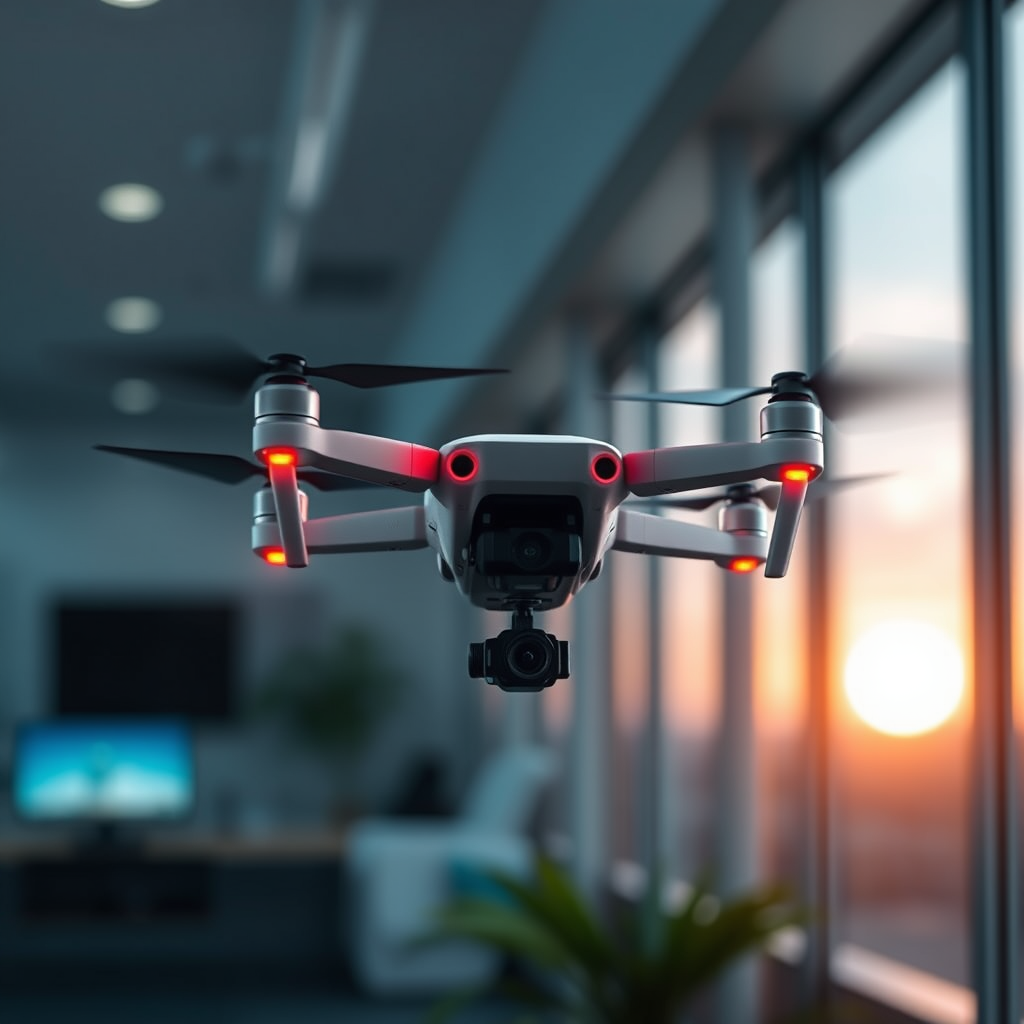
Yes, you can take a DJI drone on a plane, but there are specific regulations and guidelines you must follow. Understanding airline policies and safety measures is crucial to ensure a smooth travel experience with your drone. As drones become increasingly popular for recreational and professional photography, knowing how to transport them safely and legally is essential for any drone enthusiast. This guide will cover airline regulations, TSA guidelines, packing techniques, battery safety, international travel considerations, and insurance options, helping you navigate the complexities of taking your drone onboard.
Airline Regulations for Carrying Drones
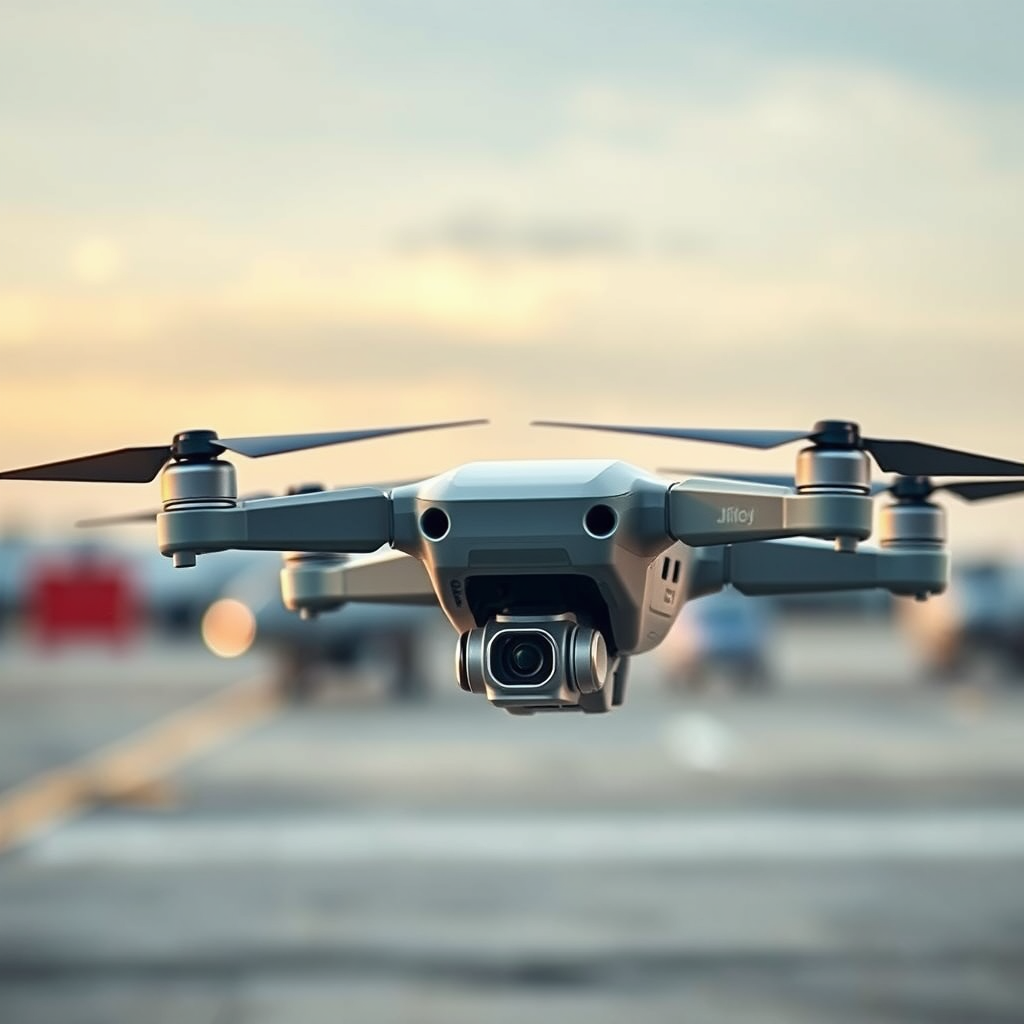
Different airlines have varying policies regarding drone transport, which can affect your travel plans significantly. Major airlines often have specific restrictions related to the size and weight of drones, as well as the number of batteries you can carry. For instance, some airlines may allow you to bring a drone as part of your carry-on luggage, while others might require it to be checked. Additionally, certain airlines may prohibit drones altogether or have restrictions on transporting larger models.
To ensure compliance, always check the airline’s website for specific requirements before traveling. It is advisable to contact customer service if you have any uncertainties. Some airlines, like Delta and American Airlines, provide detailed guidance on their websites, including size limitations and battery regulations. Being informed helps avoid any last-minute surprises at the airport.
TSA Guidelines for Drones
The Transportation Security Administration (TSA) permits drones in carry-on luggage, which is a significant advantage for travelers. However, it is essential to adhere to their guidelines to facilitate a smooth security screening process. When packing your drone, ensure that it is easily accessible, as TSA agents may need to inspect it separately during the security check.
Moreover, drone batteries are a critical aspect of TSA regulations. Ensure your drone battery is within the allowed watt-hour limit for air travel—typically, batteries must not exceed 100 watt-hours. If your battery surpasses this limit, you may need to seek approval from the airline or find alternative shipping methods. Understanding these guidelines is vital to avoid complications during your flight.
Packing Your Drone for Air Travel
When preparing your drone for air travel, proper packing is essential to protect it from damage during transit. Use a padded case specifically designed for drones, ensuring that it fits snugly and has ample protection against impacts. Look for cases with compartments to hold all drone components securely, including the remote controller and spare batteries.
Additionally, it is advisable to remove the propellers and store them separately to avoid damage. Loose propellers can easily break or become misshaped if they are not properly secured. If your drone has a camera, ensure that it is also well-protected, as this is often the most sensitive component. By taking these precautions, you can reduce the risk of damage and ensure that your drone arrives at your destination in perfect working condition.
Drone Batteries and Safety Precautions
LiPo (Lithium Polymer) batteries are commonly used in drones, but they come with specific safety considerations when traveling by air. According to airline and TSA regulations, these batteries must be carried in your carry-on luggage, not in checked baggage. This is due to the potential fire hazard posed by LiPo batteries, which can ignite if damaged or short-circuited.
Additionally, it is recommended to keep batteries charged below 30% to comply with safety regulations. Most airlines require that batteries be at a low charge to minimize risks during the flight. To ensure compliance, consider investing in a battery charging bag designed to contain any potential fires. By following these safety precautions, you will not only comply with regulations but also protect yourself and fellow passengers.
International Travel Considerations
When traveling internationally with a DJI drone, it is vital to be aware of the drone laws in your destination country. Regulations can vary significantly from one country to another, with some countries requiring registration for drones, while others may have strict no-fly zones. For instance, countries like Canada and Australia have specific regulations that all drone operators must follow, including height restrictions and designated flying areas.
Additionally, you may be required to declare your drone upon arrival if mandated by local customs. Failing to do so can result in confiscation or fines. It is prudent to research the drone regulations of your destination in advance, ensuring that you comply with local laws and avoid any legal issues during your travels.
Insurance and Liability While Traveling
Considering the potential risks and liabilities associated with transporting a drone, obtaining travel insurance that covers drone-related incidents is advisable. Some travel insurance policies offer specific coverage for drone-related damages or losses, which can provide peace of mind during your trip.
Moreover, it is crucial to check whether your drone insurance includes coverage for international travel. Many standard drone insurance policies may only be valid within your home country, so it is essential to confirm this detail before your journey. Ensuring that you have the right insurance coverage can protect you from unexpected expenses and liabilities while traveling with your drone.
In conclusion, traveling with a DJI drone on a plane is feasible if you adhere to airline and TSA regulations, pack appropriately, and understand international laws. Being informed about the specific airline policies, safety guidelines for batteries, and legal requirements at your destination can make the journey with your drone much smoother. Always do your research ahead of time to ensure a hassle-free experience, allowing you to focus on capturing stunning aerial footage and creating unforgettable memories.
Frequently Asked Questions
Can you take a DJI drone on a plane as carry-on luggage?
Yes, you can take a DJI drone on a plane as carry-on luggage. Most airlines allow drones in carry-on bags, but it’s essential to check specific airline policies beforehand. Ensure that the drone’s battery complies with airline regulations, which typically allow lithium batteries under 100Wh in carry-on baggage. Stowing your drone in a protective case can also help prevent damage during transit.
What are the regulations for taking a DJI drone on an international flight?
When taking a DJI drone on an international flight, you must comply with both the airline’s policies and the regulations of your destination country. Many countries have specific rules regarding drone usage, registration, and importation. Before traveling, research the local laws regarding drone operation and ensure you have any necessary permits to avoid fines or confiscation upon arrival.
How should I pack my DJI drone for air travel?
To pack your DJI drone for air travel, first disassemble any removable parts, such as propellers and batteries. Use a padded drone case or camera bag to protect the drone from impacts during transit. Ensure that the batteries are stored in a fireproof bag and are within the required watt-hour limit for air travel. Label your bag clearly to expedite security checks at the airport.
Why do airlines have restrictions on bringing drones on planes?
Airlines have restrictions on bringing drones on planes primarily due to safety concerns regarding lithium batteries, which can pose a fire hazard if damaged or improperly stored. Additionally, drones can be classified as security risks, as they contain electronic components and can potentially interfere with aircraft operations. Understanding these regulations can help ensure a smoother travel experience.
Which DJI drones are best for travel and easy to take on a plane?
The DJI Mini series, particularly the DJI Mini 2 and DJI Mini SE, are among the best options for travel due to their lightweight design and compact size. Weighing less than 250 grams, these drones do not require FAA registration in the U.S. and can easily fit in a carry-on bag. Their portability and impressive camera capabilities make them ideal choices for traveling drone enthusiasts.
References
- https://en.wikipedia.org/wiki/Drone_regulation
- https://www.faa.gov/uas/getting_started/
- https://www.tsa.gov/travel/security-screening/whatcanibring/items/drone
- https://www.dji.com/flying-in-the-us
- https://www.theguardian.com/technology/2019/jun/06/what-you-need-to-know-about-flying-your-drone-on-a-plane
- https://www.npr.org/2021/12/27/1066822305/flying-with-drones-what-you-need-to-know
- https://www.cnet.com/tech/mobile/flying-with-drones-what-to-know-before-your-next-trip/
