
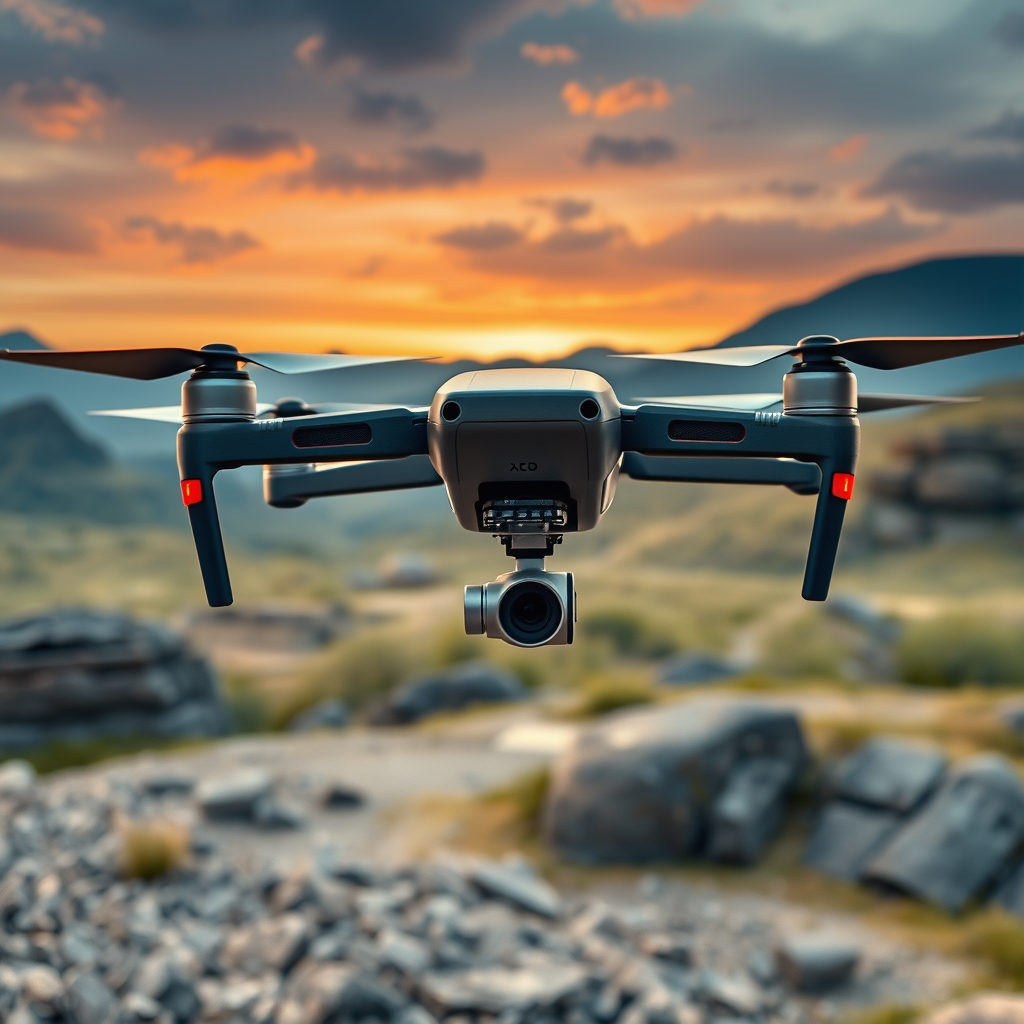
Drones can typically fly anywhere from a few hundred meters to several kilometers, depending on their design and purpose. Understanding the factors that influence a drone’s flight range can help you choose the right model for your needs. As drones become increasingly popular for various applications, from recreational use to commercial services, grasping their capabilities is essential for maximizing their effectiveness.
Understanding Drone Types and Their Ranges
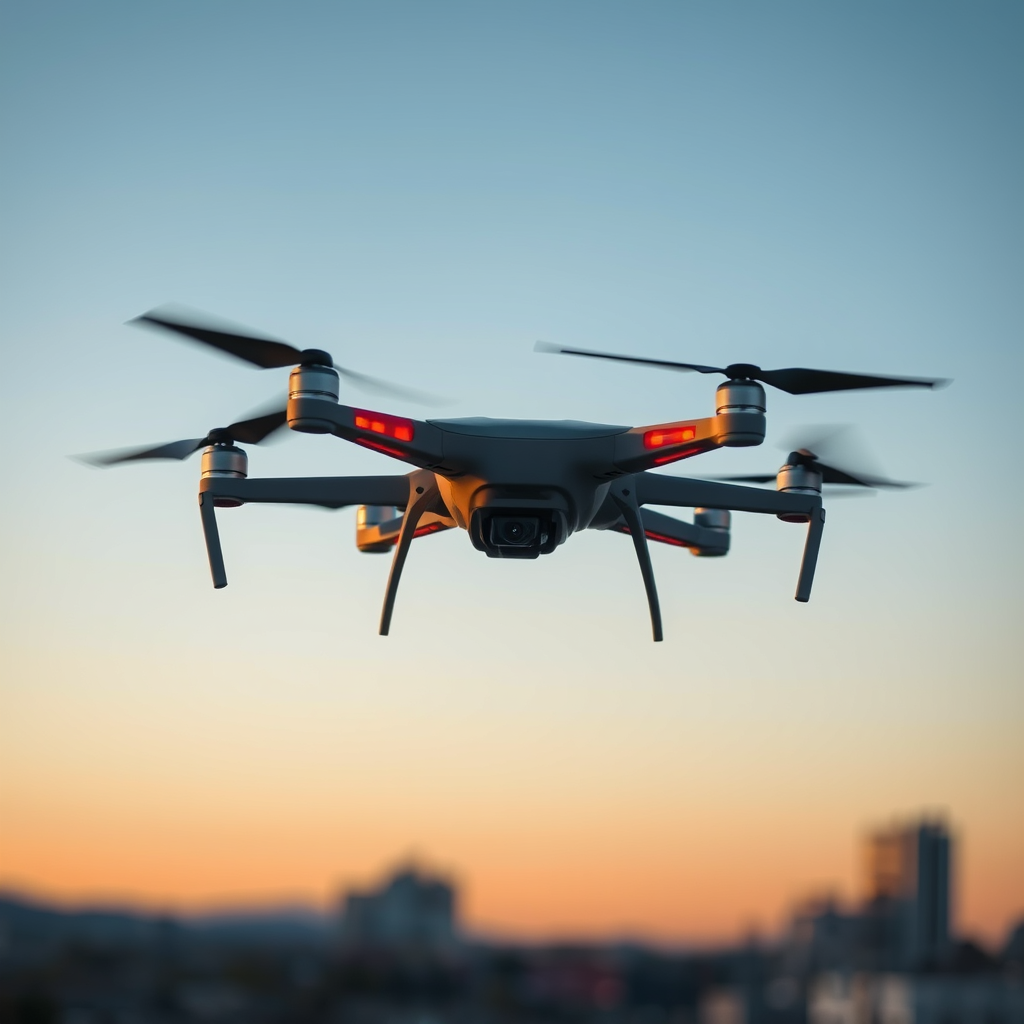
The flight range of a drone is largely dependent on its type and intended use. Consumer drones, which are primarily designed for hobbyists and casual users, generally have flight ranges that vary from 1 to 5 kilometers. For example, popular models such as the DJI Mini series and the Mavic Air 2 are known for their user-friendly features and decent ranges, making them suitable for personal photography or recreational flying.
On the other hand, professional drones, which are engineered for commercial applications, can achieve significantly longer distances, often reaching up to 10 kilometers or more. Drones like the DJI Matrice series or the senseFly eBee X are designed for industrial tasks, including surveying, mapping, and aerial inspections, and are equipped with advanced technologies that allow them to maintain stable communication over extended ranges. Understanding these distinctions is crucial for selecting the right drone for your specific requirements.
Factors Affecting Drone Flight Range
Several factors influence how far a drone can fly, with battery life being one of the most critical. Most consumer drones come equipped with lithium-polymer (LiPo) batteries, which typically provide flight times ranging from 20 to 30 minutes. However, the actual distance flown within this time frame can vary based on the drone’s weight, speed, and the payload it carries. For instance, a drone carrying a high-resolution camera may experience reduced flight time and range compared to a lighter model.
Environmental conditions also play a significant role in determining a drone’s flight range. Wind speed, temperature, and obstacles such as buildings or trees can greatly impact a drone’s performance. For example, flying against strong winds can reduce a drone’s effective range, as it has to expend more energy to maintain stability and speed. Additionally, flying in areas with a lot of interference—like urban environments—can disrupt the communication link between the drone and its controller, further limiting its operational range.
Regulations and Restrictions on Drone Flight
Local laws and regulations often dictate where and how far drones can be flown, making it essential for operators to remain informed about specific guidelines in their area. In many countries, such as the United States, the Federal Aviation Administration (FAA) has established rules regarding drone operations, including restrictions on flying above certain altitudes, near airports, and over populated areas. Violating these regulations can result in legal consequences, making it crucial for drone pilots to understand their responsibilities.
No-fly zones are another significant consideration. Many cities and regions have designated areas where drone flying is prohibited for safety reasons, such as near military bases, government buildings, or large public events. Tools such as the FAA’s B4UFLY app can help drone operators identify these zones, ensuring that they comply with local regulations and avoid potential fines or accidents.
Enhancements for Extended Flight Range
For those looking to maximize their drone’s flight capabilities, several enhancements can be considered. One of the most effective ways to extend flight range is by upgrading the drone’s battery. Higher-capacity batteries can provide longer flight times, allowing drones to cover greater distances. For example, some enthusiasts have successfully modified their drones with aftermarket batteries that significantly increase their performance.
Another option is to utilize range extenders and boosters. These devices can amplify the signal between the drone and its remote controller, effectively increasing the operational range. Some manufacturers offer proprietary range extenders that are compatible with specific models, while third-party options are also available. However, it’s essential to ensure that any modifications comply with local regulations to avoid legal repercussions.
Real-World Applications of Drone Range
The flight range of a drone is particularly important in various real-world applications. For instance, delivery services rely on drones with specific range capabilities to efficiently transport goods. Companies like Amazon and Zipline have invested in drone technology that allows for long-distance deliveries, aiming to reduce delivery times and costs. A drone’s ability to cover significant distances quickly can be a game-changer in logistics and supply chain management.
Aerial photography is another area where drone range plays a crucial role. Photographers and videographers often require drones that can fly far enough to capture sweeping landscapes or specific subjects without being restricted by range limitations. High-end drones equipped with advanced camera systems not only need to maintain a reliable connection over long distances but also must be able to return safely to their launch points, making range a vital component in their design.
Future Trends in Drone Flight Capabilities
As technology continues to advance, the potential for increased flight ranges in drones is becoming more promising. One significant area of development is battery technology. Researchers are exploring alternatives to traditional lithium-polymer batteries, such as solid-state batteries, which could provide longer flight times and greater efficiency. These advancements may lead to drones capable of flying for hours rather than just minutes.
Moreover, the emergence of 5G technology could improve communication between drones and their controllers, allowing for more stable connections over longer distances. This enhancement could facilitate better navigation and control, reducing the risk of loss of signal and enabling more complex operations, such as drone swarms for agricultural monitoring or search and rescue missions.
In conclusion, the flight range of a drone varies widely based on its type, usage, and external factors. Factors such as battery life, environmental conditions, and regulatory restrictions all play significant roles in determining how far a drone can effectively fly. By understanding these elements, whether you are a hobbyist or a professional, you can make informed decisions that will maximize your drone’s potential and enhance its operational capabilities. As technology progresses, the future of drone flight capabilities looks increasingly promising, offering exciting possibilities for various applications.
Frequently Asked Questions
How far can a consumer drone fly on a single battery charge?
The distance a consumer drone can fly on a single battery charge varies by model, but most consumer drones can cover between 1 to 7 miles (1.6 to 11 kilometers). High-end models like the DJI Mavic series often boast longer ranges, while entry-level drones might have a shorter flight distance. Factors such as battery capacity, drone weight, and environmental conditions significantly impact flight range.
What factors affect how far a drone can travel?
Several factors influence how far a drone can travel, including battery life, the weight of the drone, weather conditions, and signal strength. Additionally, the type of drone plays a critical role; for example, racing drones are designed for speed and agility, often sacrificing range for performance. Understanding these factors can help you choose the right drone for your flying needs.
Why do some drones have a limited range compared to others?
Drones have varying ranges due to differences in design, technology, and intended use. Entry-level drones typically use less advanced communication technology and smaller batteries, resulting in a shorter range. In contrast, professional drones are equipped with stronger transmitters and more efficient batteries, allowing them to maintain a stable connection and travel farther distances.
What is the maximum range of commercial drones used for surveying and mapping?
Commercial drones intended for surveying and mapping can have impressive ranges, often exceeding 10 miles (16 kilometers) depending on the model and technology used. Drones like the DJI Matrice series are built for long-range flight and can cover vast areas efficiently. Their advanced GPS and communication systems enable reliable operation over extended distances, making them ideal for professional applications.
Which drones offer the best long-range capabilities for aerial photography?
Some of the best long-range drones for aerial photography include the DJI Mavic Air 2, DJI Mavic 3, and the Autel Robotics EVO Lite+. These drones are designed to maximize flight distance while delivering high-quality images and videos. With ranges of over 6 miles (9.7 kilometers) and advanced stabilization features, they are excellent choices for professional photographers seeking to capture stunning landscapes from the sky.
References
- https://en.wikipedia.org/wiki/Drone
- https://www.faa.gov/uas/getting_started/remote_id
- https://www.ncbi.nlm.nih.gov/pmc/articles/PMC6612825/
- https://www.theguardian.com/technology/2020/jun/02/the-rise-of-drones-how-they-can-change-the-world
- https://www.sciencedirect.com/science/article/pii/S2352864819302601
