
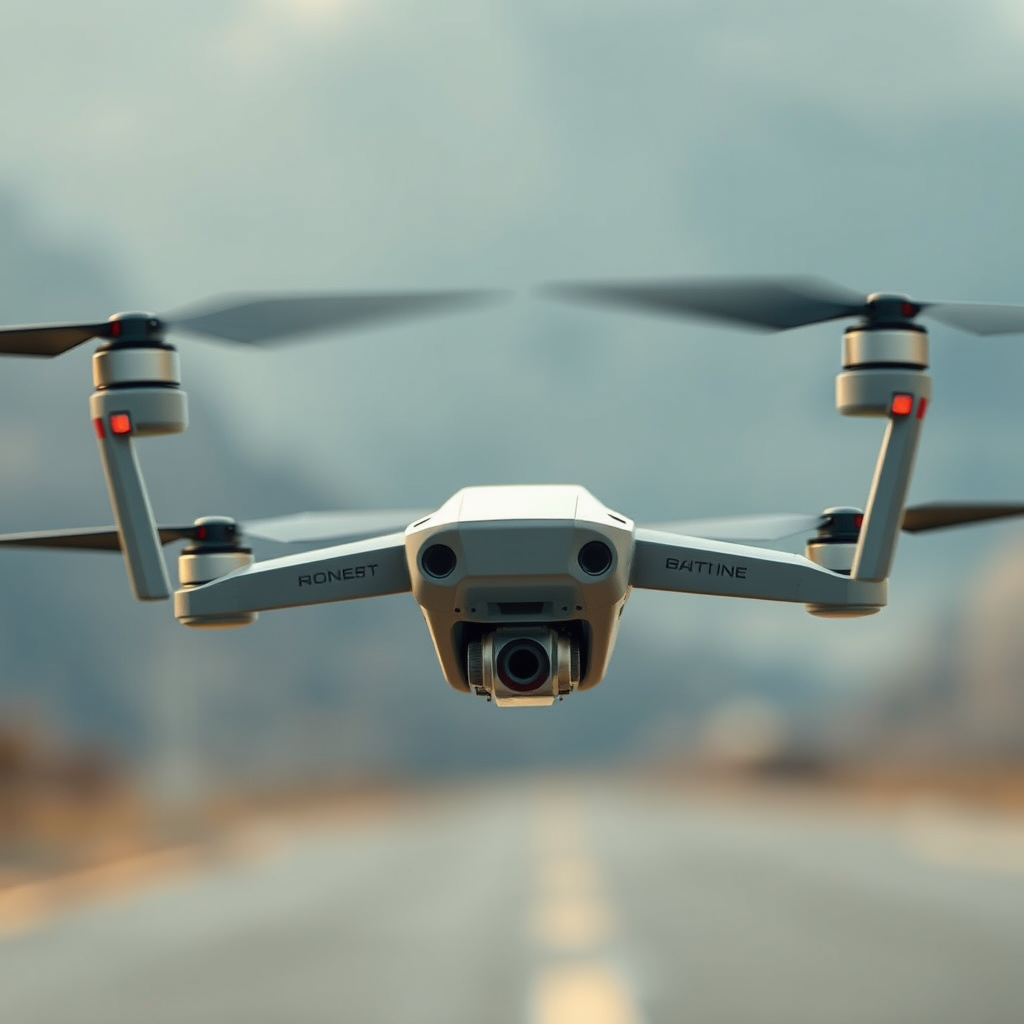
Drones can travel at speeds ranging from 15 mph to over 100 mph, depending on the type and model. Consumer drones typically average between 20 to 50 mph, while racing drones and specialized models can reach impressive velocities. This article delves into the various factors that influence drone speed and provides insights into the different categories of drones, helping you understand the capabilities and applications of these versatile flying machines.
Types of Drones and Their Speed Ranges
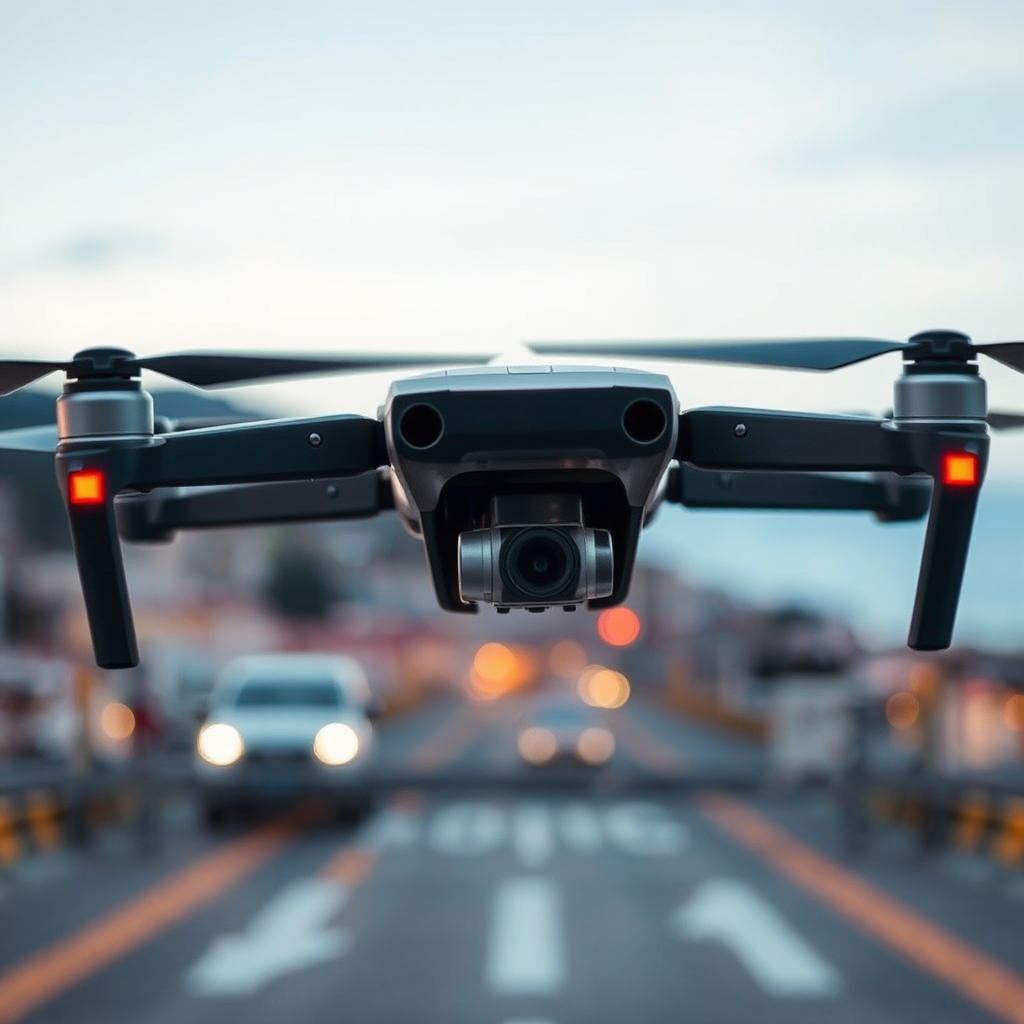
Understanding the different types of drones is crucial in evaluating their speed capabilities.
– Consumer Drones: These drones are designed primarily for recreational use, photography, and videography. They generally range in speed from 15 to 50 mph. Popular models like the DJI Mini and the DJI Mavic series are excellent examples, offering a balance between speed, stability, and ease of use. For instance, the DJI Mavic Air 2 can reach speeds of approximately 42 mph, making it suitable for capturing high-quality aerial footage while maintaining control.
– Racing Drones: Built specifically for speed, racing drones can achieve speeds exceeding 100 mph, especially in competitive environments. These drones are designed with lightweight materials and high-performance motors that allow them to maneuver quickly around obstacles. Drones like the EMAX Hawk 5 and the Fat Shark 101 are tailored for racing enthusiasts and can be modified to reach even higher speeds through advanced tuning. Their agility and speed are essential for success in racing events, where every second counts.
Factors Influencing Drone Speed
Several factors contribute to the speed capabilities of drones, ranging from design characteristics to the technology used in their construction.
– Design and Weight: The design of a drone plays a significant role in its speed. Lighter drones often have higher speeds due to reduced drag and improved aerodynamics. Manufacturers utilize materials like carbon fiber and plastics in their designs to minimize weight while maintaining structural integrity. This aspect is particularly relevant for racing drones, where every gram counts in achieving optimal performance.
– Motor Power: The power of the drone’s motors is another critical determinant of speed. Drones equipped with stronger motors can generate more thrust, allowing them to achieve greater velocities. Performance metrics, such as kilowatts (kW) or the thrust-to-weight ratio, are often used to gauge a drone’s potential speed. For instance, high-end racing drones typically feature brushless motors, which provide efficient and powerful performance, enabling rapid acceleration and high-speed flight.
Comparison of Popular Drone Models
Examining specific drone models provides further clarity on speed capabilities within different categories.
– DJI Mavic Air 2: This consumer drone boasts a maximum speed of approximately 42 mph. It is well-regarded for its performance in aerial photography, combining speed with excellent camera technology to capture stunning images from the sky. Its intelligent flight modes and robust battery life make it a favorite among hobbyists and professionals alike.
– DJI Phantom 4: Known for its reliability and high performance, the Phantom 4 can reach speeds of up to 45 mph. This drone is particularly popular among filmmakers and photographers for its stability and advanced camera features. Its ability to fly quickly while maintaining a steady frame is invaluable for capturing dynamic shots in various environments.
Speed Regulations and Limitations
As drone technology expands, so do the regulations governing their use, especially concerning speed and altitude.
– FAA Regulations: In the United States, the Federal Aviation Administration (FAA) has established guidelines that drones must adhere to when flying in controlled airspace. Although there is no specific speed limit for drones in general, they must not exceed 400 feet in altitude and must remain within the operator’s line of sight. Furthermore, commercial drone operators must comply with additional regulations that may influence flight speed and operational procedures.
– Local Laws: In addition to federal regulations, local laws may impose additional restrictions on drone speeds for safety and privacy reasons. Some cities or municipalities have enacted ordinances that limit drone operations in certain areas, affecting how fast drones can travel. Operators should always research local regulations to ensure compliance and avoid potential fines.
Practical Applications of Drone Speed
The speed capabilities of drones open up a myriad of practical applications across various industries.
– Racing Events: Speed is paramount in drone racing, where pilots navigate through complex courses as quickly as possible. Events like the Drone Racing League (DRL) showcase the fastest drones in the world, with speeds often exceeding 100 mph. These competitions not only highlight technological advancements but also emphasize the skill and precision required from pilots to control high-speed drones effectively.
– Delivery Services: The rise of drone delivery services has sparked interest in faster drone models that can enhance efficiency in package delivery. Companies like Amazon and UPS are exploring the use of drones to streamline logistics and reduce delivery times. Faster drones can cover greater distances in shorter periods, making them invaluable for time-sensitive deliveries, especially in urban environments.
Safety Considerations When Flying at High Speeds
While high speeds can enhance the capabilities of drones, they also introduce new risks that must be managed.
– Pilot Experience: Operating a high-speed drone requires a greater level of skill and experience. Pilots must be adequately trained to handle rapid maneuvers and emergency situations effectively. A comprehensive understanding of the drone’s functionalities and limitations is essential to ensure safe operation, particularly in complex environments.
– Risk of Accidents: With increased speed comes a heightened risk of accidents. Higher velocities can lead to more severe collisions or crashes, especially in populated areas or near obstacles. Pilots should always consider safety measures, such as maintaining a safe distance from people and structures, and utilizing features like obstacle avoidance systems to mitigate risks.
In conclusion, understanding how fast a drone can travel involves recognizing the different types of drones, the factors that affect speed, and the practical applications of these capabilities. From consumer drones that serve everyday users to high-speed racing models designed for competition, each category offers unique advantages and challenges. Whether you are a hobbyist, a professional photographer, or a business considering drone technology, having a comprehensive understanding of drone speed can significantly inform your choices and enhance your experience in this rapidly evolving field.
Frequently Asked Questions
What is the average speed of a consumer drone?
The average speed of a consumer drone typically ranges from 15 to 50 miles per hour (24 to 80 kilometers per hour). However, high-performance models designed for racing or professional use can reach speeds of up to 100 miles per hour (160 kilometers per hour). Factors such as drone model, battery life, weight, and environmental conditions can affect these speeds.
How does a drone’s speed compare to that of a commercial airliner?
Drones, especially consumer and recreational models, are significantly slower than commercial airliners. While the average speed of a consumer drone is between 15 to 50 mph, commercial airliners cruise at speeds around 500 to 600 mph (805 to 966 kph). However, for short-distance tasks or aerial photography, drones offer flexibility and maneuverability that airliners cannot match.
Why do some drones have varying speed limits?
The speed limits of drones can vary due to several factors, including design purpose, regulations, and safety features. For instance, drones intended for aerial photography prioritize stability and control over speed, while racing drones are engineered for maximum velocity. Additionally, many countries impose legal speed limits for drone operations to ensure safe interactions with other air traffic.
Which factors influence how fast a drone can travel?
Several factors influence a drone’s speed, including its design and weight, battery capacity, motor power, and weather conditions. Drones with lightweight materials and powerful motors can achieve higher speeds. Additionally, wind resistance and adverse weather conditions, such as rain or strong winds, can significantly slow down a drone’s flight.
What is the fastest drone currently available on the market?
As of October 2023, the fastest drone commercially available is the DRL RacerX, which can reach speeds of up to 179 miles per hour (288 kilometers per hour). This racing drone is designed for competitive aerial racing and showcases advanced technology, including lightweight materials and high-performance motors. For consumers looking for speed, high-performance racing drones from brands like Eachine and Holy Stone also offer impressive speed capabilities, often exceeding 100 mph.
References
- https://en.wikipedia.org/wiki/Drone
- https://www.bbc.com/news/technology-56408200
- https://www.nytimes.com/2021/06/08/technology/drones-travel-speed.html
- https://www.sciencedirect.com/topics/engineering/unmanned-aerial-vehicles
- https://www.faa.gov/uas/
- https://www.nasa.gov/mission_pages/armada/what-is-a-drone.html
- https://www.pnas.org/doi/full/10.1073/pnas.1904735116
- https://www.darpa.mil/program/gremlins
- https://www.researchgate.net/publication/327635860_A_Survey_on_the_Applications_of_Drones_in_Transportation_Systems
