
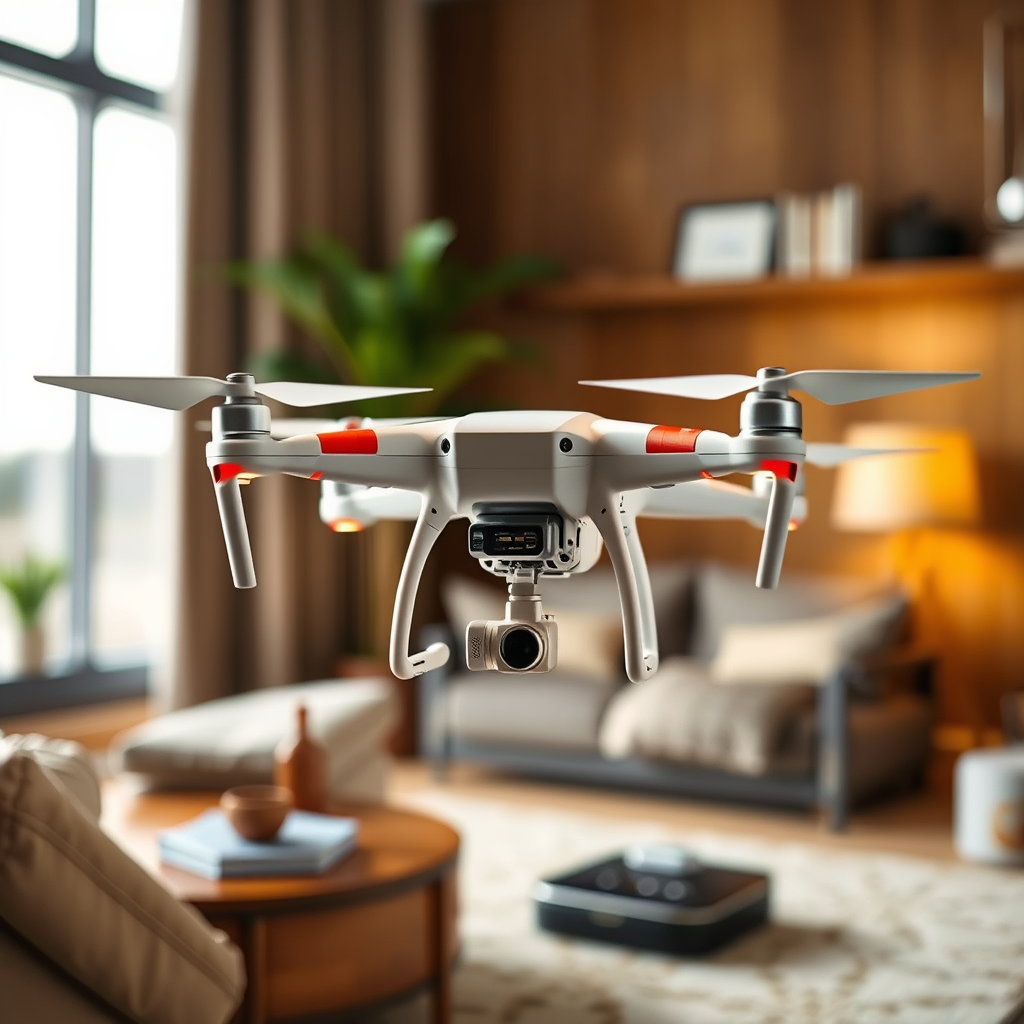
The Phantom 3 drone can fly up to 1,200 meters (approximately 3,937 feet) above sea level under optimal conditions. This impressive altitude capability makes it a popular choice among drone enthusiasts and professionals alike. With its advanced features and reliable performance, the Phantom 3 allows users to capture stunning aerial photography and video. In this article, we will explore various factors that influence the maximum flight height, legal restrictions, and practical tips for getting the most out of your Phantom 3.
Understanding the Phantom 3 Specifications
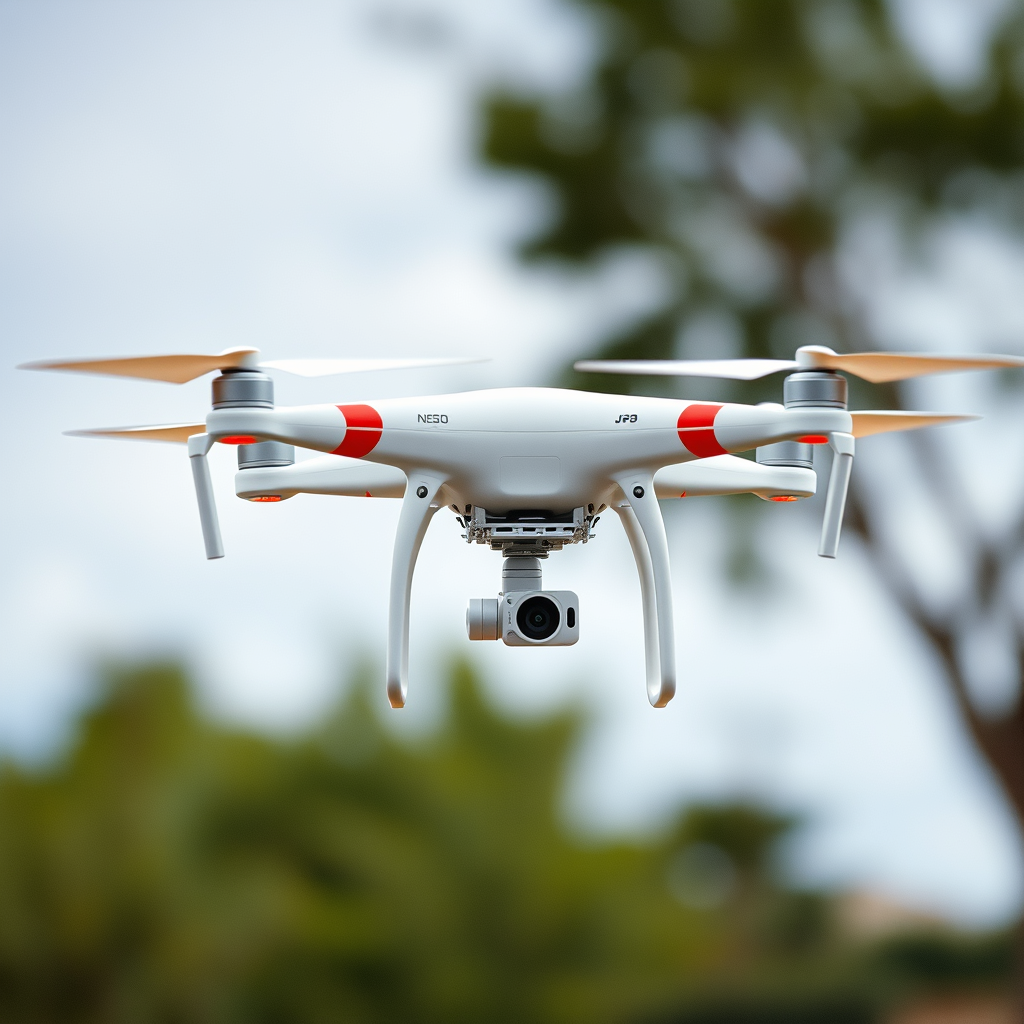
The maximum altitude of the Phantom 3 drone is a significant selling point, primarily influenced by battery life, environmental factors, and the drone’s inherent design. Equipped with a powerful LiPo battery, the Phantom 3 can maintain a stable flight up to its altitude limit, provided that it is fully charged and in good working condition. The drone is designed to operate effectively within this altitude range, allowing users to enjoy a reliable flying experience while capturing high-resolution imagery.
The drone’s onboard GPS and altitude sensors play a critical role in maintaining stability and ensuring accurate altitude readings. When flying at higher elevations, it is essential to monitor the battery life closely, as the power demand increases with altitude due to potential wind resistance and the need for constant adjustments to keep the drone stable.
Factors Affecting Flight Height
Several environmental conditions can significantly impact the Phantom 3’s performance and, consequently, its flight height. For instance, high winds can create turbulence that affects the drone’s ability to ascend and maintain stability. Similarly, extreme temperatures can impact battery efficiency, potentially leading to reduced flight duration and altitude capability.
Obstacles such as buildings, trees, or other structures can also limit practical flight height. In urban environments, the presence of tall buildings can create downdrafts and turbulence, making it challenging to achieve the maximum altitude safely. Therefore, it is vital to assess the flying area for potential obstacles before launching the drone to ensure a safe and effective flight.
Legal Regulations on Drone Altitude
When flying a Phantom 3 drone, it is essential to understand local laws regarding drone flight heights and airspace restrictions. In many countries, including the United States, the Federal Aviation Administration (FAA) sets strict guidelines for unmanned aerial vehicles (UAVs). Generally, recreational drone pilots are required to fly below 400 feet above ground level unless they have obtained specific waivers.
Before flying, drone operators should familiarize themselves with the airspace classifications in their area, as certain zones may be restricted due to proximity to airports or other regulated airspaces. Adhering to these regulations not only ensures compliance with the law but also promotes safety for both the drone operator and the general public.
Safety Considerations When Flying High
Flying at high altitudes presents specific risks that operators should be aware of. One of the most significant concerns is the potential loss of signal, which can occur if the drone moves beyond the range of the remote controller or experiences interference from obstacles or environmental factors. To mitigate this risk, it is advisable to maintain a visual line of sight with the drone at all times.
Additionally, operators should be aware of the increased likelihood of erratic behavior from the drone at high altitudes, particularly in windy conditions. Best practices for ensuring safe operations include conducting pre-flight checks, monitoring battery levels closely, and selecting appropriate flight paths to avoid obstacles.
Tips for Maximizing Your Drone’s Altitude
To get the most out of your Phantom 3 drone and maximize its altitude capabilities, consider implementing several pre-flight checks and best practices. First, ensure that the drone’s firmware is up to date, as manufacturers frequently release updates that improve performance and enhance safety features.
Before taking off, conduct a thorough inspection of the drone, checking for any physical damage, inspecting the propellers, and ensuring that the battery is fully charged. Utilizing GPS and other navigational aids can also help maintain control at great heights, allowing for precise maneuvers and better image capture.
Lastly, planning your flight during optimal weather conditions—such as low wind and moderate temperatures—will help enhance the drone’s performance and allow it to reach its maximum altitude safely.
Common Issues Encountered at High Altitudes
While flying at high altitudes, Phantom 3 operators may encounter various issues that can affect performance. One common concern is battery drain; as the drone ascends, the demand for power increases, which can lead to a quicker depletion of battery life. To mitigate this, it is advisable to monitor battery levels closely and plan flights that allow for a safe return before the battery reaches critical levels.
Communication issues can also arise when operating at greater heights, particularly if the drone is flying beyond the range of the remote controller. Operators should always be aware of their range limits and be prepared to bring the drone back to a safe altitude if signal loss occurs.
Maintenance for Optimal Performance
To ensure your Phantom 3 drone remains in optimal flying condition, regular maintenance is crucial. This includes cleaning the drone after each flight to remove dirt and debris that may affect its performance. Inspecting the propellers for signs of wear or damage is also essential, as compromised propellers can lead to unstable flights.
Additionally, keeping the firmware updated can improve the drone’s functionality and safety features, allowing for a better flying experience. Regularly calibrating the drone’s compass and IMU (Inertial Measurement Unit) is also recommended to ensure accurate altitude readings and stable flight performance.
In conclusion, understanding how high a Phantom 3 drone can fly involves more than just its specifications. By considering various factors such as environmental conditions, legal regulations, safety protocols, and maintenance practices, you can enhance your flying experience. Always stay informed and fly responsibly to enjoy the full capabilities of your drone. Whether you’re capturing breathtaking landscapes or conducting aerial surveys, adhering to these guidelines will help you make the most of your Phantom 3’s impressive altitude capabilities.
Frequently Asked Questions
What is the maximum altitude a Phantom 3 drone can reach?
The maximum altitude for a Phantom 3 drone is generally around 120 meters (394 feet) above ground level. This altitude limit is set by the Federal Aviation Administration (FAA) regulations in the United States to ensure safe flying practices and to avoid interference with manned aircraft. It’s important to always adhere to local regulations and not exceed this height for safety and compliance.
How can I increase the flying range of my Phantom 3 drone?
To increase the flying range of your Phantom 3 drone, consider upgrading to a higher-gain antenna or using a range extender. Additionally, flying in open areas away from obstacles and interference can improve connectivity with the remote control, allowing for longer flight distances. Always ensure your battery is fully charged for optimal performance and be aware of the drone’s return-to-home feature to avoid losing connection.
Why does my Phantom 3 drone lose altitude during flight?
If your Phantom 3 drone is losing altitude unexpectedly, it could be due to several factors, including low battery levels, insufficient GPS signal, or environmental conditions like strong winds. Furthermore, if the drone’s motors are overheating or if there is a malfunction in the software, it may cause altitude loss. Regularly checking the battery health, firmware updates, and conducting pre-flight inspections can help mitigate this issue.
What is the best way to ensure safe flying at high altitudes with my Phantom 3?
To ensure safe flying at high altitudes with your Phantom 3, always conduct a pre-flight checklist that includes checking battery levels, GPS signal strength, and environmental conditions. Additionally, familiarize yourself with the drone’s altitude limits and local airspace restrictions to avoid flying too high. It’s also wise to maintain visual line-of-sight with your drone and utilize the return-to-home feature if you lose connection.
Which factors affect the maximum flying height of a Phantom 3 drone?
Several factors can affect the maximum flying height of a Phantom 3 drone, including battery life, weight of the payload, environmental conditions (such as wind and temperature), and interference from other electronic devices. The drone’s firmware settings and local regulations may also impose altitude restrictions. Understanding these factors can help you maximize your drone’s performance while complying with safety standards.
References
- https://en.wikipedia.org/wiki/Phantom_3
- https://www.faa.gov/uas/getting_started/part_107/
- https://www.ncbi.nlm.nih.gov/pmc/articles/PMC6291550/
- https://www.sciencedirect.com/science/article/pii/S2351978917302021
- https://www.researchgate.net/publication/318504845_Analysis_of_the_flight_performance_of_a_drone_based_on_a_simulation_model
- https://www.nytimes.com/2016/10/03/technology/drone-regulations.html
- https://www.techrepublic.com/article/the-complete-guide-to-drones-for-business/
- https://www.drones.equipment/blog/understanding-drone-altitude-limits/
