

Yes, you can fly a drone in Death Valley, but there are specific regulations and considerations to keep in mind. This unique desert landscape offers stunning views and opportunities for aerial photography, yet it’s crucial to be aware of the rules governing drone use in national parks, as they are designed to protect both the natural environment and the experience of other visitors.
Understanding the Regulations
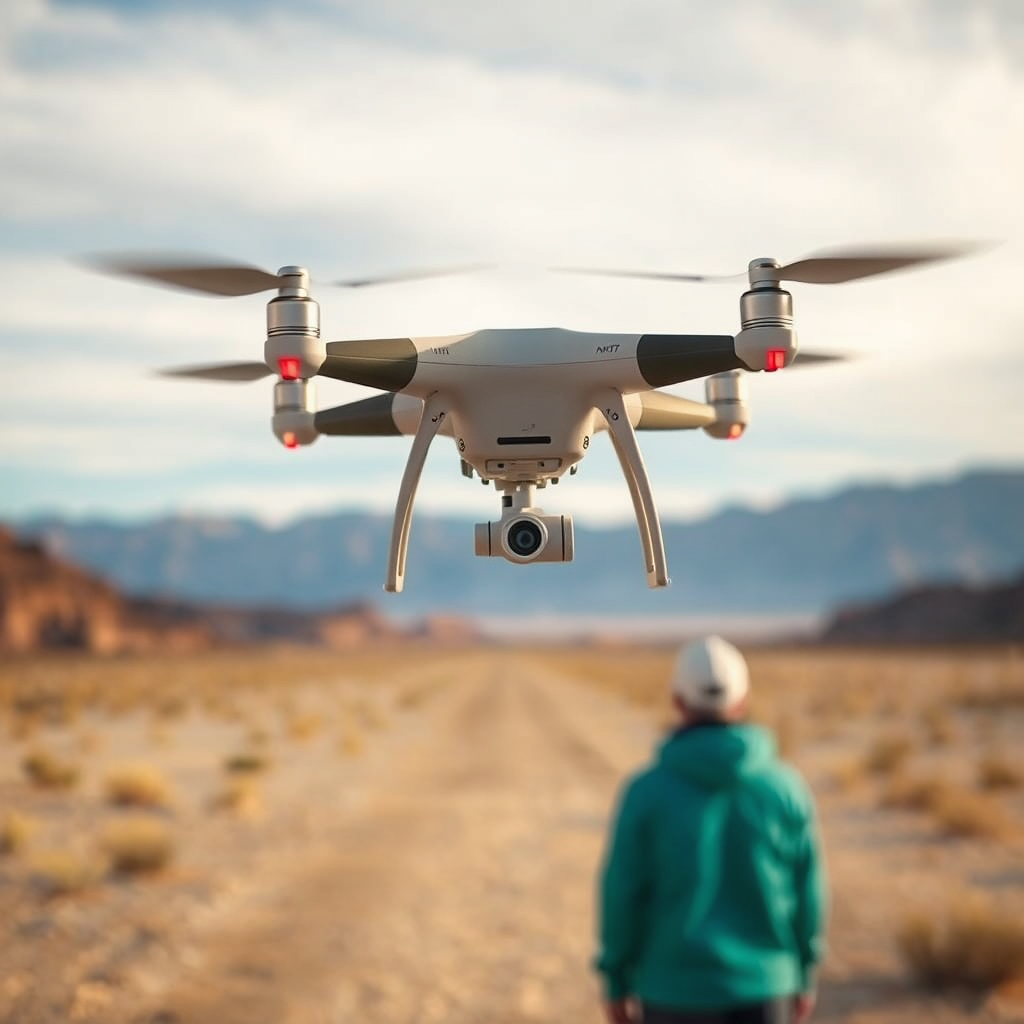
When it comes to flying drones in Death Valley, it is essential to recognize that the use of drones is generally prohibited within national parks, including Death Valley National Park. This prohibition is rooted in the National Park Service’s (NPS) commitment to conserving wildlife, protecting natural resources, and ensuring a tranquil experience for all visitors. However, there are instances where special use permits may be granted for specific activities, events, or research purposes involving drones. These permits are not easily obtained and typically require a detailed application process, including a justification for the drone’s use and a plan to mitigate any potential impacts on the park’s ecosystem.
If you are planning to fly a drone in or around Death Valley, it is imperative to thoroughly understand the regulations and restrictions outlined by the NPS. It is advisable to consult the NPS website regularly for the latest updates on regulations and any changes that may affect drone usage within the park boundaries.
National Park Service Guidelines
The National Park Service has strict policies regarding drone usage to safeguard wildlife and preserve the natural beauty of the parks. According to NPS guidelines, flying a drone is considered a form of disturbance that can negatively impact not only the flora and fauna but also the visitor experience. The NPS’s regulations apply to all drone operators, regardless of whether they are hobbyists or professionals.
For those interested in obtaining a special use permit, the application process typically involves submitting a proposal that outlines your intended drone activities, the location of the flight, and the potential environmental impacts. The NPS will evaluate the application based on its potential effects on the park’s resources and visitors. To ensure compliance, regularly check the NPS website and contact park officials for any additional requirements or modifications to existing guidelines.
Best Practices for Drone Operation
If you are fortunate enough to secure a permit to fly a drone in Death Valley, adhering to best practices is paramount. One of the most important rules is to always maintain a visual line-of-sight with your drone. This means that you should be able to see your drone at all times without the aid of binoculars or visual aids, ensuring better control and reducing the risk of collisions.
Additionally, flying at a safe altitude is critical to minimize the impact on wildlife and fellow visitors. Death Valley is home to various species, including endangered birds and other wildlife, that could be disturbed by drone activity. By maintaining a respectful distance, you can enjoy your aerial photography while also being a responsible steward of the environment. Familiarize yourself with the drone’s controls and settings before your flight to avoid accidents and ensure a smooth operation.
Ideal Locations for Drone Use
While flying a drone within Death Valley National Park itself is largely prohibited, there are areas surrounding the park where drone flying may be permissible. These locations may offer equally stunning vistas, allowing you to capture the breathtaking beauty of the desert landscape without infringing on park regulations.
Research nearby regions, such as Bureau of Land Management (BLM) areas or state parks that surround Death Valley, which may have more lenient drone regulations. Always verify local laws and guidelines to ensure compliance. Look for scenic spots such as the Amargosa Valley or the outskirts of the Mojave National Preserve, where you can capture incredible aerial shots of the dramatic desert terrain, including rugged mountains and expansive salt flats.
Safety Considerations
Safety must be a top priority when operating a drone in Death Valley, given the extreme environmental conditions that can be present in the area. The valley is famous for its severe temperatures, which can soar well above 120°F (49°C) in the summer months. Such extreme heat can affect drone performance, battery life, and operator endurance. Always check the weather conditions before your flight and plan your operations during the cooler parts of the day, such as early morning or late afternoon.
Moreover, it’s crucial to be aware of other visitors in the area. Death Valley attracts numerous tourists, hikers, and photographers who come to appreciate the park’s unique landscapes. To ensure safety and privacy, maintain a respectful distance from other individuals and avoid flying in crowded areas. Doing so will help foster a positive atmosphere and prevent any disturbances.
Photography Tips for Drones
Capturing the stunning landscapes of Death Valley with a drone can yield breathtaking results, but planning your flight path is essential for the best photography outcomes. The park boasts a variety of geological formations, including salt flats, sand dunes, and rugged mountains, all of which offer unique opportunities for aerial photography.
The “golden hours” of sunrise and sunset are particularly advantageous for drone photography, as the soft, warm light can enhance the colors and textures of the desert landscape. Consider using these times to capture dramatic shadows and highlights, which can greatly enhance the visual appeal of your images. Additionally, experiment with different angles and altitudes to find the most compelling compositions, and don’t forget to take advantage of the panoramic views that Death Valley has to offer.
Utilizing features such as waypoint navigation can also streamline your flight path, allowing you to focus on capturing stunning visuals rather than manual piloting. Always remember to respect the environment and the park’s guidelines while seeking to produce captivating drone images.
In conclusion, while flying a drone in Death Valley is subject to strict regulations, understanding these rules allows you to enjoy the breathtaking scenery from the sky. By adhering to the National Park Service guidelines, maintaining safety and respect for wildlife, and planning thoughtful photography endeavors, you can ensure a rewarding experience. Always check for the latest updates and consider alternative locations for your drone adventures. Happy flying!
Frequently Asked Questions
Can you legally fly a drone in Death Valley National Park?
Yes, you can legally fly a drone in Death Valley National Park, but there are strict regulations you must follow. According to the National Park Service, drone use is prohibited in most areas of the park to protect wildlife and preserve the natural landscape. Always check for specific guidelines and restrictions on the official National Park Service website before planning your flight.
What are the best locations to fly a drone in Death Valley?
While drone flying is restricted in many parts of Death Valley National Park, some areas outside the park boundaries may allow drone usage. Popular nearby locations include the Amargosa Valley and portions of the Mojave Desert, where you can capture stunning vistas. However, always ensure you are compliant with local regulations and FAA guidelines when selecting a location.
How do I obtain permission to fly a drone in Death Valley?
To fly a drone in Death Valley National Park, you must apply for a special use permit. This process involves submitting an application to the park’s administration detailing your intended use, flight plans, and safety measures. It’s essential to submit your application well in advance, as processing times can vary and permits are not guaranteed.
Why are there restrictions on flying drones in Death Valley?
Restrictions on flying drones in Death Valley are primarily in place to protect the park’s unique wildlife, natural resources, and the visitor experience. Drones can disturb wildlife, disrupt the tranquility of the landscape, and pose safety risks to other visitors. The National Park Service aims to preserve the park’s natural beauty and ecological integrity by limiting drone access.
What should I know about FAA regulations for flying drones in Death Valley?
When flying a drone in or around Death Valley, it’s crucial to adhere to FAA regulations, which include keeping your drone within visual line-of-sight, flying below 400 feet, and avoiding airports and populated areas. Additionally, you must register your drone if it weighs over 0.55 pounds. Familiarizing yourself with these regulations will ensure a safe and legal flying experience while enjoying the breathtaking scenery of Death Valley.
References
- https://www.nps.gov/deva/planyourvisit/drone-use.htm
- https://www.faa.gov/uas/
- https://www.nps.gov/subjects/drones/index.htm
- https://www.faa.gov/uas/getting_started/
- https://www.wildlife.ca.gov/Conservation/Surveying/Drone-Use
- https://www.nps.gov/subjects/drones/drone-regulations.htm
- https://www.usgs.gov/mission-areas/water-resources/science/using-drones-water-resources-research
