

Yes, you can technically shoot down a drone spying on you, but it is illegal in many jurisdictions and can lead to serious legal repercussions. The laws governing drone usage are complex and vary widely across different regions, making it essential to understand the legal landscape before contemplating any action against a surveillance drone.
Understanding Drone Regulations
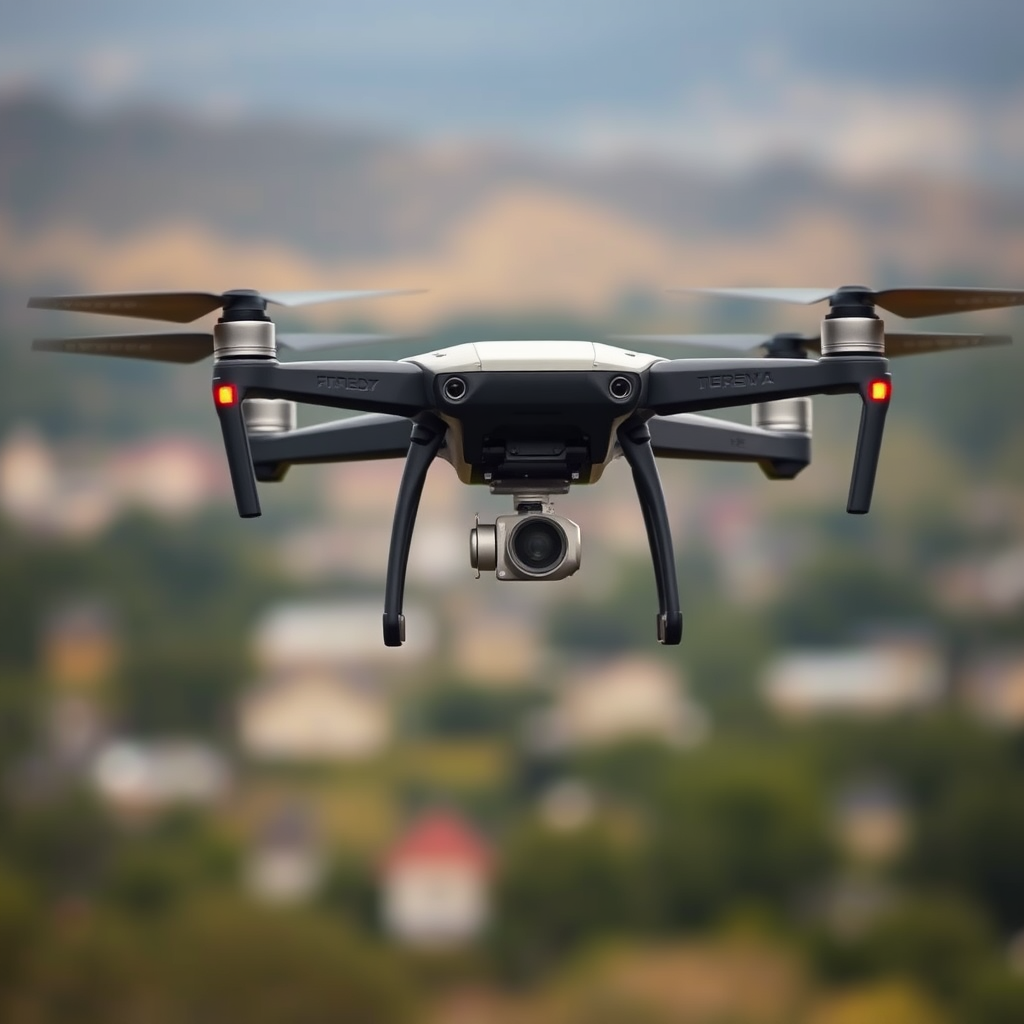
Drones, often referred to as unmanned aerial vehicles (UAVs), are subject to a multitude of federal, state, and local regulations. In the United States, the Federal Aviation Administration (FAA) oversees the use of drones in airspace, which includes restrictions on flying drones over private property without permission. Additionally, many states have enacted laws specifically addressing the unauthorized use of drones for surveillance purposes.
Shooting down a drone may violate laws related to airspace and property rights. For example, under the FAA regulations, drones are considered aircraft, and shooting one down could be viewed as an act of destruction against an aircraft, which is a serious federal offense. Furthermore, state laws regarding property rights may also come into play, as property owners have certain rights over the airspace directly above their land. However, these rights do not typically extend to the point of using lethal force against an aerial vehicle.
Understanding these nuanced regulations is crucial. It is advisable to research local laws and consult legal experts if you feel your privacy is being infringed upon by a drone.
Legal Consequences of Shooting a Drone
Engaging in the act of shooting down a drone can lead to a wide range of legal consequences. The most immediate charge could be destruction of property, as the drone is owned by an individual or a company. This could result in civil liabilities or criminal charges, depending on the circumstances surrounding the incident. If the drone is shot down in a populated area, there could also be severe implications for public safety.
Moreover, the illegal discharge of a firearm is another potential charge that could arise from such an action. Many jurisdictions have strict laws regarding the use of firearms, particularly in areas where there is a risk of harm to bystanders. Penalties can vary significantly based on location; in some states, you could face misdemeanor charges, while in others, it could escalate to felony charges, resulting in hefty fines and even imprisonment.
For instance, in a recent case in California, an individual who shot down a drone was charged with multiple offenses, including reckless endangerment and unlawful discharge of a firearm, illustrating the serious repercussions one might face.
Alternative Responses to Drones
Instead of resorting to destructive measures, there are several alternative responses to drones that can protect your privacy without legal repercussions. One effective approach is to contact local law enforcement or authorities who can investigate the situation. Many police departments are now trained to handle drone-related complaints and can take appropriate actions to address unauthorized surveillance.
Another option is to employ non-destructive methods to mitigate the impact of unwanted drones. For example, some individuals have turned to privacy shields or signal jammers, although the legality of these devices can also vary by jurisdiction. Privacy shields can block the camera’s view, while signal jammers disrupt the drone’s communication with its operator, effectively grounding it without causing damage. However, it is crucial to check the legality of these tools before use, as some jurisdictions strictly prohibit the use of jamming devices.
The Technology Behind Drones
To effectively navigate the issue of drone surveillance, it is essential to understand the technology that underpins these devices. Drones are equipped with a variety of cameras and sensors that allow them to collect data for purposes ranging from aerial photography to surveillance. Many consumer drones come with high-definition cameras capable of capturing detailed images and videos, often without the knowledge of those being recorded.
Understanding how drones operate can help you determine the best response. For instance, knowing the range and capabilities of a drone can inform your decision on how to address it. For example, if a drone is hovering at a high altitude and capturing footage, it might be more effective to use legal channels rather than attempting any physical action against it.
Additionally, advancements in drone technology continue to evolve, with features such as autonomous flying capabilities and advanced GPS systems making it increasingly difficult to avoid detection. Staying informed about these technological developments can provide valuable insight into how best to protect your privacy.
Civil Liberties and Drone Surveillance
The implications of drone surveillance extend beyond individual privacy concerns, raising broader civil liberties issues. As drones become more prevalent, there are ongoing debates about how surveillance technology intersects with personal freedoms. The use of drones for surveillance by both private individuals and government entities has sparked discussions around the right to privacy, as well as the potential for abuse of power.
The American Civil Liberties Union (ACLU) has been vocal about the need for stringent regulations to protect citizens from invasive surveillance practices. They argue that drones can infringe on fundamental rights, particularly when used without proper oversight. The ongoing dialogue about balancing security measures with personal freedoms emphasizes the need for clear and enforceable guidelines governing drone use.
As citizens become more aware of their rights, the demand for legislation that protects against unwarranted surveillance is likely to grow. This evolving landscape necessitates that individuals remain informed about their rights regarding drone surveillance and actively participate in discussions around privacy laws.
Seeking Legal Advice
If you find yourself in a situation where you feel your privacy is being infringed upon by a drone, it is advisable to seek legal advice. Consulting with an attorney who specializes in privacy law can provide clarity on your rights and potential actions. Legal professionals can help you navigate the complexities of drone regulations and advise you on how best to protect your interests.
An attorney can also assist in determining whether the drone operator has violated any laws and what recourse you may have, including potential civil actions for damages or obtaining a restraining order against the drone operator. Understanding your legal options can empower you to take informed steps to protect your privacy without resorting to illegal actions.
In conclusion, while it may be tempting to shoot down a drone that is spying on you, it is important to be aware of the legal ramifications and explore alternative solutions. Understanding drone regulations, recognizing the potential legal consequences, and considering non-destructive responses are essential steps in addressing your concerns. Always prioritize your safety and legal standing when dealing with drone-related issues, and seek professional legal guidance if necessary.
Frequently Asked Questions
Can I legally shoot down a drone that is spying on me?
Legally shooting down a drone is a complex issue, as it varies by jurisdiction. In general, taking down a drone can be considered illegal under federal law in many countries, including the United States, where drones are regulated by the Federal Aviation Administration (FAA). Instead of resorting to violence, it’s recommended to report the drone to local authorities, as they can investigate and take appropriate action regarding privacy violations.
What should I do if I see a drone hovering over my property?
If you notice a drone hovering over your property, the best course of action is to calmly document the incident by taking pictures or videos of the drone and noting the time and location. Then, you should reach out to local law enforcement or your neighborhood watch to report the situation, especially if you feel your privacy is being compromised. Remember that many drones have specific regulations they must follow, so authorities can help address any legal breaches.
How can I identify if a drone is spying on me?
Identifying a spying drone can be challenging, but there are several indicators to look for. Drones often make a distinct buzzing sound, are typically small and agile, and may have visible cameras or reflective surfaces. Additionally, if the drone is consistently hovering or circling your property without a clear purpose, that could suggest surveillance activities. If you suspect that a drone is spying on you, consider contacting local authorities for assistance.
Why are drones used for surveillance, and what are the risks to my privacy?
Drones are increasingly used for surveillance due to their ability to capture high-quality images and videos from unique angles without being intrusive. However, this can pose significant privacy risks, as unauthorized drones may collect personal information or document private activities without consent. Understanding the legal landscape surrounding drone use can help you protect your privacy rights and take action if you feel threatened.
What are the best ways to protect my privacy from unwanted drone surveillance?
To protect your privacy from unwanted drone surveillance, consider employing a multi-faceted approach. Install privacy fences, use window coverings, and create barriers that obstruct aerial views of your property. Additionally, you can invest in drone detection technology to monitor any unauthorized aircraft activity. Staying informed about local drone regulations and advocating for stricter laws can also help ensure your privacy is respected.
References
- https://en.wikipedia.org/wiki/Drone#Legal_issues
- https://www.nytimes.com/2018/06/21/us/drone-laws.html
- https://www.theguardian.com/us-news/2019/jul/30/drone-laws-private-property
- https://www.ncsl.org/research/civil-and-criminal-justice/drone-use-by-law-enforcement.aspx
- https://www.faa.gov/uas/
- https://www.aclu.org/issues/privacy-technology/surveillance-technologies/drone-surveillance
