
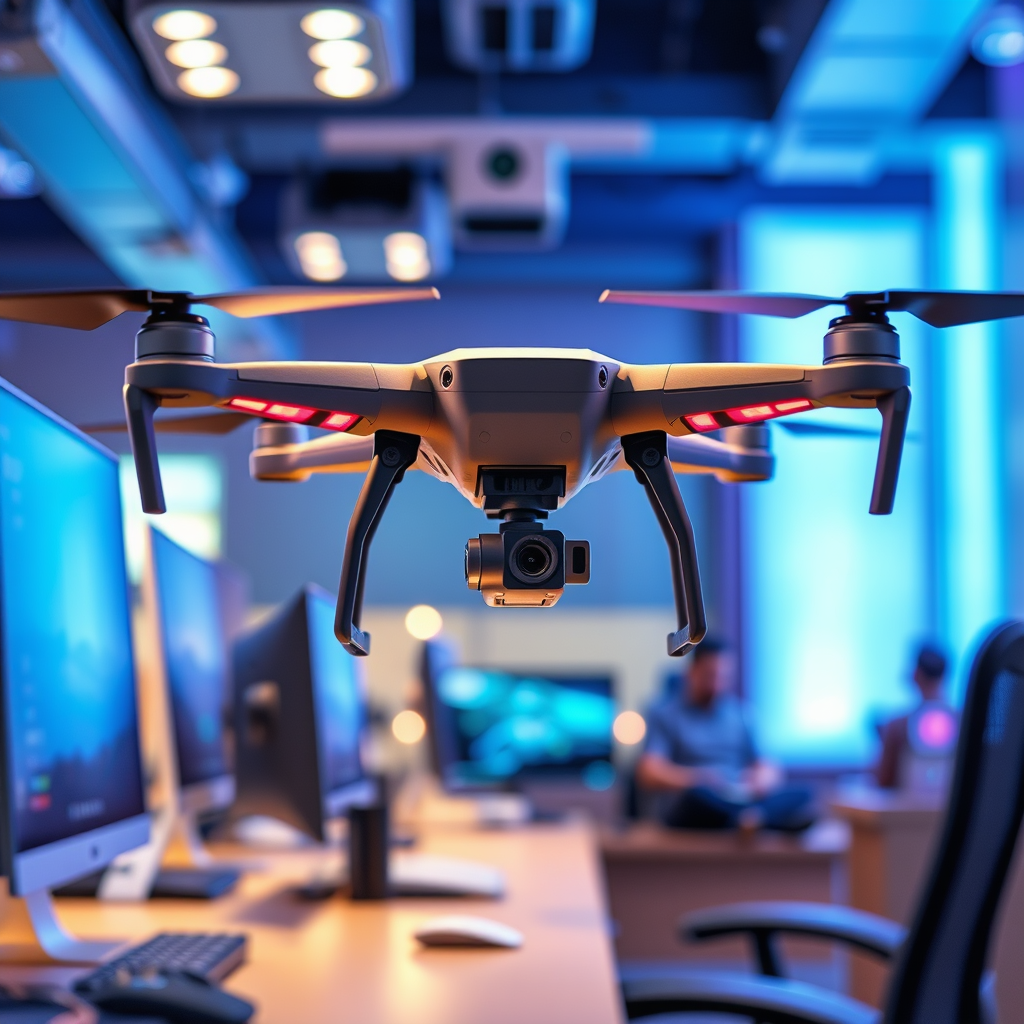
Drones can travel anywhere from a few miles to over 100 miles on a single charge, depending on various factors such as battery capacity, design, and weight. Understanding these elements is crucial for anyone looking to maximize a drone’s range and enhance their flying experience. As the drone industry continues to evolve, knowing the capabilities and limitations of different drone types can help users make informed decisions for both recreational and commercial use.
Understanding Drone Types
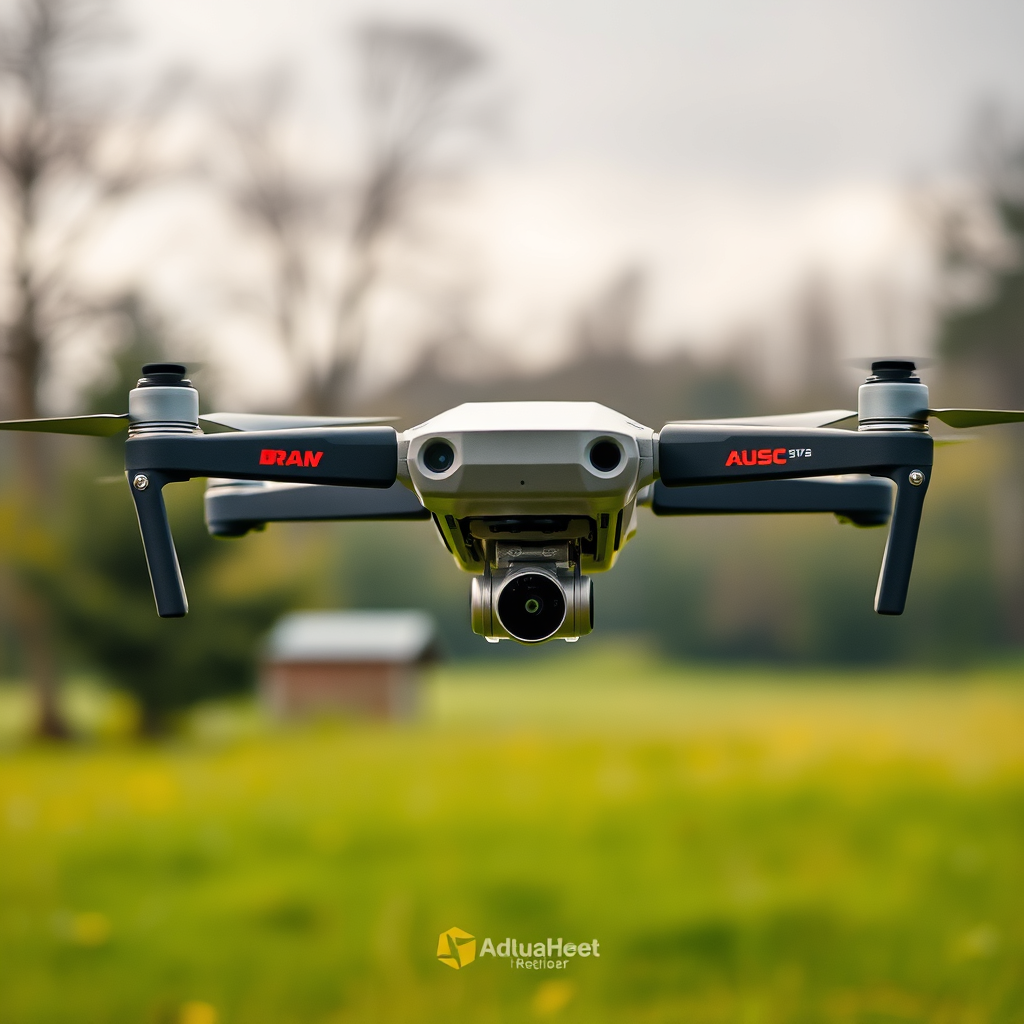
The range of a drone is significantly influenced by its type, as each category is designed for specific applications and performance capabilities. Consumer drones, which are commonly used for photography and recreational flying, typically have a flight range of 3 to 10 miles. High-end consumer models, such as those from DJI, can extend this range, offering advanced features and greater distances.
Commercial drones, often deployed for tasks like surveying, mapping, and delivery, usually have more robust designs and can travel longer distances, sometimes exceeding 20 miles. For instance, the DJI Matrice series can support various payloads and configurations, which enhances their operational range. Racing drones, designed for speed and agility, usually prioritize short, rapid bursts of travel over long-distance capabilities, making their effective range substantially shorter.
Battery-powered drones generally have limited travel distances compared to fuel-powered models. While electric drones are convenient and environmentally friendly, their reliance on battery capacity restricts their range. In contrast, fuel-powered drones, such as those using gasoline or hybrid systems, can achieve longer distances due to higher energy density compared to batteries.
Factors Affecting Drone Range
Several critical factors influence how far a drone can fly on a single charge, with battery capacity being one of the most significant. Battery capacity is measured in milliamp-hours (mAh), with larger batteries typically allowing for longer flight times and distances. For example, a drone equipped with a 5000 mAh battery may fly for approximately 25-30 minutes under optimal conditions, which translates into a range that can vary based on speed and environmental factors.
Another crucial factor is payload weight. Drones designed to carry additional equipment or sensors will experience a reduction in travel distance due to the extra weight. For instance, if a drone can carry a maximum payload of 2 kg, adding a 1 kg camera will significantly decrease the drone’s efficiency and reduce its overall range. Understanding the drone’s payload capacity and ensuring optimal weight distribution is vital for maximizing flight distance.
Environmental Influences
Environmental conditions play a pivotal role in determining a drone’s travel range. Wind conditions can dramatically affect flight time and distance, as strong winds can require more power for the drone to maintain stability and altitude. For instance, a drone may consume up to 30% more battery power when flying against a strong headwind, reducing its effective range.
Weather conditions also have significant implications for drone performance. Rain, snow, or fog can reduce visibility, complicating navigation and potentially impacting battery efficiency. For example, in cold temperatures, lithium polymer batteries may experience reduced performance due to lower chemical reaction rates, leading to shorter flight times. Understanding the local weather forecast and adapting flight plans accordingly can help drone operators mitigate these challenges.
Flight Modes and Their Impact
Drones come equipped with various flight modes that can alter their operational efficiency and travel range. For instance, sport mode allows for faster speeds and more dynamic maneuvers but can result in quicker battery depletion. Conversely, using GPS mode can optimize battery usage by enabling more stable flight paths and efficient altitude control, thereby extending travel distances.
Additionally, features like “follow me” mode, which allows the drone to autonomously follow a subject, may also influence range. While this mode can enhance the user experience, it may consume more battery life due to the drone’s need to maintain proximity to the subject. Understanding these flight modes and their implications on battery life is essential for maximizing a drone’s travel distance.
Regulations and Restrictions
Local laws and regulations can significantly impact how far drones can legally fly from their operators. Many countries have established guidelines that require drone operators to maintain visual line of sight (VLOS) with their drones, which inherently limits the distance they can travel. In the United States, the Federal Aviation Administration (FAA) has outlined strict regulations regarding drone operations, including altitude limits and no-fly zones, which can restrict travel options.
No-fly zones, such as those around airports, military bases, and certain urban areas, further complicate a drone’s operational range. Before planning a flight, it is essential for drone operators to familiarize themselves with local regulations and any airspace restrictions using resources like the FAA’s B4UFLY app or similar tools available in other countries. Adhering to these regulations not only ensures compliance but also promotes safe drone operation.
Tips for Maximizing Drone Travel Distance
To enhance a drone’s travel distance, operators can implement several best practices. Planning the flight path is crucial; selecting routes that avoid obstacles and unfavorable weather conditions can lead to more efficient flights. Utilizing apps that provide real-time weather updates and airspace restrictions can aid in this planning process.
Regular maintenance of the drone is equally vital to ensure optimal performance. This includes checking battery health, propeller conditions, and firmware updates. A well-maintained drone operates more efficiently, thereby extending its flight range. Operators should also consider practicing good battery management techniques, such as avoiding deep discharges and storing batteries at optimal temperatures.
Lastly, understanding and utilizing the drone’s features, such as battery-saving modes and efficient flight patterns, can contribute significantly to maximizing travel distance. By incorporating these strategies, drone enthusiasts can enhance their flying experience and effectively extend their drone’s operational range.
In conclusion, the distance a drone can travel varies greatly based on several factors, including its type, battery capacity, environmental conditions, and adherence to regulations. By comprehensively understanding these aspects and employing best practices, drone enthusiasts can significantly enhance their flying experience and maximize the range of their drones. Whether for recreational or commercial purposes, informed decision-making is key to unlocking the full potential of drone technology.
Frequently Asked Questions
How far can a typical consumer drone travel on a single battery charge?
A typical consumer drone can travel anywhere from 3 to 7 miles on a single battery charge, depending on factors such as the model, battery capacity, and environmental conditions. High-end models may offer extended ranges, while entry-level drones may have shorter travel distances. It’s essential to also consider factors like wind resistance and payload, as they can impact the drone’s overall range.
What factors affect a drone’s travel distance?
Several factors can influence a drone’s travel distance, including battery life, weight, weather conditions, and the type of drone. Heavier drones may consume more power, reducing their range. Additionally, flying in windy conditions can also decrease travel distance, as the drone has to work harder against strong winds. Understanding these variables can help users maximize their drone’s travel capabilities.
How can I extend the travel distance of my drone?
To extend the travel distance of your drone, consider investing in additional or higher-capacity batteries, which can provide longer flight times. Also, minimizing the weight by removing unnecessary accessories and flying during favorable weather conditions can enhance performance. Regularly maintaining your drone and ensuring that the propellers are clean and in good condition can also contribute to improved efficiency and longer travel distances.
Why does my drone have a limited travel distance?
Limited travel distance in drones can result from several factors, including low battery capacity, inefficient flight mechanics, or environmental conditions. Many consumer drones are designed with specific ranges due to their battery limitations, and flying in areas with heavy interference or obstacles can also reduce effective range. Understanding your specific drone’s limitations and optimizing flight conditions can help mitigate these issues.
Which drones offer the longest travel distances?
Drones like the DJI Mavic Air 2 and the DJI Phantom 4 Pro are known for offering some of the longest travel distances, reaching up to 8 miles under optimal conditions. Commercial drones designed for professional use, such as the senseFly eBee X, can travel even further, often exceeding 12 miles. When selecting a drone, it’s important to review the manufacturer’s specifications and user reviews to find a model that meets your travel distance needs.
References
- https://en.wikipedia.org/wiki/Drone
- https://www.faa.gov/uas/
- https://www.nasa.gov/mission_pages/technology/innovation/uas.html
- https://www.reuters.com/article/us-drone-technology-insight-idUSKCN1VZ1Z7
- https://www.sciencedirect.com/topics/engineering/unmanned-aerial-vehicle
- https://www.ncbi.nlm.nih.gov/pmc/articles/PMC6674200/
- https://www.bbc.com/future/article/20201201-how-far-can-drones-fly
