
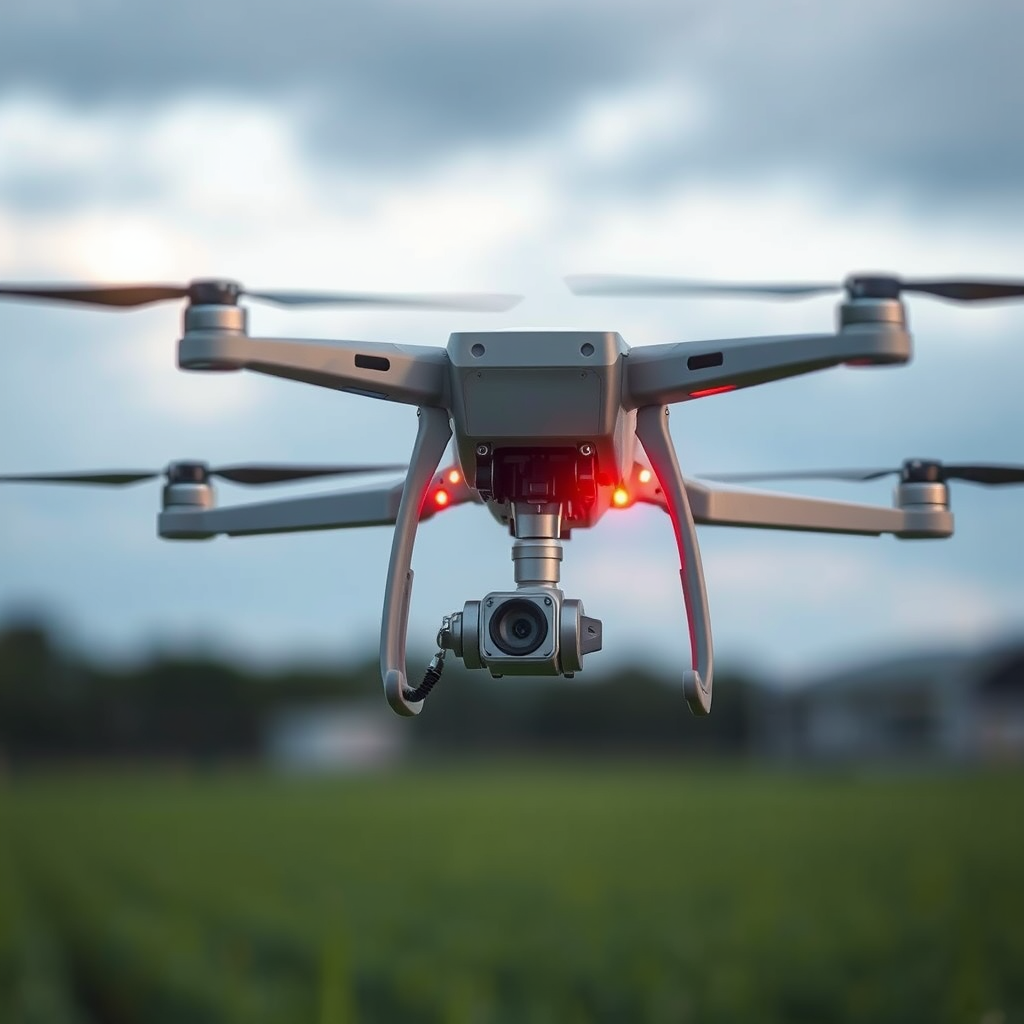
Drones can spray between 10 to 20 acres per hour, depending on factors like drone capacity, terrain, and pesticide type. This rapid application makes drones an efficient tool for farmers looking to cover large areas quickly. In this article, we’ll explore the various factors that influence a drone’s spraying capacity and provide insights into best practices for maximizing efficiency.
Understanding Drone Capacity
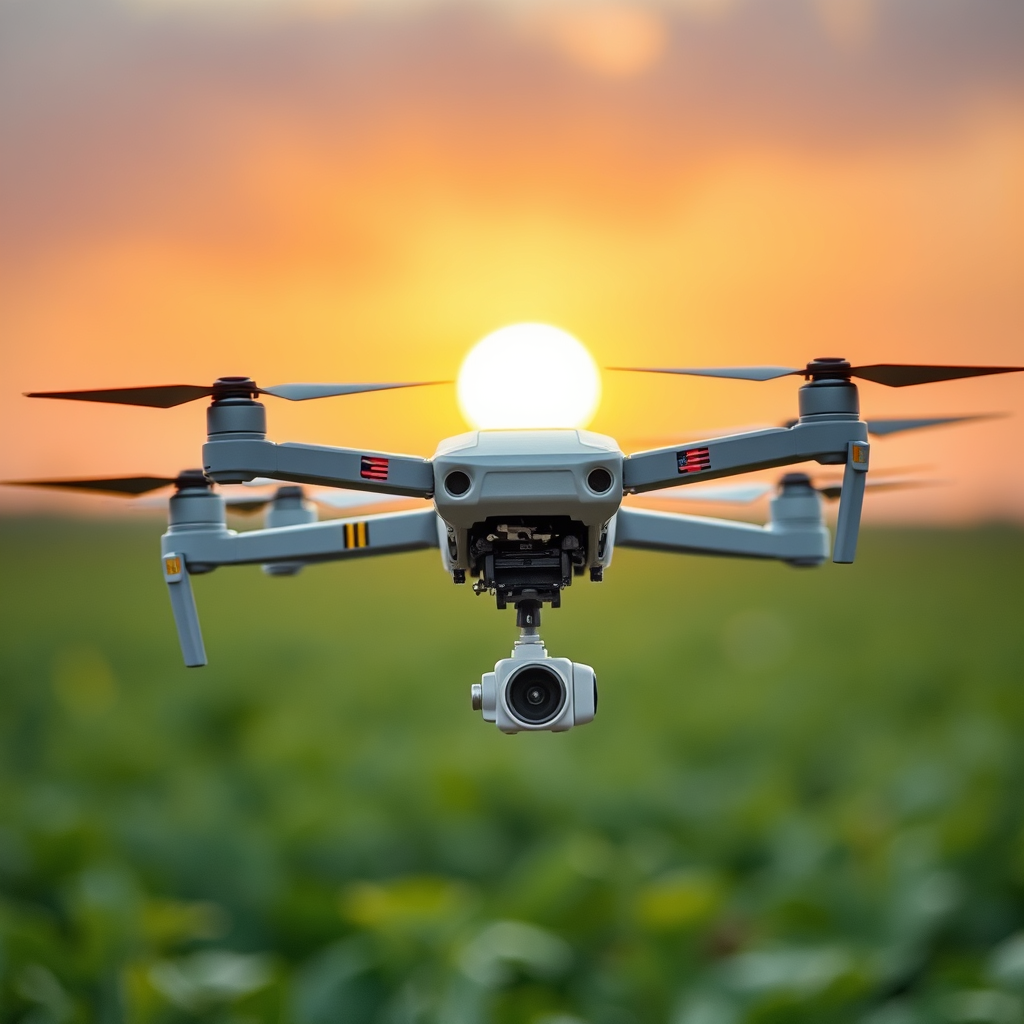
The capacity of a drone is a fundamental aspect that determines its spraying efficiency. Different drones come equipped with varying tank sizes, which significantly affects how much liquid they can carry at any given time. For example, entry-level agricultural drones may have a tank capacity of around 5 to 10 liters, while advanced models can hold up to 30 liters or more. Larger tanks enable drones to cover more extensive areas before needing to return to refill, thus saving time and increasing productivity.
In addition to tank size, the drone’s payload capabilities are influenced by its design and motor strength. High-performance drones are engineered to carry heavier loads without compromising flight stability. Consequently, a drone capable of carrying a larger volume of pesticides can operate more efficiently, reducing the frequency of refills and optimizing operational time. Understanding these specifications is crucial for farmers looking to select the right drone for their specific agricultural needs.
Factors Influencing Spraying Efficiency
Several factors influence the efficiency of drone spraying, most notably terrain type and weather conditions. The landscape being treated plays a critical role in determining how quickly and effectively a drone can operate. Flat, open fields allow for faster flight paths and less maneuvering, while hilly or densely vegetated areas may require slower speeds and more precision, which can reduce overall coverage per hour.
Weather conditions are another key factor that can impact spraying efficiency. Wind speed and direction can affect droplet distribution, leading to uneven coverage and potentially decreasing pesticide effectiveness. Moreover, high humidity or rain can dilute pesticides or wash them away before they have time to act on the target pests. Consequently, farmers must monitor weather forecasts and adjust their spraying schedules accordingly to ensure optimal conditions for application.
Types of Drones for Spraying
When it comes to agricultural spraying, there are primarily two types of drones: fixed-wing and multi-rotor drones. Fixed-wing drones are typically designed for larger areas and can cover more ground quickly due to their ability to fly at higher speeds and longer distances. These drones are ideal for vast farming operations where time efficiency is critical.
On the other hand, multi-rotor drones offer greater maneuverability and precision, making them suitable for smaller, complex fields or areas with obstacles such as trees and buildings. Their vertical take-off and landing capabilities allow them to operate in tighter spaces, providing flexibility for various agricultural applications. The choice between these two types of drones ultimately depends on the specific needs of the farm, including field size, crop type, and operational goals.
Best Practices for Drone Spraying
To maximize the efficiency of drone spraying, farmers should adopt several best practices. One of the most effective strategies is to pre-plan flight paths to minimize overlaps and gaps in coverage. By using mapping software or GPS technology, farmers can create optimized routes that ensure uniform application across the field, reducing waste and increasing efficacy.
Regular calibration of the drone’s spraying system is also essential for optimal performance. This involves adjusting the nozzle settings and spray patterns to ensure that the pesticide is applied at the correct rate and droplet size, which can significantly influence effectiveness. Farmers should also conduct periodic maintenance checks to ensure that the drone is in peak operating condition, as mechanical issues can lead to inefficiencies or malfunctions during operation.
Regulations and Safety Considerations
Before engaging in drone spraying, it is vital to familiarize yourself with local regulations regarding pesticide application and drone usage. Many countries have established guidelines to ensure safety, environmental protection, and responsible use of drones in agriculture. Compliance with these regulations not only protects the operator but also minimizes the risk of pesticide drift, which can impact neighboring crops and ecosystems.
In addition to adhering to regulations, implementing proper safety measures is crucial. This includes conducting pre-flight checks to ensure the drone is functioning correctly, using personal protective equipment (PPE) when handling pesticides, and maintaining a safe distance from people and animals during operations. By prioritizing safety, farmers can mitigate risks associated with drone spraying and promote responsible agricultural practices.
Cost Considerations for Drone Spraying
While the initial investment costs for drones can be significant, many farmers find that the long-term savings and efficiencies gained from drone spraying make it a worthwhile expense. The price of agricultural drones can range from a few thousand to tens of thousands of dollars, depending on their features and capabilities. However, these costs should be weighed against the potential for reduced labor expenses, increased crop yields, and minimized pesticide use.
Additionally, farmers should consider ongoing costs such as maintenance, training, and insurance when budgeting for drone spraying operations. Regular maintenance is essential to keep the drone in optimal condition, while training ensures that operators are skilled in using the technology effectively and safely. Insurance can provide peace of mind against potential damages or liabilities that may arise during drone operations. A comprehensive understanding of these cost factors will help farmers make informed decisions regarding their investment in drone technology.
In summary, drones are capable of spraying a significant number of acres quickly, making them an invaluable tool for modern agriculture. By understanding the factors that influence their efficiency and adhering to best practices, farmers can maximize the benefits of drone technology. If you’re considering integrating drone spraying into your operations, now is the time to explore your options!
Frequently Asked Questions
How many acres can a drone spray in a single flight?
The acreage a drone can spray in one flight varies based on several factors, including the drone’s tank capacity, spray width, and flight speed. Most agricultural drones are designed to cover between 10 to 50 acres per hour, with larger models equipped for extensive spraying operations covering up to 100 acres in optimal conditions. It’s essential to consider the payload and the specific crop type to determine the effective coverage accurately.
What factors influence how much area a drone can spray?
Several factors influence the area a drone can spray, including the drone’s specifications (such as tank size and spraying mechanism), environmental conditions (wind speed and weather), crop density, and the type of application (liquid pesticides vs. fertilizers). Additionally, regulatory restrictions and the need for multiple passes in uneven terrain can also affect overall efficiency in terms of acreage covered.
Why choose drone spraying over traditional methods for large fields?
Drone spraying offers numerous advantages over traditional methods, such as reduced labor costs, increased efficiency, and the ability to access difficult-to-reach areas. Drones provide precise application, minimizing chemical runoff and ensuring that pesticides or fertilizers are applied uniformly. This precision not only enhances crop health but also reduces the environmental impact, making drone spraying a more sustainable choice for large fields.
What is the best drone for spraying large areas?
The best drone for spraying large areas depends on your specific needs and budget. Popular models include the DJI Agras T30 and the Yamaha RMAX, both known for their robust tank capacity, long flight times, and efficient spraying systems. When selecting a drone, consider factors such as payload capacity, flight range, compatibility with various spray nozzles, and whether the drone can withstand various environmental conditions.
Which crops benefit the most from drone spraying?
Drone spraying is particularly beneficial for high-value crops such as vineyards, orchards, and row crops, where precision and timely application are critical for yield. Additionally, crops that require frequent treatments, such as vegetables and small fruits, can significantly benefit from the efficiency and speed of drone applications. Using drones ensures that these crops receive optimal care while minimizing labor costs and maximizing field coverage.
References
- https://www.nature.com/articles/s41598-020-77792-5
- https://www.usda.gov/topics/farming/drone-technology-agriculture
- https://www.ars.usda.gov/news-events/news/research-news/2020/drones-help-farmers-spray-crops-more-efficiently/
- https://www.extension.iastate.edu/news/2020/nov/what-you-need-know-about-drone-spraying-agriculture
- https://www.nrdc.org/stories/using-drones-promote-sustainable-farming
- https://www.sciencedirect.com/science/article/pii/S0168169919305108
- https://www.agriculture.com/news/technology/how-drones-are-changing-agriculture
- https://www.faa.gov/uas/
- https://www.abc.net.au/news/rural/2021-06-17/drones-precision-agriculture-spray-crops/100202224
