
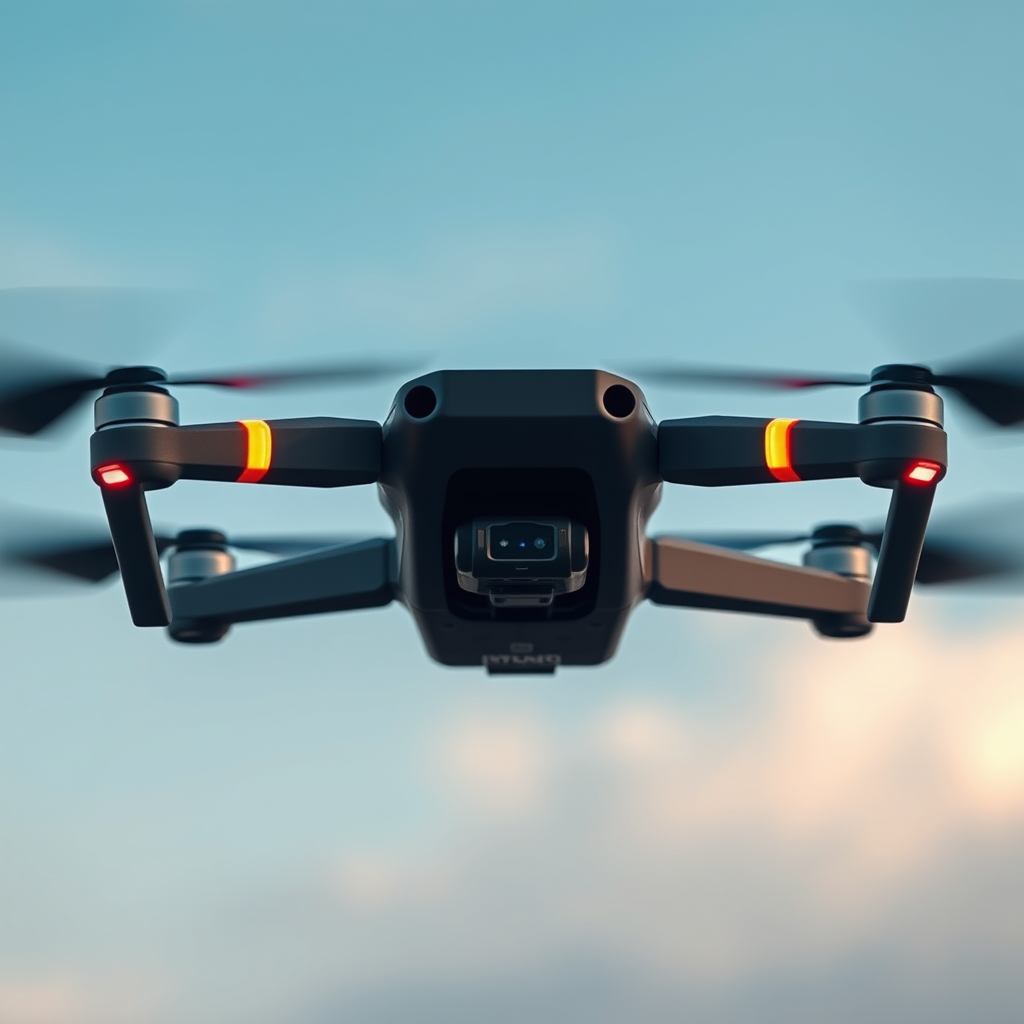
Drones can typically fly at altitudes ranging from 400 to 500 feet, depending on local regulations and the specific model. Understanding these limits is crucial for safe operation and compliance with aviation laws. In this article, we will explore various factors that influence a drone’s flying height, including regulations, technical specifications, and environmental conditions.
Regulatory Altitude Limits
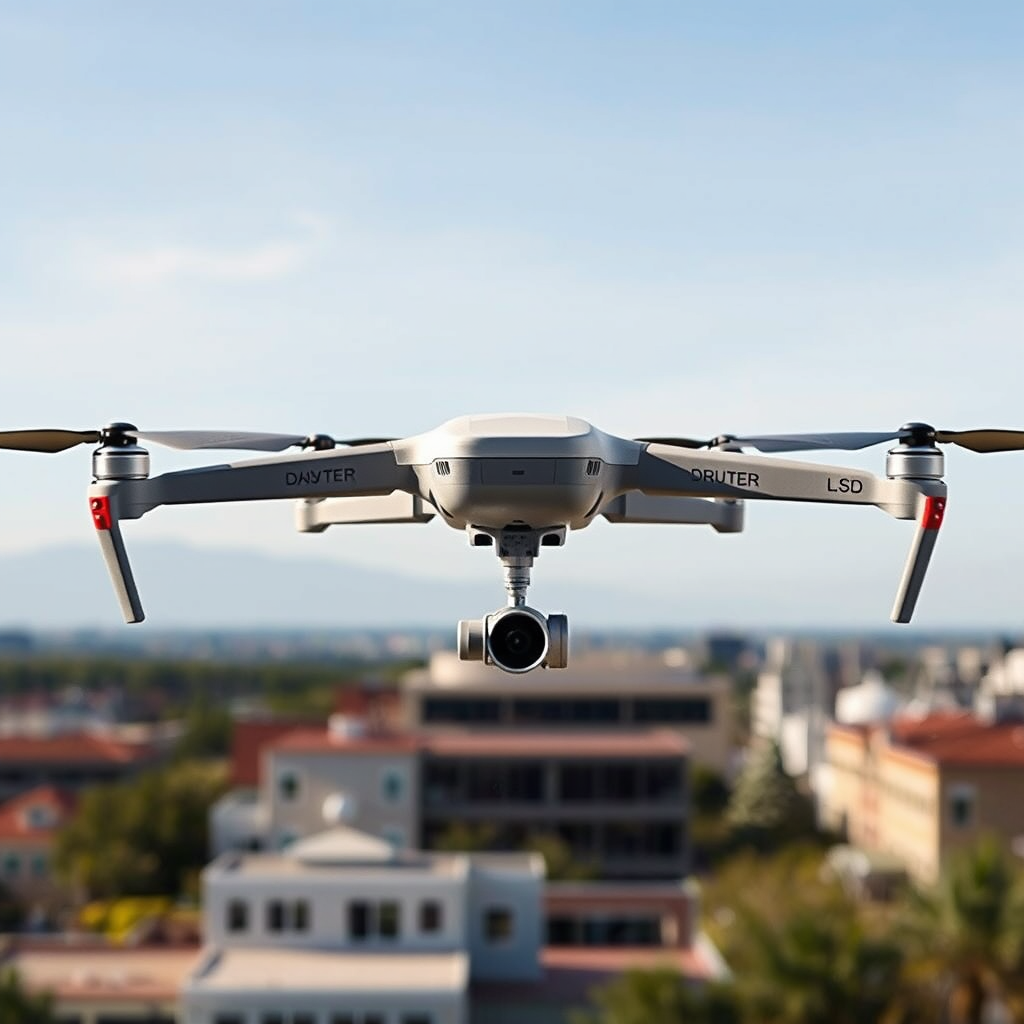
Regulatory altitude limits are established to ensure the safety of both drone operators and manned aircraft. In many countries, including the United States, the Federal Aviation Administration (FAA) has set a maximum altitude of 400 feet for recreational drone users. This limit is designed to prevent drones from interfering with low-flying aircraft, which typically operate at altitudes above this threshold. For commercial drone pilots, the regulations can be more nuanced. While the standard limit remains at 400 feet, commercial operators may be granted special waivers or permits that allow them to fly at higher altitudes for specific purposes, such as surveying or aerial photography. It is essential for drone operators to familiarize themselves with local regulations, as non-compliance can lead to hefty fines or even the revocation of operating licenses.
Moreover, different countries have varying regulations regarding drone flight. For instance, in Canada, the limit for recreational drone flight is also set at 400 feet, but there are additional restrictions near airport operations and populated areas. Understanding these regulatory frameworks not only helps drone pilots stay compliant but also enhances safety in the airspace.
Technical Specifications of Drones
The technical specifications of a drone play a significant role in determining how high it can fly. Each drone model has a maximum altitude capability, which is typically specified by the manufacturer. For example, high-end models designed for cinematic photography, like the DJI Mavic 3, can reach altitudes of over 5000 meters (16,404 feet) under optimal conditions, albeit with the understanding that flying at such heights would often violate local regulations.
Factors such as battery life, weight, and design can critically impact a drone’s ability to maintain altitude. Heavier drones may require more power to lift off, which can limit their flying height if battery life is compromised. Additionally, the drone’s design, including its aerodynamics and propulsion system, can affect its stability and performance at higher altitudes. A well-designed drone will maintain better control and stability, which is crucial when flying at or near the maximum altitude.
Moreover, pilots should also consider payload weight when flying at higher altitudes. Adding accessories, such as cameras or additional sensors, can affect the drone’s overall weight and, consequently, its flight performance. Therefore, understanding the technical specifications of your drone is imperative for safe and effective flying.
Environmental Factors Impacting Flight
Environmental conditions are another critical factor that influences a drone’s performance and safe flying height. Weather elements, such as wind speed and temperature, can significantly affect drone stability and control. For example, high winds can make it challenging for a drone to maintain altitude, particularly for lighter models. Pilots should always check weather forecasts before flying and avoid operating in conditions with strong winds, rain, or extreme temperatures.
Terrain and obstacles also play a significant role in determining effective flying altitude. Urban areas with tall buildings, trees, and other obstructions can limit a drone’s operational height. In these cases, flying at lower altitudes may be necessary to avoid collisions, which can also pose risks to both the drone and surrounding structures. Pilots should always assess their flying environment and adjust their altitude accordingly to mitigate risks associated with terrain and obstacles.
Safety Considerations for High Altitude Flights
Flying at higher altitudes introduces a range of safety considerations that drone pilots must acknowledge. One of the most significant risks is the potential for encountering manned aircraft, which may operate at altitudes above 400 feet. This necessitates a thorough understanding of local airspace regulations and the need for situational awareness. Pilots should always keep an eye out for other aircraft and be prepared to adjust their flight path if necessary.
Additionally, understanding the drone’s return-to-home function is crucial for safety at higher altitudes. This feature allows the drone to autonomously return to its takeoff point in the event of signal loss or low battery. However, operating at higher altitudes can sometimes complicate this function, particularly if the drone encounters obstacles on its way back. Pilots should test the return-to-home feature in controlled environments to ensure it functions correctly before flying at higher altitudes.
Finally, maintaining communication with local air traffic control (ATC) can enhance safety for drone operators, especially those flying in controlled airspace. Establishing communication can help mitigate risks associated with altitude flying, allowing for coordinated efforts between drone pilots and manned aircraft operators.
Best Practices for Monitoring Flight Altitude
Monitoring flight altitude is essential for ensuring compliance with regulations and maintaining safety during drone operations. Utilizing smartphone apps and built-in drone features can assist pilots in tracking and limiting altitude during flights. Many modern drones come equipped with altimeters and GPS systems that provide real-time altitude data, allowing pilots to make informed decisions while flying.
Regularly checking for updates on local regulations is also crucial for compliance. Drone laws are continually evolving, and staying informed about any changes can help pilots avoid unintentional violations. Resources such as the FAA’s website provide valuable information on current drone regulations, including altitude limits and airspace restrictions.
Additionally, pilots should consider using geo-fencing technology, which restricts a drone’s flight to within a designated altitude range. This can be particularly useful in urban areas or near airports, ensuring that the drone does not exceed legal altitude limits and enhancing overall safety.
Future Trends in Drone Altitude Capabilities
As technology continues to advance, the potential for higher permissible flying altitudes for drones may also grow. Innovations in battery technology, propulsion systems, and safety features are paving the way for drones capable of flying at greater altitudes while maintaining stability and control. For instance, advancements in electric propulsion could yield more efficient energy systems, allowing drones to reach higher altitudes without compromising battery life.
Furthermore, ongoing discussions surrounding the integration of drones into national airspace are likely to influence altitude regulations in the future. As drone technology matures and becomes more widely accepted, regulatory bodies may reevaluate existing altitude limits, potentially leading to higher allowances for both recreational and commercial drone pilots. This evolution could facilitate new applications for drones in areas such as delivery services, aerial inspections, and agricultural monitoring.
In summary, while most drones can fly anywhere from 400 to 500 feet under typical conditions, various factors can affect this limit. It is essential for pilots to stay informed about regulations, drone specifications, and environmental influences to ensure safe and compliant flying. As the drone industry continues to evolve, staying updated on future trends will be crucial for maximizing the potential of this exciting technology. For more insights on drone operation, consider exploring related articles on drone technology and regulations.
Frequently Asked Questions
What is the maximum altitude a drone can legally fly?
The maximum altitude that a drone can legally fly in the United States is 400 feet above ground level. This regulation is set by the Federal Aviation Administration (FAA) to ensure safe airspace for manned aircraft. It’s important for drone operators to be aware of local regulations and any additional restrictions that may apply, especially in urban areas or near airports.
How high can consumer drones typically fly?
Most consumer drones can fly up to 400 feet, which aligns with FAA regulations. However, some high-performance models may have the capability to reach altitudes of 500 feet or more. Regardless of the drone’s specifications, it’s crucial for pilots to always adhere to legal flight limits and prioritize safety during operation.
Why is there a limit on how high drones can fly?
The altitude limit for drones, set at 400 feet, is primarily in place to prevent collisions with manned aircraft and to maintain safety in shared airspace. This regulation helps to ensure that drones do not interfere with the flight paths of commercial and private planes, which typically operate at higher altitudes. Understanding these guidelines is essential for responsible drone operation.
What factors can affect a drone’s maximum flying altitude?
Several factors can affect a drone’s maximum flying altitude, including the drone’s design, battery life, and weight. Environmental conditions such as wind, temperature, and air pressure can also influence performance. Pilots should keep these variables in mind, as they can impact the drone’s ability to maintain a stable flight at higher altitudes.
Which drones are best for high-altitude flying?
Drones designed for high-altitude flying typically feature advanced engineering and powerful motors. Models like the DJI Matrice series and certain custom-built racing drones can handle increased altitude effectively. When choosing a drone for high-altitude applications, look for features such as strong GPS capabilities, robust battery life, and high-quality camera systems to ensure optimal performance.
References
- https://en.wikipedia.org/wiki/Drone
- https://www.faa.gov/uas/getting_started/registration
- https://www.faa.gov/uas/
- https://www.nasa.gov/aeroresearch/programs/aavp/what-are-drones
- https://www.theguardian.com/technology/2021/jun/01/drone-regulations-uk-what-you-need-to-know
- https://www.reuters.com/business/aerospace-defense/what-you-need-know-about-drones-2021-09-16/
- https://www.ncbi.nlm.nih.gov/pmc/articles/PMC7125144/
