
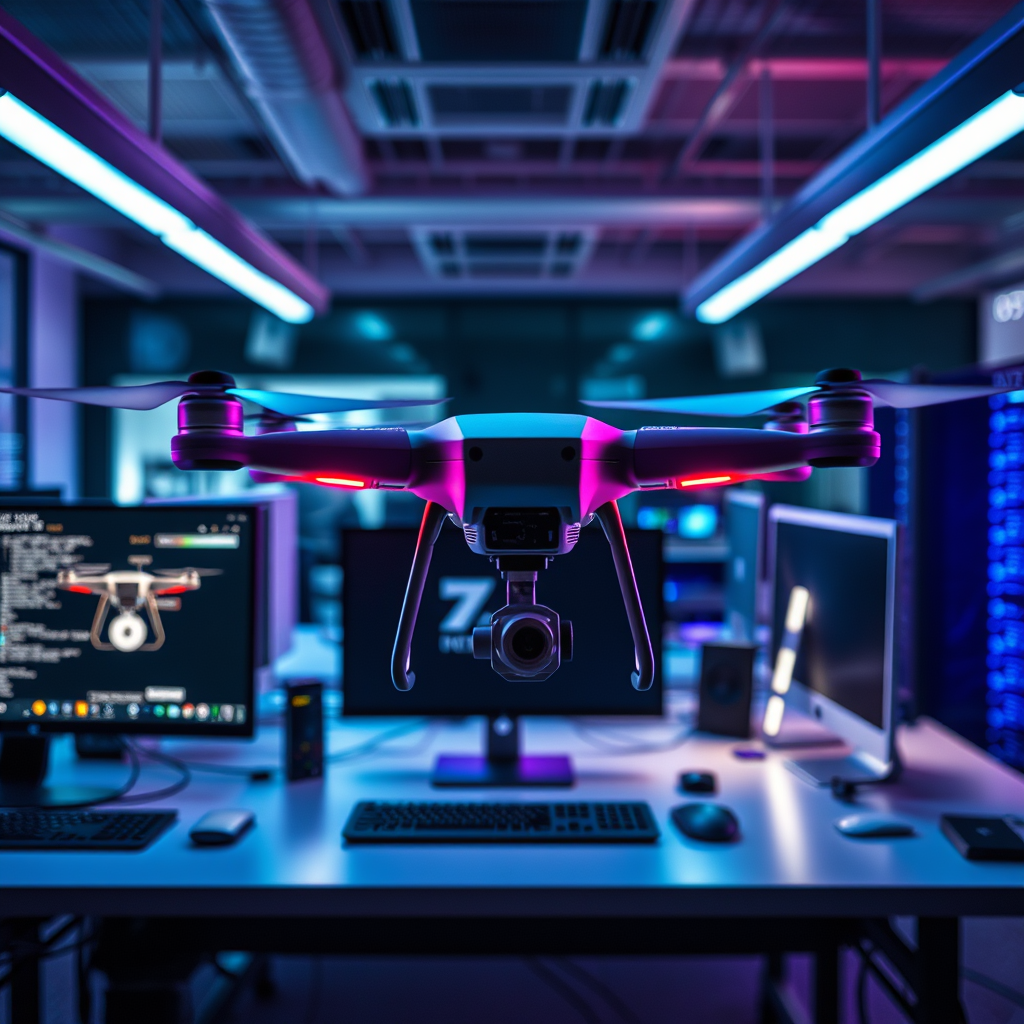
Drones can typically fly distances ranging from 1 to 7 miles, depending on various factors such as their battery life, type, and environmental conditions. This article will explore the key elements that influence a drone’s flight distance and provide insights to help you choose the right drone for your needs. Understanding these factors is crucial for maximizing your drone’s capabilities, whether for recreational use, professional applications, or aerial photography.
Understanding Drone Types
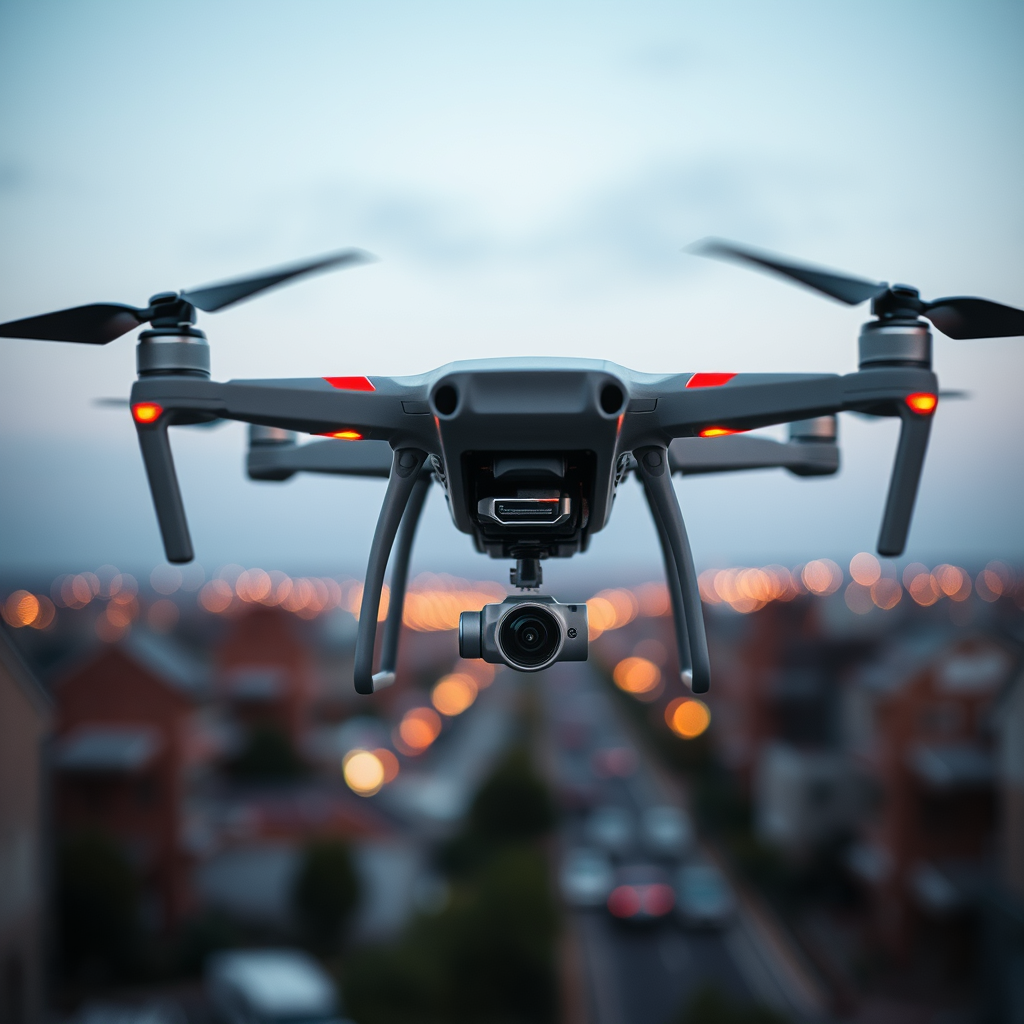
Drones come in various categories, each with distinct specifications that influence how far they can fly.
– Consumer Drones: These are the most common types of drones used by hobbyists and casual users. Consumer drones generally have a flight range of 1 to 5 miles, largely determined by their design and intended use. Popular models like the DJI Mini 2 can achieve a maximum range of around 6.2 miles under optimal conditions, but practical usage often sees much shorter distances due to regulatory and environmental factors.
– Professional Drones: Designed for commercial use such as surveying, inspections, and cinematography, professional drones can fly up to 7 miles or more thanks to advanced technology. For instance, the DJI Matrice 300 RTK boasts an impressive range of up to 9.3 miles, leveraging enhanced signal transmission systems and greater battery life. These drones are engineered to operate in more challenging environments, allowing professionals to cover larger areas efficiently.
Battery Life and Its Impact
The battery life of a drone is one of the primary determinants of how far it can travel.
– Battery Capacity: Drones equipped with higher capacity batteries generally support longer flight durations. For example, a drone with a 5000mAh battery may offer significantly longer flying time than one with a 2500mAh battery. Many modern drones utilize lithium-polymer (LiPo) batteries, which provide a balanced combination of weight and power.
– Flight Time: Most drones average 20-30 minutes of flight time per charge. However, factors such as payload, flight style, and environmental conditions can reduce this time. For instance, aggressive maneuvers or flying against strong winds can deplete battery life faster. Users should always account for these variables to avoid mid-flight battery failures, which can lead to crashes or lost drones.
Environmental Factors
The environment in which a drone operates can significantly influence its flight range.
– Weather Conditions: Wind speed and temperature play critical roles in a drone’s performance. High winds can cause instability, leading to reduced flight distance as the drone works harder to maintain its position. Similarly, extreme temperatures—both hot and cold—can affect battery efficiency and overall flight performance. For example, lithium batteries tend to lose capacity in colder climates, potentially shortening flight time.
– Terrain: The type of terrain over which a drone flies also impacts its range. Open fields allow for longer distances compared to urban settings filled with obstacles such as buildings and trees. Signal interference from these obstacles can disrupt communication between the drone and its remote control, limiting effective operational distance. Pilots should choose open, clear areas for optimal performance.
Regulations and Limitations
Understanding the regulatory landscape is essential for any drone pilot, as legalities can impose significant limitations on flight distance.
– FAA Regulations: In the United States, the Federal Aviation Administration (FAA) mandates that drones must remain within the pilot’s visual line-of-sight. This rule effectively limits practical flight distances, regardless of the drone’s technical capabilities. Pilots must be mindful of this regulation to avoid potential fines and ensure safety.
– Local Laws: In addition to FAA regulations, various local laws may impose further restrictions on drone operations. For instance, certain cities and states have designated no-fly zones, especially around airports, schools, and parks. It’s critical for drone operators to stay informed about local regulations to navigate legal boundaries and avoid penalties.
Tips for Maximizing Flight Distance
To get the most out of your drone’s flying capabilities, consider the following strategies:
– Pre-Flight Checks: Before taking off, ensure that your drone is fully charged, properly calibrated, and updated with the latest firmware. Performing a pre-flight check can help identify potential issues that could hinder flight distance and overall performance.
– Use of Range Extenders: For those looking to push the limits of their drone’s distance capabilities, consider investing in external antennas or signal boosters. These devices can enhance the communication range between the drone and its controller, allowing for greater distances in optimal conditions. However, be aware that modifications can sometimes void warranties, so proceed with caution.
Future Developments in Drone Technology
The drone industry is rapidly evolving, and several innovations promise to enhance flight distance capabilities in the future.
– Battery Innovations: Ongoing advancements in battery technology, such as solid-state batteries and energy-dense lithium-sulfur alternatives, could significantly increase flight ranges. These innovations may lead to lighter, more powerful batteries, extending flight times well beyond the current limits.
– Enhanced Navigation Systems: As drones are equipped with more sophisticated navigation systems, such as improved GPS and obstacle avoidance technology, they will be able to operate safely over longer distances. Future developments may include autonomous flying capabilities, enabling drones to navigate complex environments without direct human control.
In conclusion, the distance a drone can fly is influenced by multiple factors, including its type, battery life, environmental conditions, and regulatory constraints. Understanding these elements can aid in selecting the right drone for your specific needs, whether for leisure or commercial purposes. Staying informed about technological advancements will further enhance your drone flying experience, allowing you to maximize the potential of your aerial adventures.
Frequently Asked Questions
What is the average distance a consumer drone can fly?
The average distance a consumer drone can fly typically ranges from 1 to 5 miles, depending on the model and environmental conditions. High-end consumer drones, like those from DJI, can reach distances of up to 7 miles under optimal conditions. Factors such as battery life, signal strength, and local regulations can significantly affect the actual flying distance.
How does battery capacity affect a drone’s flying range?
Battery capacity directly impacts a drone’s flying range, as a higher capacity battery allows for longer flight times and distances. Most consumer drones have flight times between 20 to 30 minutes, and this duration can vary based on the drone’s weight, wind conditions, and flying style. Therefore, choosing a drone with a powerful battery is crucial for maximizing your distance capabilities.
Why do some drones have a longer flying distance than others?
The flying distance of drones varies due to several factors, including the type of technology used for communication, battery size, and design efficiency. Drones equipped with advanced transmission systems, such as OcuSync or Lightbridge, can maintain stronger signals over longer distances. Additionally, drones designed for specific purposes, like racing or surveying, prioritize distance and speed differently based on their intended use.
What are the best drones for long-distance flying?
Some of the best drones for long-distance flying include the DJI Mavic Air 2, which can fly up to 6.2 miles, and the DJI Phantom 4 Pro, which has a range of approximately 4.3 miles. These drones are equipped with robust batteries and advanced transmission technology that enhances their flying distance. When selecting a drone for long-distance capabilities, consider both the battery life and the drone’s overall design.
Which factors limit a drone’s flying range?
Several factors can limit a drone’s flying range, including battery life, signal interference, and local regulations. Environmental conditions like wind, rain, and obstacles can also affect how far a drone can travel. Additionally, many regions have legal restrictions on how far drones can fly from their operators, often requiring them to remain within visual line of sight, which can further limit distance.
References
- https://en.wikipedia.org/wiki/Drone
- https://www.faa.gov/uas/getting_started/remote_id
- https://www.nytimes.com/2022/01/05/technology/drones-regulations.html
- https://www.reuters.com/business/aerospace-defense/what-you-need-know-about-drone-range-2021-11-01/
- https://www.nasa.gov/feature/nasa-begins-year-long-drone-integration-study
- https://www.usda.gov/topics/farming/drone-technology-agriculture
- https://www.aaai.org/ocs/index.php/AAAI/AAAI18/paper/view/17428
