
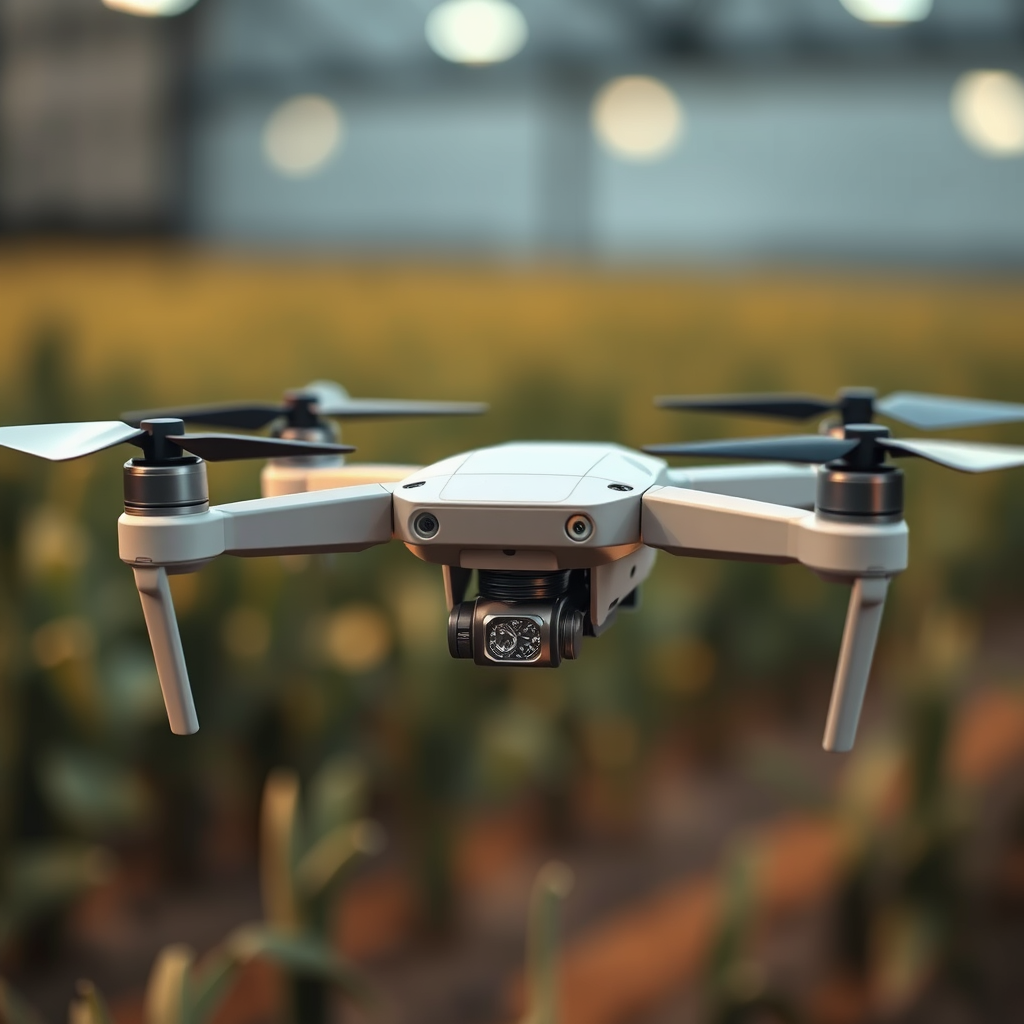
Drones can revolutionize agriculture by enhancing productivity, monitoring crop health, and optimizing resource use. With their ability to collect data and perform various tasks from above, drones are becoming indispensable tools for modern farmers looking to improve efficiency and yield. As technology advances, the agricultural sector is increasingly adopting drone technology, which not only streamlines operations but also supports sustainable farming practices. This article will delve into the various benefits and uses of drones in agriculture, highlighting their transformative potential.
Precision Agriculture Monitoring
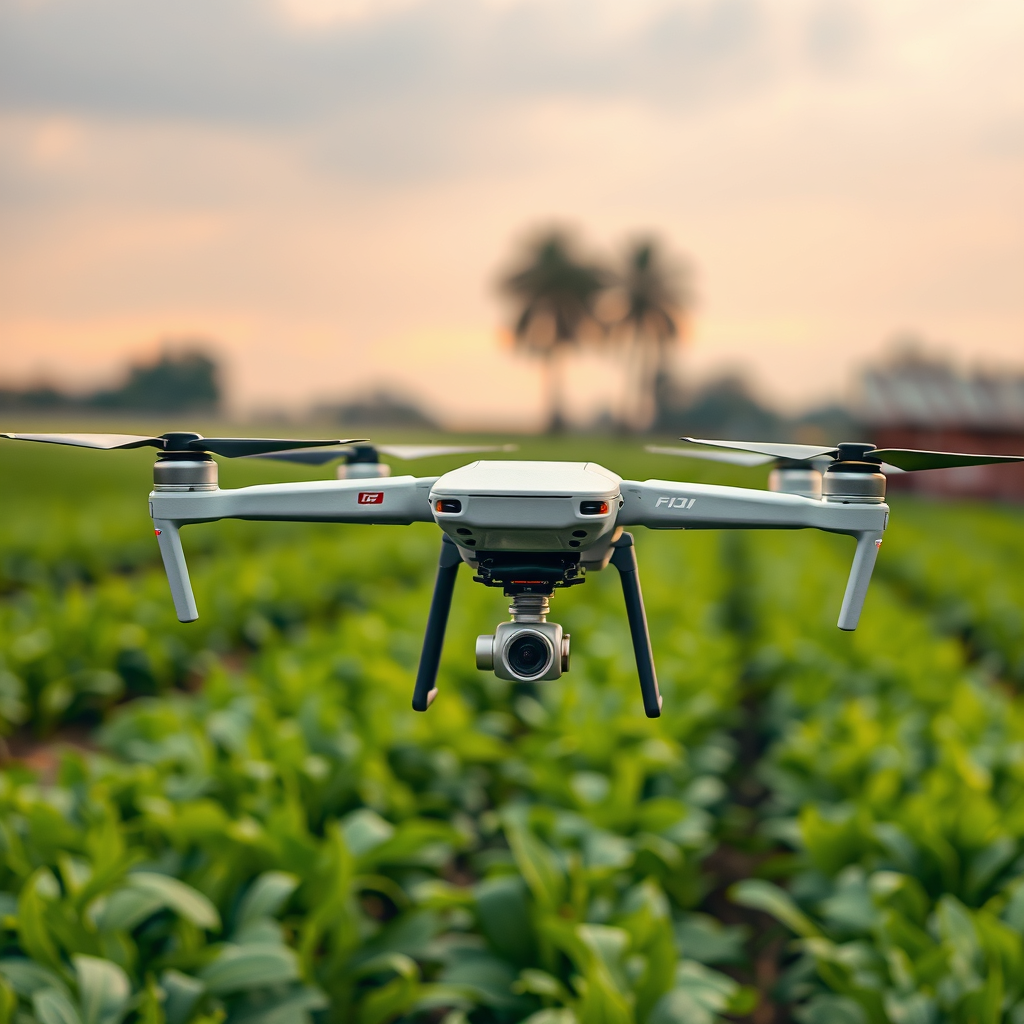
Drones provide real-time aerial imagery that empowers farmers to assess crop health and identify issues quickly. By utilizing high-resolution cameras and advanced sensors, drones can capture detailed images of farmland, revealing variations in crop health that may not be visible from the ground. This data allows farmers to pinpoint areas requiring attention, thereby facilitating timely interventions. Moreover, drones can monitor soil conditions and moisture levels, leading to informed irrigation and fertilization decisions. For instance, by mapping moisture levels across a field, farmers can optimize irrigation schedules, ensuring that water is applied where needed most, thus conserving resources and improving crop yields.
Crop Health Assessment
Equipped with multispectral cameras, drones can detect plant stress and disease before symptoms are visible to the naked eye. This capability is crucial in modern agriculture, where early detection can significantly reduce crop loss and improve overall yields. Drones can analyze plant reflectance in different wavelengths, identifying stress caused by factors such as nutrient deficiencies, pests, or diseases. For example, researchers have successfully used drones to monitor vine health in vineyards, allowing for targeted treatments that enhance grape quality. This early detection enables targeted treatment, reducing chemical use and promoting sustainable practices, aligning with the growing demand for environmentally friendly farming solutions.
Field Mapping and Planning
Drones can create detailed maps of farmland, helping farmers plan planting and harvesting schedules based on accurate terrain data. These maps provide insights into elevation changes, soil types, and existing crop layouts, allowing for more strategic planning. For instance, farmers can identify optimal locations for planting different crops, enhancing land use efficiency and maximizing yields. Advanced mapping capabilities also facilitate precision agriculture techniques such as variable rate application, where inputs like fertilizers and seeds can be tailored to specific field conditions. This level of precision not only boosts productivity but also minimizes waste, supporting sustainable agriculture practices.
Pest and Weed Control
Drones are increasingly being used for pest and weed control, offering a precise application method that minimizes chemical runoff and maximizes coverage. Equipped with spraying systems, drones can apply pesticides and herbicides with pinpoint accuracy, targeting only affected areas while avoiding unnecessary exposure to non-target plants and wildlife. This targeted approach not only enhances environmental safety but also reduces costs associated with excessive chemical use. Furthermore, drones help in identifying pest infestations early, allowing for timely intervention and reduced crop loss. For example, some farmers use drones to monitor crops for aphids or locusts, enabling rapid response to prevent widespread damage.
Livestock Monitoring
Drones can survey large grazing areas, making it easier to monitor livestock health and behavior. This capability is particularly beneficial for farmers managing extensive herds across vast pastures. Drones can capture aerial images of livestock, allowing farmers to assess body conditions and identify any potentially sick animals without the need to physically check each one. Furthermore, drones can assist in locating missing animals and tracking their movements without disturbing them. For example, farmers in Australia have successfully employed drones to monitor sheep grazing in remote areas, enhancing herd management efficiency and ensuring animal welfare.
Data Collection and Analysis
Drones gather vast amounts of data that can be analyzed to improve farming practices and yield predictions. The information collected by drones can be integrated with farm management software, allowing farmers to make informed decisions based on trends and insights. For example, data on crop health, soil conditions, and weather patterns can be combined to develop predictive models that inform future planting strategies. This level of data analysis enhances overall productivity, enabling farmers to optimize resource use and improve yields sustainably. Additionally, by leveraging artificial intelligence and machine learning, farmers can continuously refine their practices based on real-time data.
Cost Efficiency and Time Savings
By automating tasks such as crop monitoring and spraying, drones save farmers time and labor costs. The efficiency gained through drone technology can lead to significant financial savings over time. For instance, a study found that using drones for crop spraying can reduce application time by up to 90% compared to traditional methods, allowing farmers to allocate their labor resources more effectively. Moreover, the ability to cover large areas quickly means that farmers can respond promptly to issues, reducing potential crop losses and enhancing overall operational efficiency. As a result, the initial investment in drone technology can yield substantial returns, making it a financially sound choice for many agricultural operations.
Utilizing drones in agriculture not only boosts productivity but also promotes sustainable farming practices. The diverse applications of drone technology—from monitoring crop health to enhancing livestock management—demonstrate its transformative potential in the agricultural sector. As technology continues to evolve, the potential applications of drones in farming will likely expand, offering even more innovative solutions for the industry. Embracing this technology can help farmers stay competitive, improve their operations, and contribute to a more sustainable agricultural future.
Frequently Asked Questions
What are the main benefits of using drones in agriculture?
Drones offer numerous benefits for agriculture, including enhanced crop monitoring, precision pesticide application, and improved irrigation management. By utilizing aerial imagery and real-time data collection, farmers can quickly identify issues such as pest infestations or nutrient deficiencies, leading to more efficient resource use and potentially higher yields. Additionally, drones can cover large areas in a fraction of the time it would take traditional methods, making them a valuable tool for modern farming.
How can drones improve crop monitoring and yield assessment?
Drones equipped with multispectral cameras can capture high-resolution images that reveal critical information about plant health, moisture levels, and growth patterns. By analyzing this data, farmers can make informed decisions regarding irrigation, fertilization, and harvesting schedules. This proactive approach not only helps optimize crop yield but also reduces waste and increases overall farm efficiency.
Why should farmers consider investing in drone technology for their operations?
Investing in drone technology can lead to significant cost savings and increased productivity for farmers. Drones provide timely insights into field conditions, enabling farmers to act quickly and efficiently. Moreover, the ability to perform tasks like spraying pesticides and monitoring crops remotely can reduce labor costs and minimize environmental impact, making drones a sustainable option for modern agriculture.
What types of drones are best suited for agricultural purposes?
The best drones for agricultural purposes typically fall into two categories: fixed-wing and multi-rotor drones. Fixed-wing drones are ideal for covering large areas due to their longer flight times and ability to fly at higher altitudes, making them suitable for crop mapping. In contrast, multi-rotor drones are better for targeted applications such as spraying and detailed inspections, thanks to their maneuverability and ability to hover over specific areas.
Which agricultural tasks can be automated with the use of drones?
Drones can automate various agricultural tasks, including crop scouting, irrigation management, and pesticide application. By using GPS technology and advanced sensors, drones can efficiently gather data and apply inputs precisely where needed, reducing waste and enhancing productivity. Additionally, automated drone systems can facilitate regular monitoring, allowing farmers to stay ahead of potential issues and manage their crops more effectively.
References
- https://en.wikipedia.org/wiki/Drone_application_in_agriculture
- https://www.usda.gov/topics/farming/drone-technology
- https://www.nrcs.usda.gov/wps/portal/nrcs/main/national/technical/engineering/drones/
- https://www.abc.net.au/news/2021-07-06/how-drones-are-revolutionising-agriculture/100273694
- https://www.sciencedirect.com/science/article/pii/S2351978921000465
- https://www.frontiersin.org/articles/10.3389/fpls.2021.730622/full
- https://www.elsevier.com/en-xm/books/the-use-of-drones-in-agriculture/9780128185298
- https://www.mdpi.com/2072-4292/11/9/1038
- https://www.universityofcalifornia.edu/news/drones-help-farmers-precision-agriculture
- https://www.theguardian.com/environment/2021/mar/18/using-drones-to-help-farmers-in-uk-boost-crops
