
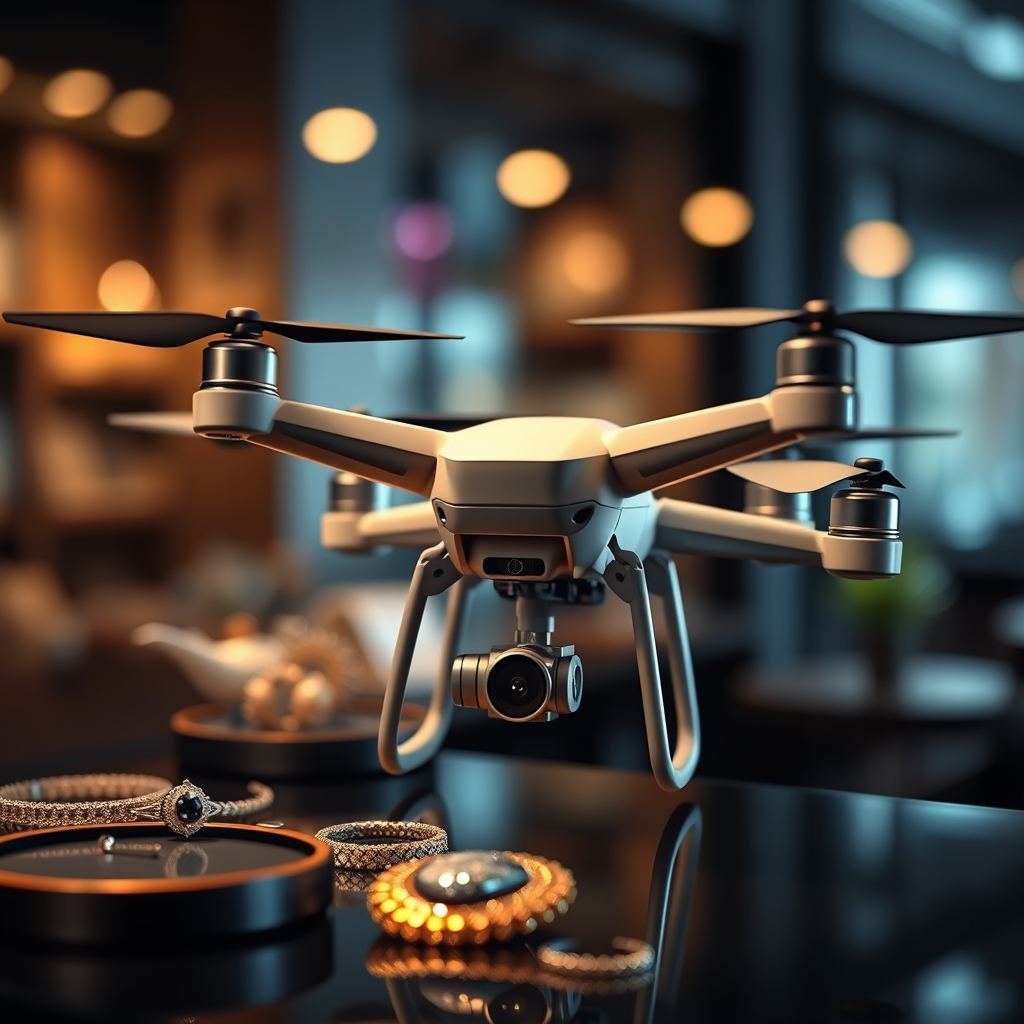
With a drone pilot license, you can engage in various professional and recreational activities, including aerial photography, inspections, and even mapping. This license opens up a world of opportunities for both hobbyists and career-driven individuals. As the demand for drone services continues to grow across multiple sectors, being a licensed drone pilot can significantly enhance your employability or serve as a rewarding hobby. Here, we will delve into the diverse applications of a drone pilot license, highlighting how it can transform your professional landscape and personal pursuits.
Commercial Aerial Photography and Videography
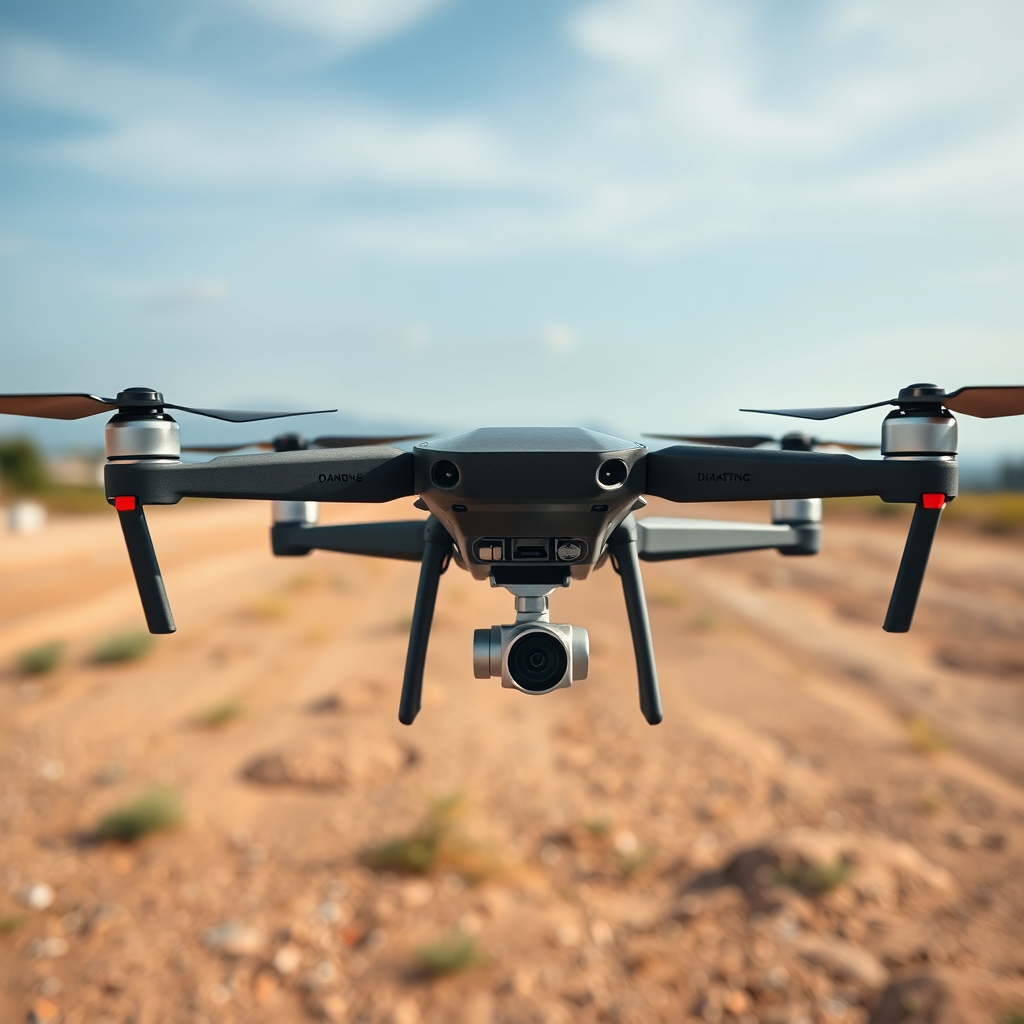
One of the most popular applications of a drone pilot license is in commercial aerial photography and videography. Licensed drone pilots can capture stunning images and videos for real estate listings, weddings, and various events, providing unique perspectives that traditional photography simply can’t achieve. For instance, real estate agents often utilize drone services to showcase properties from above, highlighting features such as landscapes, pools, and proximity to amenities.
Beyond events and real estate, licensed drone pilots can offer their services to businesses looking for promotional content, advertising materials, and social media campaigns. With high-resolution cameras mounted on drones, businesses can produce captivating visual content that stands out in today’s digital marketplace. By tapping into this market, drone pilots can establish a lucrative business or supplement their income by providing services to local companies and entrepreneurs.
Agricultural Applications
Drones have also revolutionized agricultural practices, and licensed drone pilots can play a crucial role in this transformation. By utilizing drones for crop monitoring, soil analysis, and precision agriculture, pilots can help farmers optimize yields and reduce costs through aerial data collection. For example, drones equipped with multispectral cameras can analyze crop health by capturing images that reveal variations in plant vigor, allowing farmers to make data-driven decisions about irrigation, fertilization, and pest control.
Moreover, drones can facilitate the mapping of farmland, providing farmers with updated information on crop conditions over time. This real-time data can help in early detection of issues, such as pest infestations or nutrient deficiencies, ultimately leading to improved crop management and increased profitability. As the agricultural sector continues to embrace technology, skilled drone pilots specializing in this field are in high demand.
Infrastructure Inspections
Another significant application of a drone pilot license is in infrastructure inspections. Drones can conduct inspections of bridges, power lines, and buildings, significantly reducing the need for scaffolding or ladders, which can be both time-consuming and hazardous. For instance, utility companies increasingly rely on drones to inspect power lines and detect issues that might otherwise go unnoticed, such as corrosion or damage caused by weather.
The use of drones for inspections not only enhances safety but also improves efficiency. Pilots can provide detailed reports and imagery that help maintenance teams plan repairs more effectively. Additionally, the ability to capture high-resolution images and videos from various angles allows for thorough evaluations without putting personnel at risk. This innovative approach to infrastructure management is gaining traction and presents exciting opportunities for licensed drone pilots.
Mapping and Surveying
Drones are becoming invaluable tools for mapping and surveying, allowing licensed pilots to create high-resolution topographical maps and 3D models for construction and development projects. This technology can drastically reduce the time and costs associated with traditional surveying methods, making it an attractive option for businesses in construction, land development, and urban planning.
For instance, construction companies can use drones to survey land and monitor site progress, ensuring that projects stay on schedule and within budget. By providing accurate data and visual representations of the land, pilots can help clients make informed decisions regarding design and resource allocation. As industries increasingly recognize the efficiency and precision that drone surveying offers, the demand for licensed drone pilots in this area is expected to grow.
Search and Rescue Operations
In critical situations, licensed drone pilots can make a significant impact by assisting emergency services in search and rescue operations. Drones can quickly cover large areas and provide real-time aerial footage, which is invaluable for locating missing persons or assessing disaster-stricken areas. For example, during natural disasters, drones can help emergency responders evaluate damage and determine where to allocate resources effectively.
Moreover, drones equipped with thermal imaging technology can detect body heat, making them especially useful in search operations at night or in challenging conditions. By providing a bird’s-eye view, licensed pilots can enhance situational awareness and improve coordination among rescue teams, ultimately saving lives. This application of drone technology underscores the profound impact that skilled drone pilots can have in times of crisis.
Environmental Monitoring
Drones also play a crucial role in environmental monitoring, allowing licensed pilots to monitor wildlife, track environmental changes, and assess natural resources. This capability is vital for researchers and conservationists who need to collect data on habitats and ecosystems. For instance, drones can be used to survey wildlife populations, monitor deforestation, or track changes in land use, providing essential information that informs conservation efforts.
By capturing high-resolution images and data over time, pilots can help organizations develop strategies to protect endangered species and restore damaged ecosystems. In an era where environmental sustainability is increasingly prioritized, licensed drone pilots specializing in environmental monitoring are poised to contribute significantly to conservation initiatives.
Drone Racing and Recreational Use
Beyond professional applications, a drone pilot license opens the door to exciting recreational opportunities, including drone racing and joining local flying clubs. Drone racing has gained popularity as a thrilling sport that combines speed, skill, and technology, offering enthusiasts a chance to compete in organized events. Licensed pilots can participate in races and hone their skills, pushing the boundaries of what drones can achieve.
Additionally, flying drones for fun allows individuals to explore new areas, capture breathtaking aerial views, and engage with a vibrant community of fellow drone enthusiasts. Whether it’s for leisure or competition, the recreational use of drones can be incredibly rewarding, providing an avenue for creativity and personal growth.
In conclusion, obtaining a drone pilot license unlocks diverse opportunities across multiple industries and recreational activities. From commercial aerial photography to environmental monitoring and search and rescue operations, the applications of drone technology are vast and continually expanding. Whether you’re looking to start a new career, enhance your professional skill set, or enjoy a fulfilling hobby, the potential for growth and exploration is significant. As you consider how a drone pilot license can enhance your professional and personal life, remember that the sky is truly the limit.
Frequently Asked Questions
What can you do with a drone pilot license?
With a drone pilot license, specifically a Part 107 certification from the FAA, you can legally operate drones for commercial purposes, such as aerial photography, real estate marketing, agricultural surveying, and infrastructure inspections. This license allows you to generate income by providing drone services in various industries, enhancing your career opportunities in fields like cinematography, construction, and environmental monitoring.
How can a drone pilot license benefit my career?
Obtaining a drone pilot license can significantly enhance your career by opening up new job opportunities in industries that increasingly rely on aerial data. With the ability to perform tasks such as mapping, surveying, and photography, you can set yourself apart from competitors, increase your earning potential, and gain access to a growing market that values drone technology for its efficiency and innovation.
Why is it important to have a drone pilot license for commercial use?
Having a drone pilot license is crucial for commercial use because it ensures compliance with federal regulations, promoting safety and accountability in drone operations. Operating without a license can result in hefty fines and legal consequences, while being licensed instills trust with clients, demonstrating that you adhere to safety standards and industry best practices.
What are the best applications for a licensed drone pilot?
Licensed drone pilots can engage in various lucrative applications, including aerial photography and videography for weddings and events, agricultural monitoring for crop health assessment, construction site inspections for project management, and search and rescue operations for emergency services. Each of these applications leverages the unique capabilities of drones, making them invaluable across multiple sectors.
Which industries are hiring drone pilots with licenses?
Numerous industries are actively hiring licensed drone pilots, including real estate, agriculture, construction, film and photography, environmental conservation, and public safety. As various sectors recognize the benefits of drone technology for data collection, monitoring, and marketing, the demand for skilled drone pilots continues to grow, providing ample job opportunities for those with the necessary certification.
References
- https://en.wikipedia.org/wiki/Unmanned_aerial_vehicle
- https://www.faa.gov/uas/commercial_operators/
- https://www.abc.net.au/news/2021-05-05/what-can-you-do-with-a-drone-pilot-licence/100115516
- https://www.dronepilotgroundschool.com/blog/drone-pilot-careers/
- https://www.aopa.org/news-and-media/all-news/2021/september/13/five-ways-to-use-your-drone-pilot-license
- https://www.ussoccer.com/stories/2021/09/us-soccer-and-drone-pilot-certification
- https://www.nationalgeographic.com/science/article/drones-in-science-and-conservation
- https://www.nist.gov/news-events/news/2020/05/what-you-need-know-about-drone-pilot-certification
- https://www.theverge.com/2020/6/25/21303207/drone-pilot-licenses-applications-industry
- https://www.cnet.com/news/how-to-choose-a-drone-pilot-license/
